
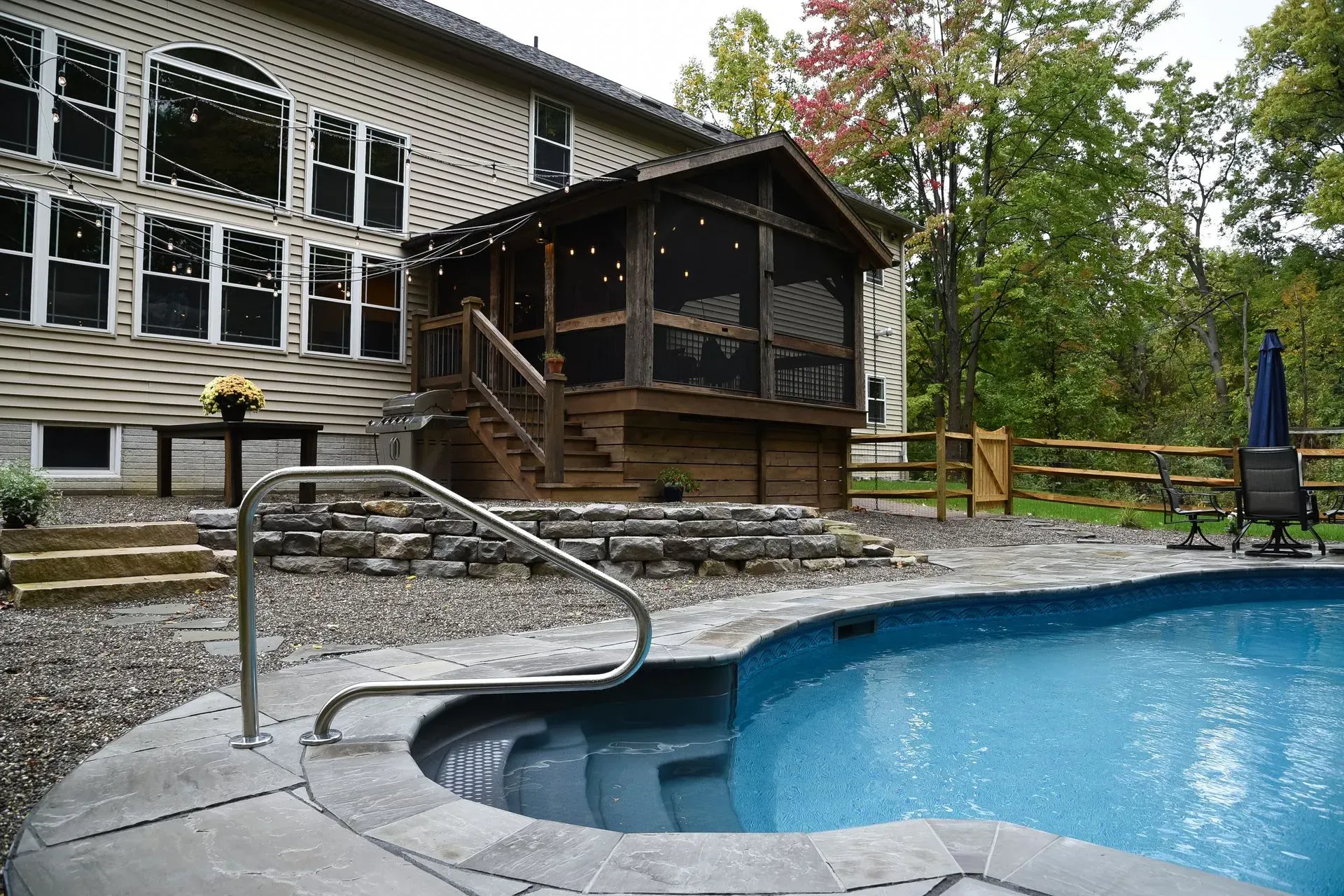
Attached vs. Freestanding Covered Patios: Which Works Best?

Conflicting plans are not inevitable in remodeling. They result from fragmented structure.
Anthony Slabaugh Remodeling & Design provides design-build home renovation services for homeowners in Hudson, Akron & surrounding areas who value architectural alignment and disciplined execution.
Choosing between an attached covered patio and a freestanding covered patio is one of the most important early decisions in covered outdoor living design. Both can create shade, comfort, and a more usable backyard, but they relate to the home in different ways.
An attached patio cover connects directly to the house, often creating a stronger indoor-outdoor relationship. A freestanding covered patio stands apart from the home, which can offer more flexibility in placement, views, and backyard layout. The right choice depends on architecture, rooflines, drainage, access, structure, and how the space will be used.
At
Anthony Slabaugh Remodeling & Design, we help homeowners in Hudson, Akron and surrounding areas compare covered patio structure options as part of planning covered patio construction through a thoughtful design-build process.
Start With How the Patio Should Relate to the Home
The first question is not simply attached or freestanding. It is how the outdoor living space should function in relation to the home.
For homeowners throughout Bath, Fairlawn, and Chagrin Falls, an attached covered patio may make sense when the goal is a natural extension of a kitchen, dining room, or family room. A freestanding covered patio may work better when the best views, shade, privacy, or yard layout are located farther from the house.
The location should support how people move, gather, and use the backyard.
When an Attached Covered Patio Works Well
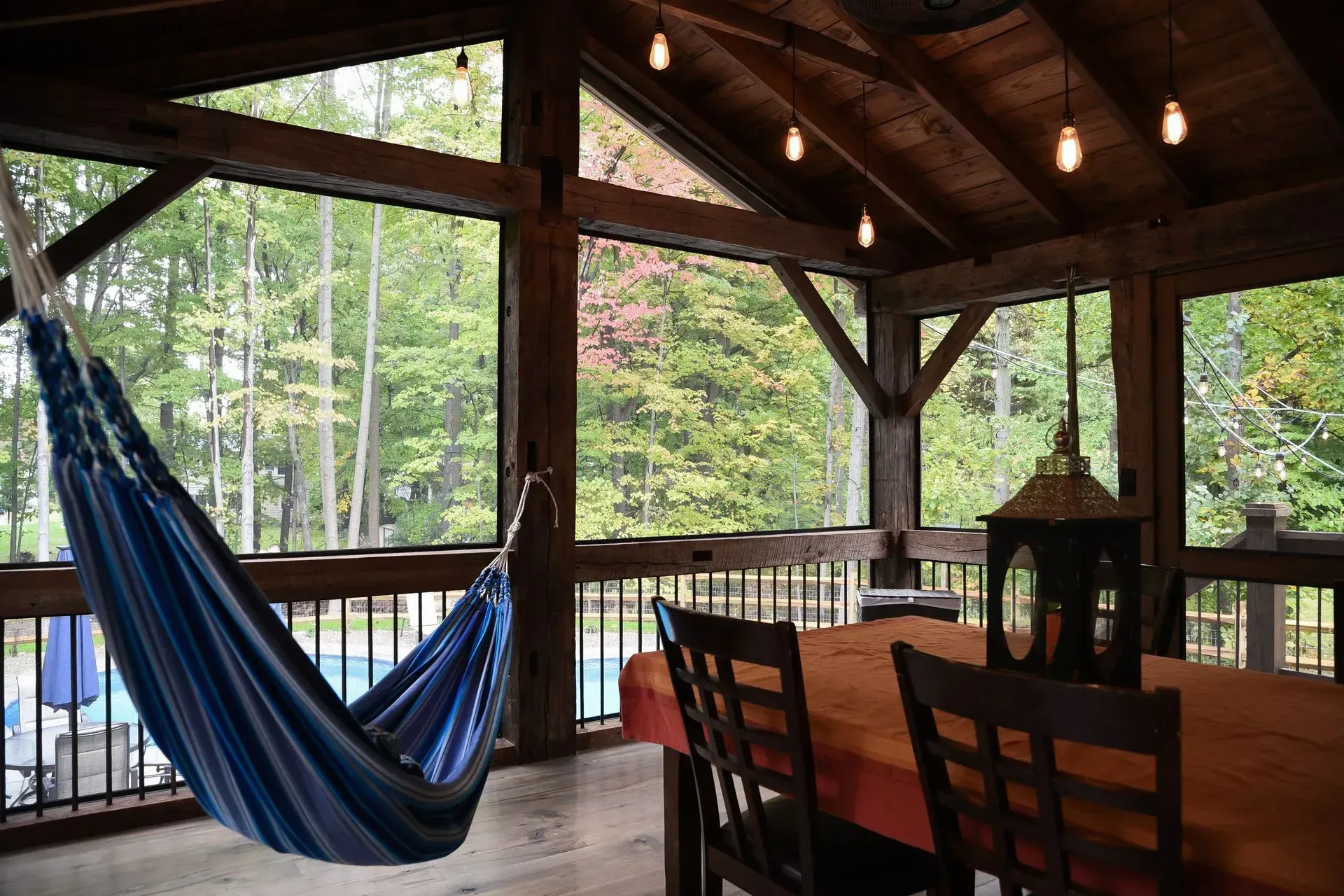
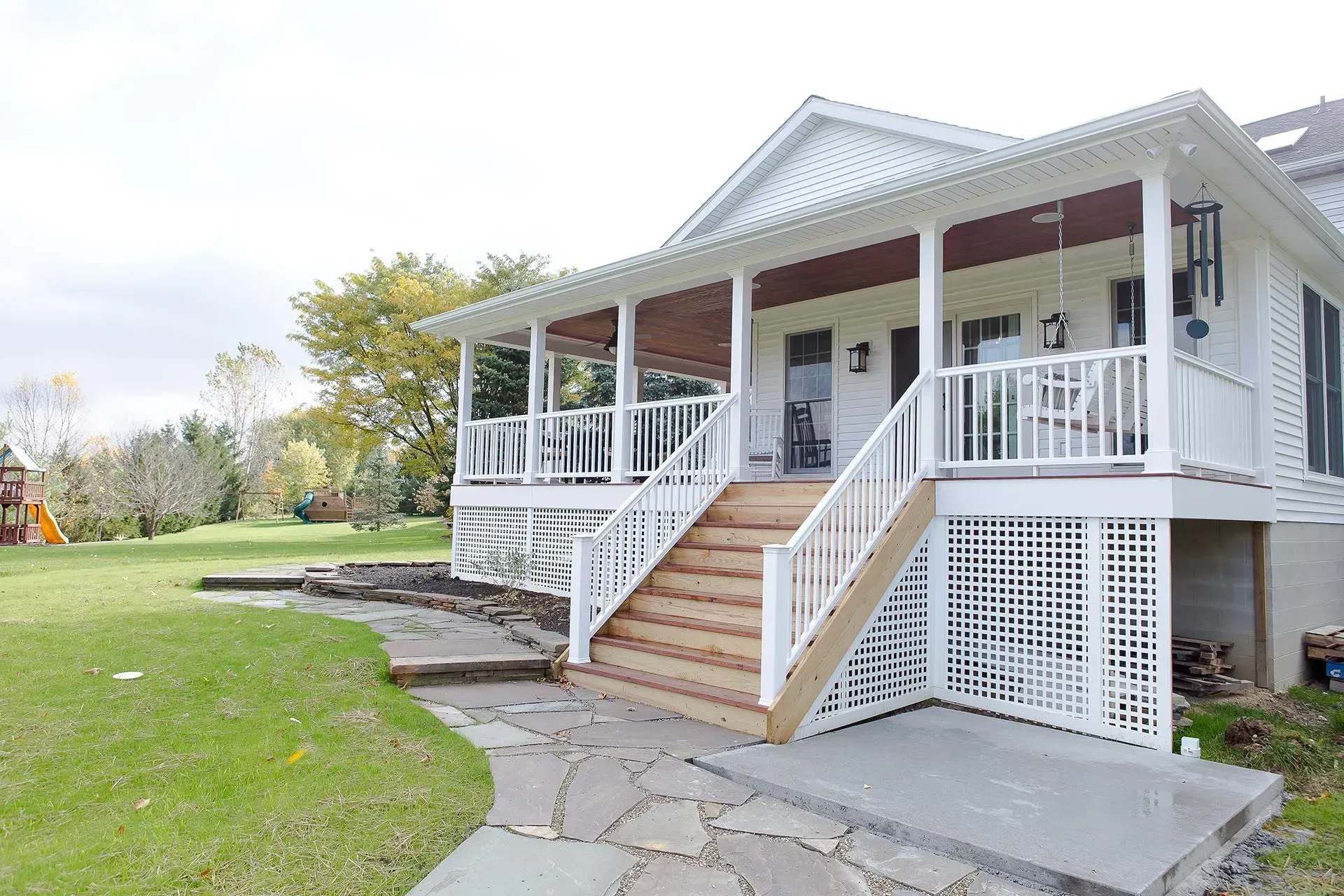
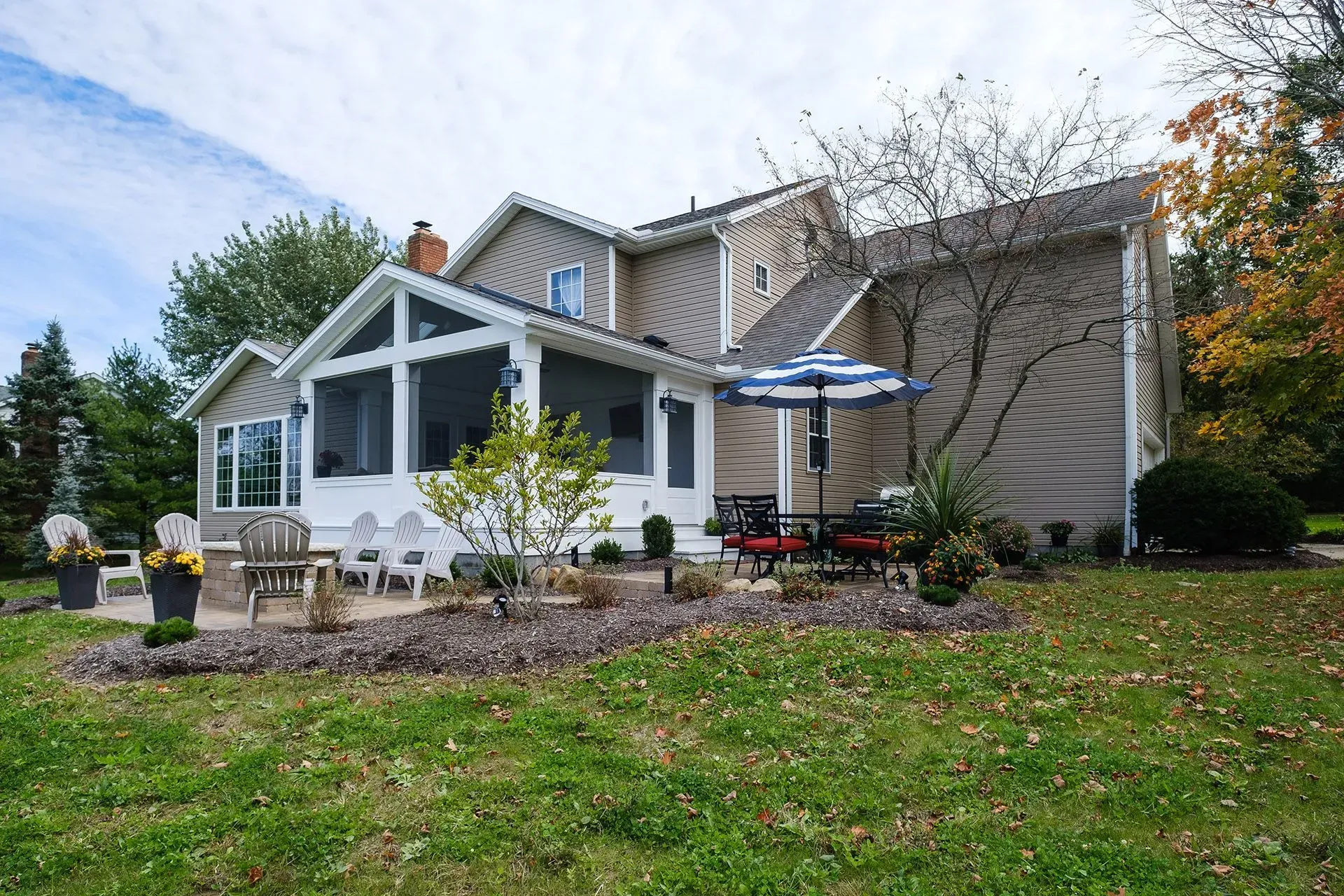
An attached covered patio connects directly to the home and can feel like an outdoor room. This option often works well when the patio is located off a main living area, such as a kitchen, dining room, or family room.
Because the structure ties into the home, patio roof design becomes especially important. Roof pitch, fascia, soffits, gutters, siding, windows, doors, trim, and drainage should all be reviewed together.
When designed well, an attached patio cover can feel like it was always part of the home.
When a Freestanding Covered Patio Works Well
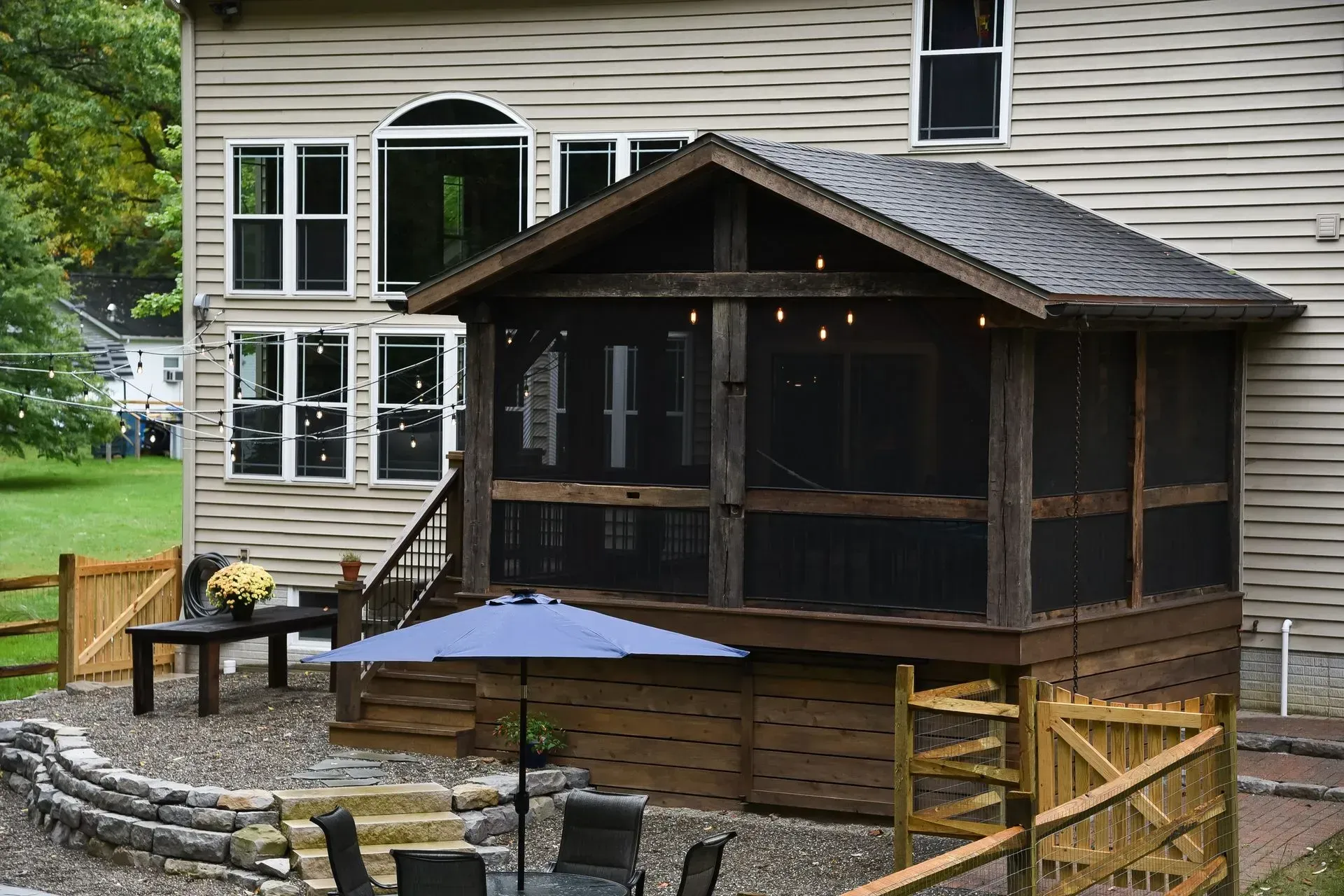
A freestanding covered patio can be placed away from the house, giving homeowners more flexibility with backyard layout. This option may work well near a pool, garden, fire feature, outdoor kitchen area, or seating zone with a better view.
Freestanding structures can also help preserve natural light near the home if an attached cover would darken nearby rooms. They may create a separate destination in the yard while still supporting outdoor living.
The key is making the structure feel intentional rather than isolated.
Compare Roofline Integration
Roofline integration is usually simpler in concept but more sensitive in execution with an attached covered patio. The new roof needs to connect to the existing home in a way that feels architectural, manages water properly, and respects the home’s proportions.
A freestanding covered patio does not tie into the main roofline in the same way, but its roof still needs to relate to the home visually. Pitch, materials, trim, columns, and finish details should feel connected to the exterior.
Both options require careful design, just in different ways.
Attached vs Freestanding Covered Patio Guide
| Planning Factor | Attached Covered Patio | Freestanding Covered Patio |
|---|---|---|
| Home connection | Strong direct connection to interior rooms | Creates a separate outdoor destination |
| Roofline planning | Must coordinate closely with existing roof | Should visually relate to the home |
| Placement | Usually near a rear door or main living area | More flexible within the yard |
| Natural light | May affect nearby interior light | Can preserve more light near the home |
| Drainage | Tied closely to roof runoff and gutters | Drainage planned around separate structure |
| Everyday use | Convenient for dining, grilling, and gathering | Good for retreat-style or destination spaces |
This table is useful because the right choice depends on both structure and lifestyle.
Think About Drainage Early
Drainage should be part of the decision from the beginning. With an attached covered patio, roof runoff, gutters, downspouts, grading, and existing drainage paths need to be coordinated with the house.
With a freestanding covered patio, water management is still important, but it is planned around a separate structure. Patio surfaces, surrounding grade, downspout placement, and nearby landscaping all affect performance.
A beautiful patio cover still needs to manage water thoughtfully.
Consider Access and Daily Movement
An attached patio often provides easier access from the home. This can be helpful for outdoor dining, grilling, entertaining, or carrying items between the kitchen and patio.
A freestanding patio may require a walkway or defined path. That path should feel natural, well lit, and connected to the overall backyard design. If the walk feels inconvenient, the space may be used less often.
The best layout supports everyday habits.
Coordinate Materials, Columns, and Lighting
Whether attached or freestanding, the covered patio should relate to the home’s exterior materials. Columns, beams, trim, ceiling materials, lighting, patio surfaces, and hardware should feel coordinated.
A freestanding structure can still feel connected when it borrows the right visual cues from the home. An attached structure can feel disconnected if proportions or materials are not handled carefully.
Details determine whether the result feels refined.
Visit Our Design Studio in Stow, Ohio
Our Stow, Ohio design studio gives homeowners a place to compare attached and freestanding patio concepts, roofline options, columns, exterior materials, lighting, ceiling finishes, and patio surfaces together. Seeing these selections in context helps clarify which covered patio structure fits the home best.
Client Feedback on Our Remodeling Process
Homeowners often share that early planning helps them feel more confident about structural outdoor living decisions. By reviewing placement, rooflines, drainage, access, materials, columns, lighting, and exterior continuity together, Anthony Slabaugh Remodeling & Design helps clients make decisions with clarity instead of pressure.
Frequently Asked Questions
Is an attached covered patio better than a freestanding patio?
Neither is automatically better. An attached covered patio often works well when the goal is direct access from the home. A freestanding covered patio may work better when the best location is farther into the yard.
What is a freestanding covered patio?
A freestanding covered patio is a separate outdoor structure that is not attached directly to the house. It can create a shaded destination in the backyard near seating, gardens, fire features, pools, or outdoor dining areas.
Does an attached patio cover affect the roofline?
Yes, an attached patio cover must be carefully coordinated with the existing roofline, fascia, soffits, gutters, siding, and trim. This helps the structure look integrated and supports proper water management.
How do I choose the right covered patio structure?
Start with the home’s architecture, yard layout, door access, sunlight, drainage, views, and intended use. A design-build planning process can help determine whether an attached or freestanding structure fits best.
Start With the Covered Patio Structure That Fits Your Home
A refined covered patio should support shade, comfort, roofline coordination, drainage, access, and architectural continuity. If you are ready to move from ideas into planning covered patio construction, schedule a consultation with Anthony Slabaugh Remodeling & Design or call (330) 940-3237.
Recent Posts
Share this article
CLIENT REVIEWS
Don’t Just Take Our Word For It
See below how our customers react on our ultimate pressure cleaning services