
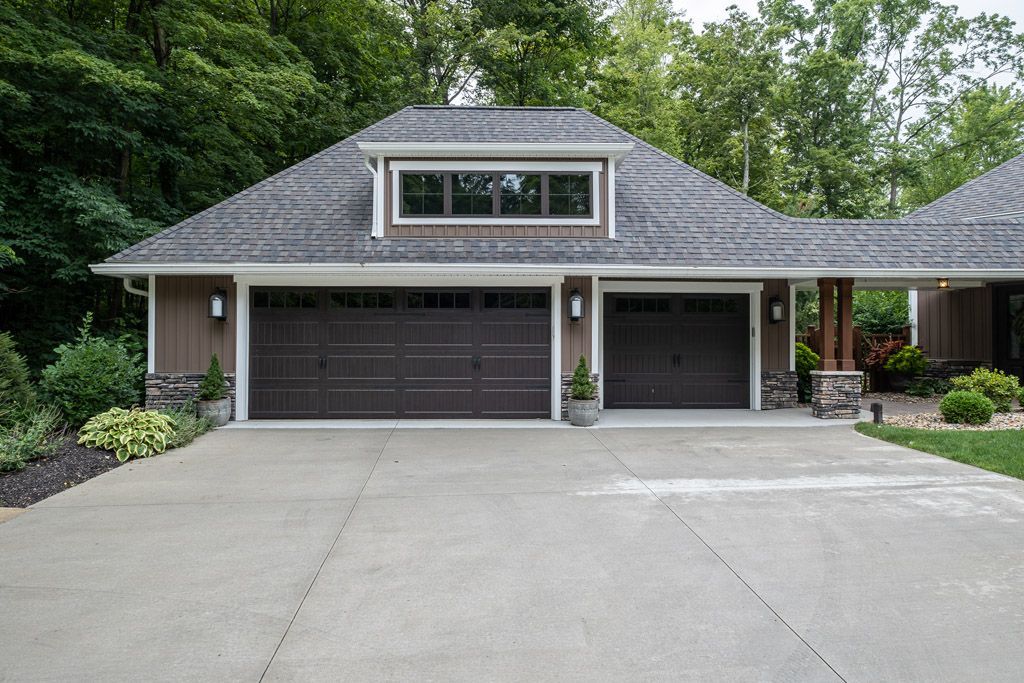
GARAGE ADDITIONS

Custom Garage Additions in Hudson, Akron & Surrounding Areas


A garage addition should do more than increase square footage. When thoughtfully planned, it improves organization, strengthens circulation, and enhances how the home functions as a whole.


Many homes were originally built with limited garage space or layouts that no longer reflect current needs. Vehicles are larger. Storage demands increase. Equipment and hobbies require dedicated areas. Without proper planning, these pressures often migrate into interior living spaces.


At Anthony Slabaugh Remodeling & Design, garage additions are approached as architectural extensions of the home. Through our coordinated design-build process, homeowners gain clarity in structural integration, layout planning, and long-term performance.

When a Garage Addition Makes Sense

A garage addition becomes appropriate when the existing structure no longer supports daily routines.


Some homeowners are adding a garage to an existing home that was built without one. Others are expanding a single-car garage to accommodate multiple vehicles or reorganizing space to improve access and storage.


In certain cases, the goal is to create a workshop or functional support space that reduces interior clutter. In others, it is about improving how the home connects to driveway access and exterior circulation.


The decision is rarely about parking alone. It is about restoring balance between storage, movement, and daily use.

Types of Garage Additions

Attached Garage Additions

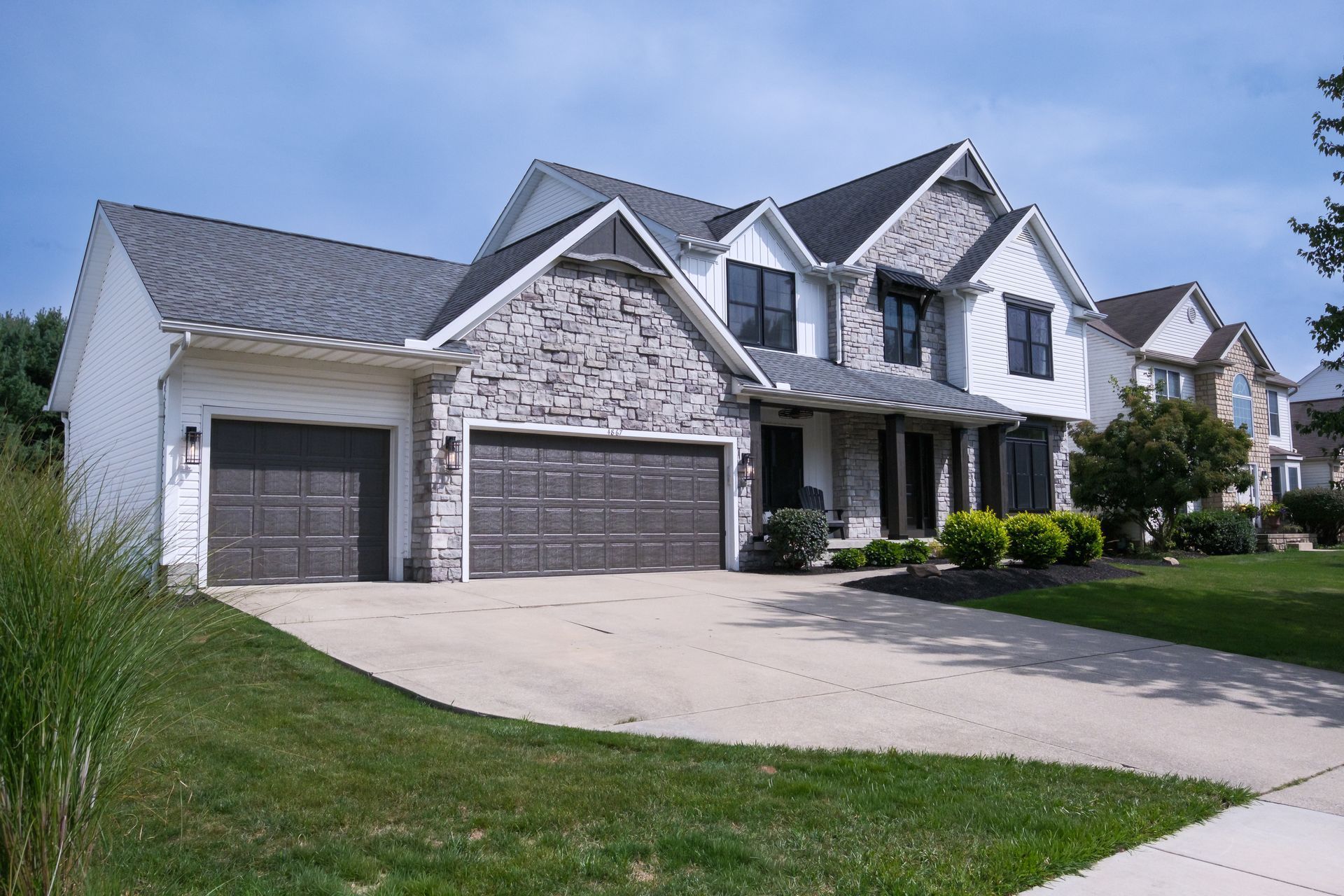
An attached garage provides direct interior access and supports convenience throughout the year. Planning must account for roofline alignment, structural tie-ins, and smooth transitions into mudrooms or interior corridors.


When integrated properly, the addition feels inherent to the original structure.

Detached Garage Additions

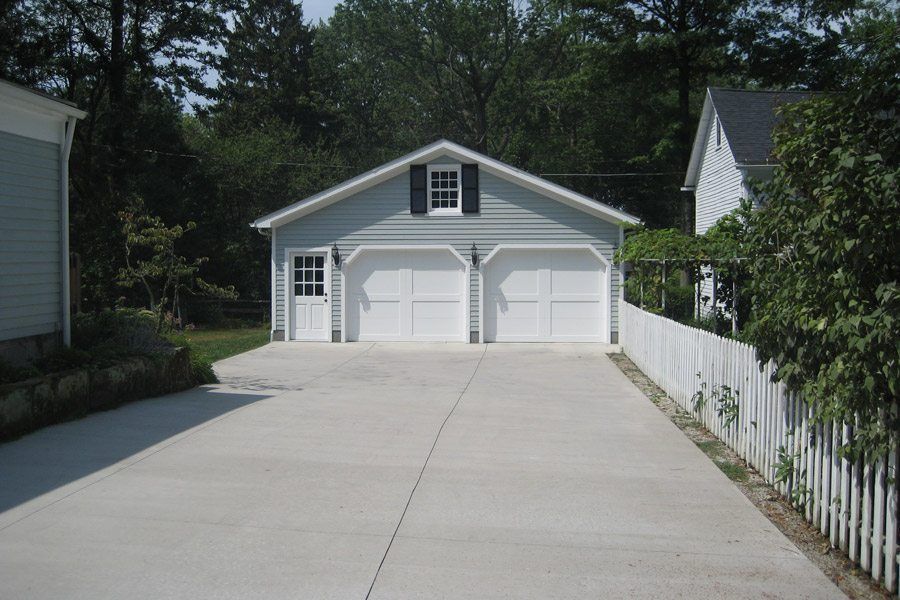
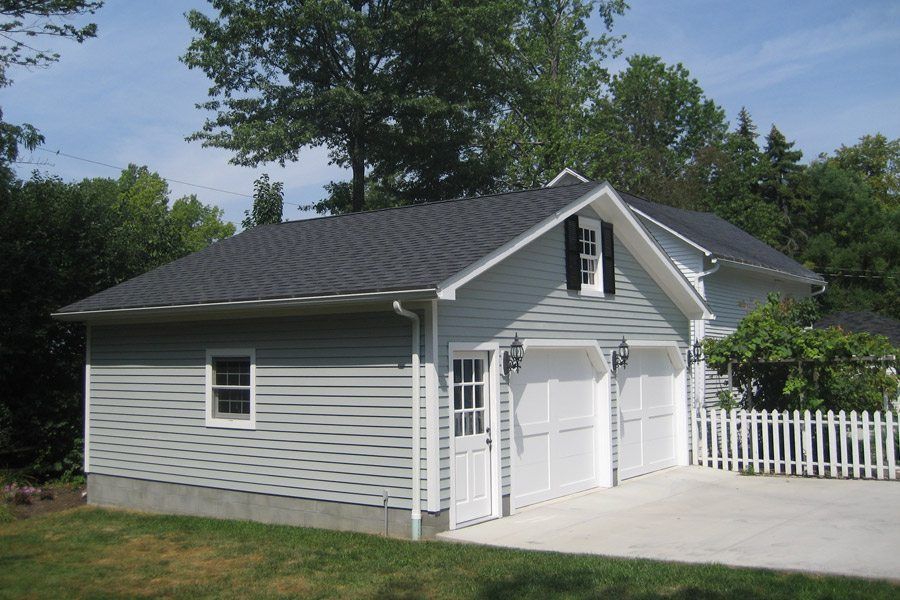
Detached garages offer flexibility in placement and may better suit certain site conditions or architectural goals. Even when separated from the primary residence, scale and proportion must remain consistent.


Exterior detailing, roof pitch, and material transitions should relate clearly to the home.

Garage Expansion or Reconfiguration

Some projects involve expanding or restructuring an existing garage footprint. This may include widening bays, adjusting ceiling height, or relocating entry points to improve flow.


Structural evaluation ensures new framing aligns correctly with existing load-bearing systems.

Architectural and Structural Integration

Garage additions influence foundation systems, framing loads, roof structure, and exterior massing. Early structural review prevents misalignment between new and existing construction.


Foundation design must account for soil conditions and long-term stability. Roofline coordination manages load distribution and water drainage. Framing connections must be evaluated to preserve structural integrity.


Architectural continuity is equally critical. Siding transitions, trim detailing, and window proportions must maintain the rhythm and scale of the original home.


A well-designed garage addition should feel cohesive from every perspective.

Our Design-Build Approach

Garage additions require coordination between architectural planning, structural feasibility, and construction sequencing.


When design and construction operate independently, misalignment can lead to reactive changes during construction. A unified design-build process allows structural evaluation, layout planning, and execution strategy to be developed together.


Anthony Slabaugh Remodeling & Design provides a single point of accountability throughout the project. From early feasibility planning through final construction, each phase is coordinated to protect clarity and consistency.


Homeowners exploring broader structural expansion may also consider our Room Additions services to understand how garage additions integrate into larger remodeling goals.

Design Considerations Before Construction

Several factors must be evaluated before construction begins.


Site conditions influence driveway alignment and placement. Zoning regulations and setback requirements affect the footprint. Interior circulation determines how the garage connects to daily living spaces.


Mechanical and electrical coordination is also reviewed early. Lighting distribution, ventilation, and potential future flexibility are planned alongside structural considerations.


Addressing these elements during the design phase reduces unnecessary revisions and supports a predictable construction process.

Storage and Functional Planning

Garages often serve multiple roles beyond vehicle storage. Tools, seasonal equipment, and recreational gear require organization to prevent overflow into living areas.


Rather than adding storage reactively, we integrate organization into the architectural plan. Circulation paths, wall systems, and overhead storage zones are designed intentionally.


When storage strategy is incorporated from the beginning, the garage strengthens functionality throughout the home.

Planning for Long-Term Flexibility

Garage additions are frequently designed with evolving needs in mind. Vehicle sizes may change. Storage demands may increase. Portions of the space may adapt over time.


Durable materials, adaptable layouts, and careful structural planning protect long-term usability without compromising architectural balance.


A garage addition should continue to perform well as household needs shift.

Garage Addition Planning Overview

Focus Area Planning Consideration Long-Term Benefit
Circulation Entry placement and interior access Efficient daily movement
Structural Integration Foundation and framing coordination Long-term stability
Architectural Continuity Roofline and exterior detailing alignment Cohesive appearance
Storage Strategy Integrated organization planning Reduced interior clutter
Site Planning Zoning and driveway evaluation Proper placement
Design-Build Process Unified coordination Clear communication

Serving Hudson, Akron & Surrounding Areas

Anthony Slabaugh Remodeling & Design works with homeowners throughout Hudson and Akron, as well as nearby communities including Bath, Fairlawn, Stow, Chagrin Falls, Richfield, and Aurora. Our coordinated design-build process allows us to manage garage additions across surrounding areas while maintaining consistent planning clarity and structural integration.


Each project begins with thoughtful evaluation to ensure the addition aligns with both the home’s architecture and the homeowner’s long-term goals.

Frequently Asked Questions About Garage Additions

  • Do garage additions require permits and structural review?

    Yes. Garage additions typically require permitting, zoning review, and structural evaluation to ensure compliance and long-term performance.

  • Can a garage addition include storage or workshop space?

    Yes. Many homeowners incorporate organized storage systems or dedicated workspace areas as part of the initial design plan.

  • Is an attached or detached garage better?

    The right configuration depends on site conditions, architectural objectives, and circulation preferences. Both require careful structural and visual integration.

  • How long does a garage addition take?

    Timeline varies based on scope, structural complexity, and site conditions. Thorough planning during the design phase supports a more predictable construction schedule.

  • Does Anthony Slabaugh Remodeling & Design manage the entire project?

    Yes. Garage additions are planned and executed through our coordinated design-build process from concept through completion.

Begin Planning Your Garage Addition

A garage addition should strengthen how your home functions while maintaining architectural continuity.


Anthony Slabaugh Remodeling & Design works with homeowners in Hudson, Akron, and surrounding areas to create structurally sound, well-coordinated garage additions grounded in thoughtful planning.


Schedule a consultation to begin planning a garage addition designed with clarity, proportion, and long-term performance in mind.

CLIENT REVIEWS


 Garage Additions Planning Resources

In-Law Suite Addition Timeline: What to Expect From Start to Finish
By Anthony Slabaugh January 29, 2026
Learn the typical in-law suite addition timeline, from planning and design through construction, and what factors influence each phase.
How Much Does an In-Law Suite Addition Cost?
By Anthony Slabaugh January 29, 2026
Learn what affects in-law suite addition cost, from layout and structure to accessibility and planning, with guidance from Anthony Slabaugh Remodeling & Design.
Is an In-Law Suite Addition Right for Your Home?
By Anthony Slabaugh January 29, 2026
Learn key planning factors to decide if an in-law suite addition is right for your home, including layout, privacy, and long-term living considerations.
Attached vs Detached In-Law Suite Additions
By Anthony Slabaugh January 29, 2026
Compare attached and detached in-law suite additions and learn which option best fits your home, lifestyle, and long-term living goals.
In-Law Suite Floor Plan Ideas That Balance Privacy and Comfort
By Anthony Slabaugh January 29, 2026
Explore in-law suite floor plan ideas that balance privacy, comfort, and long-term living with thoughtful layout planning from Anthony Slabaugh Remodeling & Design.