

How Cabinet Depth and Door Style Influence Movement in Compact Kitchens

Conflicting plans are not inevitable in remodeling. They result from fragmented structure. 


Anthony Slabaugh Remodeling & Design provides design-build home renovation services for homeowners in Hudson, Akron & surrounding areas who value architectural alignment and disciplined execution. 


If you are planning a renovation and want drawings that translate directly into construction without conflict, begin with a unified design-build model designed to eliminate misalignment before it begins.

Small kitchens are often evaluated based on layout and storage, but one of the most overlooked factors is how cabinetry affects movement. Cabinet depth and door style directly influence how easily the space can be used on a daily basis.


Even when the layout is technically efficient, poor cabinet sizing or door choices can create subtle friction. Walkways feel tighter, access becomes restricted, and the kitchen becomes less comfortable to navigate.


At Anthony Slabaugh Remodeling & Design, we design kitchens in Hudson, Akron and surrounding areas where cabinetry is treated as part of the movement system. Every dimension and detail is considered in relation to how the space will function.


Movement defines usability.

Why Cabinet Depth Matters More Than Expected

Cabinet depth is typically standardized, but small kitchens often benefit from more precise adjustments. Even slight changes can improve how the space feels and functions.


Standard base cabinets may extend into circulation paths more than necessary in compact layouts. Reducing depth in select areas can create more usable clearance without sacrificing storage.


In homes throughout Bath, Fairlawn, and Chagrin Falls, these adjustments often allow the kitchen to feel more open without changing the footprint.


Depth influences how space is experienced.

The Relationship Between Depth and Circulation

Circulation is one of the most important elements in small kitchen design. When cabinet depth is too aggressive, it reduces walkway space and creates congestion.


Even a small reduction in depth can:


  • Improve comfort when moving through the space 
  • Allow better access to adjacent work areas 
  • Reduce the feeling of tightness in high-use zones


At Anthony Slabaugh Remodeling & Design, we evaluate cabinet depth in relation to the full layout to ensure that movement remains fluid.


Space should support movement, not restrict it.

Upper Cabinet Depth and Visual Balance

Upper cabinets also influence how a kitchen feels. Deep upper cabinets can create a sense of enclosure, especially in smaller kitchens.


Reducing upper cabinet depth slightly or adjusting placement can open up sightlines and reduce visual weight. This makes the space feel less compressed while still maintaining storage capacity.


In homes throughout Hudson and Aurora, these refinements often improve both function and perception at the same time.


Balance improves both usability and comfort.

Door Style and Clearance

Cabinet doors play a significant role in how easily the kitchen can be used. Door swing, thickness, and style all affect how much space is required for access.


In compact kitchens, traditional hinged doors can extend into walkways and interfere with movement. This becomes more noticeable when multiple doors are open at once.


Alternative approaches, such as carefully planned door placement or different opening styles, can reduce these conflicts and improve usability.


Access should feel effortless.

Door Swing and Workflow Interference

Door swing is often overlooked during planning, but it directly affects how the kitchen operates. When doors open into active areas, they interrupt workflow and create obstacles.


In smaller kitchens, this can impact:


  • Movement between work zones 
  • Access to appliances 
  • Overall comfort during daily use


At Anthony Slabaugh Remodeling & Design, we plan door movement as part of the layout, ensuring that cabinetry supports rather than disrupts workflow.


Design should anticipate movement.

Aligning Cabinetry With Ergonomics

Cabinet depth and door style must align with how the kitchen is used. Ergonomics plays a key role in ensuring that the space is comfortable and efficient.


This includes:


  • Positioning storage within easy reach 
  • Reducing unnecessary bending or stretching 
  • Ensuring doors open without obstruction


When cabinetry is designed with ergonomics in mind, the kitchen feels more intuitive and less demanding to use.


Comfort is a result of thoughtful design.

Maintaining Proportion in Compact Layouts

Adjusting cabinet depth must be balanced with overall proportion. Cabinets that are too shallow may feel disconnected, while those that are too deep can dominate the space.


The goal is to create a consistent relationship between cabinetry, appliances, and circulation space. When proportion is correct, the kitchen feels stable and well organized.


In smaller kitchens throughout Pepper Pike and Hunting Valley, this balance is essential to achieving both function and refinement.


Proportion supports performance.

Avoiding Visual and Physical Congestion

Compact kitchens can quickly feel crowded if cabinetry is not carefully planned. Depth, door style, and placement all contribute to this effect.


Reducing unnecessary bulk, maintaining clean lines, and aligning elements properly can improve both visual clarity and physical movement.


At Anthony Slabaugh Remodeling & Design, we focus on reducing friction within the space so the kitchen feels open and easy to use.


Clarity improves experience.

The Role of Design-Build Planning

Cabinet decisions must be made early and coordinated with the entire layout. Depth, door style, and placement all affect how the kitchen functions once installed.


Our design-build approach ensures:


  • Cabinetry is tailored to the specific layout 
  • Door movement is planned alongside circulation 
  • Depth adjustments are integrated into the design 
  • The final result reflects both function and refinement


Planning ensures that cabinetry enhances movement rather than limiting it.

Small Kitchen Remodel Planning Resources

Frequently Asked Questions    

  • How does cabinet depth affect small kitchen layouts?

    Cabinet depth directly impacts how much space is available for movement. Deeper cabinets can reduce walkway width and create congestion. Adjusting depth, even slightly, can improve circulation and make the kitchen feel more open and comfortable.

  • Are shallower cabinets a good option for small kitchens?

    Shallower cabinets can be effective in certain areas where space is limited. They help improve movement and reduce visual bulk. However, they must be balanced with storage needs to ensure the kitchen remains functional.

  • How do cabinet doors impact movement?

    Cabinet doors affect how much space is required for access. Doors that swing into walkways can create obstacles and disrupt workflow. Proper planning ensures doors open without interfering with movement or daily use.

  • What cabinet styles work best in compact kitchens?

    Cabinet styles that minimize obstruction and align with the layout tend to work best. Clean lines, thoughtful placement, and controlled depth all contribute to a more efficient space. The goal is to support both access and movement.

  • When should cabinet details be finalized in a remodel?

    Cabinet details should be finalized early in the design phase. This allows depth, door style, and placement to be coordinated with the full layout. Early planning prevents conflicts and ensures a more efficient and cohesive result.

Visit Our Design Studio in Stow, Ohio

Understanding how cabinet depth and door style affect movement is easier when you can see layouts in context. At Anthony Slabaugh Remodeling & Design, our Stow, Ohio design studio allows homeowners from Hudson, Akron and surrounding areas to explore cabinetry options and layout strategies.


We help clients create kitchens that feel efficient and comfortable.


Clarity leads to better decisions.

Start With a Clear Plan

Small kitchens require precise decisions at every level. Schedule a consultation with Anthony Slabaugh Remodeling & Design or call (330) 940-3237 to design a kitchen where cabinetry, movement, and layout work together seamlessly.

Recent Posts

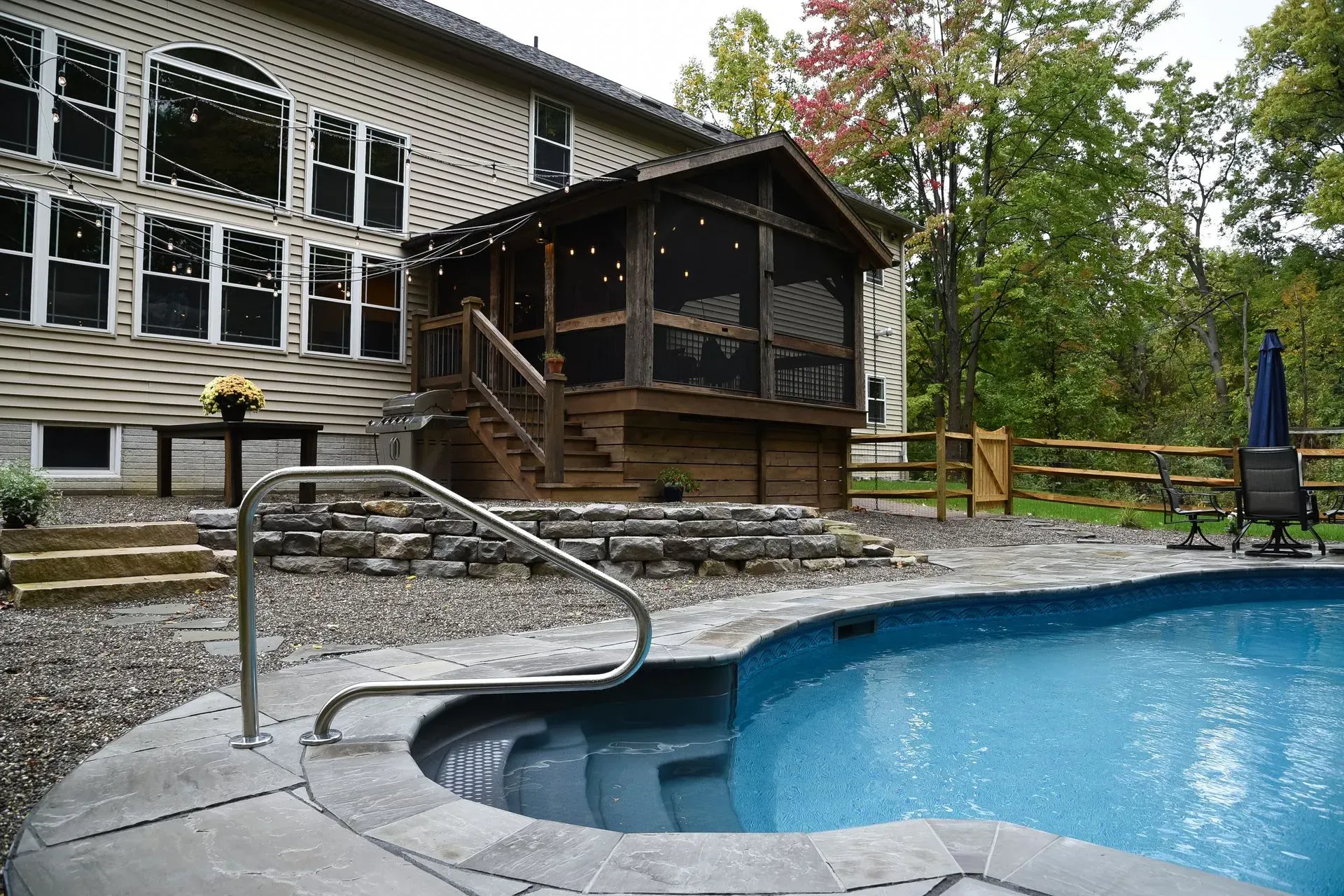
Front Porch Remodeling Ideas for Curb Appeal | ASRD
By Anthony Slabaugh Remodeling & Design July 9, 2026
Explore front porch remodeling ideas for curb appeal, entry presence, steps, railings, columns, lighting, and exterior design.
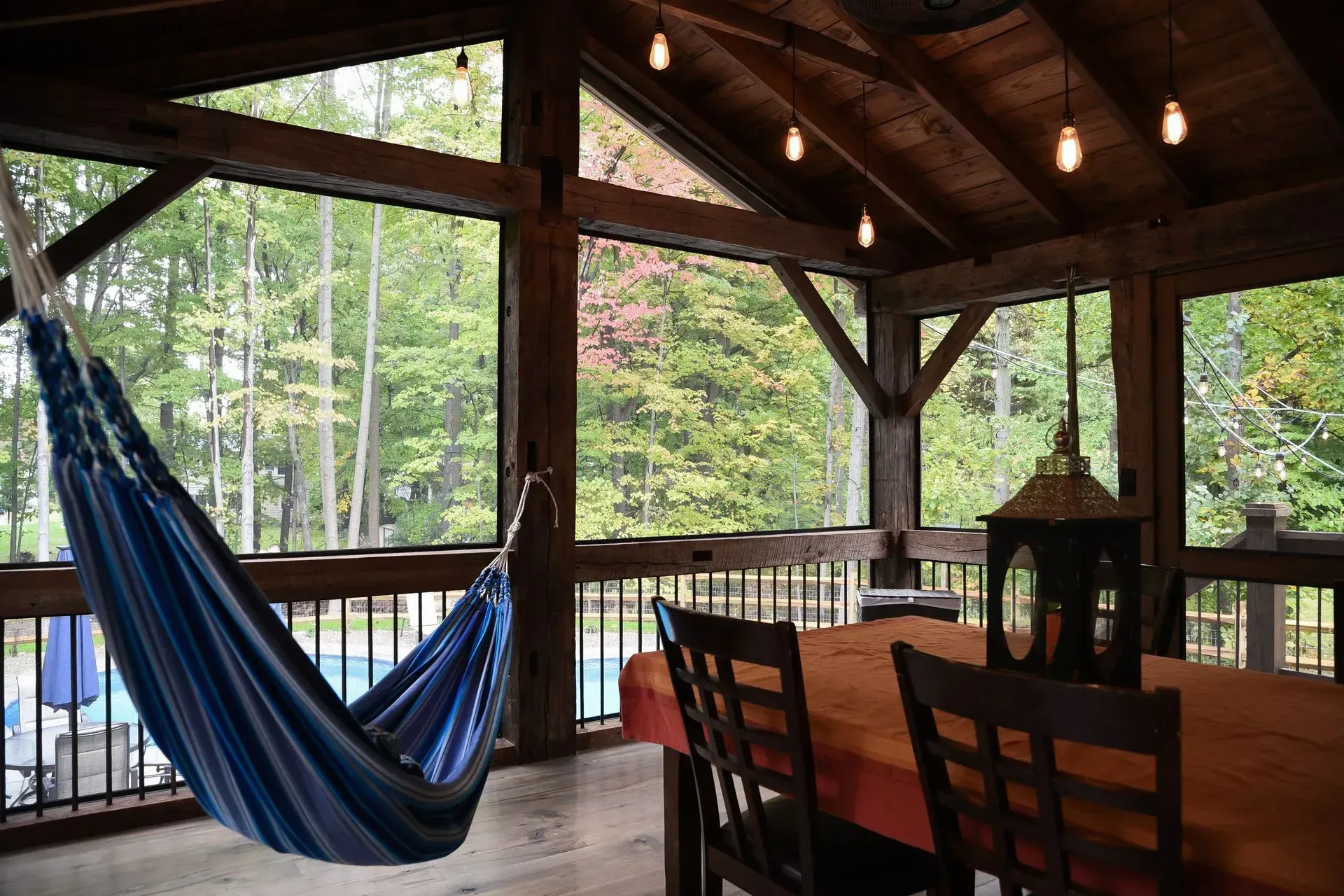
Porch Railing Ideas, Columns and Step Design | ASRD
By Anthony Slabaugh Remodeling & Design July 9, 2026
Explore porch railing ideas, porch column ideas, step design, safety, scale, architectural style, and exterior continuity.
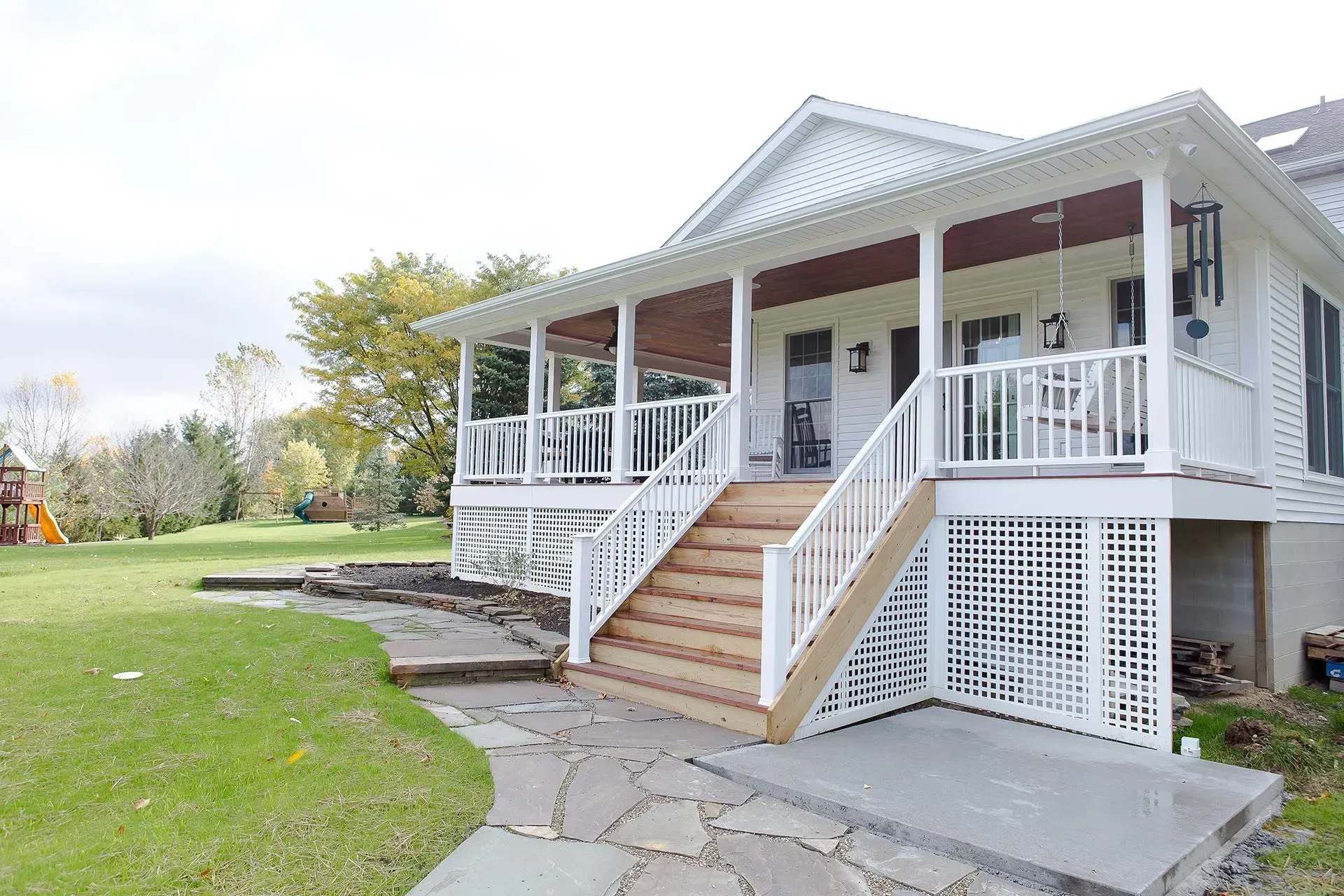
Signs Your Porch Needs Remodeling | ASRD
By Anthony Slabaugh Remodeling & Design July 9, 2026
Learn signs your porch may need remodeling, including worn flooring, loose railings, damaged steps, moisture issues, and outdated details.
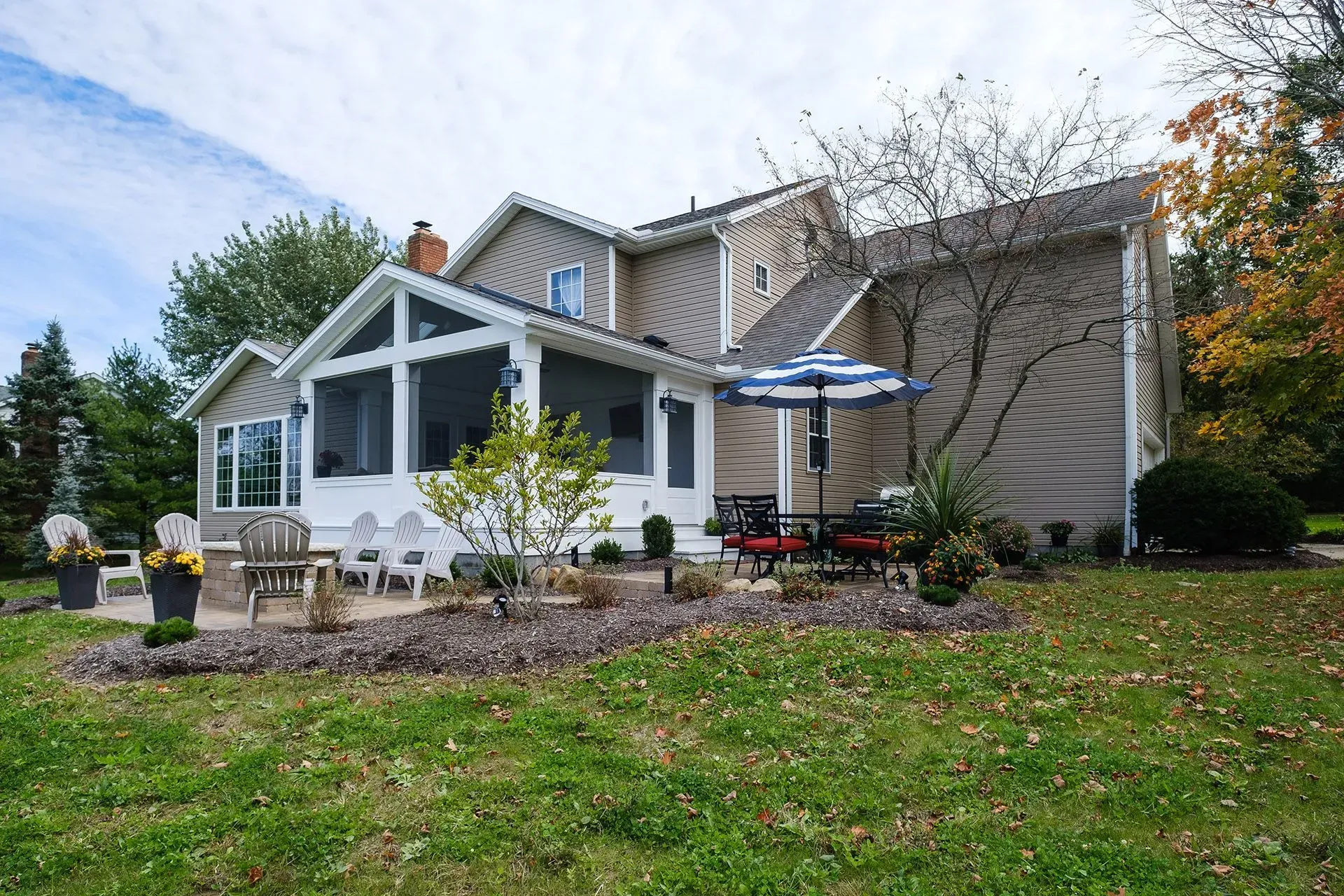
Side Porch Ideas for Better Outdoor Access | ASRD
By Anthony Slabaugh Remodeling & Design July 9, 2026
Explore side porch ideas and rear porch remodel updates for steps, outdoor access, driveway flow, yard access, and daily function.
Front Porch Remodeling Ideas for Curb Appeal | ASRD
By Anthony Slabaugh Remodeling & Design July 9, 2026
Explore front porch remodeling ideas for curb appeal, entry presence, steps, railings, columns, lighting, and exterior design.
Porch Railing Ideas, Columns and Step Design | ASRD
By Anthony Slabaugh Remodeling & Design July 9, 2026
Explore porch railing ideas, porch column ideas, step design, safety, scale, architectural style, and exterior continuity.
Signs Your Porch Needs Remodeling | ASRD
By Anthony Slabaugh Remodeling & Design July 9, 2026
Learn signs your porch may need remodeling, including worn flooring, loose railings, damaged steps, moisture issues, and outdated details.

Share this article

CLIENT REVIEWS

Don’t Just Take Our Word For It

See below how our customers react on our ultimate pressure cleaning services