
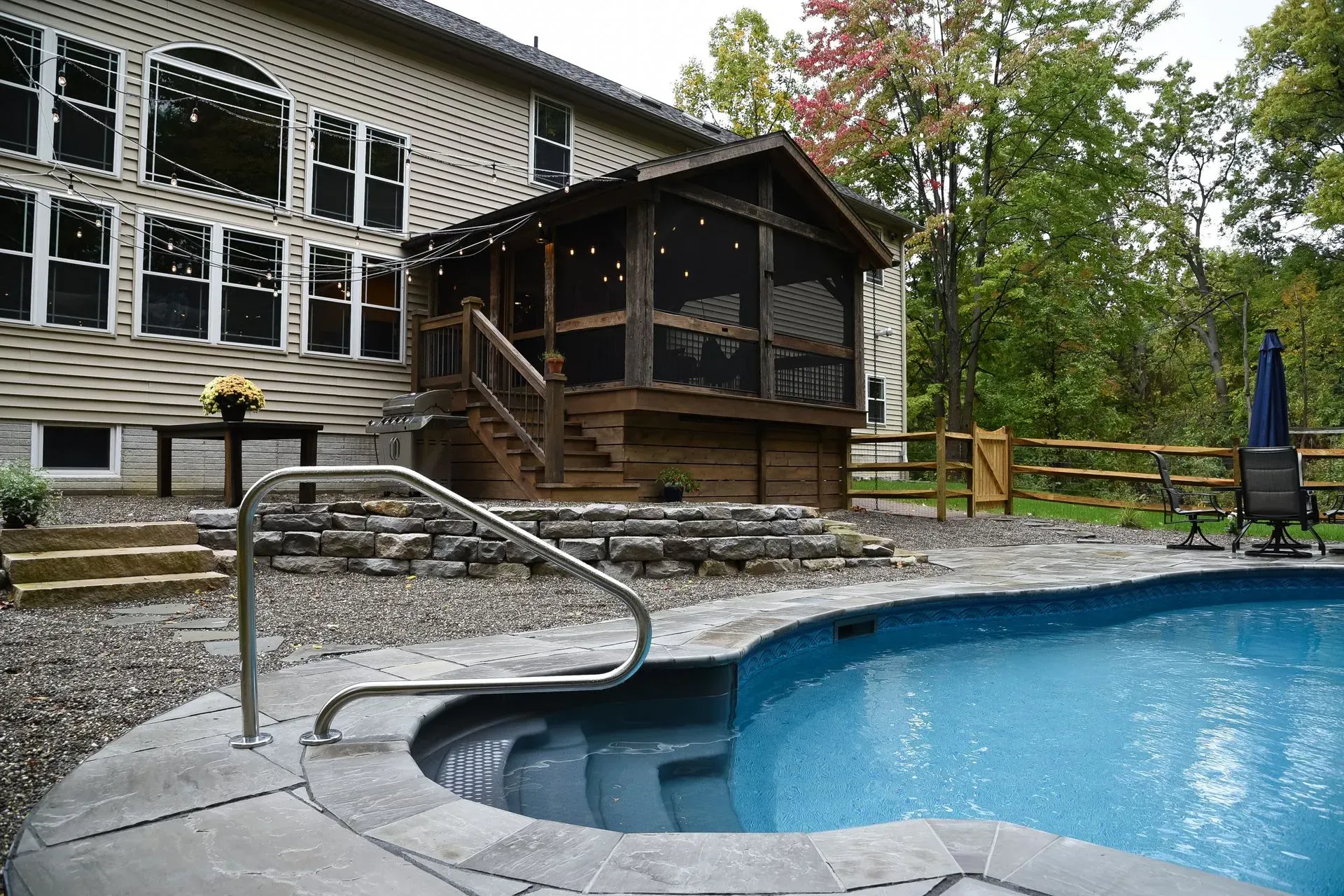
How to Choose Exterior Materials That Match Your Home’s Architecture
Conflicting plans are not inevitable in remodeling. They result from fragmented structure.
Anthony Slabaugh Remodeling & Design provides design-build home renovation services for homeowners in Hudson, Akron & surrounding areas who value architectural alignment and disciplined execution.
Exterior material selection has a major effect on how a home looks, feels, and ages visually. Siding, trim, stone, brick, doors, windows, porch materials, and exterior finishes should all support the home’s architecture instead of competing with it.
When materials are selected one at a time, the exterior can start to feel uneven. A siding choice may not relate to the trim. A stone accent may feel too heavy. A front door may look updated but disconnected from the rest of the facade. The best exterior renovations begin with material coordination.
At
Anthony Slabaugh Remodeling & Design, we help homeowners in Hudson, Akron and surrounding areas choose exterior home materials through a design-build process that considers architecture, proportion, color, texture, and long-term curb appeal.
Start With the Style of the Home
Every home has architectural cues that should guide exterior finishes. Roof pitch, window spacing, porch structure, siding patterns, trim scale, and massing all help determine which materials feel natural.
A traditional home may need different siding trim materials than a more transitional or modern exterior. A home with strong rooflines may call for restrained finishes, while a simpler facade may benefit from carefully placed texture or depth.
For homeowners throughout Bath, Fairlawn, and Chagrin Falls, respecting the home’s existing architecture helps updates feel timeless rather than forced.
Coordinate Siding, Trim, and Accent Materials
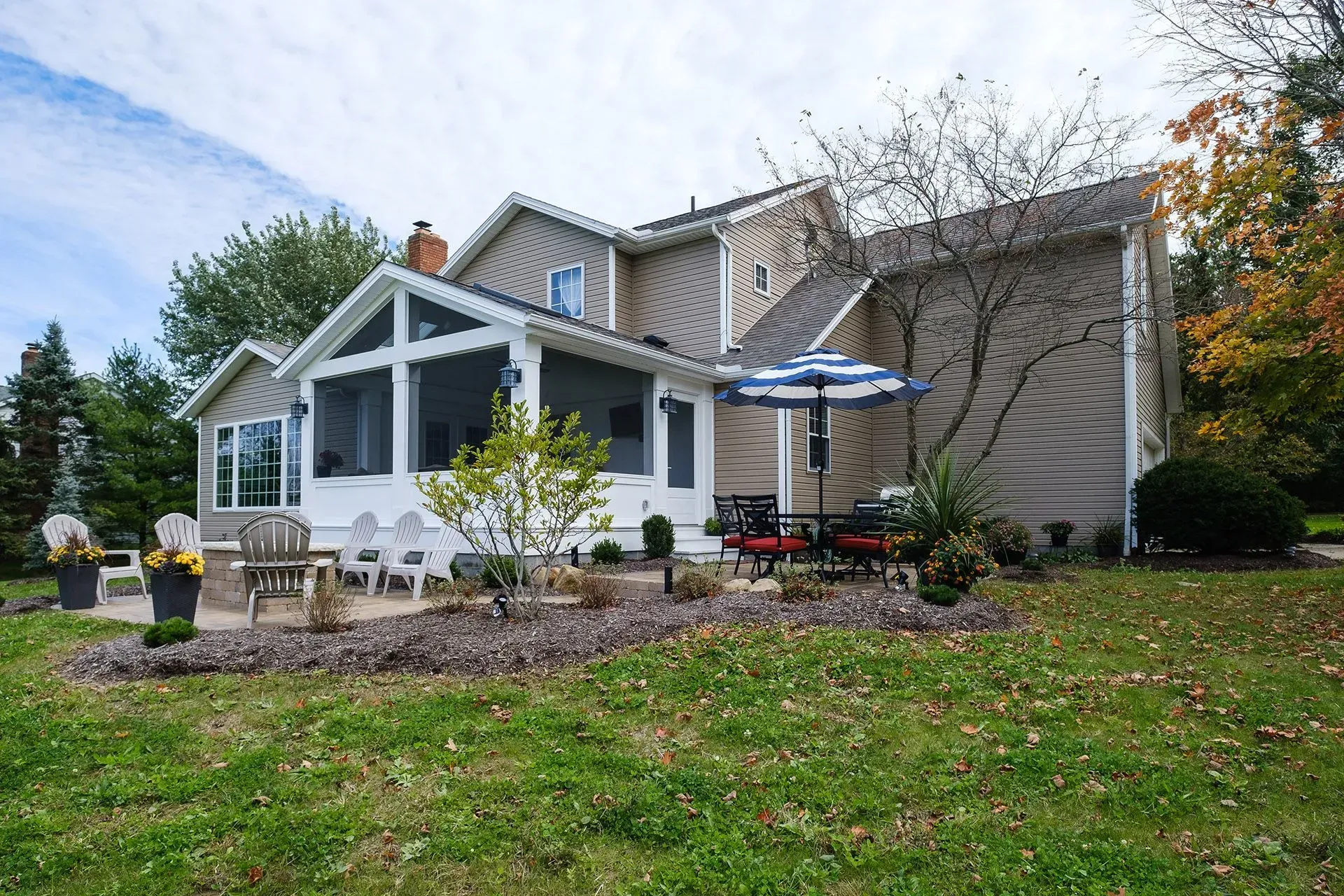
Siding is often the largest exterior material, but it should not be selected alone. Trim, window surrounds, porch details, columns, stone, brick, shutters, and doors all affect the final look.
A strong exterior finish plan considers how materials meet, where transitions happen, and which details should be emphasized. Too many competing materials can make the home feel busy. Too few details can make it feel flat.
At Anthony Slabaugh Remodeling & Design, material selections are reviewed together so the exterior feels intentional from every angle.
Think About Scale and Proportion
The same material can look very different depending on scale. Wide trim, narrow trim, vertical siding, horizontal siding, stone height, porch column size, and window casing depth all influence proportion.
Exterior materials should fit the size and shape of the home. Oversized accents can make a facade feel heavy. Undersized trim can make windows and doors feel unfinished.
Architectural exterior design depends on balance. Materials should enhance the home’s structure, not distract from it.
Avoid Trend-Driven Material Choices
Trends can be useful for inspiration, but exterior materials should be selected for long-term fit. A finish that looks current today may feel out of place if it does not relate to the home’s architecture.
A more refined approach uses materials that support the home’s style, neighborhood context, roof color, window proportions, and exterior details. This creates curb appeal that feels fresh without feeling temporary.
A timeless exterior is usually the result of restraint and coordination.
Exterior Material Selection Guide
| Material Area | What to Consider |
|---|---|
| Siding | Profile, color, direction, texture, and architectural fit |
| Trim | Scale, depth, window surrounds, corners, and fascia details |
| Stone or brick | Placement, proportion, color blend, and transition points |
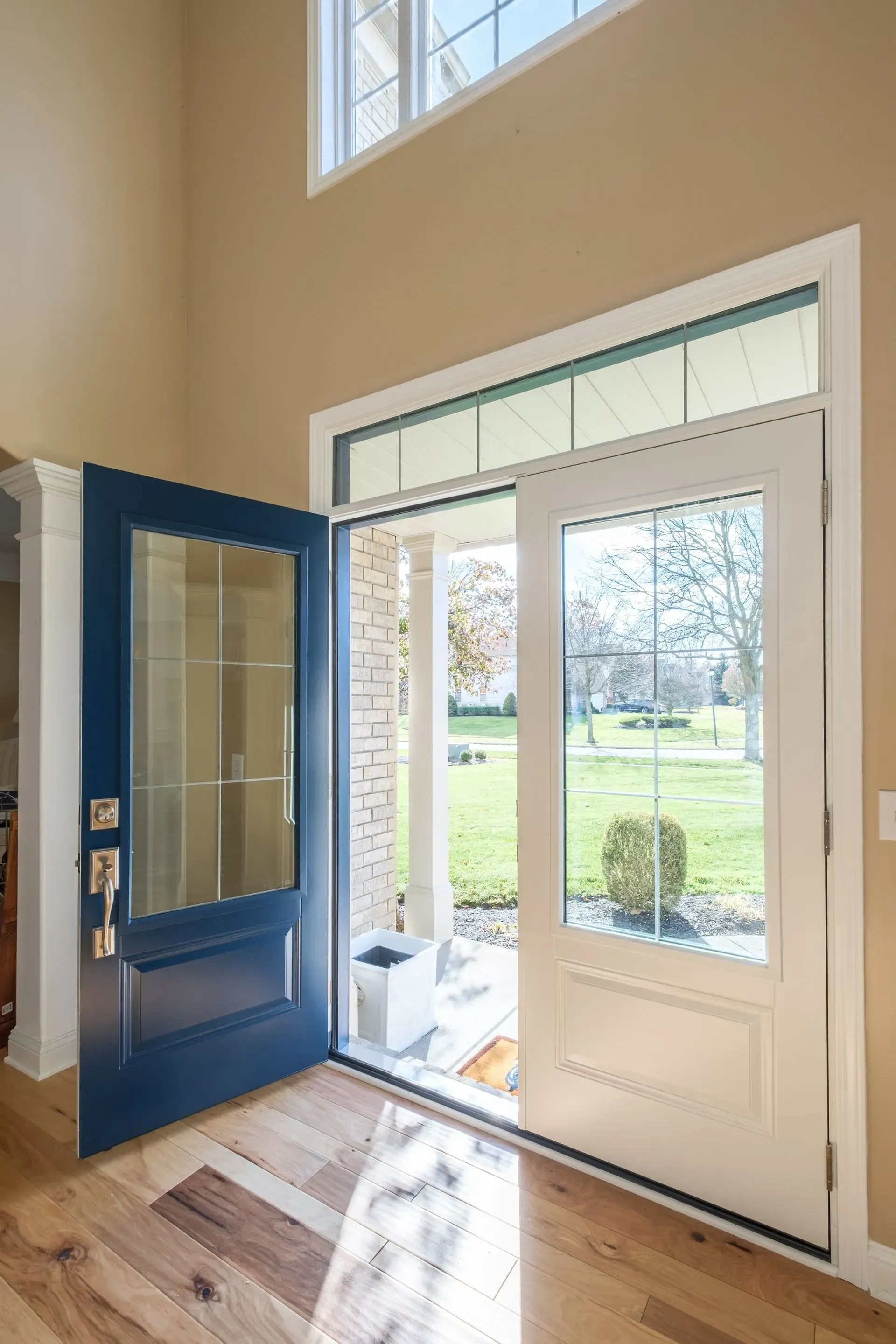
| Front door | Style, color, glass, hardware, and relationship to trim |
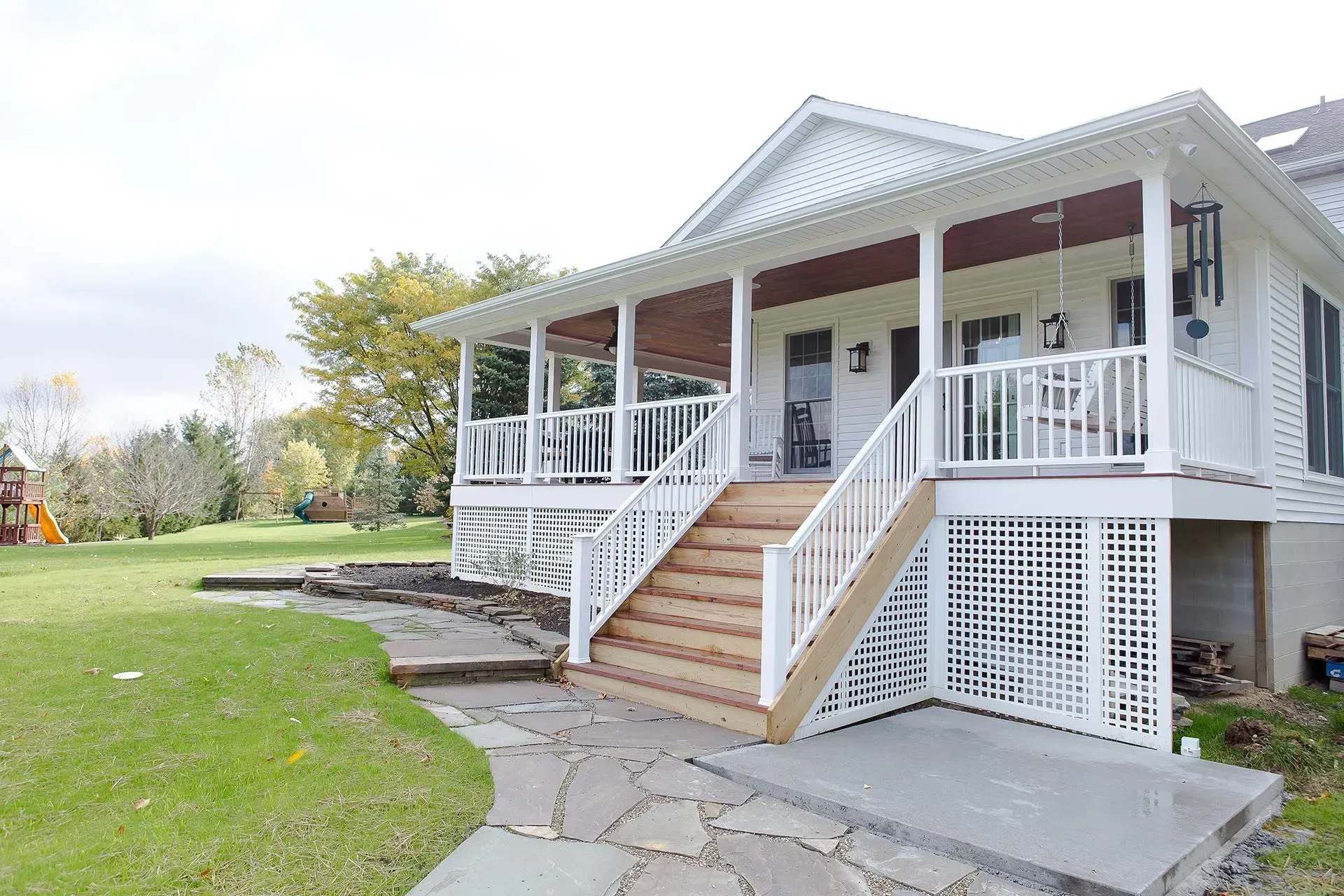
| Porch details | Columns, railings, steps, lighting, and material continuity |
| Exterior lighting | Finish, placement, scale, and overall curb appeal |
This table is useful because exterior materials work best when they are selected as one coordinated system.
Use Accent Materials With Purpose
Accent materials can add depth and character, but they should be used carefully. Stone, brick, metal, wood tones, or contrasting siding should have a clear purpose in the design.
An accent may frame the entry, ground the base of the home, highlight a porch, or add warmth to a specific architectural feature. It should not feel randomly applied.
Well-placed accents make the exterior feel richer without making it feel pieced together.
Consider Color, Texture, and Finish Together
Color is only one part of exterior material selection. Texture, sheen, shadow lines, and contrast also affect how materials appear in natural light.
A siding color may look different next to stone, trim, roofing, landscaping, or concrete. A dark trim color may sharpen the facade, while a softer contrast may feel more classic. Material samples should be considered together, not separately.
The best exterior palettes feel balanced from the street and up close.
Plan Transitions Carefully
Material transitions can make or break an exterior renovation. Where siding meets stone, trim meets siding, porch materials meet steps, or new finishes meet existing conditions, the details should feel intentional.
Poor transitions make a renovation look unfinished. Clean transitions help the home feel architecturally resolved.
This is where design-build planning provides real value, because material choices and construction details are coordinated before work begins.
Visit Our Design Studio in Stow, Ohio
Our Stow, Ohio design studio gives homeowners a place to compare siding, trim, colors, door styles, lighting, hardware, and exterior finish selections together. Seeing these materials in context helps clarify which combinations best support the home’s architecture.
Client Feedback on Our Remodeling Process
Homeowners often share that early planning helps them feel more confident about exterior material decisions. By reviewing architecture, siding, trim, color, texture, accents, transitions, and finish coordination together, Anthony Slabaugh Remodeling & Design helps clients make decisions with clarity instead of pressure.
Frequently Asked Questions
How do I choose exterior materials for my home?
Start with the home’s architecture, roofline, window proportions, trim details, and existing materials. Siding, trim, stone, doors, and lighting should be selected together so the exterior feels cohesive instead of updated in separate pieces.
Should exterior materials match the home’s original style?
They do not need to copy the original style exactly, but they should respect the home’s proportions and architectural language. The best updates feel fresh while still looking like they belong on the house.
How many exterior materials should a home have?
Most homes look best with a restrained material palette. Siding, trim, roofing, accents, doors, and lighting should work together without competing. Too many finishes can make the exterior feel busy or disconnected.
Why do material transitions matter in exterior renovation?
Material transitions affect how finished the exterior looks. Clean transitions between siding, trim, stone, doors, and porch details help the renovation feel intentional, while awkward transitions can make updates look pieced together.
Start With Materials That Fit the Home
A refined exterior renovation should use materials that support the home’s architecture, proportion, color, and long-term curb appeal. Schedule a consultation with Anthony Slabaugh Remodeling & Design or call (330) 940-3237 to plan your exterior home renovation with confidence.