

Covered Patio Roofline Design: How to Avoid an Added-On Look

Conflicting plans are not inevitable in remodeling. They result from fragmented structure. 


Anthony Slabaugh Remodeling & Design provides design-build home renovation services for homeowners in Hudson, Akron & surrounding areas who value architectural alignment and disciplined execution. 


If you are planning a renovation and want drawings that translate directly into construction without conflict, begin with a unified design-build model designed to eliminate misalignment before it begins.

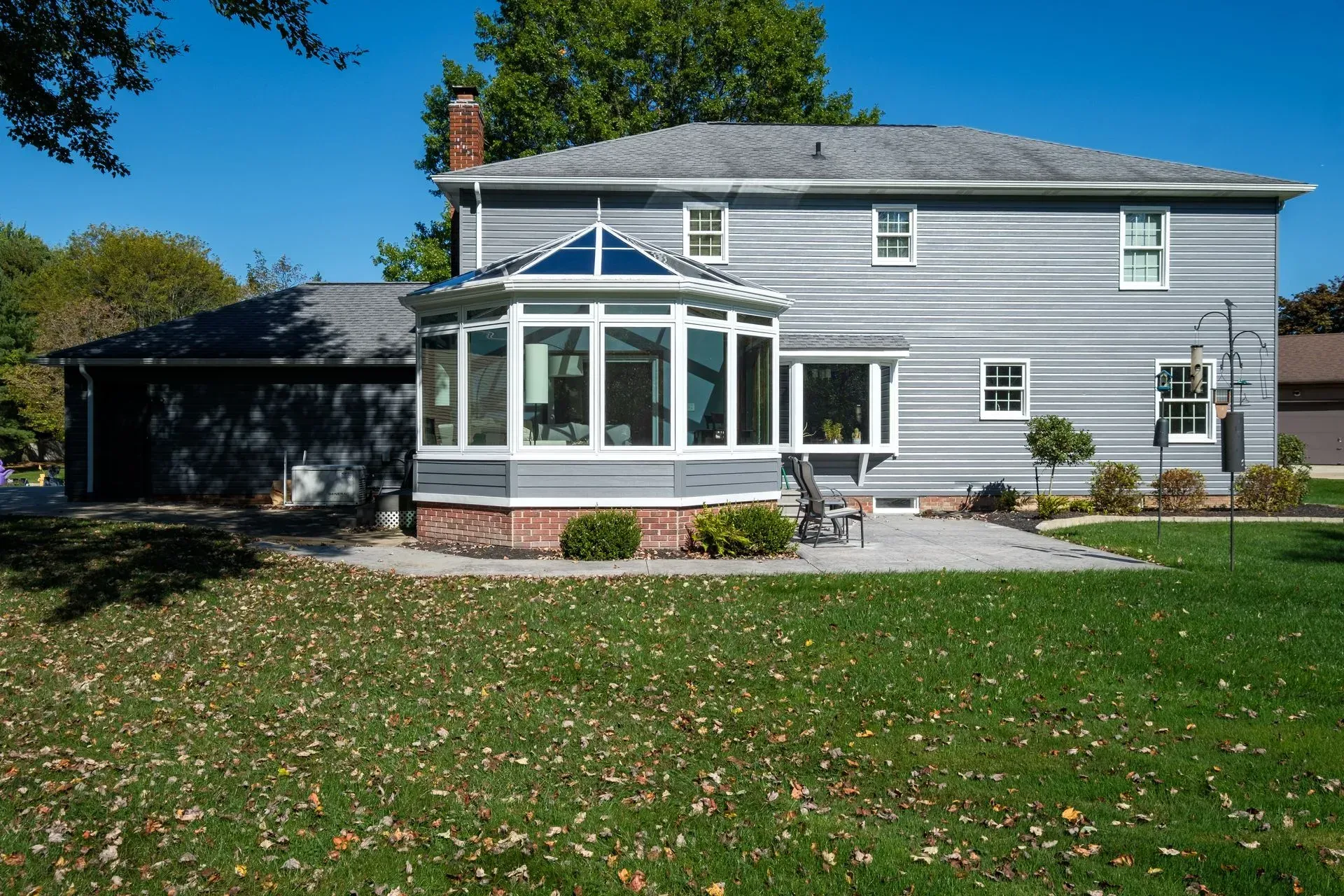
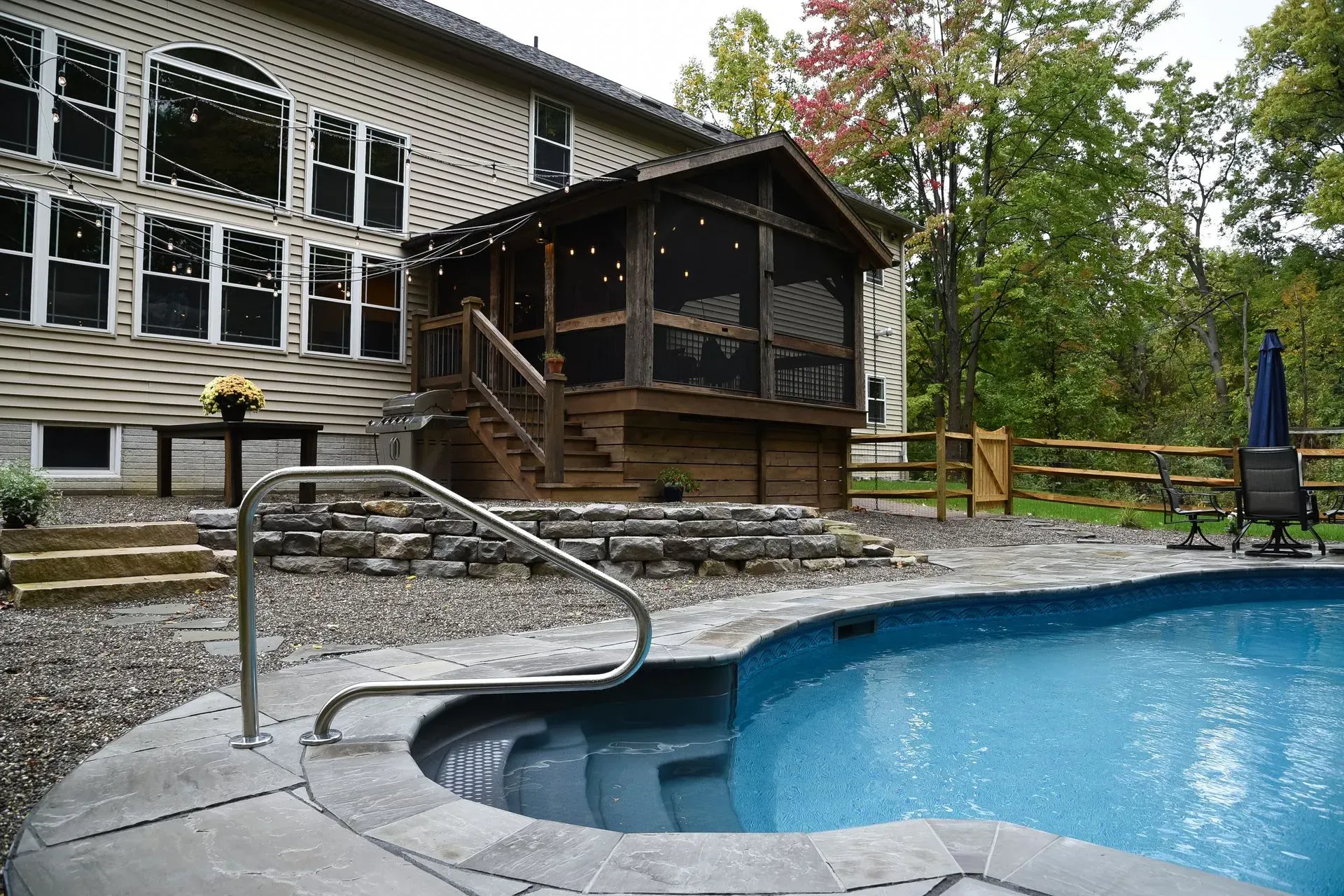
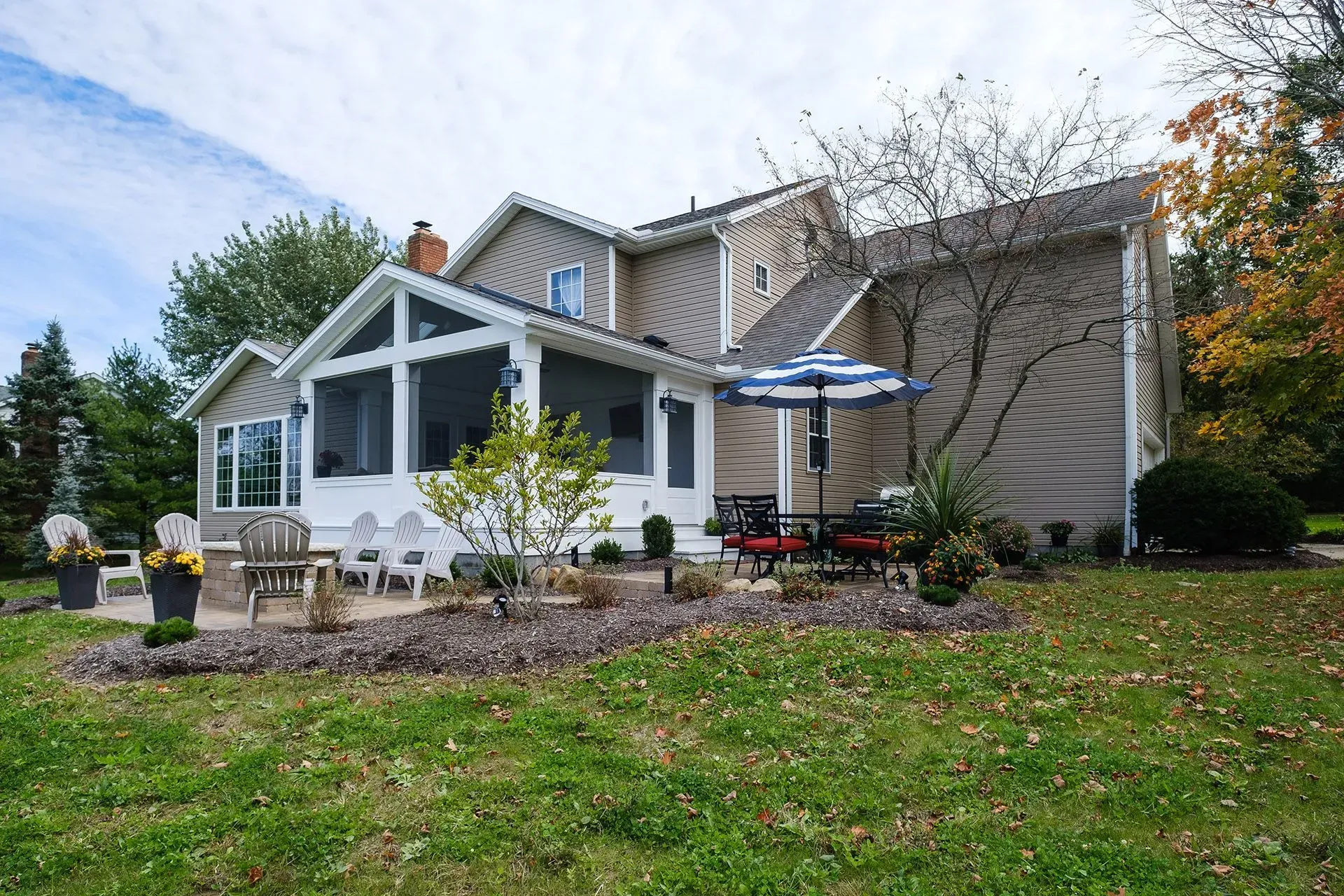
A covered patio can add comfort, shade, and outdoor living space, but the roofline determines whether it feels integrated or added on. When the roof pitch, overhangs, fascia, soffits, trim, and proportions are not carefully planned, even a well-built patio cover can look disconnected from the home.


Covered patio roofline design is one of the most important parts of creating a refined outdoor living space. The structure should relate to the existing home, support proper drainage, preserve visual balance, and make the patio feel like a natural extension of the architecture.


At Anthony Slabaugh Remodeling & Design, we help homeowners in Hudson, Akron and surrounding areas evaluate patio roofline ideas as part of planning covered patio construction through a coordinated design-build process.

Start With the Existing Roof  

A successful patio roof design begins with the home’s current rooflines. Pitch, ridge lines, valleys, gutters, fascia, soffits, overhangs, and exterior wall conditions all influence what type of covered patio structure will look appropriate.


For homeowners throughout Bath, Fairlawn, and Chagrin Falls, this step helps prevent a common issue: a patio cover that functions well but looks visually separate from the house.


The roof should feel connected to the home’s architecture, not simply attached to the back wall.

Match the Right Roof Pitch  Match the Right Roof Pitch  

Roof pitch affects both appearance and performance. A pitch that is too shallow may look flat or awkward against the home. A pitch that is too steep may compete with existing rooflines or feel out of proportion.


The right pitch depends on the home’s architecture, the patio size, ceiling height, drainage needs, and how the structure connects to the exterior wall or roof. A well-chosen pitch helps the covered patio feel intentional.


This is where design and construction planning need to work together early.

Pay Attention to Fascia and Soffits  

Fascia and soffits are often overlooked, but they have a major effect on whether a covered patio attached to a house feels finished. These elements should relate to the home’s existing trim depth, roof edge details, and exterior proportions.


If the fascia is too thin, the roof may look underbuilt. If it is too heavy, the structure may look bulky. Soffit details should also feel consistent with the rest of the home.


Small roof-edge details can determine whether the final result feels refined.

Coordinate Overhangs and Trim  

Overhang depth should be planned for shade, weather protection, and visual balance. A shallow overhang may not provide enough coverage. An overhang that is too deep may make the patio feel heavy or darken nearby interior rooms.


Trim around the covered patio should also relate to the home’s window trim, door casing, siding, stone, brick, or other exterior details. Exterior roofline integration depends on these transitions feeling intentional.


The goal is continuity from the roof edge down to the patio surface.

Covered Patio Roofline Planning Guide  

Roofline Detail Why It Matters
Roof pitch Helps the patio cover relate to the home�s architecture
Overhang depth Affects shade, weather protection, light, and proportion
Fascia Shapes the visual weight of the roof edge
Soffits Help the structure feel finished and connected
Gutters and drainage Direct water away from the home and patio
Trim transitions Connect the covered patio to siding, doors, and exterior materials

This table is useful because a covered patio roofline depends on both architectural design and construction details.

Consider Interior Light and Sightlines  

A covered patio can improve outdoor comfort, but the roofline can also affect nearby interior spaces. Roof depth, ceiling height, and column placement may change natural light, views, and the way the patio feels from inside the home.


A thoughtful design considers what homeowners see from the kitchen, dining room, family room, or rear entry. The covered patio should create shelter outside without making the connected room feel closed off.


Good roofline design supports both sides of the transition.

Plan Drainage Before Finalizing the Design  

Drainage is a major part of patio roof design. Gutters, downspouts, slope, valleys, runoff direction, grading, and patio surface drainage all need to be reviewed before construction begins.


A covered patio may look beautiful, but if water is not handled properly, the space may create future concerns. Drainage should be planned with the home’s existing roof and exterior conditions.


This is another reason the roofline should not be treated as a purely visual decision.

Keep Columns and Roof Scale Balanced  

Columns, beams, and supports should match the scale of the roof above them. A large patio roof with undersized supports can look weak. Heavy supports under a modest roof can make the structure feel crowded.


The right proportions help the patio feel architectural rather than improvised. They also influence views, furniture placement, and how open the covered space feels.


Scale matters from every angle.

Visit Our Design Studio in Stow, Ohio

Our Stow, Ohio design studio gives homeowners a place to compare covered patio roofline concepts, trim details, column styles, ceiling materials, lighting, patio surfaces, and exterior finishes together. Seeing these selections in context helps clarify how roofline design affects the full outdoor living space.

Client Feedback on Our Remodeling Process

Homeowners often share that early planning helps them feel more confident about covered patio decisions. By reviewing rooflines, pitch, overhangs, fascia, soffits, drainage, columns, materials, and sightlines together, Anthony Slabaugh Remodeling & Design helps clients make decisions with clarity instead of pressure.

Frequently Asked Questions    

  • How do you make a covered patio roofline look connected to the house?

    Start by matching the patio roof design to the home’s existing architecture. Roof pitch, fascia, soffits, overhangs, gutters, trim, columns, and exterior materials should be planned together so the structure feels intentional.

  • What is the best roof style for a covered patio?

    The best roof style depends on the home’s existing rooflines, patio location, drainage needs, ceiling height, and exterior proportions. A design-build evaluation can help determine whether the roof should attach directly, step down, or use another configuration.

  • Can a covered patio roof make interior rooms darker?

    Yes, it can if the roof is too deep, too low, or poorly positioned. A thoughtful design considers natural light, window placement, views, roof depth, and ceiling height before finalizing the covered patio plan.

  • Why do fascia and soffits matter on a patio roof?

    Fascia and soffits shape the roof edge and help the covered patio feel finished. When they coordinate with the home’s existing exterior details, the new structure is less likely to look added on.

Start With a Covered Patio Roofline Designed to Belong  

A refined covered patio should connect roof pitch, overhangs, fascia, soffits, trim, drainage, columns, and indoor-outdoor flow from the beginning. If you are ready to move from ideas into planning covered patio construction, schedule a consultation with Anthony Slabaugh Remodeling & Design or call (330) 940-3237.

Recent Posts

Front Porch Remodeling Ideas for Curb Appeal | ASRD
By Anthony Slabaugh Remodeling & Design July 1, 2026
Explore front porch remodeling ideas for curb appeal, entry presence, steps, railings, columns, lighting, and exterior design.
Porch Railing Ideas, Columns and Step Design | ASRD
By Anthony Slabaugh Remodeling & Design July 1, 2026
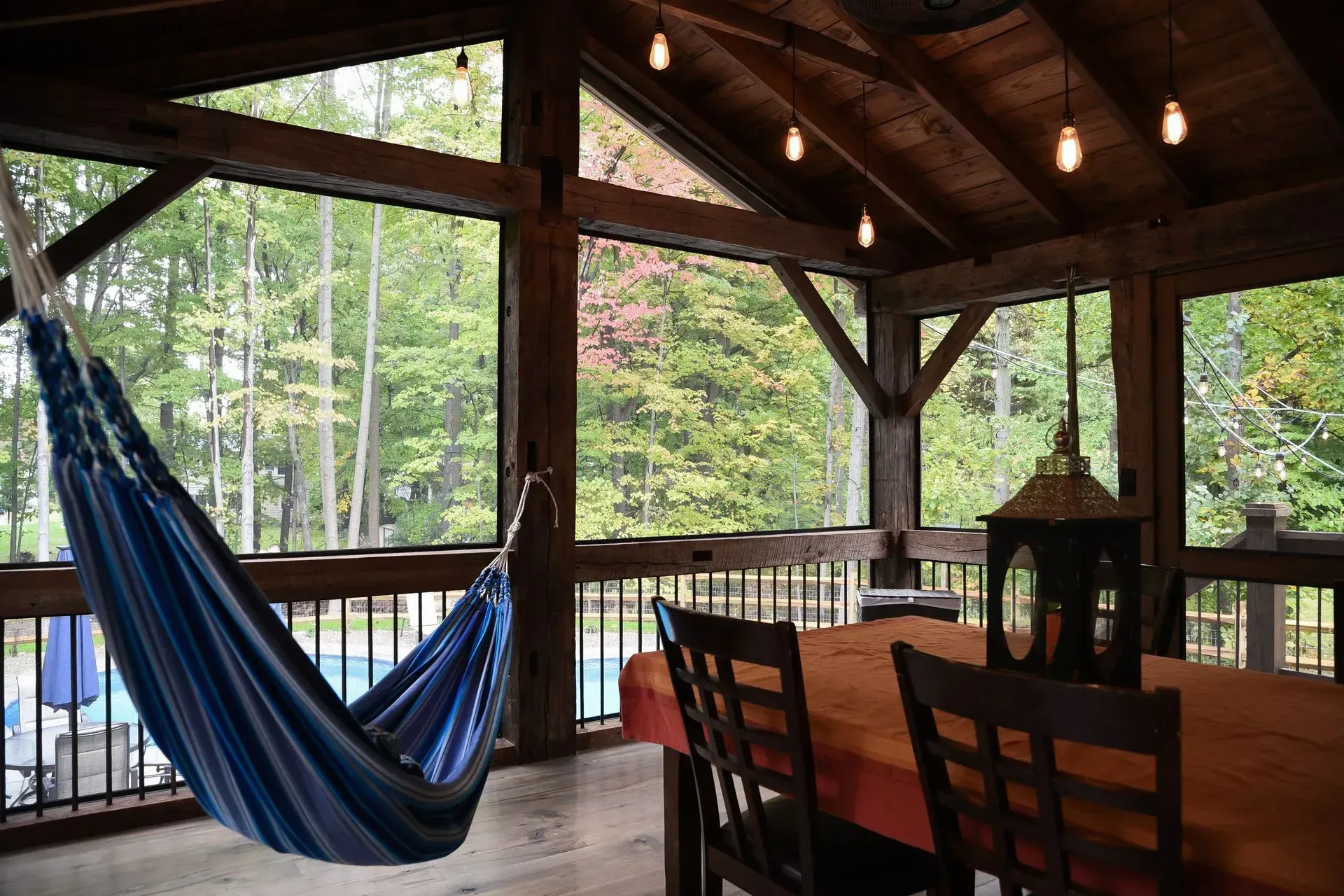
Explore porch railing ideas, porch column ideas, step design, safety, scale, architectural style, and exterior continuity.
Signs Your Porch Needs Remodeling | ASRD
By Anthony Slabaugh Remodeling & Design July 1, 2026
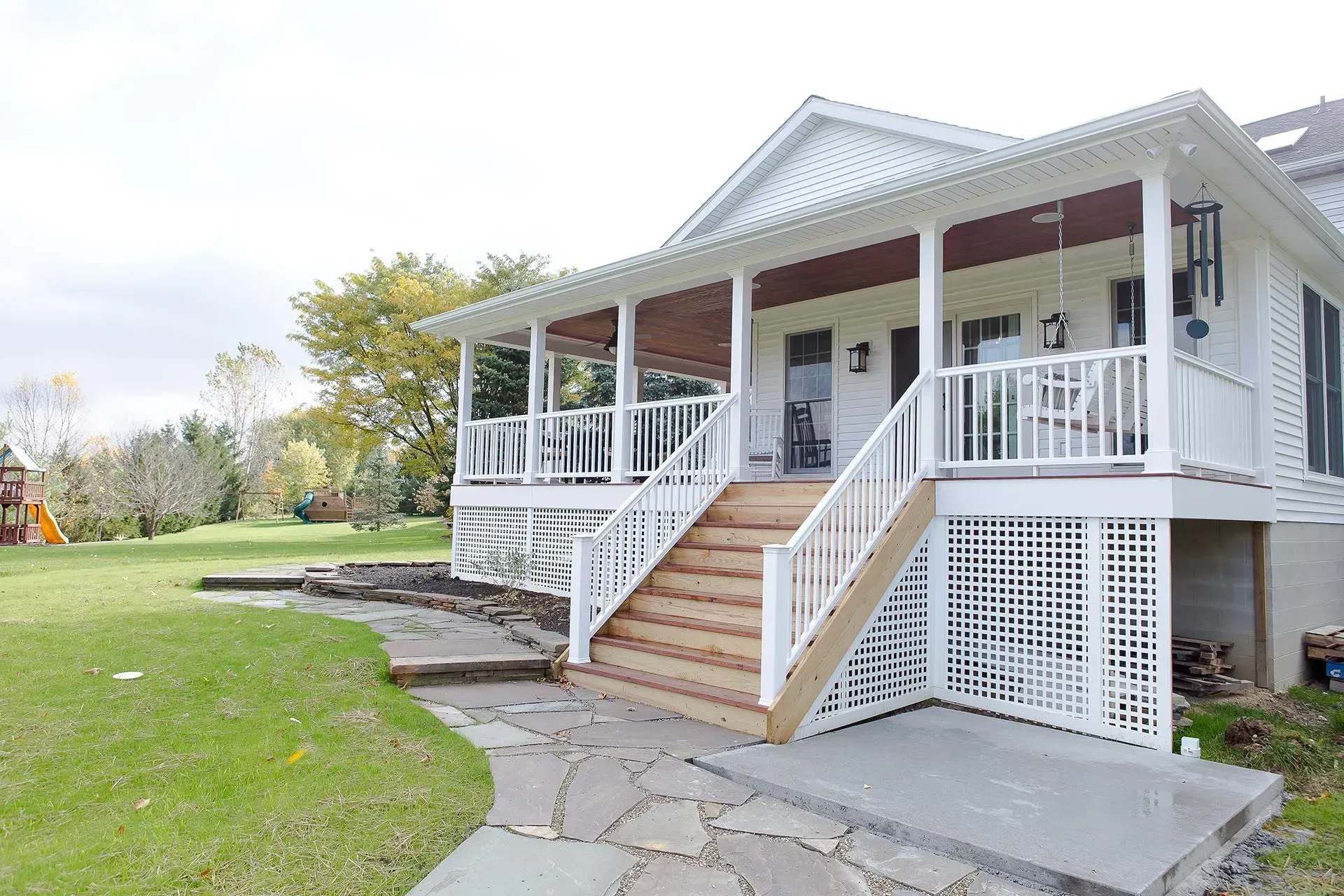
Learn signs your porch may need remodeling, including worn flooring, loose railings, damaged steps, moisture issues, and outdated details.
Side Porch Ideas for Better Outdoor Access | ASRD
By Anthony Slabaugh Remodeling & Design July 1, 2026
Explore side porch ideas and rear porch remodel updates for steps, outdoor access, driveway flow, yard access, and daily function.
Front Porch Remodeling Ideas for Curb Appeal | ASRD
By Anthony Slabaugh Remodeling & Design July 1, 2026
Explore front porch remodeling ideas for curb appeal, entry presence, steps, railings, columns, lighting, and exterior design.
Porch Railing Ideas, Columns and Step Design | ASRD
By Anthony Slabaugh Remodeling & Design July 1, 2026
Explore porch railing ideas, porch column ideas, step design, safety, scale, architectural style, and exterior continuity.
Signs Your Porch Needs Remodeling | ASRD
By Anthony Slabaugh Remodeling & Design July 1, 2026
Learn signs your porch may need remodeling, including worn flooring, loose railings, damaged steps, moisture issues, and outdated details.

Share this article

CLIENT REVIEWS

Don’t Just Take Our Word For It

See below how our customers react on our ultimate pressure cleaning services