
Custom Mudroom Built-Ins That Look Like Part of the Home’s Architecture

Conflicting plans are not inevitable in remodeling. They result from fragmented structure.
Anthony Slabaugh Remodeling & Design provides design-build home renovation services for homeowners in Hudson, Akron & surrounding areas who value architectural alignment and disciplined execution.
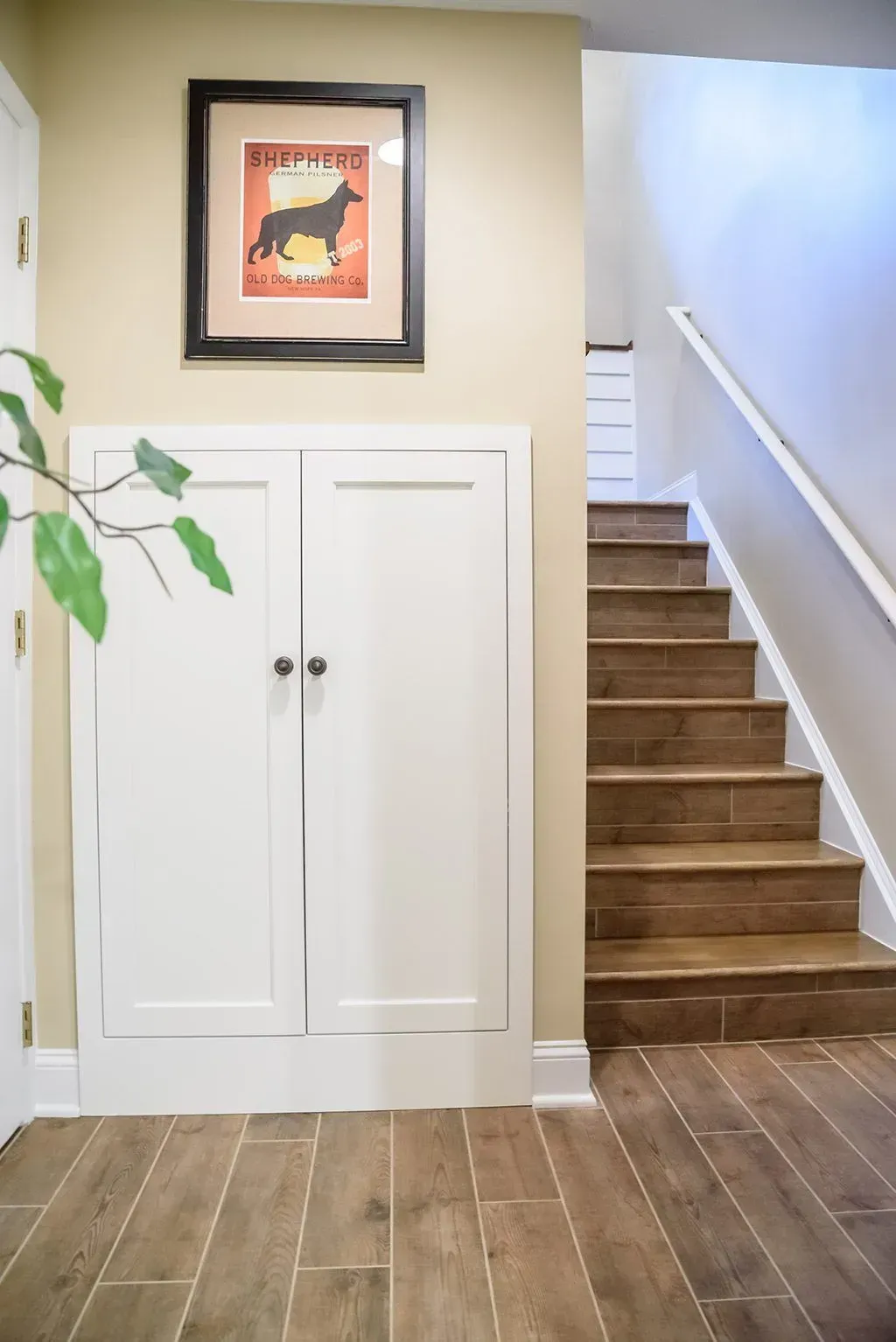
Custom mudroom built-ins should do more than organize shoes, coats, and bags. In a well-designed home, they should feel like part of the architecture. Cabinetry, trim, bench details, wall finishes, proportions, and transitions all affect whether the mudroom looks intentional or added later.
This is especially important when the mudroom connects to a kitchen, entryway, laundry room, hallway, or garage entrance. A built-in storage wall may be practical, but if the details feel disconnected from the rest of the home, the space can look unfinished.
At
Anthony Slabaugh Remodeling & Design, we help homeowners in Hudson, Akron and surrounding areas design custom mudroom built-ins that balance storage, durability, and architectural continuity.
Why Architectural Integration Matters
A mudroom is often one of the busiest spaces in the home, but it should still feel refined. Built-ins that look separate from the surrounding architecture can make the room feel like a storage project instead of a completed part of the home.
Architectural integration means the built-ins relate to the home’s trim, door casing, ceiling height, flooring, cabinetry style, and nearby rooms.
For homeowners throughout Bath, Fairlawn, and Chagrin Falls, this level of planning can make a hardworking mudroom feel elevated without sacrificing daily function.
Start With Proportion
Proportion is one of the most important parts of custom mudroom built-ins. Bench height, cabinet depth, locker width, upper cabinet placement, and open storage spacing should all feel balanced.
If cabinets are too deep, the mudroom may feel tight. If cubbies are too narrow, daily items may overflow. If upper storage feels too heavy, the wall can look crowded.
At
Anthony Slabaugh Remodeling & Design, built-in proportions are planned with circulation, storage needs, and the room’s overall scale in mind.
Use Trim to Make Built-Ins Feel Finished
Mudroom trim ideas can make built-ins feel more connected to the home. Baseboards, crown details, side panels, casing, bench trim, and wall paneling can all help the storage system look intentional.
The goal is not to overdecorate the mudroom. The best trim details usually feel clean, balanced, and consistent with the rest of the home.
When trim is planned correctly, the built-ins feel grounded in the room instead of placed against the wall.
Coordinate Cabinetry With Nearby Rooms
Built-in mudroom cabinets should relate to the cabinetry and finishes used elsewhere in the home. They do not need to match the kitchen exactly, but they should feel connected through color, hardware, profile, or material tone.
This is especially important when the mudroom is visible from a hallway, kitchen, laundry room, or entryway. A disconnected finish can make the built-ins feel like a separate update.
A refined mudroom uses cabinetry to support storage while reinforcing the home’s design language..
Custom Mudroom Built-In Design Guide
| Design Detail | How It Supports Architectural Integration |
|---|---|
| Cabinet proportions | Keeps the built-ins balanced with the room |
| Trim details | Connects storage to walls, openings, and nearby rooms |
| Bench design | Makes seating feel built in instead of freestanding |
| Hardware | Relates to lighting, doors, and nearby cabinetry |
| Wall paneling | Adds structure and finish continuity |
| Flooring transitions | Helps the mudroom connect to adjacent spaces |
This table is useful because premium mudroom built-ins depend on details working together, not storage alone.
Plan Wall Finishes With the Built-Ins
Wall finishes can make a mudroom feel complete. Paneling, painted surfaces, trim details, tile, or durable wall treatments should be planned with the cabinetry from the beginning.
If wall finishes are treated separately, the mudroom may feel pieced together. If they are coordinated with the built-ins, the space feels more architectural.
This also helps protect the room from daily use while keeping the design refined.
Make Storage Look Intentional
A custom mudroom can include lockers, cubbies, drawers, cabinets, hooks, benches, and upper storage. The difference between basic storage and a premium built-in is how those features are arranged.
Open and closed storage should feel balanced. Hardware should feel aligned. Cabinet lines should relate to the bench, doors, and wall details. Every part should look purposeful.
At
Anthony Slabaugh Remodeling & Design, storage is planned around daily routines, but the final design is shaped so it feels built into the home.
Visit Our Design Studio in Stow, Ohio
Our Stow, Ohio design studio gives homeowners a place to review cabinetry, trim profiles, hardware, finishes, bench details, and storage layouts together. Seeing these selections in context helps clarify how mudroom built-ins can feel integrated with the home’s architecture.
Client Feedback on Our Remodeling Process
Homeowners often share that early design planning helps them feel more confident about how custom built-ins will look and function after construction. By reviewing proportions, trim, cabinetry, finishes, and daily-use details early,
Anthony Slabaugh Remodeling & Design helps clients make decisions with clarity instead of pressure.
Frequently Asked Questions
What are custom mudroom built-ins?
Custom mudroom built-ins are storage features designed for a specific home and household. They may include benches, lockers, cabinets, drawers, hooks, cubbies, and upper storage, all planned to fit the room’s layout, style, circulation, and daily routines.
How do you make mudroom built-ins look like part of the home?
Mudroom built-ins look more integrated when cabinetry, trim, hardware, flooring, wall finishes, and proportions relate to nearby rooms. The goal is to make the storage feel architectural, not like a separate organizer added after the home was built.
Are built-in mudroom cabinets better than freestanding storage?
Built-in mudroom cabinets often feel more finished because they can be designed around the room’s exact dimensions, trim, storage needs, and traffic flow. Freestanding storage may work temporarily, but it rarely offers the same architectural integration.
What details make mudroom built-ins feel custom?
Proportionate cabinetry, refined trim, durable finishes, coordinated hardware, bench detailing, wall paneling, and clean transitions help mudroom built-ins feel custom. The strongest designs balance everyday function with a finished look that supports the home’s architecture.
Start With Built-Ins Designed to Belong
A refined mudroom should feel like part of the home, not a storage area added later. Schedule a consultation with Anthony Slabaugh Remodeling & Design or call (330) 940-3237 to plan custom mudroom built-ins with confidence.
Recent Posts
Share this article
CLIENT REVIEWS
Don’t Just Take Our Word For It
See below how our customers react on our ultimate pressure cleaning services