
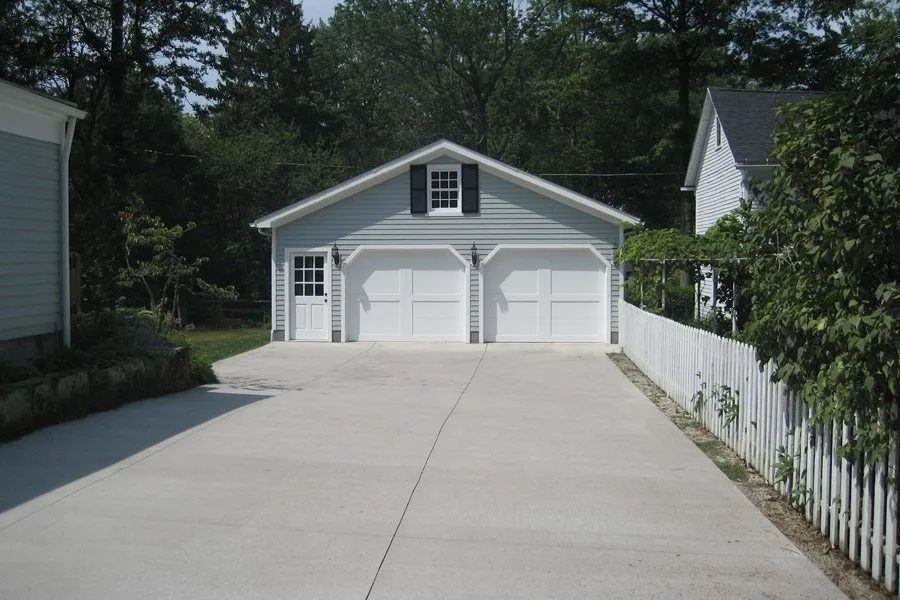
A custom garage addition may seem straightforward, but it is one of the most complex additions a homeowner can undertake. Structural integration, architectural continuity, interior flow, and exterior appearance all need to align for the project to succeed. When these elements are planned separately, misalignment is common.
When they are planned together through a design-build approach, the result is a garage addition that feels intentional, functional, and seamlessly integrated with the home.
At Anthony Slabaugh Remodeling & Design, we use a design-build model because it allows garage additions to be planned holistically rather than pieced together through disconnected phases.
Why Garage Additions Require More Coordination Than Most Additions
Garage additions interact with more systems than homeowners often expect. Foundations, rooflines, drainage, utilities, and interior connections must all work together.
In addition, garages significantly affect curb appeal and architectural balance. Poor coordination between design and construction often leads to compromises that impact appearance, function, or long-term performance.
Garage additions succeed when decisions are made with full awareness of how the space will be built, not just how it will look on paper.
What Design-Build Means for a Custom Garage Addition
Design-build means one team is responsible for planning, design, and construction from the start. Instead of handing designs off to a separate contractor, architectural intent and construction execution are developed together.
For garage additions, this approach ensures that proportions, rooflines, materials, and structural systems are aligned early. Decisions are evaluated not only for design appeal, but also for feasibility and durability.
This integration reduces guesswork and supports better outcomes.
Architectural Continuity Is Protected From the Beginning
One of the biggest risks in garage additions is losing architectural continuity during construction. Even well-designed plans can be compromised when construction realities are addressed too late.
With a design-build approach, architectural details are developed alongside structural planning. Roof transitions, material changes, and massing decisions are refined with full knowledge of how they will be built.
This protects the character of the home and prevents the garage from feeling like an afterthought.
Structural Planning Happens Before Design Is Finalized
Garage additions often involve load-bearing considerations, foundation requirements, and roof modifications. When structural evaluation happens after design, revisions can be costly and disruptive.
Design-build allows structural feasibility to guide design decisions from the beginning. This leads to layouts and forms that work with the home’s existing structure rather than fighting against it.
Early coordination reduces redesign and supports smoother construction.
Budget Alignment Without Design Compromise
One of the most common frustrations homeowners experience is designing a garage addition they later learn is not feasible within their budget.
Because design-build integrates cost awareness early, decisions are informed by real construction considerations. This allows homeowners to prioritize what matters most without sacrificing architectural integrity.
Instead of redesigning late in the process, trade-offs are made intentionally and early.
Communication Is Clear and Centralized
Garage additions require decisions about exterior appearance, interior access, storage needs, and long-term use. When multiple parties are involved, communication gaps often emerge.
A design-build approach provides a single point of accountability. Homeowners know who to call, where decisions are made, and how changes affect the project.
This clarity reduces stress and builds confidence throughout the process.
Design-Build Garage Additions at a Glance
| Project Area | Traditional Model | Design-Build Approach |
|---|---|---|
| Planning | Fragmented | Integrated |
| Architecture | Separate from construction | Coordinated |
| Structural review | Late-stage | Early-stage |
| Budget alignment | Reactive | Proactive |
| Communication | Multiple parties | One team |
| Outcome | Compromised | Cohesive |
Long-Term Performance Matters More Than Speed
Garage additions are long-term investments. Decisions made during planning affect durability, usability, and maintenance for decades.
Design-build prioritizes long-term performance over rushed execution. Materials, detailing, and structural solutions are selected with longevity in mind, not just immediate convenience.
This approach supports homes that age gracefully rather than require correction later.
Why Homeowners Choose Design-Build for Garage Additions
Homeowners who choose design-build often value clarity, accountability, and thoughtful planning. They want a garage addition that feels original to the home and functions effortlessly in daily life.
By managing planning, design, and construction together, design-build reduces risk and supports better decision-making. To see how this approach applies across projects, visit our Garage Additions page.
Garage Additions Planning Resources
If you are still exploring your options, these related guides may help:
- Garage Additions
- How a Garage Addition Improves Home Organization and Reduces Interior Clutter
- What Homeowners Should Know Before Starting a Garage Addition
- Designing a Garage Addition That Seamlessly Matches the Architecture of Your Home
- Common Design Mistakes Homeowners Make When Adding a Garage - And How to Avoid Them
Frequently Asked Questions
Is design-build more expensive for garage additions?
Not necessarily. Early coordination often reduces costly changes later.
Does design-build limit design creativity?
No. It supports creativity by grounding it in feasibility.
Is design-build better for architectural matching?
Yes. Architectural continuity is protected throughout planning and construction.
Who manages the construction in a design-build project?
One integrated team manages the entire process.
Does Anthony Slabaugh Remodeling & Design use design-build for garage additions?
Yes. Our process is built around integrated planning and execution.
Plan a Garage Addition With Confidence
A garage addition should enhance how your home functions and how it looks, without unnecessary complexity or compromise.
At Anthony Slabaugh Remodeling & Design, our design-build approach ensures custom garage additions are planned with intention, built with precision, and integrated seamlessly with the home.