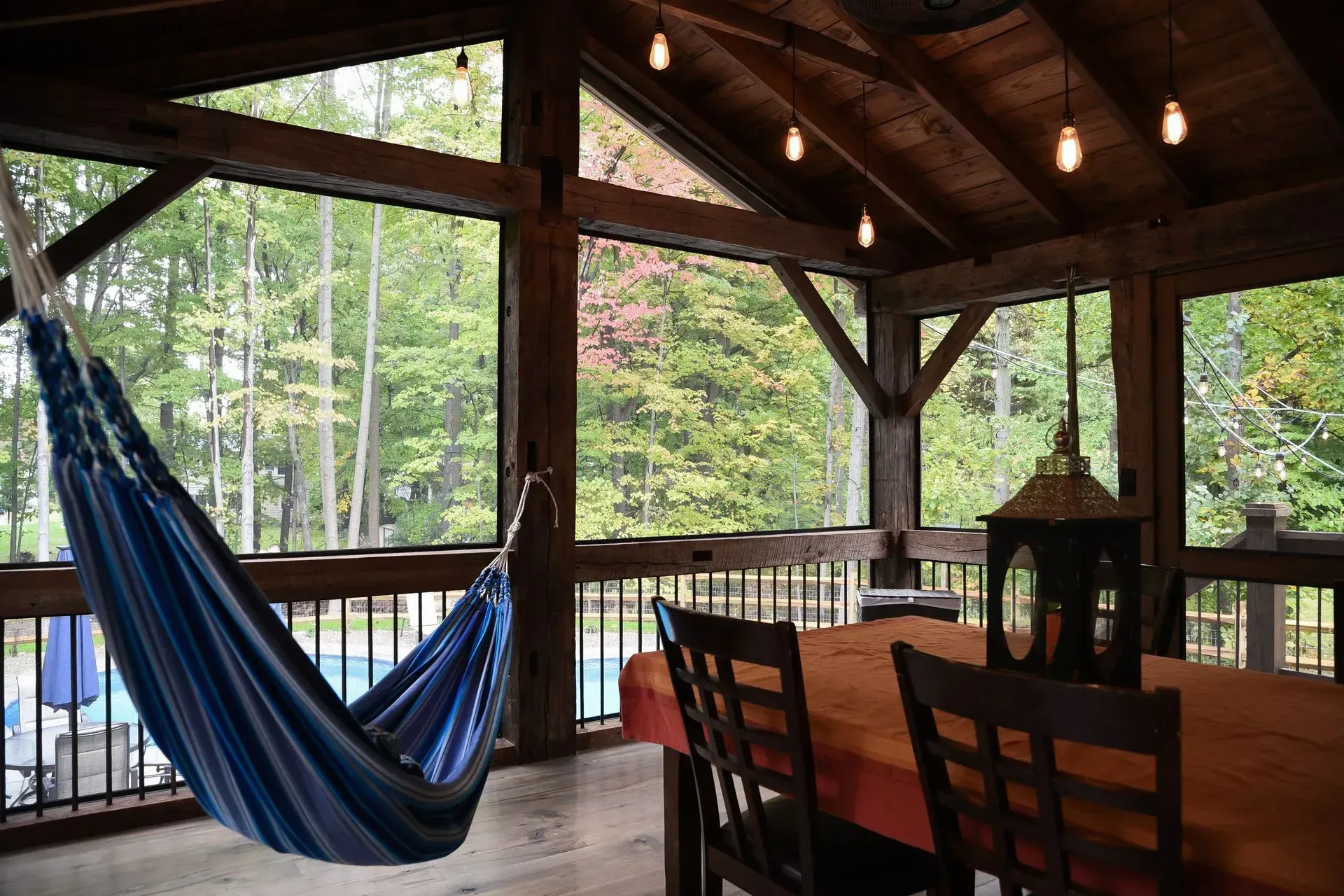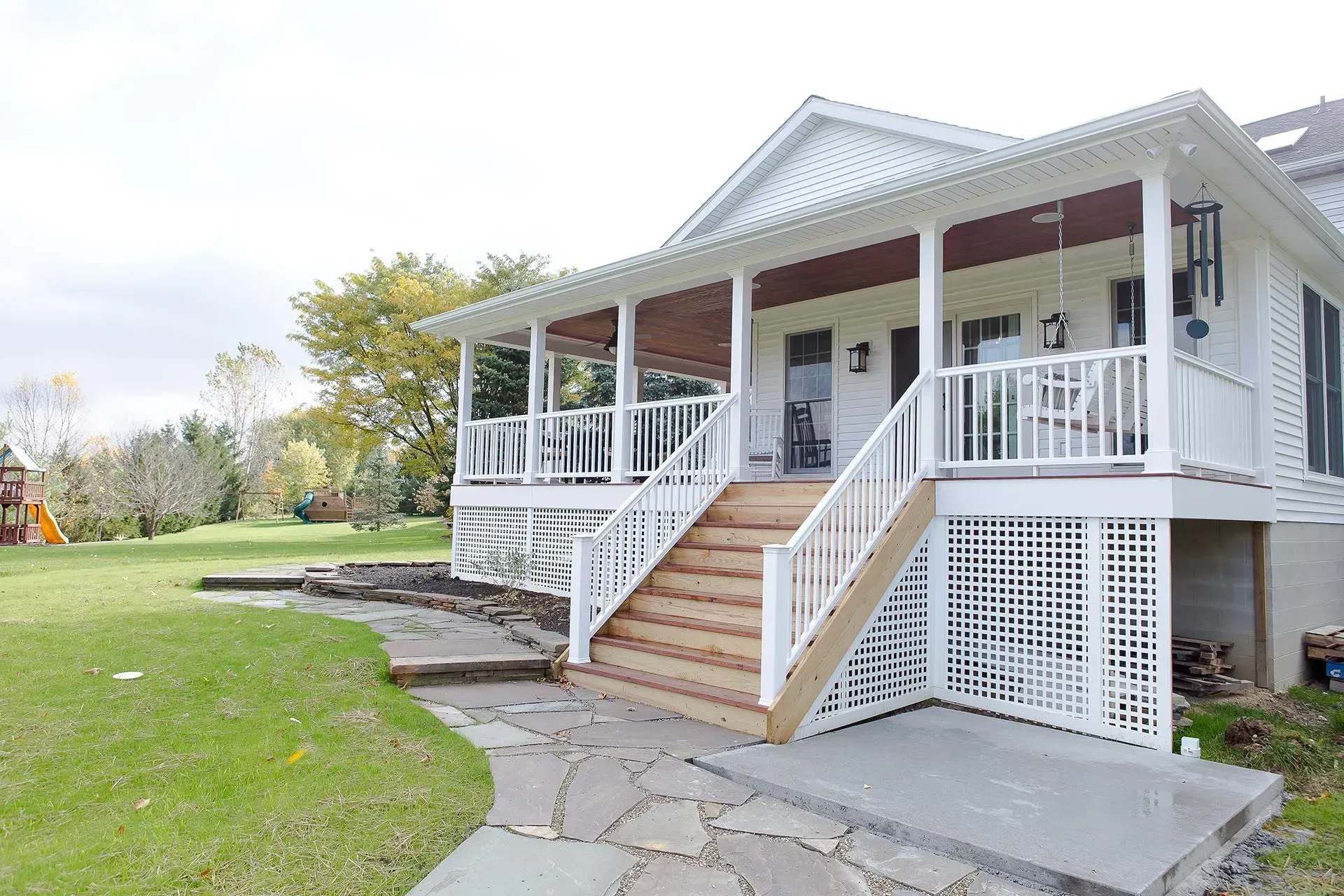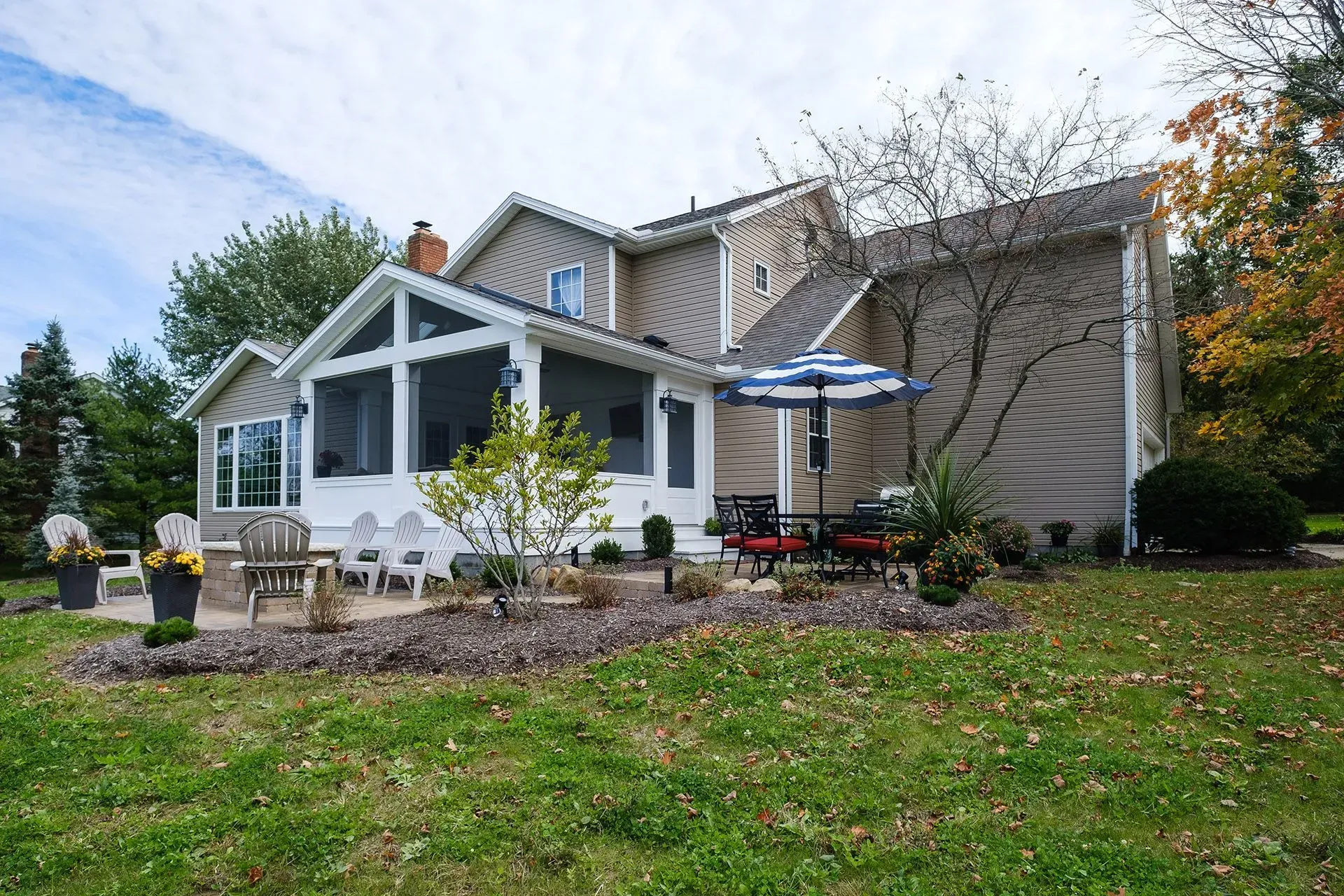

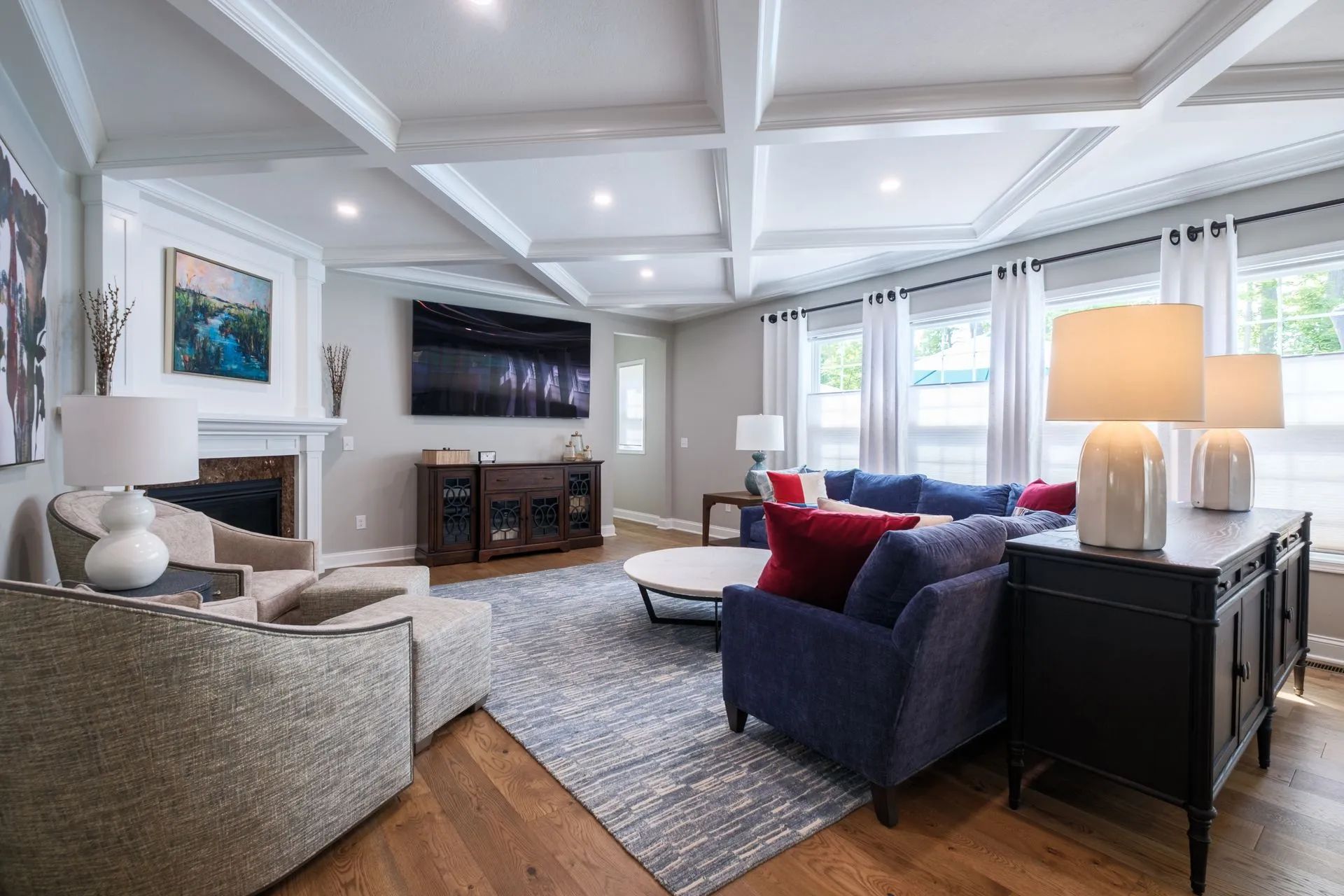
Residential remodeling should enhance a home without erasing its identity. In communities such as Hudson, Bath, Chagrin Falls, and surrounding areas, many homes carry distinct architectural features that define their character. Proportions, rooflines, trim details, window placement, and material choices all contribute to the personality of the residence.
When remodeling is approached without architectural sensitivity, those defining elements can be compromised. At Anthony Slabaugh Remodeling & Design, residential remodeling is guided by respect for the original structure. The goal is not to modernize at the expense of character, but to improve performance while maintaining continuity.
Architectural refinement and functional improvement should work together.
Understanding the Home Before Changing It
Preserving architectural character begins with understanding what makes the home distinctive. Before plans are drawn, careful evaluation takes place.
Key considerations often include:
- Original proportions and room scale
- Ceiling heights and transitions
- Exterior massing and symmetry
- Trim profiles and millwork details
- Material relationships between old and new
These elements are not decorative afterthoughts. They establish balance and visual rhythm. When remodeling respects those foundations, updates feel natural rather than imposed.
Maintaining Proper Proportion and Scale
One of the most common mistakes in residential remodeling is altering scale in a way that disrupts harmony. Enlarging openings, raising ceilings, or modifying room dimensions without architectural context can make a home feel disjointed.
Preserving character often means working within proportion rather than against it. If walls are removed to improve flow, structural framing must align with the existing scale. If new built-ins are introduced, their size and detailing must feel appropriate to the home’s era and style.
Architectural continuity is about restraint as much as change.
Integrating Modern Function Without Visual Conflict
Modern living requires updated kitchens, improved circulation, enhanced storage, and upgraded systems. The challenge is integrating those improvements without compromising character.
This may involve:
- Matching trim profiles when extending openings
- Selecting materials that complement existing finishes
- Designing cabinetry that respects traditional detailing
- Aligning flooring transitions for visual consistency
When updates are designed holistically, they feel like a natural evolution rather than a replacement.
Exterior Continuity Matters Just as Much
Residential remodeling is not limited to interior changes. Exterior modifications must also reflect architectural sensitivity.
Rooflines, siding materials, window proportions, and trim details should remain consistent. Even small exterior adjustments can alter how a home presents itself within the neighborhood.
In established communities such as Hudson and Bath, maintaining architectural continuity protects not only the home itself but also its contextual value.
The Role of Interior Architecture
Interior architecture plays a central role in preserving character during remodeling. This includes:
- Thoughtful transitions between old and new spaces
- Balanced ceiling and wall alignments
- Cohesive sightlines across renovated areas
- Structural framing that supports design intent
Residential remodeling that prioritizes interior architecture avoids the fragmented look that occurs when spaces are updated independently.
A well-executed remodel should feel intentional from room to room.
Upgrading Systems Without Disrupting Design
Mechanical upgrades are often necessary during remodeling. Insulation improvements, HVAC updates, and lighting adjustments contribute significantly to comfort.
However, these improvements must be integrated carefully. Vents, lighting placements, and structural reinforcements should not interrupt architectural detailing.
When systems planning is coordinated early in the design-build process, performance upgrades remain visually unobtrusive.
Architectural Preservation at a Glance
| Focus Area | Preservation Strategy | Result |
|---|---|---|
| Proportion | Respect original scale | Balanced spaces |
| Materials | Complement existing finishes | Visual continuity |
| Trim and Millwork | Match or thoughtfully reinterpret | Cohesive detailing |
| Exterior Elements | Maintain massing and symmetry | Neighborhood harmony |
| Systems Upgrades | Coordinate early in planning | Seamless integration |
Why a Coordinated Process Is Essential
Preserving architectural character requires more than aesthetic awareness. Structural feasibility, mechanical planning, and design decisions must be aligned.
Anthony Slabaugh Remodeling & Design approaches residential remodeling through a coordinated design-build process. Planning, design, and construction are integrated from the beginning so character and function evolve together.
This structured approach prevents misalignment between architectural intent and construction execution.
For more details about how comprehensive remodeling is managed, visit our Residential Remodeling Services page.
Testimonials from Satisfied Clients
Homeowners frequently share that their remodeled homes feel refreshed without losing what made them special in the first place. Many express appreciation for the balance between updated functionality and preserved architectural detail. Read our Google reviews to learn more about their experiences.
Residential Remodeling Services Planning Resources
If you are still exploring your options, these related guides may help:
Frequently Asked Questions
Can modern updates still preserve architectural character?
Yes. When planned thoughtfully, modern improvements can enhance comfort while maintaining the home’s defining features.
Does preserving character limit design options?
Not at all. It guides decisions so changes feel intentional and appropriate rather than conflicting.
Is architectural preservation only important in historic homes?
No. Any home with distinctive proportions or detailing benefits from continuity during remodeling.
How does design-build help protect architectural integrity?
Integrated planning ensures structural, mechanical, and aesthetic decisions support the overall architectural vision.
Do you provide residential remodeling services beyond Hudson?
Yes. We serve homeowners in Hudson, Bath, Chagrin Falls, Akron, and surrounding communities.
Remodel With Respect for the Original Design
Residential remodeling should elevate performance while honoring what makes a home unique. Preserving architectural character ensures improvements feel cohesive and long-lasting.
If you are planning a residential remodel in Hudson, Bath, Chagrin Falls, or surrounding areas and want a process that respects architectural integrity, Anthony Slabaugh Remodeling & Design is ready to help.
Schedule a consultation to explore how your home can evolve without losing its character.