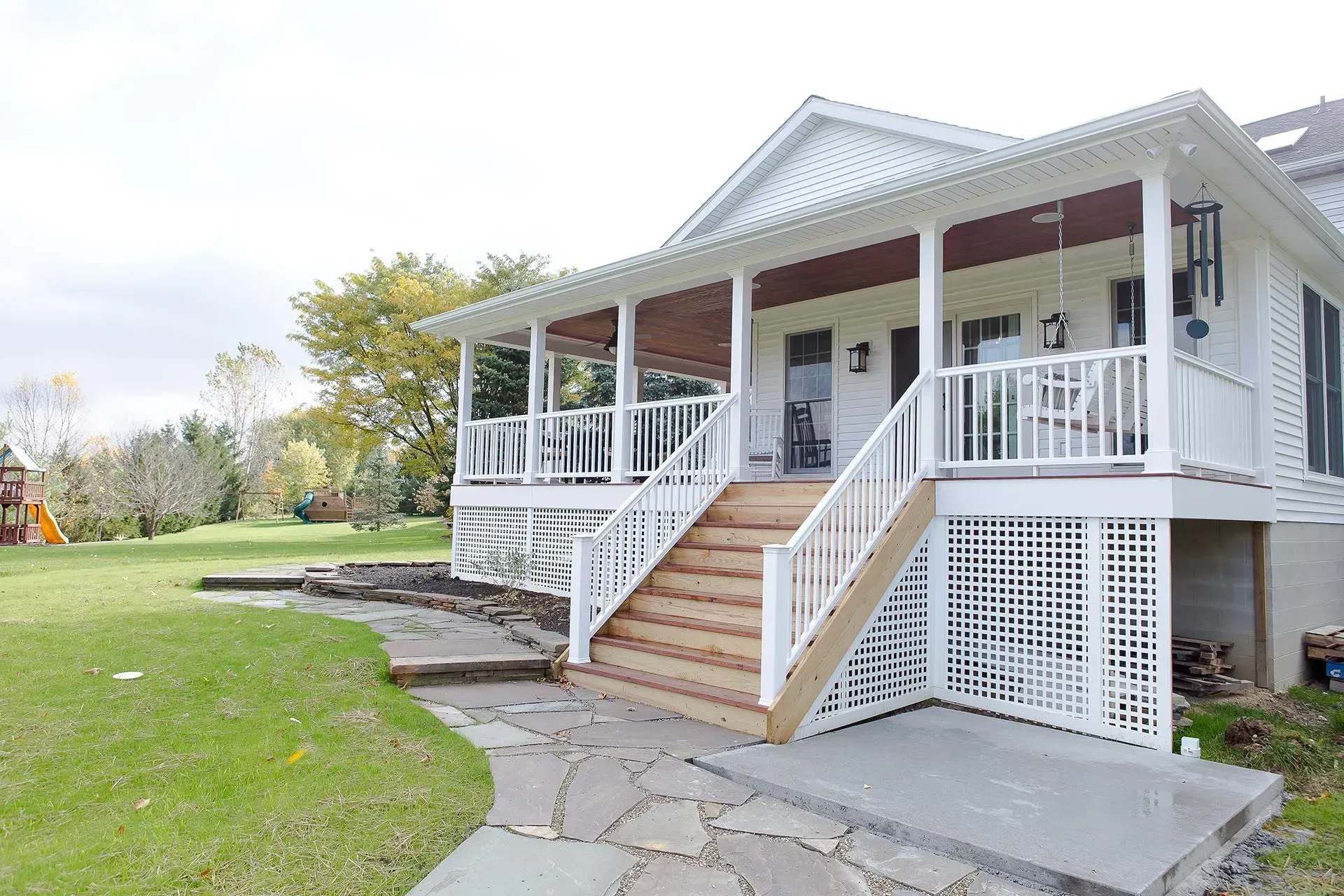

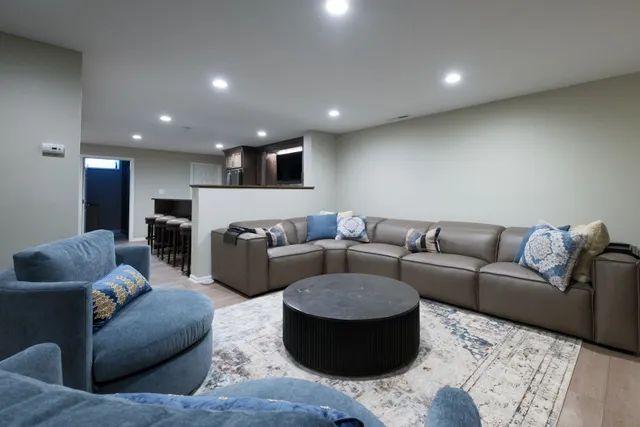

When homeowners consider a room addition, attention often goes to layout, square footage, and finishes. However, one of the most critical factors in any successful room addition happens below the surface. The foundation determines whether an addition can be built safely, how it integrates with the existing home, and how it performs over time.
At Anthony Slabaugh Remodeling & Design, we approach room additions with a strong focus on structural planning. Understanding foundation requirements early allows homeowners to make informed decisions and avoid surprises later in the process. A well-designed addition begins with a foundation that properly supports it.
Why the Foundation Matters in a Room Addition
A room addition adds new loads to the home. Those loads must be transferred safely into the ground through a foundation system that is engineered for the specific conditions of the property.
Unlike interior renovations, room additions change the structural footprint of the home. This makes foundation planning a non-negotiable part of the process rather than a technical detail that can be addressed later.
When foundation requirements are properly evaluated early, the entire project moves forward with greater clarity and confidence.
How Existing Foundations Affect Room Additions
Every home has a unique foundation system based on its age, construction method, and site conditions. Before designing a room addition, the existing foundation must be assessed to determine how the new structure can connect safely.
Key considerations often include:
- Foundation type and depth
- Condition of existing footings
- Load-bearing capacity
- Relationship between new and existing structures
Some homes can support a room addition with minimal reinforcement, while others require a new, independent foundation system. Understanding this early helps guide layout and design decisions.
Common Foundation Types Used for Room Additions
Room additions typically rely on one of several foundation approaches, depending on soil conditions, structural needs, and design goals.
Concrete footings with foundation walls are common for full-scale room additions that require long-term durability and load support. In some cases, slab-on-grade foundations may be appropriate when site conditions allow.
The right foundation choice is determined by engineering requirements rather than preference alone. Each option has implications for cost, construction sequencing, and integration with the existing home.
Load Support and Structural Engineering
One of the most important aspects of foundation planning is load support. A room addition adds weight from walls, floors, roofing, and occupancy. That weight must be distributed properly to prevent settlement or structural stress.
Structural evaluation considers:
- How loads are transferred into the ground
- Whether existing structures can share loads
- How the new foundation interacts with the original home
This analysis ensures the addition remains stable and performs as intended over time.
Soil Conditions and Site Factors
Soil conditions play a major role in foundation design. Different soils support weight differently, and some require deeper or reinforced foundations to remain stable.
Site factors such as drainage, slope, and frost depth are also considered. These elements influence foundation depth, reinforcement needs, and long-term durability.
Addressing these conditions early helps prevent future movement, cracking, or moisture issues.
How Foundation Planning Affects Cost and Scope
Foundation requirements have a direct impact on project scope and investment. More complex foundation systems require additional excavation, materials, and labor.
Rather than treating foundation work as an unknown, we help homeowners understand how structural requirements influence cost from the start. This allows for realistic planning and avoids redesign later in the process.
Clear foundation planning supports better decision-making throughout the entire room addition project.
Why Design-Build Matters for Foundation Planning
Foundation requirements cannot be separated from design decisions. Layout, room size, and connection points all affect how the foundation is engineered.
At Anthony Slabaugh Remodeling & Design, our design-build approach allows structural planning, design, and construction to be coordinated from the beginning. This integration reduces risk and ensures foundation decisions support the overall vision of the addition.
If you are exploring expansion options, our Room Additions page explains how planning and structure work together to create successful additions.
Foundation Requirements at a Glance
| Planning Factor | Why It Matters | Long-Term Benefit |
|---|---|---|
| Existing foundation | Determines connection method | Structural stability |
| Load support | Ensures safe weight transfer | Long-term performance |
| Soil conditions | Affects footing design | Reduced settlement risk |
| Engineering review | Guides structural decisions | Code compliance |
| Integration | Aligns old and new structures | Cohesive construction |
Common Foundation Missteps Homeowners Should Avoid
One of the most common mistakes is assuming the existing foundation can support an addition without evaluation. Another is designing the addition first and addressing foundation needs later.
Proper planning helps homeowners avoid:
- Structural retrofits mid-project
- Unexpected cost increases
- Delays due to redesign
- Long-term performance issues
Foundation planning should always be proactive rather than reactive.
Room Additions Planning Resources
If you are still exploring your options, these related guides may help:
Frequently Asked Questions
Does every room addition require a new foundation?
Most room additions require new foundation work, though the type and scope vary by project.
Can a room addition share the existing foundation?
In some cases, yes, but this depends on structural capacity and design requirements.
Do soil conditions affect room addition foundations?
Yes. Soil type and site conditions play a major role in foundation design.
Does foundation work increase project cost significantly?
Foundation requirements are a major cost driver, which is why early planning is essential.
Does Anthony Slabaugh Remodeling & Design handle foundation planning?
Yes. Structural and foundation planning are integrated into our design-build process.
Start Planning Your Room Addition With Confidence
A successful room addition starts with a foundation that is designed for long-term performance. Understanding foundation requirements early helps homeowners move forward with clarity rather than uncertainty.
Anthony Slabaugh Remodeling & Design guides homeowners through room addition planning with a focus on structure, design, and craftsmanship working together.