
Second-Story Additions vs. Ground-Level Additions: Which Is Better?

When homeowners need more space, the question is not always if they should add on, but how. The choice often comes down to expanding upward with a second-story addition or outward with a ground-level addition. Both options can dramatically improve how a home functions, but each comes with distinct planning considerations.


At Anthony Slabaugh Remodeling & Design, we help homeowners evaluate vertical and horizontal expansion through a design-build lens. The right choice depends on structural feasibility, property conditions, lifestyle needs, and long-term goals rather than square footage alone.

Understanding Vertical vs Horizontal Expansion

A second-story addition adds living space by building upward, while a ground-level addition expands the home’s footprint. While both approaches increase usable space, they affect the home in very different ways.


Vertical expansion focuses on reworking the home’s structure and circulation, while horizontal expansion reshapes how the home relates to the lot, yard, and surrounding spaces. Understanding these differences early helps homeowners plan with clarity.

When a Second-Story Addition Makes Sense

Second-story additions are often the right solution when homeowners want significant space gains without sacrificing yard space. This approach is especially valuable on properties with limited lot size or setback restrictions.


A second-story addition may be the better option when:


  • Preserving outdoor space is a priority
  • The lot does not allow for outward expansion
  • The home’s structure can support vertical growth
  • Bedrooms or private spaces are needed upstairs


Building upward can also improve separation between public and private areas of the home, which many homeowners find beneficial for daily living.

When a Ground-Level Addition Is the Better Choice

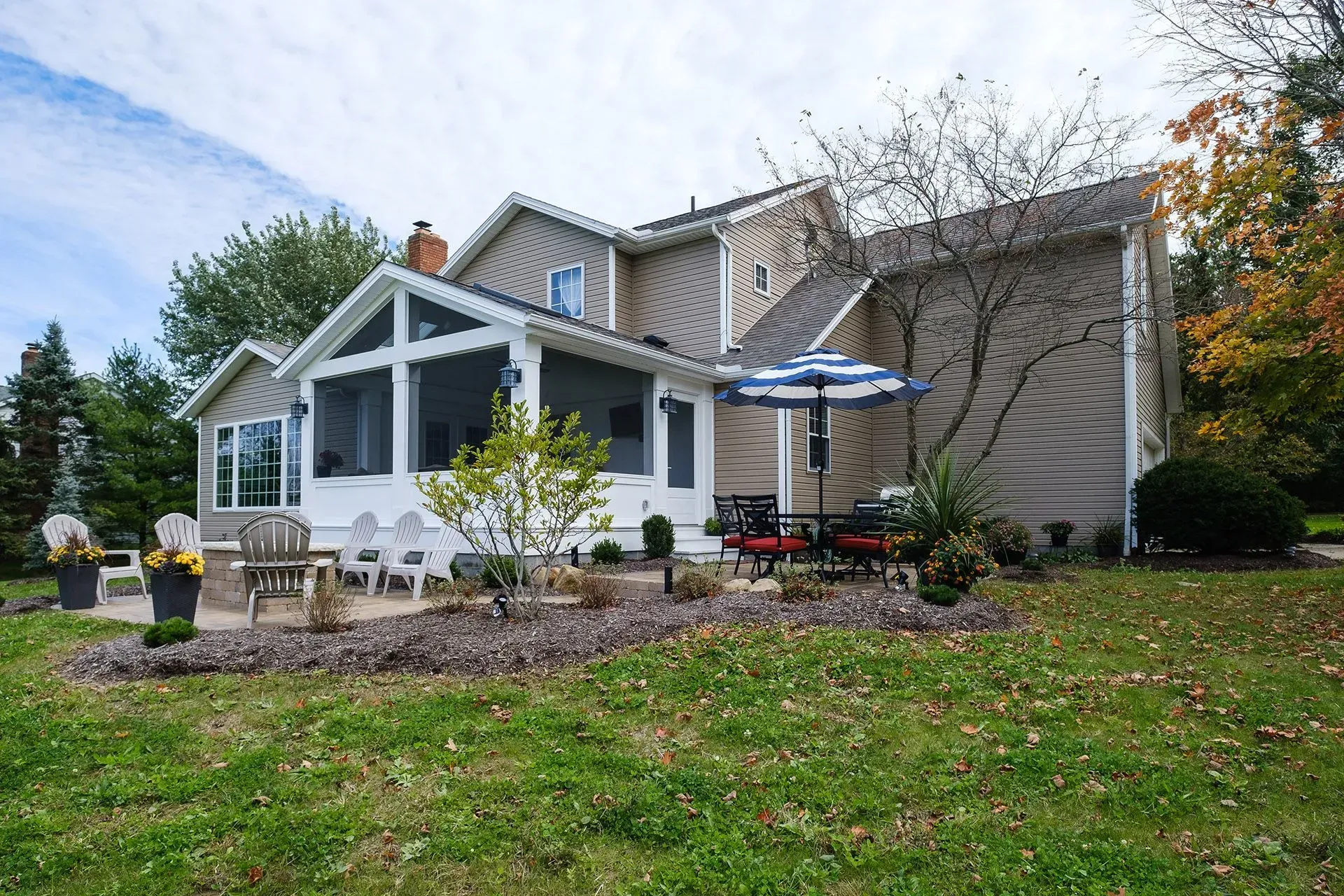
Ground-level additions allow new spaces to be added without altering the home’s vertical structure. This approach often works well when accessibility and ease of movement are primary concerns.


A ground-level addition may be preferable when:


  • Step-free living is important
  • The property has ample yard space
  • Structural limitations make vertical expansion complex
  • The addition is focused on shared living areas


Ground-level additions can feel more seamless when expanding kitchens, family rooms, or primary suites that benefit from direct outdoor access.

Structural Considerations That Shape the Decision

Structural feasibility plays a major role in choosing between vertical and horizontal expansion. A second-story addition requires careful evaluation of the foundation, load-bearing walls, and framing system.


Ground-level additions typically require new foundations and roof integration but place less stress on the existing structure. Each option carries different construction demands, which must be evaluated early to avoid surprises.


This is why feasibility planning is always the first step in our design-build process.

Interior Flow and Daily Usability

The way an addition affects interior flow is just as important as the added space itself.


Second-story additions introduce vertical circulation through staircases, which changes how people move through the home. Stair placement must be carefully planned so the main level remains functional and comfortable.


Ground-level additions extend circulation horizontally, often allowing for more open layouts. However, they can also lengthen walking distances if not planned thoughtfully.


The goal in either case is to improve how the home lives, not simply add square footage.

Lot Size, Setbacks, and Zoning Impact

Property constraints often influence which option is feasible. Lot size, setbacks, and zoning regulations can limit outward expansion, making a second-story addition the only viable solution.


In other cases, height restrictions or neighborhood guidelines may favor ground-level additions. Early zoning review ensures the design effort stays focused on realistic options.

Construction Impact and Living Disruption

Both types of additions involve construction disruption, but the experience differs.


Second-story additions often require roof removal and structural work, which can affect the entire home during construction. Ground-level additions typically concentrate construction to one area of the home.


Understanding how construction will impact daily life helps homeowners choose the option that best fits their situation.

Long-Term Flexibility and Lifestyle Planning

Choosing between vertical and horizontal expansion should also consider how the home will be used over time.


Second-story additions often support:


  • Growing families
  • Private bedroom zones
  • Flexible future use


Ground-level additions often support:


  • Aging in place
  • Accessible living
  • Strong indoor-outdoor connections


Neither option is inherently better. The best choice aligns with how the home will support its occupants in the years ahead.

Second-Story vs Ground-Level Additions at a Glance

Consideration Second-Story Addition Ground-Level Addition
Yard impact Preserves yard space Reduces yard area
Accessibility Requires stairs Step-free options
Structural needs Foundation and framing evaluation New foundation work
Interior flow Vertical circulation Horizontal circulation
Lot constraints Ideal for limited lots Requires adequate space
Long-term use Supports separation Supports accessibility

How Design-Build Simplifies the Decision

Deciding between a second-story and ground-level addition involves more than comparing layouts. Structural feasibility, zoning, interior flow, and construction sequencing must all be considered together.


As a design-build firm, Anthony Slabaugh Remodeling & Design evaluates these factors as a unified process. This allows homeowners to make informed decisions without juggling multiple opinions or incomplete information.


For homeowners exploring vertical expansion specifically, our Second-Story Additions page provides additional guidance on planning and execution.

Second-Story Additions Planning Resources

Frequently Asked Questions

  • Is a second-story addition more expensive than a ground-level addition?

    Costs depend on structure, scope, and complexity rather than height alone.

  • Which option causes more disruption during construction?

    Both involve disruption, but second-story additions often affect the entire home.

  • Can all homes support a second-story addition?

    Not all homes are immediately suited, which is why feasibility planning is essential.

  • Does Anthony Slabaugh Remodeling & Design help compare both options?

    Yes. We guide homeowners through both possibilities to determine the best fit.

Ready to Explore Your Best Expansion Option?

Choosing between a second-story addition and a ground-level addition is a major decision that shapes how your home functions for years to come. With thoughtful planning and an integrated design-build approach, the right choice becomes clear.


Anthony Slabaugh Remodeling & Design helps homeowners evaluate vertical and horizontal expansion with clarity, experience, and care. If you are considering a home addition and want guidance grounded in thoughtful planning, we invite you to start a conversation with our team.


Contact Anthony Slabaugh Remodeling & Design to schedule a consultation and take the next step toward expanding your home with confidence.

Recent Posts


Room Additions for Growing Families | Anthony Slabaugh Remodeling & Design
By Anthony Slabaugh February 11, 2026
Learn smart room addition ideas for growing families, from extra bedrooms to flexible living spaces planned through a thoughtful design-build process.
Foundation Requirements for Room Additions | Anthony Slabaugh Remodeling & Design
By Anthony Slabaugh February 11, 2026
Learn what foundation requirements affect room additions, including load support, soil conditions, and structural planning, from Anthony Slabaugh Remodeling & Design.
Design Mistakes to Avoid When Planning a Room Addition | Anthony Slabaugh Remodeling & Design
By Anthony Slabaugh February 11, 2026
Avoid common room addition design mistakes that impact comfort, flow, and long-term performance with planning insights from Anthony Slabaugh Remodeling & Design.
How Natural Light Should Influence a Room Addition Design | Anthony Slabaugh Remodeling & Design
By Anthony Slabaugh February 11, 2026
Learn how natural light impacts room addition design, from window placement to daylight flow, with planning insights from Anthony Slabaugh Remodeling & Design.
Why Design-Build Is the Safest Approach for Room Additions | Anthony Slabaugh Remodeling & Design
By Anthony Slabaugh February 11, 2026
Learn why design-build is the safest approach for room additions and how integrated planning reduces risk, improves flow, and delivers better long-term results.
What Happens During a Second-Story Structural Evaluation
By Anthony Slabaugh February 10, 2026
Learn what’s involved in a second-story structural evaluation, including load-bearing analysis and foundation reinforcement, before planning a vertical addition.
Where to Add a Staircase in a Second-Story Addition
By Anthony Slabaugh February 10, 2026
Learn the best staircase placement options for a second-story addition and how thoughtful planning improves interior flow, comfort, and usability.
Can My Home Support a Second-Story Addition
By Anthony Slabaugh February 10, 2026
Learn how to determine whether your home can support a second-story addition, including structural requirements, planning considerations, and feasibility factors.
In-Law Suite Addition Timeline: What to Expect From Start to Finish
By Anthony Slabaugh January 29, 2026
Learn the typical in-law suite addition timeline, from planning and design through construction, and what factors influence each phase.
How Much Does an In-Law Suite Addition Cost?
By Anthony Slabaugh January 29, 2026
Learn what affects in-law suite addition cost, from layout and structure to accessibility and planning, with guidance from Anthony Slabaugh Remodeling & Design.

Room Additions for Growing Families | Anthony Slabaugh Remodeling & Design
By Anthony Slabaugh February 11, 2026
Learn smart room addition ideas for growing families, from extra bedrooms to flexible living spaces planned through a thoughtful design-build process.
Foundation Requirements for Room Additions | Anthony Slabaugh Remodeling & Design
By Anthony Slabaugh February 11, 2026
Learn what foundation requirements affect room additions, including load support, soil conditions, and structural planning, from Anthony Slabaugh Remodeling & Design.
Design Mistakes to Avoid When Planning a Room Addition | Anthony Slabaugh Remodeling & Design
By Anthony Slabaugh February 11, 2026
Avoid common room addition design mistakes that impact comfort, flow, and long-term performance with planning insights from Anthony Slabaugh Remodeling & Design.
How Natural Light Should Influence a Room Addition Design | Anthony Slabaugh Remodeling & Design
By Anthony Slabaugh February 11, 2026
Learn how natural light impacts room addition design, from window placement to daylight flow, with planning insights from Anthony Slabaugh Remodeling & Design.
Why Design-Build Is the Safest Approach for Room Additions | Anthony Slabaugh Remodeling & Design
By Anthony Slabaugh February 11, 2026
Learn why design-build is the safest approach for room additions and how integrated planning reduces risk, improves flow, and delivers better long-term results.
What Happens During a Second-Story Structural Evaluation
By Anthony Slabaugh February 10, 2026
Learn what’s involved in a second-story structural evaluation, including load-bearing analysis and foundation reinforcement, before planning a vertical addition.
More Posts