

Architectural proportion is not decorative. It is structural.
When homeowners describe a renovation as feeling balanced, calm, or refined, they are often responding to proportion that has been structurally supported rather than visually imposed.
In Hudson, Akron & surrounding areas, many whole home remodel projects involve modifying load-bearing walls, expanding openings, or integrating additions. These structural adjustments influence proportion directly.
Structural balance and architectural proportion cannot be separated.
What Architectural Proportion Really Means
Proportion refers to the relationship between:
- Ceiling height and room width
- Opening scale and wall mass
- Beam depth and ceiling plane
- Column placement and room hierarchy
- Floor span and spatial rhythm
These relationships determine whether a space feels intentional.
When structural changes are introduced without evaluating proportion, balance can shift.
Architectural proportion remodel planning ensures that structural modifications reinforce spatial harmony rather than disrupt it.
How Structural Changes Influence Spatial Balance
Every structural intervention alters force distribution and visual perception.
For example:
- Removing a load-bearing wall may require a deeper beam that changes ceiling alignment.
- Enlarging an opening without recalibrating height can flatten hierarchy.
- Extending a span without adjusting proportion can create visual imbalance.
Structural reconfiguration must be paired with proportional evaluation.
Engineering supports balance.
Structural Elements That Shape Proportion
Structural remodeling frequently affects proportion through:
- Beam sizing
- Column placement
- Joist span adjustments
- Foundation reinforcement
- Framing realignment
Each element influences how the room is experienced.
In established communities such as Bath and Chagrin Falls, many homes reflect carefully scaled architectural language. Structural balance must respect that framework.
When structural interventions align with proportion, the result feels cohesive rather than imposed.
Structural Balance and Proportion Overview
| Structural Element | Proportional Impact | Planning Consideration |
|---|---|---|
| Beam depth | Alters ceiling plane perception | Integrate into architectural detail |
| Opening width | Affects room hierarchy | Calibrate to ceiling height |
| Column placement | Influences circulation and symmetry | Align with spatial rhythm |
| Floor span extension | Changes volume perception | Maintain balanced proportions |
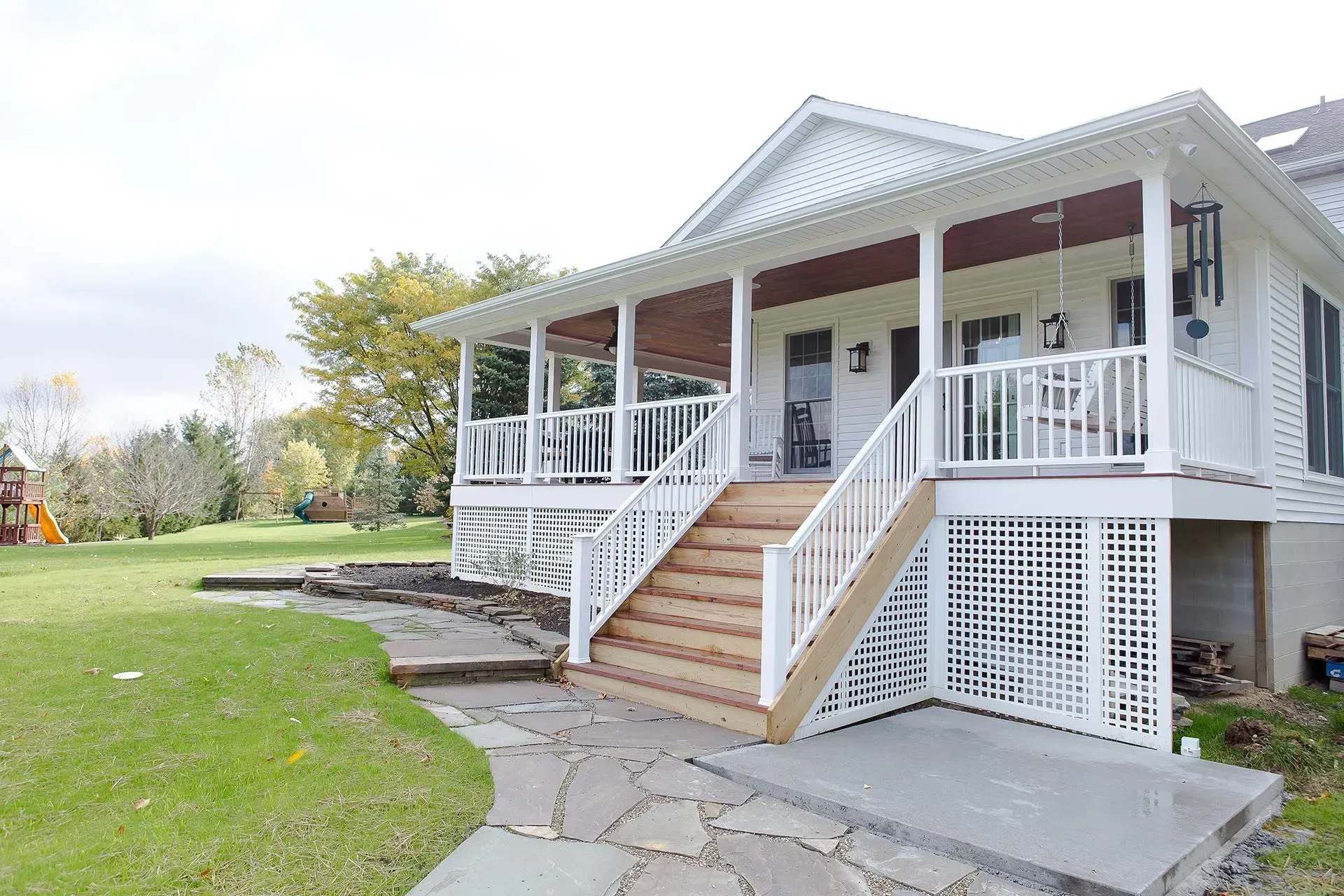
| Addition tie-in | Impacts visual continuity | Reconcile old and new scale |
Proportion is preserved through alignment, not correction.
The Relationship Between Engineering and Refinement
Structural engineering is often viewed strictly as a safety measure. In high-level remodeling, it also protects architectural refinement.
Proper beam integration prevents ceiling fragmentation. Accurate load redistribution maintains floor alignment. Foundation evaluation prevents long-term settlement that can distort proportion over time.
Engineering discipline supports aesthetic discipline.
For broader insight into structural planning strategy, visit our Structural Home Remodeling page.
You may also find our article on How Structural Remodeling Improves Interior Flow and Proportion in Older Homes helpful for understanding spatial recalibration.
Why Proportion Requires Coordinated Design-Build Planning
Architectural proportion cannot be resolved after structural decisions are finalized.
Within a unified design-build framework, structural feasibility and spatial refinement are evaluated simultaneously.
Anthony Slabaugh Remodeling & Design approaches architectural proportion remodel planning with this coordination in mind. Load paths, beam integration, and framing alignment are studied alongside ceiling relationships and opening scale before construction begins.
The result is structural balance that supports architectural intention.
Long-Term Stability and Visual Harmony
When structural and proportional planning align, homeowners experience:
- Consistent ceiling relationships
- Balanced opening dimensions
- Controlled sightlines
- Stable floor alignment
- Integrated additions
The home feels composed rather than altered.
Structural balance protects not only safety, but the visual integrity of the renovation for decades.
Frequently Asked Questions
What is architectural proportion in remodeling?
Architectural proportion refers to the relationship between spatial dimensions such as ceiling height, opening scale, and room width, supported by structural alignment.
How do structural changes affect proportion?
Beam sizing, span extension, and column placement influence how volume and balance are perceived within a space.
Can proportion issues be corrected after construction?
Minor visual adjustments may be possible, but structural imbalance is more difficult to revise once framing is complete
Is engineering involved in proportion planning?
Yes. Structural engineering ensures that proportional adjustments remain safe and properly supported.
When should proportion be evaluated in remodeling?
During early structural planning, before layout drawings and framing modifications are finalized.
Remodeling With Structural and Architectural Alignment
renovation that feels assembled and one that feels composed.
Anthony Slabaugh Remodeling & Design works with homeowners in Hudson, Akron & surrounding areas to integrate engineering discipline with architectural refinement throughout structural home remodeling.