
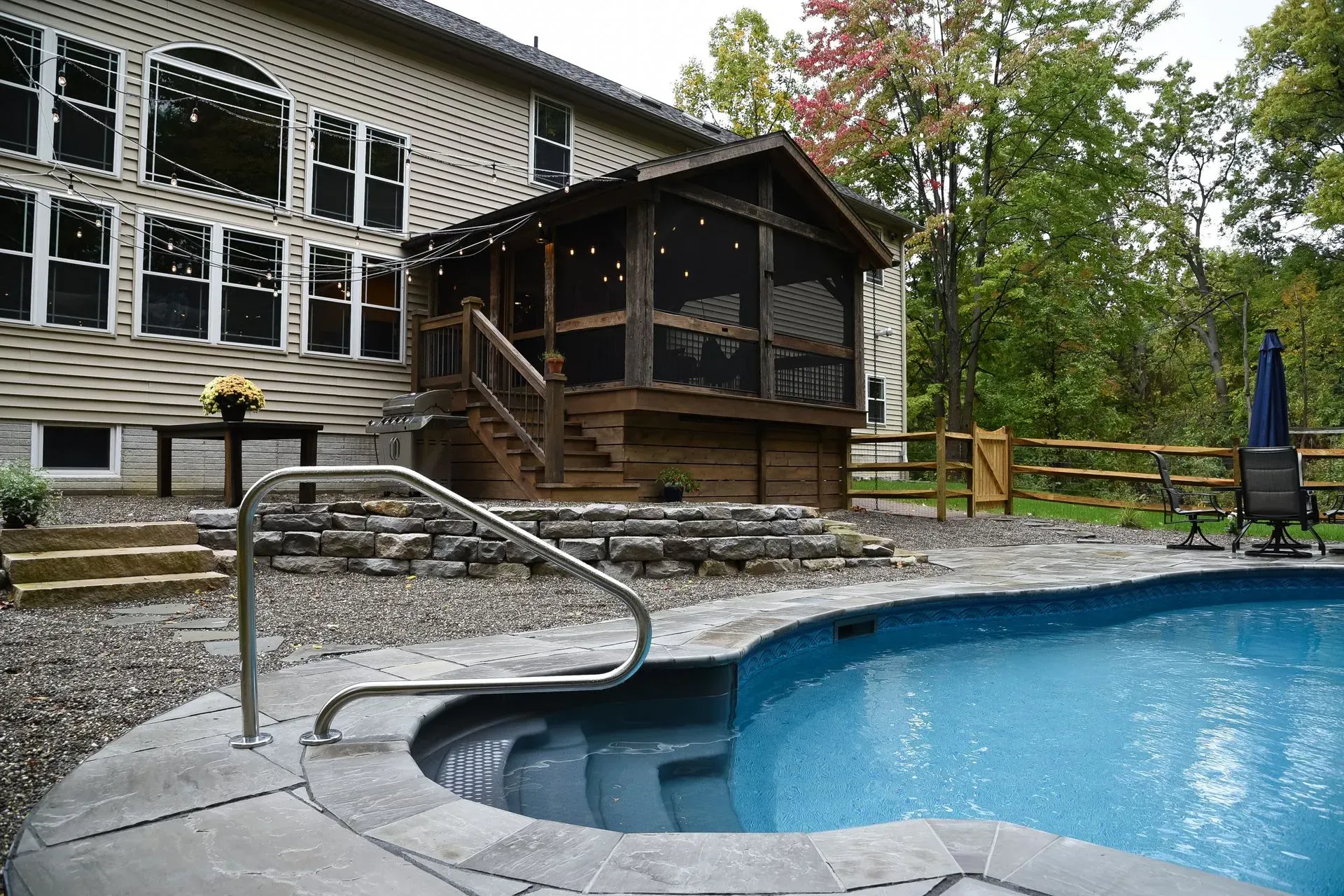
When planning an in-law suite addition, one of the first and most important decisions is whether the space should be attached to the home or built as a detached structure. Both options can support independent living, but each comes with different planning considerations, lifestyle impacts, and cost implications.
At Anthony Slabaugh Remodeling & Design, we help homeowners evaluate attached and detached in-law suite additions through thoughtful planning rather than assumptions. The right choice depends on how the space will be used, how the property is configured, and what will best support long-term living.
Understanding the Difference Between Attached and Detached In-Law Suites
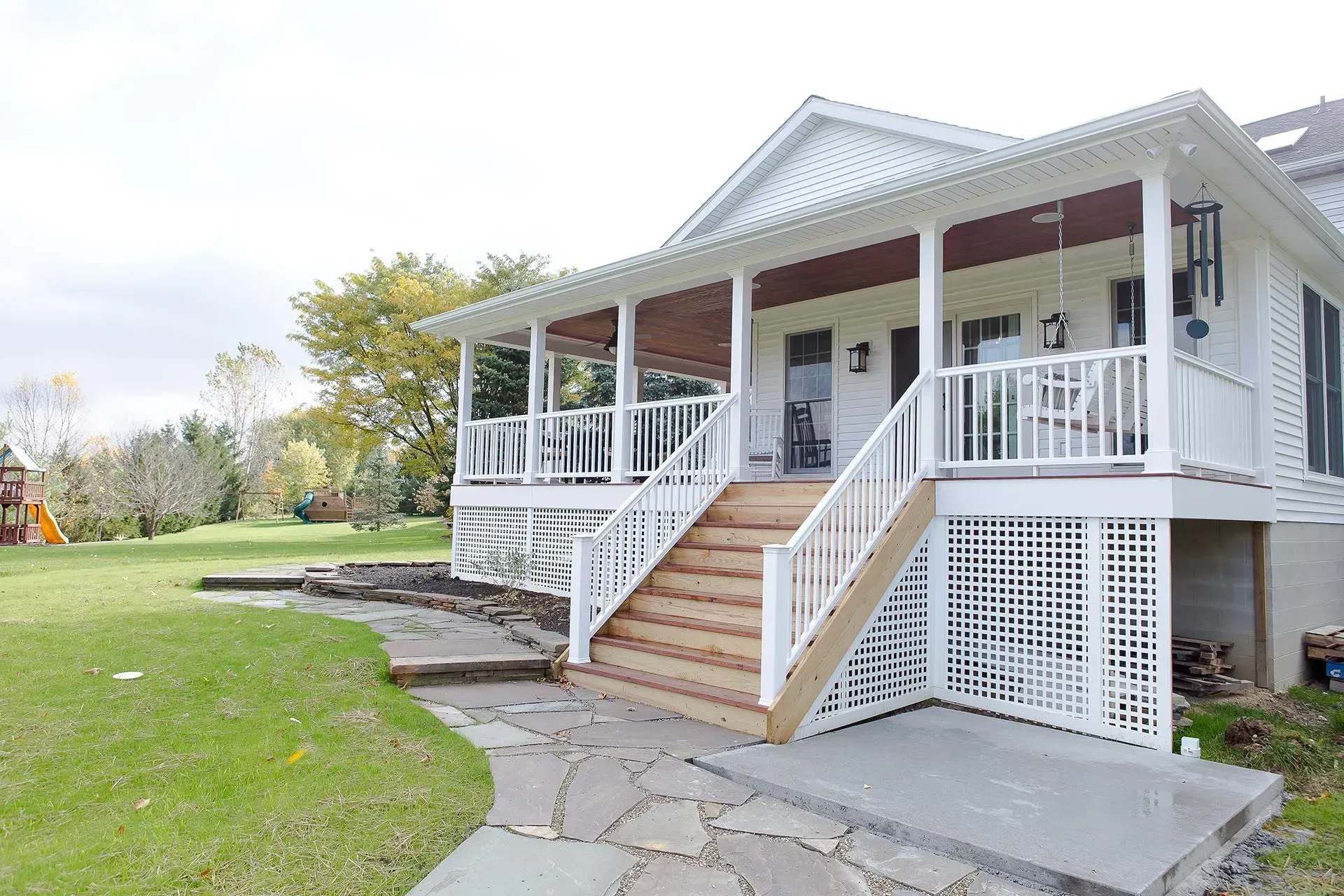
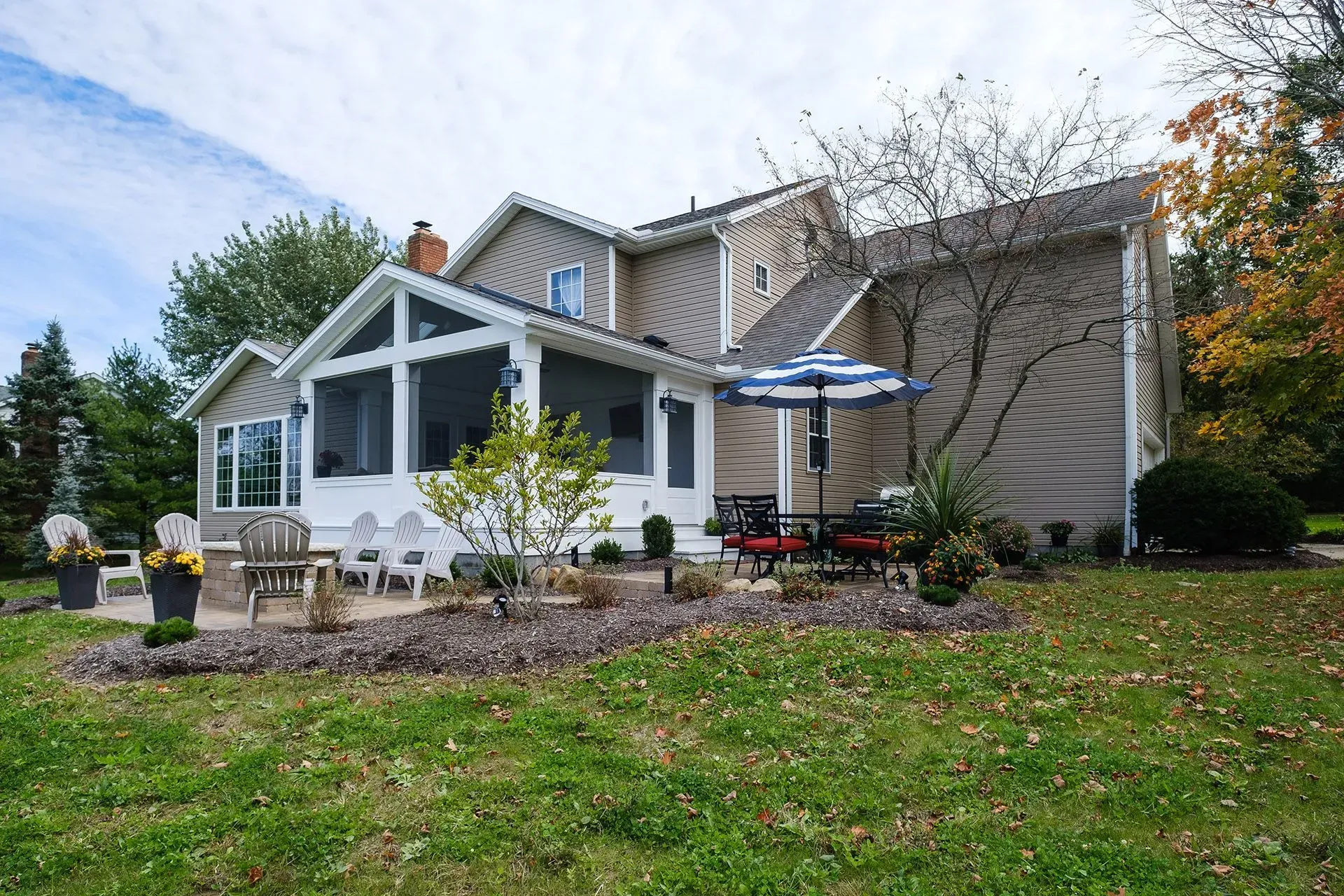
An attached in-law suite is physically connected to the main home. It may share walls, utilities, and circulation paths while still functioning as a private living space.
A detached in-law suite addition is a separate structure located elsewhere on the property. It offers greater separation but requires independent construction and infrastructure planning.
Both options can be designed intentionally. The decision is less about which is better overall and more about which aligns with your household’s needs.
Benefits of an Attached In-Law Suite Addition
An attached in-law suite is often chosen for its convenience and integration with the existing home. This option works especially well when proximity, accessibility, and efficiency are priorities.
Common advantages include:
- Easier access between households
- Shared structural elements that can reduce construction complexity
- Seamless interior and exterior integration
- Often more cost-efficient than detached options
Attached suites are frequently selected when aging in place or close family support is a primary goal.
Benefits of a Detached In-Law Suite Addition
A detached in-law suite addition provides greater physical separation, which can be appealing for households prioritizing independence.
Benefits may include:
- Increased privacy for both households
- Reduced noise transfer
- Clear separation of daily routines
- Greater flexibility on larger properties
Detached suites often feel more like a standalone residence, which can be ideal for long-term multi-generational living when space allows.
Attached vs Detached In-Law Suite Additions at a Glance
| Comparison Area | Attached In-Law Suite | Detached In-Law Suite |
|---|---|---|
| Connection to Home | Physically connected | Separate structure |
| Privacy Level | Moderate with shared structure | Higher due to separation |
| Accessibility | Easier for aging in place | Requires exterior travel |
| Construction Complexity | Often simpler | More complex |
| Cost Considerations | Typically more efficient | Often higher investment |
| Integration | Seamless flow | Independent living feel |
| Best For | Aging parents, close family | Long-term independence |
How Privacy and Independence Influence the Decision
Privacy expectations often determine whether an attached or detached suite makes more sense. While both options can support independence, the experience differs.
Attached in-law suites rely on sound separation, thoughtful access points, and clear transitions. Detached suites naturally provide separation but require additional planning to maintain connection when desired.
Understanding daily interaction expectations early helps guide the decision.
Cost Considerations for Attached vs Detached In-Law Suites
Cost differences typically come down to infrastructure.
Attached in-law suite additions often share:
- Foundations
- Rooflines
- Plumbing and utilities
Detached in-law suite additions usually require:
- A separate foundation
- Independent utility connections
- Additional exterior construction
Because of this, detached suites often involve higher investment levels. For more detail, explore our
in-law suite addition cost and planning resources.
Accessibility and Long-Term Living Considerations
For homeowners planning for aging in place, accessibility is a major factor.
Attached suites often provide easier access to shared spaces and support systems. Detached suites may require outdoor travel, which should be carefully evaluated for long-term comfort and safety.
Planning for future needs early ensures the space remains functional over time.
Property Size, Layout, and Zoning Feasibility
Lot size, setbacks, zoning regulations, and existing structures all influence feasibility.
Attached in-law suite additions are often more practical on smaller lots, while detached suites typically require more space and regulatory review.
Early feasibility planning helps determine what is possible before committing to a specific direction.
Why Design-Build Planning Matters
Both attached and detached in-law suite additions require close coordination between design and construction. Without integrated planning, misalignment can lead to delays or unnecessary costs.
As experienced
in-law suite addition contractors, Anthony Slabaugh Remodeling & Design manages planning, design, and construction through a design-build process. This allows options to be evaluated holistically rather than in isolation.
Which Option Is Right for Your Home?
An attached in-law suite addition is often the better choice when:
- Accessibility and proximity matter
- The existing home layout supports integration
- Budget efficiency is important
A detached in-law suite addition may be better when:
- Privacy is a top priority
- The property allows for separation
- Independent living is the primary goal
The right solution depends on lifestyle, property conditions, and long-term plans.
In-Law Suite Planning Resources
If you are continuing to explore your options, these guides may help:
Frequently Asked Questions
Is an attached in-law suite more affordable than a detached one?
In many cases, yes. Shared systems often reduce construction complexity and cost.
Do detached in-law suites offer more privacy?
Yes. Detached suites provide greater physical separation.
Can both options be designed for aging in place?
Yes, but attached suites often offer easier long-term accessibility.
Does zoning affect detached in-law suites?
Yes. Zoning and property regulations can impact feasibility.
Can Anthony Slabaugh Remodeling & Design help evaluate both options?
Yes. We guide homeowners through planning to determine the best solution.
Ready to Plan Your In-Law Suite Addition?
Choosing between an attached or detached in-law suite addition starts with thoughtful planning and honest evaluation of how your household lives.
At Anthony Slabaugh Remodeling & Design, we help homeowners explore options with clarity and confidence through a design-build process.
If you are considering an in-law suite addition and want guidance tailored to your home, we invite you to start a conversation with our team.