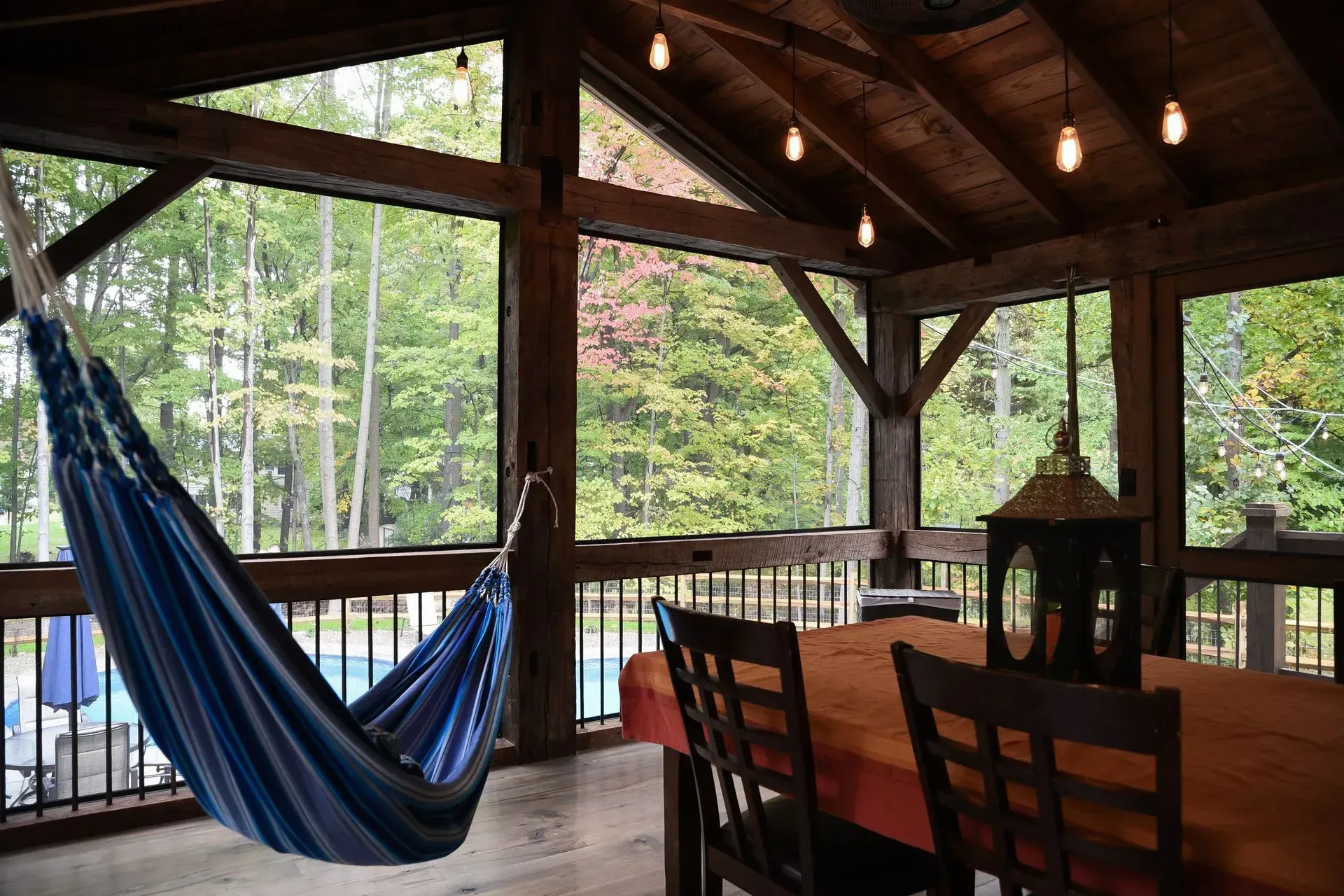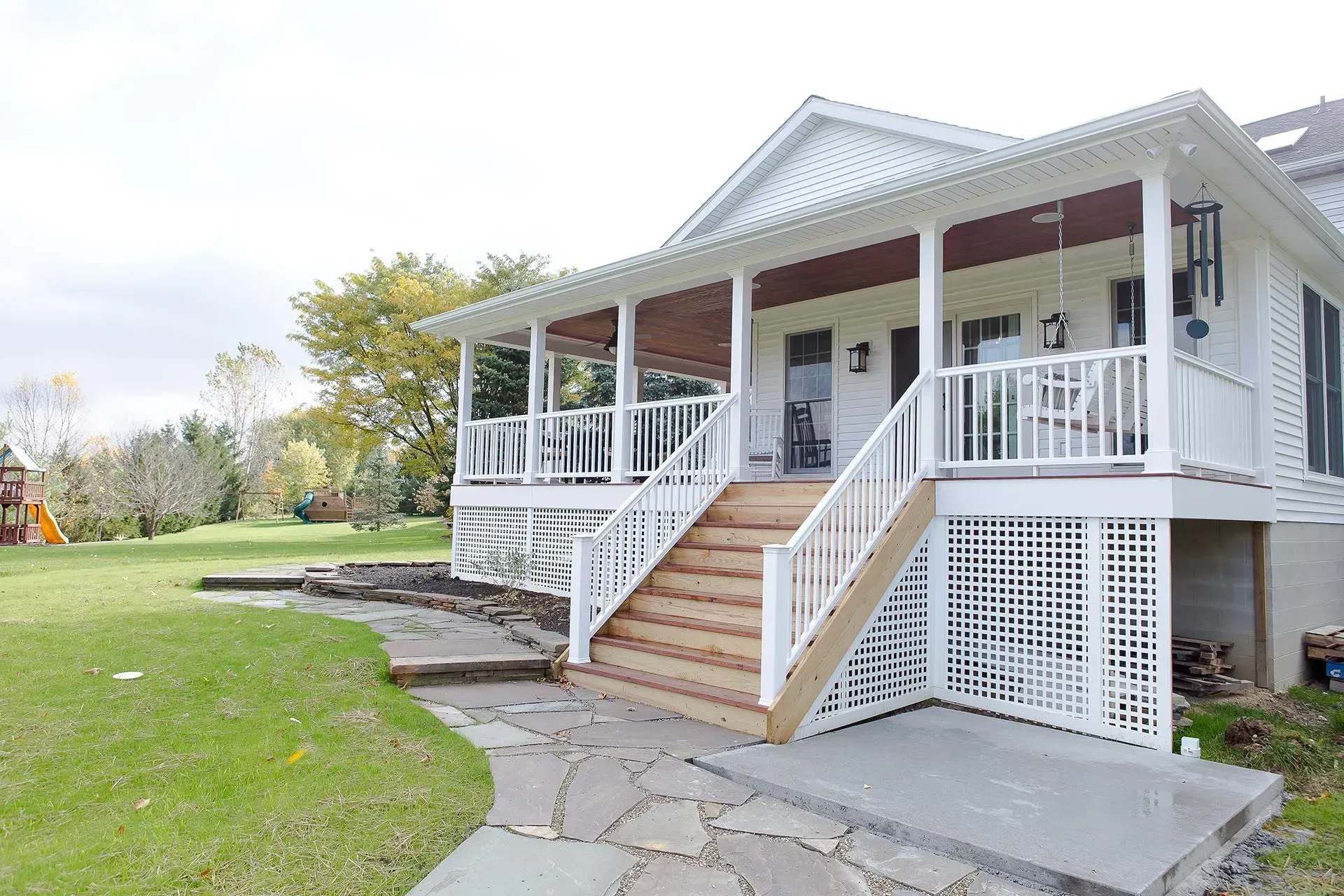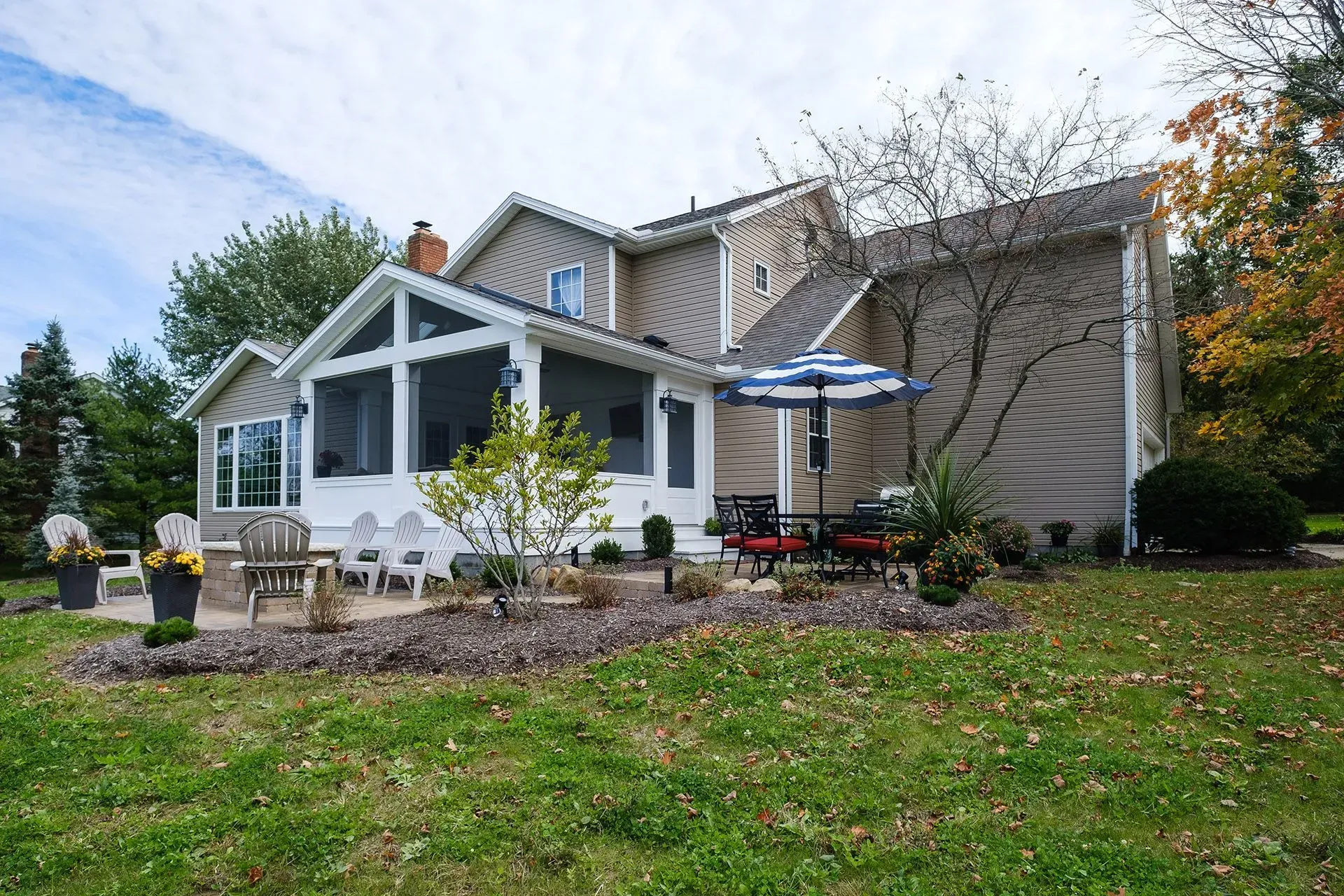

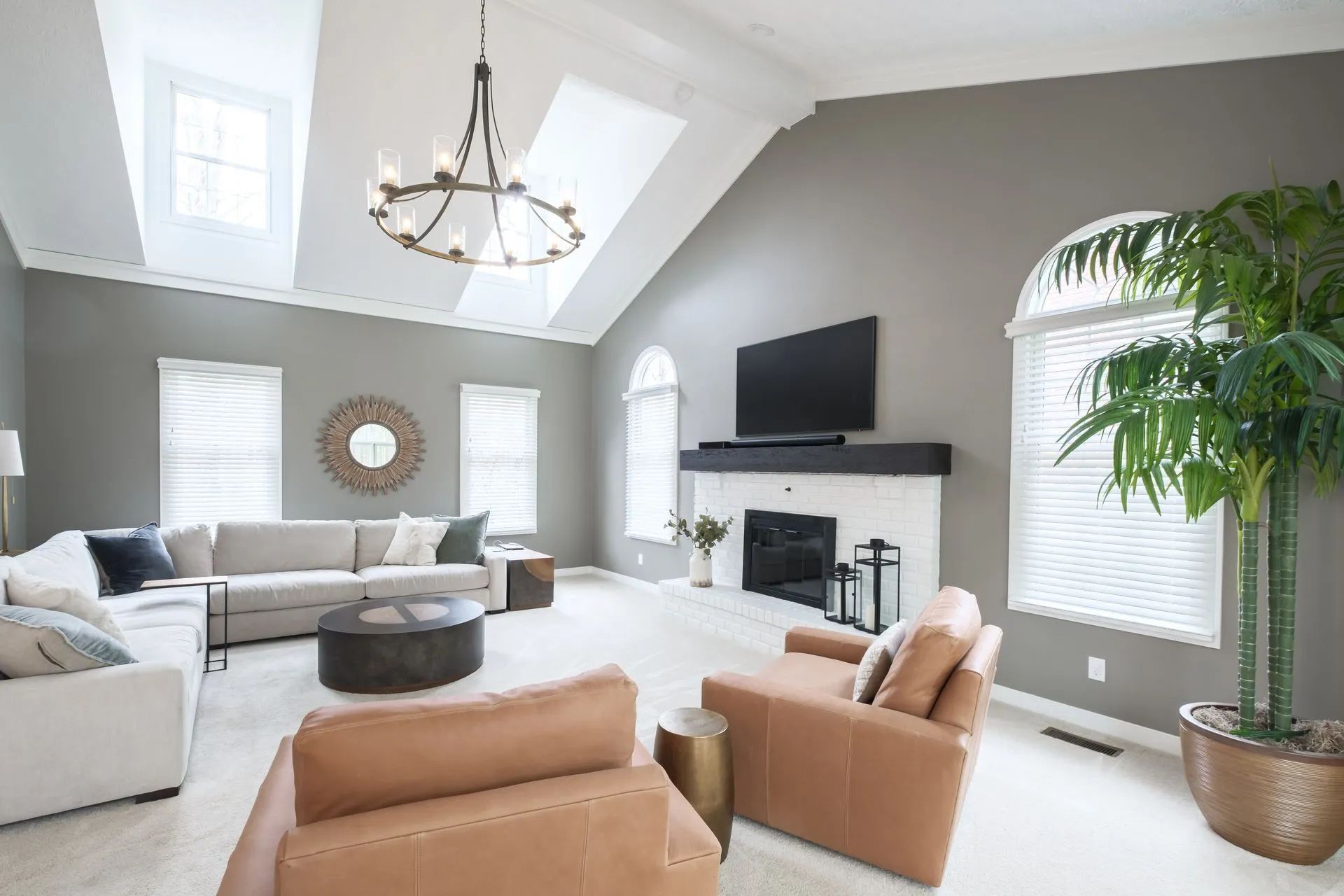
A successful in-law suite addition is not defined by square footage alone. The floor plan determines how the space feels, how private it is, and how comfortably it supports daily living over time. Even a well-built addition can fall short if the layout does not properly balance independence with connection.
At Anthony Slabaugh Remodeling & Design, we approach in-law suite floor plans with a planning-first mindset. Our design-build process allows us to create layouts that feel intentional, comfortable, and well-integrated with the rest of the home rather than isolated or awkwardly attached.
If you are exploring in-law suite floor plans or gathering in-law suite layout ideas, understanding how privacy and comfort are achieved through layout is one of the most important early steps.
Why Floor Plan Design Matters More Than Size
Many homeowners assume that a larger in-law suite automatically means a better living experience. In reality, thoughtful layout decisions often matter more than total square footage.
A well-designed floor plan:
- Supports daily routines without unnecessary walking
- Creates clear boundaries between shared and private spaces
- Feels comfortable rather than cramped or oversized
- Adapts more easily as needs change over time
Poor layouts, even in larger additions, can feel disconnected, noisy, or inconvenient.
Core Principles of a Comfortable In-Law Suite Layout
While every home and family situation is different, successful in-law suite floor plans tend to follow a few consistent principles.
Privacy should be layered rather than absolute. The suite should feel separate enough to function independently, while still maintaining a natural connection to the main home.
Circulation should be intuitive. Movement from bedroom to bathroom to living space should feel easy and logical without long hallways or awkward turns.
Natural light and orientation matter. Floor plans that account for windows, views, and daylight feel more comfortable and welcoming.
Common In-Law Suite Floor Plan Configurations
There is no single “best” layout, but certain configurations consistently perform well for long-term living.
Bedroom-First Layouts
In these layouts, the bedroom is positioned deeper within the suite, away from shared walls or main living areas. This improves privacy and reduces noise transfer.
Living-Zone Buffer Layouts
A small sitting or living area acts as a buffer between the bedroom and the rest of the home. This creates a psychological and physical transition that enhances independence.
Bathroom-Centered Layouts
Placing the bathroom between the bedroom and shared walls can help with sound separation while keeping plumbing efficient.
Each of these layout ideas can be adjusted based on accessibility needs, available space, and how the suite connects to the main home.
Balancing Connection Without Sacrificing Independence
One of the biggest challenges in in-law suite planning is finding the right balance between connection and autonomy.
Floor plans that work well often:
- Avoid placing bedroom walls directly against high-traffic areas
- Use short transition spaces rather than long corridors
- Provide visual separation without complete isolation
This balance supports long-term harmony within multi-generational households.
Accessibility and Long-Term Comfort in Floor Plan Design
Many in-law suites are designed with long-term use in mind, even if accessibility is not immediately required.
Floor plan considerations often include:
- Minimal level changes
- Wider circulation paths
- Clear bathroom access
- Space planning that allows for future modifications
Designing with adaptability in mind early helps avoid disruptive changes later.
Attached In-Law Suite Floor Plans
Attached in-law suite layouts must carefully consider how the addition connects to the existing home. Poorly planned connections can make the suite feel like an afterthought.
Successful attached floor plans prioritize:
- Clear transitions between old and new spaces
- Logical entry points
- Sound separation
- Visual continuity with the main home
For a broader overview, visit our In-Law Suite Additions page to see how layout planning fits into the full design-build process.
In-Law Suite Floor Plan Considerations at a Glance
| Layout Focus | Planning Priority | Result |
|---|---|---|
| Bedroom placement | Noise reduction | Better rest |
| Living area | Independence | Daily comfort |
| Bathroom location | Accessibility | Long-term use |
| Circulation | Ease of movement | Less strain |
| Connection points | Privacy balance | Natural flow |
Why Floor Plans Should Be Developed Through Design-Build
Floor plans should never be developed in isolation from construction realities. Structural constraints, rooflines, foundation conditions, and mechanical systems all influence what layouts are truly viable.
Through a design-build approach, layout ideas are evaluated alongside construction feasibility from the beginning. This avoids late-stage redesigns and helps ensure the final floor plan works as intended.
Planning Resources for In-Law Suite Layouts
If you are still exploring your options, these resources may help guide your planning:
Frequently Asked Questions
How many rooms should an in-law suite include?
Most in-law suites include a bedroom, bathroom, and some form of living space, but the layout should reflect daily use rather than a fixed room count.
Do in-law suite floor plans need separate entrances?
Not always. Some layouts function well with shared entry points, while others benefit from private or semi-private access.
How much space does an in-law suite need to feel comfortable?
Comfort depends more on layout efficiency than square footage. Thoughtful planning often matters more than size.
Can floor plans be designed for future accessibility?
Yes. Planning for adaptability early makes long-term use easier and more comfortable.
Does Anthony Slabaugh Remodeling & Design help with floor plan design?
Yes. Floor plan development is a core part of our design-build in-law suite process.
Ready to Plan an In-Law Suite That Truly Works?
The right in-law suite floor plan supports privacy, comfort, and independence without feeling disconnected from the home.
At Anthony Slabaugh Remodeling & Design, we guide homeowners through layout planning with clarity and intention so the finished space supports daily living for years to come.
If you are ready to explore in-law suite layout ideas tailored to your home and goals, we invite you to start a conversation with our team.