
Corners are among the most underutilized areas in residential design.
In many homes, corners become wasted square footage, awkward cabinetry zones, or visually stagnant areas that interrupt flow. While walls, windows, and major rooms receive attention during remodeling, corner conditions often remain unresolved.
Advanced corner space planning addresses these overlooked junctions and transforms them into purposeful, architectural features.
In Hudson, Akron & surrounding areas, where remodeling frequently involves reworking existing layouts rather than building from scratch, thoughtful corner optimization can significantly improve function without increasing square footage.
Efficiency often begins at the edge.
Why Corners Frequently Fail in Home Layouts
Corner spaces are challenging because they sit at the intersection of two planes. Without intentional planning, they can create:
- Dead visual zones
- Inefficient cabinetry layouts
- Awkward circulation intersections
- Underutilized storage
- Disconnected furniture placement
In kitchens, corners may produce inaccessible cabinets. In living spaces, they can interrupt circulation loops. In bedrooms, they may limit furniture flexibility.
These inefficiencies compound across the home.
Corner refinement improves overall spatial performance.
Types of Corner Conditions in Remodeling
Not all corners function the same way. During space planning, designers evaluate several corner categories:
| Corner Type | Common Issue | Design Opportunity |
|---|---|---|
| Kitchen cabinetry corners | Limited accessibility | Integrated storage systems |
| Exterior window corners | Poor light distribution | Expanded glazing strategy |
| Circulation junction corners | Congestion | Redirected pathway alignment |
| Living room furniture corners | Dead zones | Built-in or reading niche |
| Structural framing corners | Load complexity | Architectural reinforcement opportunity |
Identifying these risks early prevents reactive corrections mid-project.
Corner Planning in Kitchen Design
Kitchen layouts are especially sensitive to corner inefficiencies.
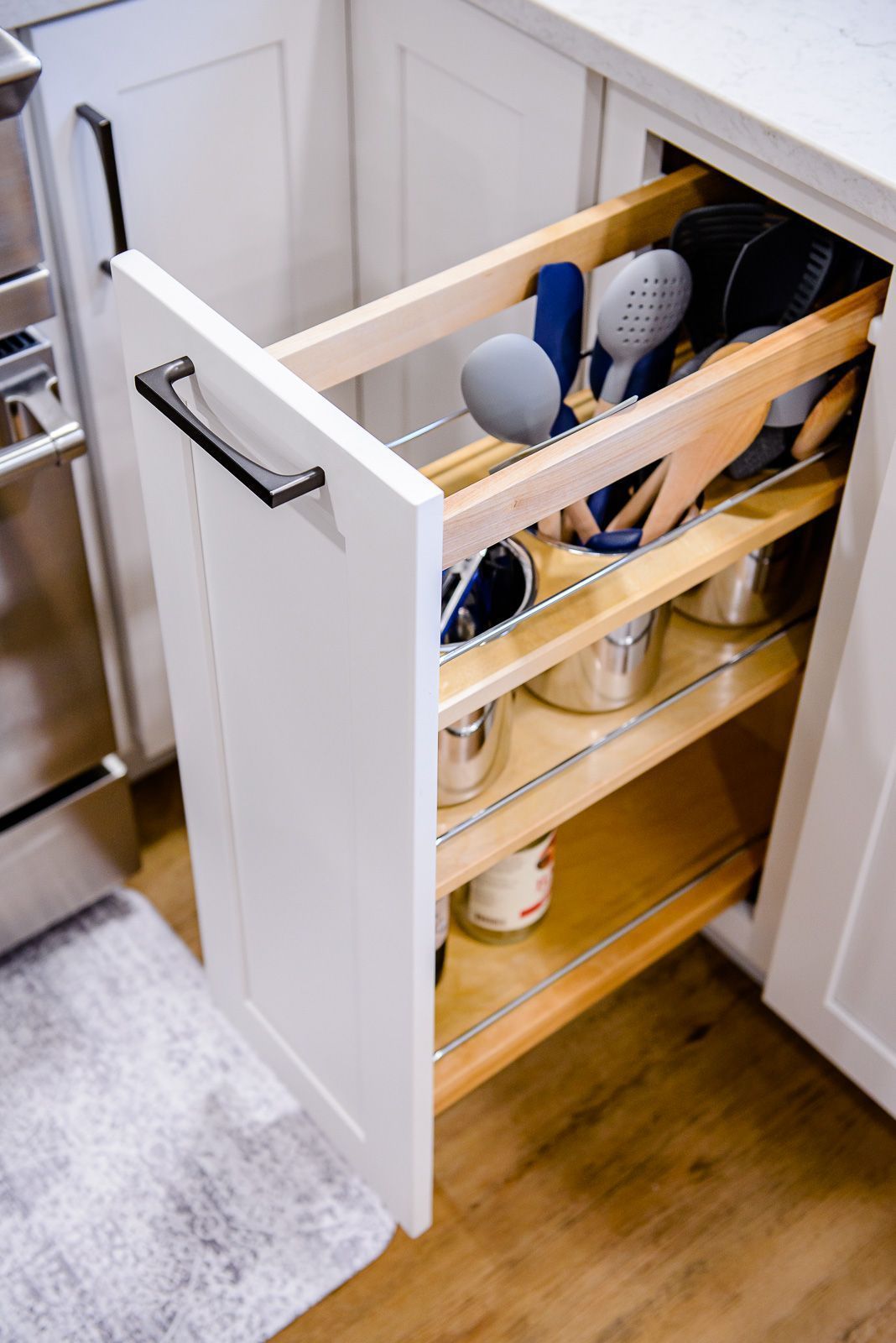
Traditional corner cabinets often create inaccessible voids. In high-end remodeling, solutions may include:
- Diagonal corner integration
- Custom pull-out storage
- Open shelving transitions
- Island reorientation to reduce hard corners
Refining kitchen corners improves both workflow and visual continuity.
In established communities such as Bath and Chagrin Falls, where many kitchens were originally compartmentalized, remodeling provides an opportunity to recalibrate corner relationships within larger open layouts.
Function improves without visible complexity.
Circulation and Corner Alignment
Corners also influence movement.
When circulation pathways intersect awkwardly at a 90-degree junction, congestion often results. Slight wall shifts or opening adjustments can soften these transitions.
Advanced corner space planning may involve:
- Angled wall segments
- Widened transitions
- Framed openings that redirect flow
- Built-in elements that guide movement
Anthony Slabaugh Remodeling & Design incorporates corner analysis into our Space Planning & Layout Design process, ensuring that circulation and structural alignment remain coordinated.
You may also find our article on Circulation Loop Design helpful for understanding how movement patterns intersect with layout geometry.
Architectural Niches and Functional Corners
Not every corner must be eliminated or softened.
Some corners present opportunities for enhancement:
- Reading alcoves
- Built-in shelving
- Accent lighting
- Sculptural stair transitions
- Integrated bench seating
These features convert potential dead space into architectural moments.
Well-designed corners add character.
Structural and Lighting Considerations
Corner refinement sometimes intersects with structural planning.
Altering a corner wall may require load evaluation. Expanding glazing at an exterior corner affects framing spans and insulation detailing.
Lighting also plays a role. Corners often accumulate shadow if not intentionally illuminated. Layered lighting strategies can prevent visual heaviness.
Within a coordinated design-build process, these structural and lighting variables are addressed early to protect proportion and long-term performance.
For more information about our planning philosophy, visit our Space Planning & Layout Design page.
The Impact on Perceived Space
Optimizing corners improves more than efficiency.
It enhances:
- Visual openness
- Furniture flexibility
- Storage accessibility
- Flow continuity
- Natural light distribution
Small refinements accumulate into noticeable improvements.
High-end remodeling often focuses on these subtle spatial corrections rather than dramatic enlargement.
Precision defines refinement.
Frequently Asked Questions
Why are corner spaces often inefficient?
They sit at the intersection of two walls, which can limit accessibility and disrupt circulation if not planned carefully.
Yes. Refining corners often improves usable space without increasing square footage.
Do corner modifications require structural review?
If load-bearing walls are involved, structural evaluation is necessary before modification.
Are corner windows beneficial?
When aligned proportionally, corner glazing can enhance light distribution and visual openness.
When should corner planning be addressed?
During early layout development before cabinetry and structural framing decisions are finalized.
Client Feedback on Our Layout Planning
Homeowners frequently note that after remodeling, their spaces feel more usable without being larger. By refining overlooked corner conditions, we improve function and flow in subtle but meaningful ways. We invite you to read our Google reviews to learn more about their experiences.
Refining the Overlooked Details
Corners may appear minor, but they influence layout performance across the entire home.
Anthony Slabaugh Remodeling & Design works with homeowners in Hudson, Akron & surrounding areas to integrate advanced corner space planning into architectural layout refinement that prioritizes proportion, flow, and structural clarity.