
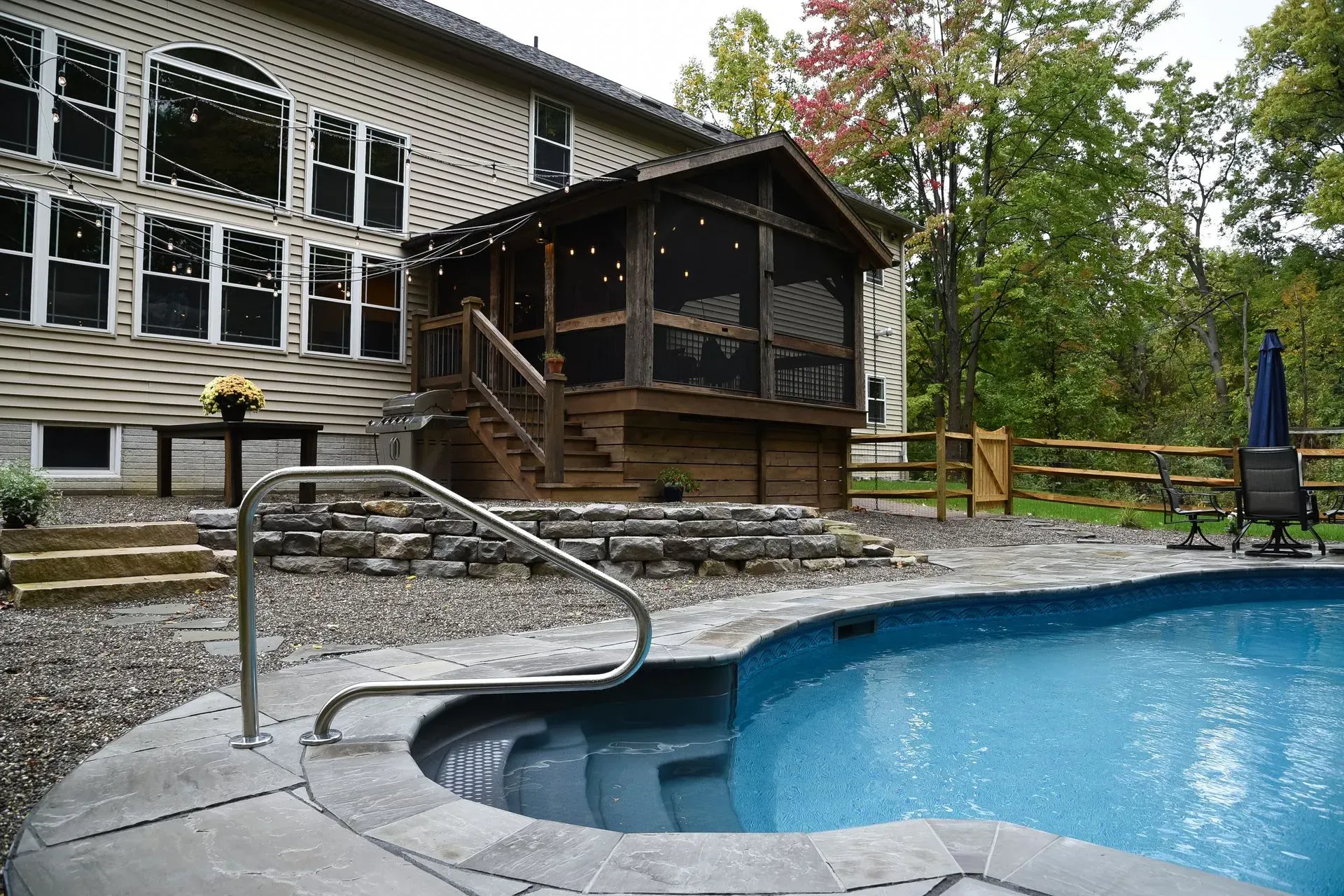
Deck Layout Ideas for Dining, Grilling, Seating, and Yard Access

Conflicting plans are not inevitable in remodeling. They result from fragmented structure.
Anthony Slabaugh Remodeling & Design provides design-build home renovation services for homeowners in Hudson, Akron & surrounding areas who value architectural alignment and disciplined execution.
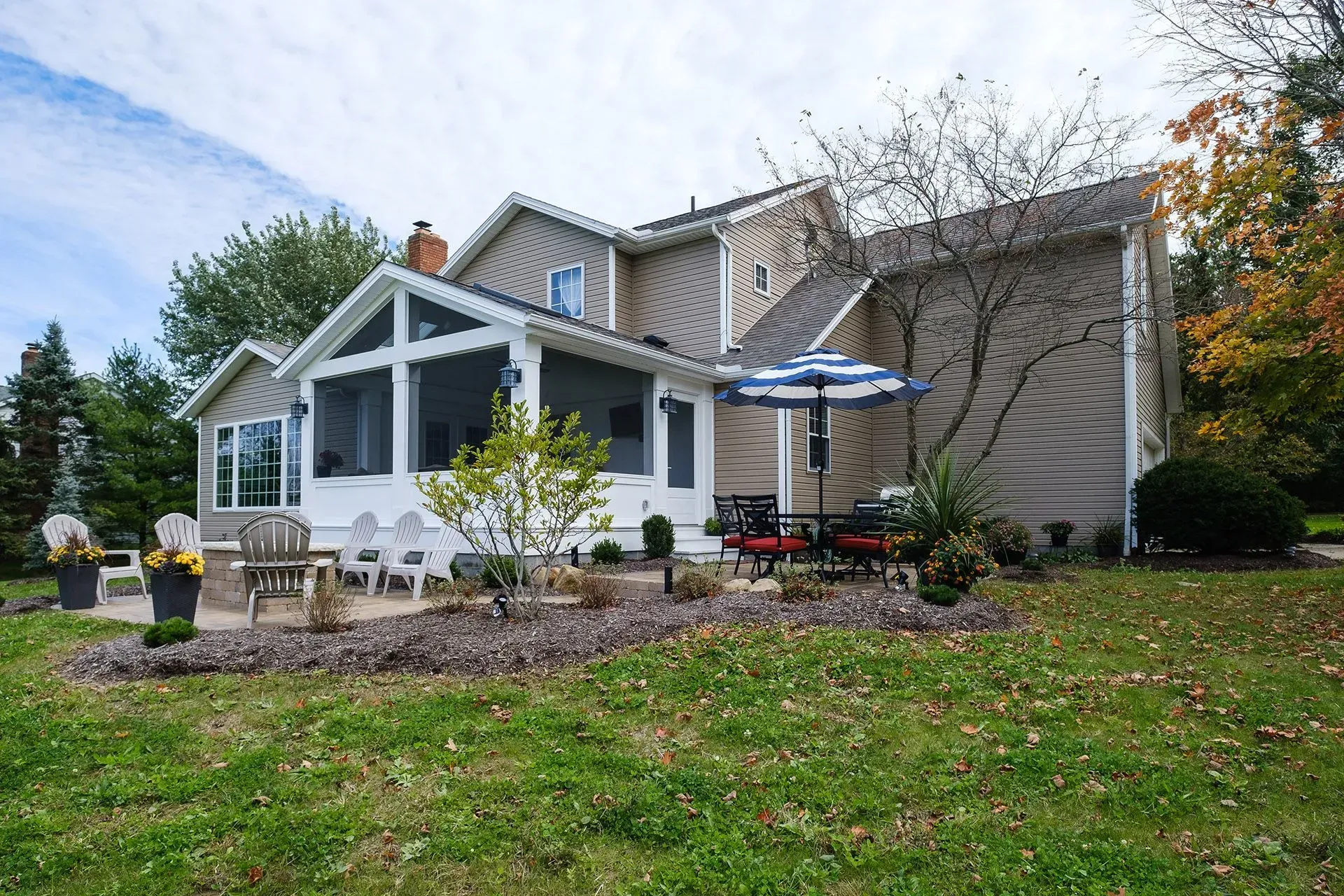
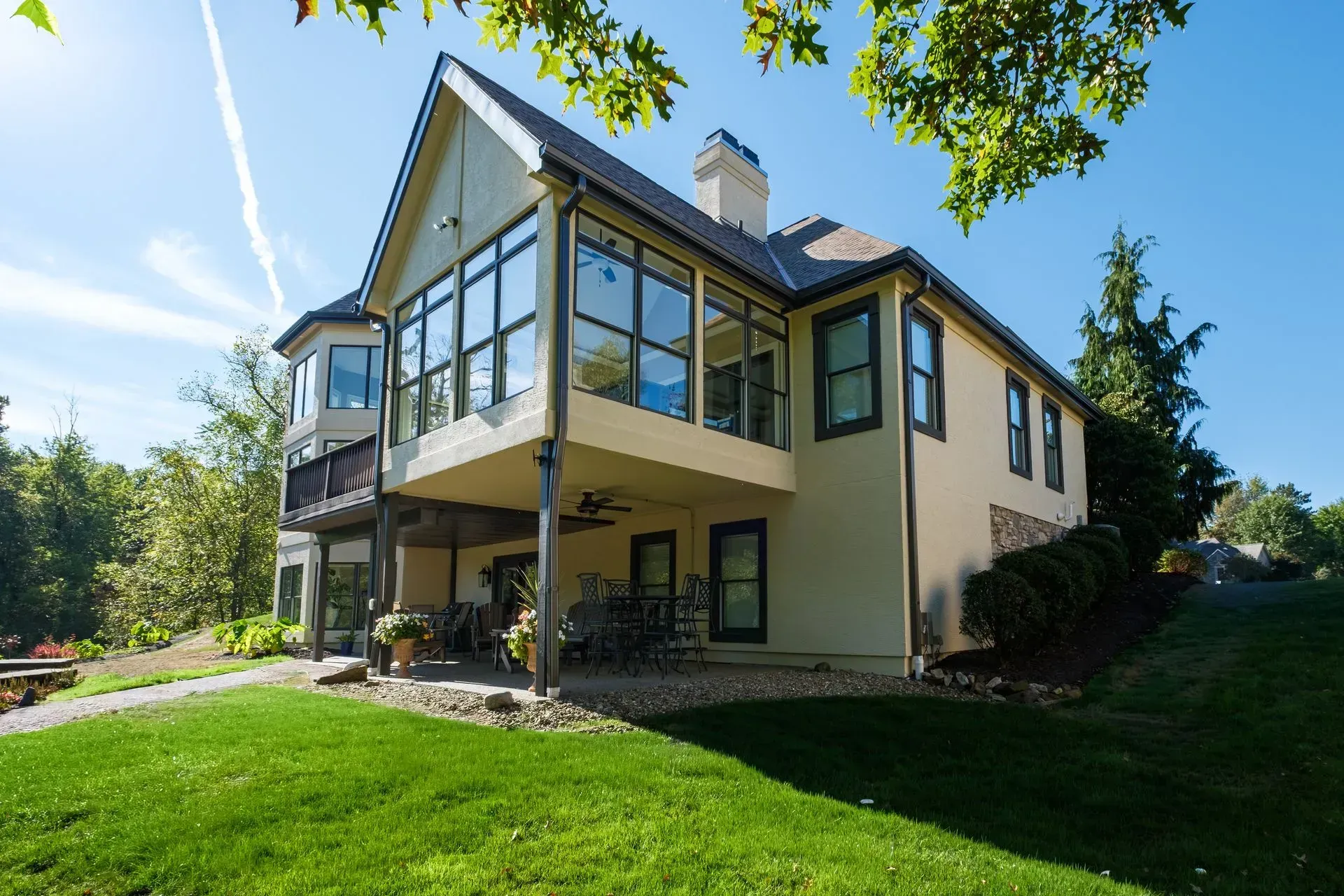
A well-designed deck should do more than provide outdoor square footage. The layout should support how the space will be used every day, including dining, grilling, seating, traffic flow, stairs, and access to the yard.
Deck layout ideas should begin with function. A deck may look attractive from the yard, but if the grill is in the wrong place, seating interrupts the main walkway, or stairs feel disconnected from the backyard, the space may not work as well as it should.
At
Anthony Slabaugh Remodeling & Design, we help homeowners in Hudson, Akron and surrounding areas plan deck layouts with outdoor living, circulation, materials, railings, access, and long-term usability considered together.
Start With How the Deck Will Be Used
A strong outdoor deck layout starts with daily habits. Some homeowners want a comfortable dining area near the kitchen. Others need a lounge area for quiet evenings, a grilling zone, or stairs that connect easily to the yard.
For homeowners throughout Bath, Fairlawn, and Chagrin Falls, the most successful deck design ideas are based on real use. How many people will gather? Will the deck support meals, conversation, entertaining, or casual outdoor time? Does the space need to connect to a patio, lawn, garden, or covered area?
The answers should guide the layout before materials or finishes are selected.
Plan the Dining Area First
If outdoor dining is a priority, the deck dining area should be planned early. A dining table needs enough room for chairs to pull out, people to pass behind seats, and serving items to move between the kitchen and table.
The dining zone should also relate to the door location. If the table is too far from the kitchen or placed across a tight traffic path, outdoor meals may feel less convenient.
A good dining layout feels easy to use, not crowded.
Keep Grill Placement Practical
Grill placement affects comfort, safety, traffic flow, and convenience. The grill should be close enough to the kitchen or dining area to be useful, but not so close that smoke, heat, or movement disrupt seating.
A thoughtful layout also considers where prep items, serving trays, tools, and trash will go. If the grill area is planned as a true work zone, the deck functions more comfortably during gatherings.
The grill should support the flow of outdoor living, not block it.
Coordinate Overhangs and Trim
Overhang depth should be planned for shade, weather protection, and visual balance. A shallow overhang may not provide enough coverage. An overhang that is too deep may make the patio feel heavy or darken nearby interior rooms.
Trim around the covered patio should also relate to the home’s window trim, door casing, siding, stone, brick, or other exterior details. Exterior roofline integration depends on these transitions feeling intentional.
The goal is continuity from the roof edge down to the patio surface.
Create Seating That Feels Comfortable
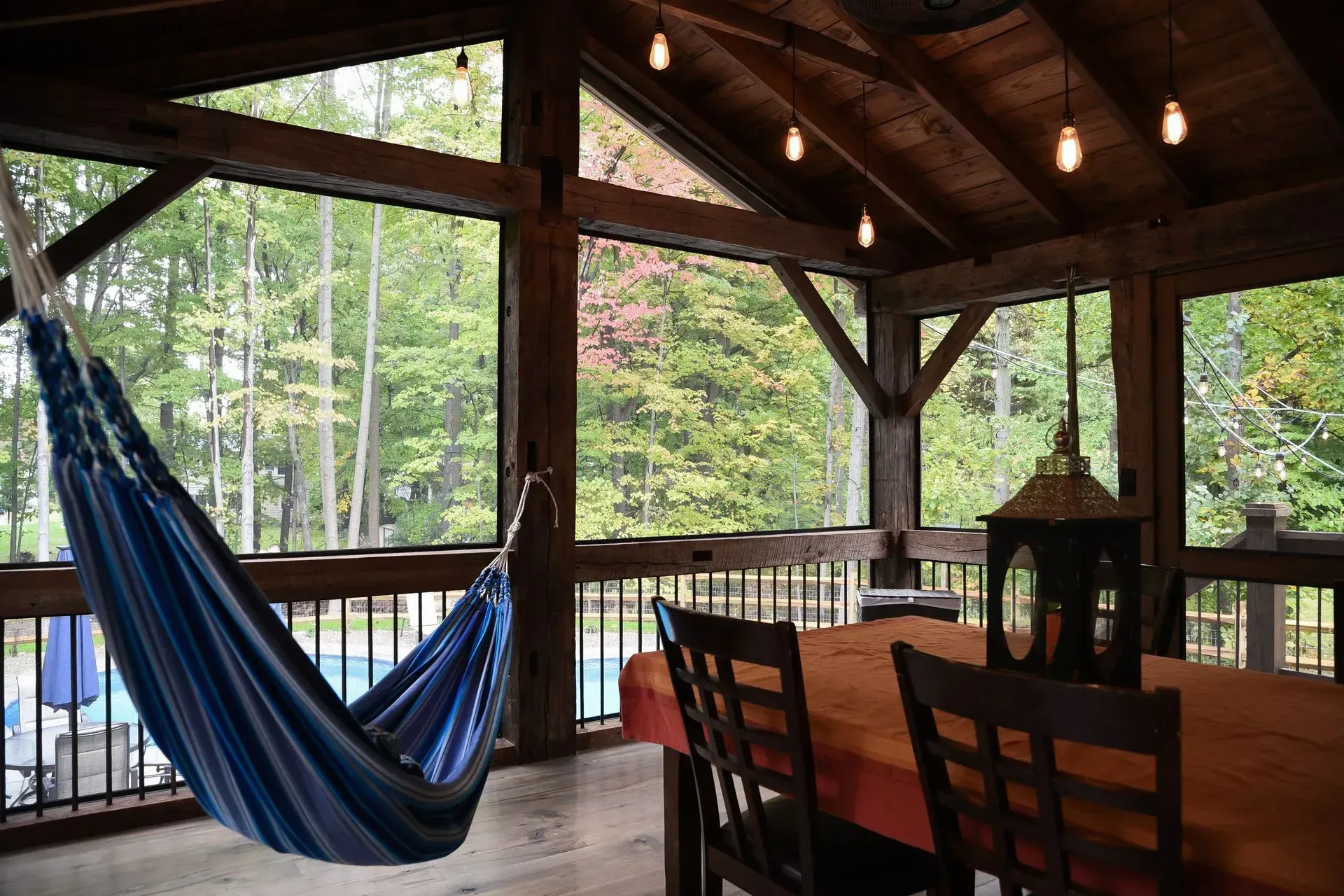
Deck seating ideas should be planned around conversation, views, shade, and circulation. Lounge chairs, built-in benches, sectionals, or smaller seating groups can all work when they fit the deck’s scale.
Seating should not interrupt the main path from the door to the stairs or yard. It should feel placed with intention, whether the goal is a quiet reading area, a family gathering zone, or a more open entertaining layout.
Comfort comes from both furniture and space planning.
Deck Layout Planning Guide
| Layout Area | Why It Matters |
|---|---|
| Door access | Determines the main path between inside and outside |
| Dining area | Needs room for chairs, serving, and comfortable movement |
| Grill zone | Should support cooking without blocking circulation |
| Seating area | Creates comfort, conversation, and views |
| Stairs | Connect the deck to the yard, patio, or garden |
| Railings | Affect views, safety, and the finished look |
This table is useful because deck layout depends on how people move, gather, and use the space.
Plan Stairs Around Yard Access
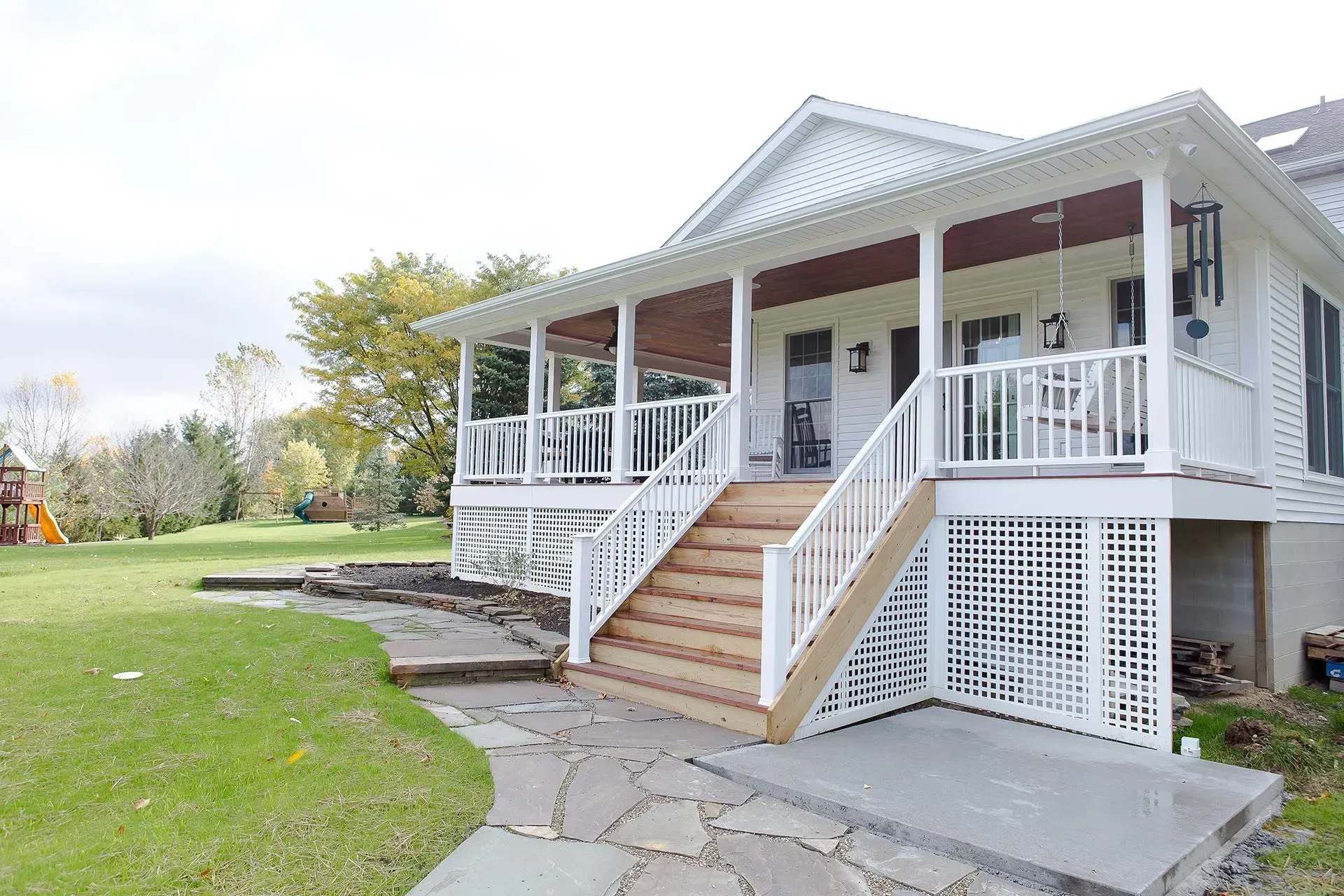
Stairs should feel connected to the way the backyard is used. A deck that opens to the lawn, garden, fire area, patio, or play space should have stairs placed where movement feels natural.
If stairs are tucked away or placed in a location that interrupts furniture, the deck may feel less connected to the yard. Stair width, landing placement, railing design, and lighting should all be considered.
Yard access should feel intentional from the beginning.
Keep Circulation Clear
Circulation is one of the most important parts of deck design. The path from the door to the table, grill, seating area, and stairs should remain clear and comfortable.
A deck can feel smaller when furniture, planters, railings, or grill placement crowd the walking paths. The layout should leave breathing room so the space feels open and easy to use.
A refined deck should not feel like every inch has been filled.
Coordinate Railings, Lighting, and Views
Railings and lighting affect both appearance and function. Railing style influences how open the deck feels and how much of the yard or view remains visible. Lighting supports evening use, stairs, seating, and safe movement.
These details should be planned with the layout, not after it. A railing can frame the outdoor room, while lighting can define dining, stairs, and seating areas after sunset.
Visit Our Design Studio in Stow, Ohio
Our Stow, Ohio design studio gives homeowners a place to compare deck design ideas, railing options, lighting concepts, material selections, stair layouts, and outdoor living details together. Seeing these choices in context helps clarify how the deck should function day to day.
Client Feedback on Our Remodeling Process
Homeowners often share that early planning helps them feel more confident about outdoor living decisions. By reviewing dining, grilling, seating, stairs, railings, yard access, lighting, and circulation together, Anthony Slabaugh Remodeling & Design helps clients make decisions with clarity instead of pressure.
Frequently Asked Questions
What should I consider when planning a deck layout?
Start with how the deck will be used. Dining, grilling, seating, stairs, yard access, railings, views, lighting, and traffic flow should all be planned together so the deck feels comfortable and easy to use.
Where should a grill go on a deck?
A grill should be close enough to the kitchen and dining area for convenience, but placed so heat, smoke, and movement do not interfere with seating. It should also avoid blocking the main walking path.
How much space does a deck dining area need?
A deck dining area needs enough room for the table, chairs, people moving around the table, and access from the door or grill. The exact space depends on table size, furniture style, and deck layout.
How do stairs affect deck design?
Stairs influence how the deck connects to the yard, patio, garden, or outdoor living area below. Their placement should support natural movement while preserving seating, dining, and traffic flow on the deck.
Start With a Deck Layout Designed Around Daily Life
A refined deck should support dining, grilling, seating, stairs, yard access, circulation, and a comfortable connection to the home. If you are ready to move from ideas into planning your deck building project, schedule a consultation with Anthony Slabaugh Remodeling & Design or call (330) 940-3237.
Recent Posts
Share this article
CLIENT REVIEWS
Don’t Just Take Our Word For It
See below how our customers react on our ultimate pressure cleaning services