
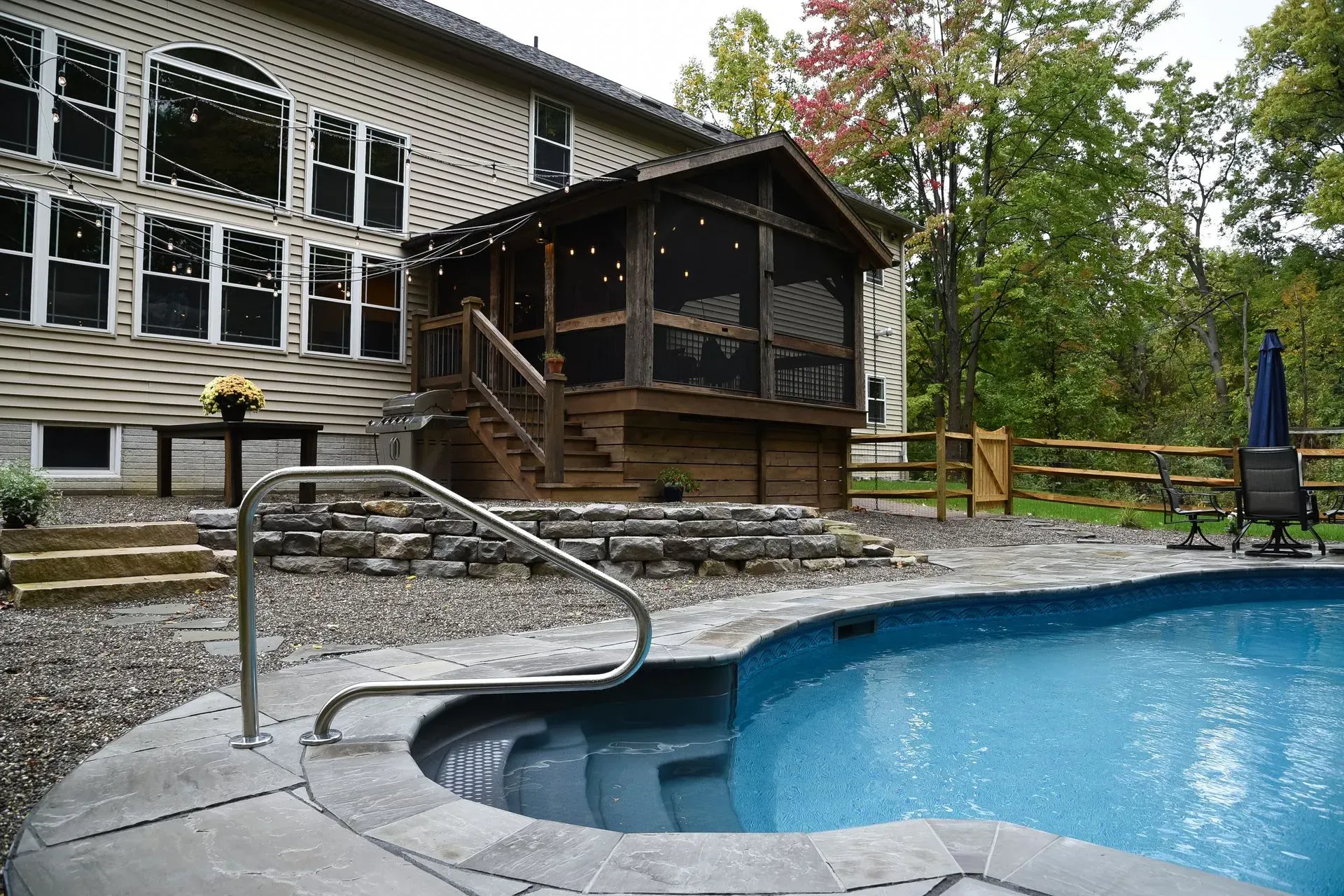
How to Choose Deck Materials for Durability, Maintenance, and Curb Appeal

Conflicting plans are not inevitable in remodeling. They result from fragmented structure.
Anthony Slabaugh Remodeling & Design provides design-build home renovation services for homeowners in Hudson, Akron & surrounding areas who value architectural alignment and disciplined execution.
Deck materials affect more than the surface underfoot. They influence durability, maintenance, curb appeal, comfort, railing design, fascia details, fasteners, weather exposure, and how the deck looks as part of the home.
Choosing the best deck materials should begin with how the deck will be used and how much maintenance the homeowner wants to manage over time. A beautiful layout can lose its appeal if the materials do not fit the home, climate exposure, or long-term expectations.
At
Anthony Slabaugh Remodeling & Design, we help homeowners in Hudson, Akron and surrounding areas compare deck material options as part of planning your deck building project through a coordinated design-build process.
Start With How the Deck Will Live
A deck used for family dinners, grilling, pets, kids, and frequent entertaining will have different needs than a quiet seating deck used a few evenings a week. Sun exposure, shade, tree cover, moisture, foot traffic, furniture, and nearby landscaping all influence material performance.
For homeowners throughout Bath, Fairlawn, and Chagrin Falls, material selection should also account for how the deck connects to the home’s exterior. The decking, railings, fascia, trim, lighting, and stairs should feel coordinated.
The right material should support both use and design.
Compare Durability and Maintenance
Durable decking is not only about strength. It is also about how the material responds to weather, moisture, sun, everyday traffic, furniture movement, and seasonal changes.
Low maintenance decking may appeal to homeowners who want a refined outdoor space without frequent upkeep. Other homeowners may prefer materials with a more traditional look, even if they require more care.
The best choice depends on expectations, appearance, and long-term planning.
Think Beyond the Deck Boards
Deck material options include more than the main walking surface. Fascia, stair treads, risers, railing systems, posts, caps, fasteners, and trim details all affect the finished result.
If these pieces are not coordinated, the deck can look unfinished or pieced together. Fascia should feel intentional. Fasteners should support a clean finish. Railings should relate to the decking and the home’s exterior.
A refined deck is planned as a complete system.
Weather Exposure Should Guide Decisions
Different areas of the same deck may experience different conditions. A shaded section may stay damp longer. A sunny area may experience more heat and fading. Stairs and edges may receive heavier wear. Areas under trees may collect debris.
Material selection should account for these conditions. The goal is to choose a deck surface and supporting details that fit the property, not simply the trendiest option.
Outdoor materials need to be chosen for real exposure.
Deck Material Planning Guide
| Material Detail | Why It Matters |
|---|---|
| Deck boards | Affect appearance, comfort, durability, and maintenance |
| Fascia | Gives the deck a finished edge and visual polish |
| Fasteners | Influence surface appearance and long-term performance |
| Railings | Shape safety, views, exterior style, and curb appeal |
| Stair materials | Need durability for frequent traffic and transitions |
| Lighting integration | Supports evening use and a cleaner finished design |
This table is useful because deck materials should be selected as a coordinated package, not one product at a time.
Coordinate Materials With the Home
Curb appeal depends on how the deck relates to the home. Decking color, railing style, fascia tone, stair details, lighting, and hardware should coordinate with siding, trim, doors, windows, stone, brick, and rooflines.
A deck can feel disconnected if the materials are chosen without regard to the house. A better approach uses the home’s exterior as the guide for color, contrast, proportion, and finish selection.
The deck should feel like part of the architecture.
Consider Comfort Underfoot
Deck surfaces can feel different depending on material, color, sun exposure, and texture. Comfort matters when the deck is used barefoot, around seating, near dining areas, or by children and pets.
Texture also affects appearance and maintenance. A surface should feel comfortable while still supporting traction and durability. Material samples can help homeowners understand how color, finish, and texture may feel in context.
Plan Railings and Fascia Together
Railings and fascia have a major visual impact. The railing is often seen from the yard and from inside the home. Fascia defines the deck edge and affects how finished the structure looks.
These details should not be chosen after the deck boards. They should be selected together so the whole deck feels cohesive, polished, and appropriate for the home’s exterior style.
Visit Our Design Studio in Stow, Ohio
Our Stow, Ohio design studio gives homeowners a place to compare deck material options, railing concepts, fascia details, lighting ideas, stair materials, and exterior finishes together. Seeing these selections in context helps clarify how durability, maintenance, and curb appeal work together.
Client Feedback on Our Remodeling Process
Homeowners often share that early planning helps them feel more confident about exterior material decisions. By reviewing decking, fascia, fasteners, railings, stairs, lighting, maintenance expectations, and home style together, Anthony Slabaugh Remodeling & Design helps clients make decisions with clarity instead of pressure.
Frequently Asked Questions
What are the best deck materials for durability?
The best deck materials depend on weather exposure, maintenance expectations, traffic, appearance goals, and how the deck connects to the home. Deck boards, fascia, railings, fasteners, and stairs should all be evaluated together.
What does low maintenance decking mean?
Low maintenance decking generally refers to materials designed to reduce routine upkeep compared with more traditional options. Homeowners should still consider cleaning, weather exposure, color, texture, fasteners, and railing coordination before choosing.
Why do fascia and fasteners matter on a deck?
Fascia and fasteners affect both appearance and performance. Fascia gives the deck a finished edge, while fasteners influence the surface look and long-term stability. Both should be planned with the decking and railing system.
Should deck materials match the home’s exterior?
Deck materials do not need to match the home exactly, but they should coordinate with siding, trim, doors, windows, stone, brick, and exterior lighting. A cohesive material plan helps the deck feel integrated.
Start With Deck Materials Chosen for the Whole Home
A refined deck should support durability, low maintenance expectations, curb appeal, comfort, railings, fascia, and long-term outdoor living. If you are ready to move from ideas into planning your deck building project, schedule a consultation with Anthony Slabaugh Remodeling & Design or call (330) 940-3237.
Recent Posts
Share this article
CLIENT REVIEWS
Don’t Just Take Our Word For It
See below how our customers react on our ultimate pressure cleaning services