

Layout errors are rarely obvious in the beginning.
They reveal themselves after framing.
A hallway feels slightly compressed.
An opening looks too narrow for the ceiling height.
The kitchen island disrupts circulation.
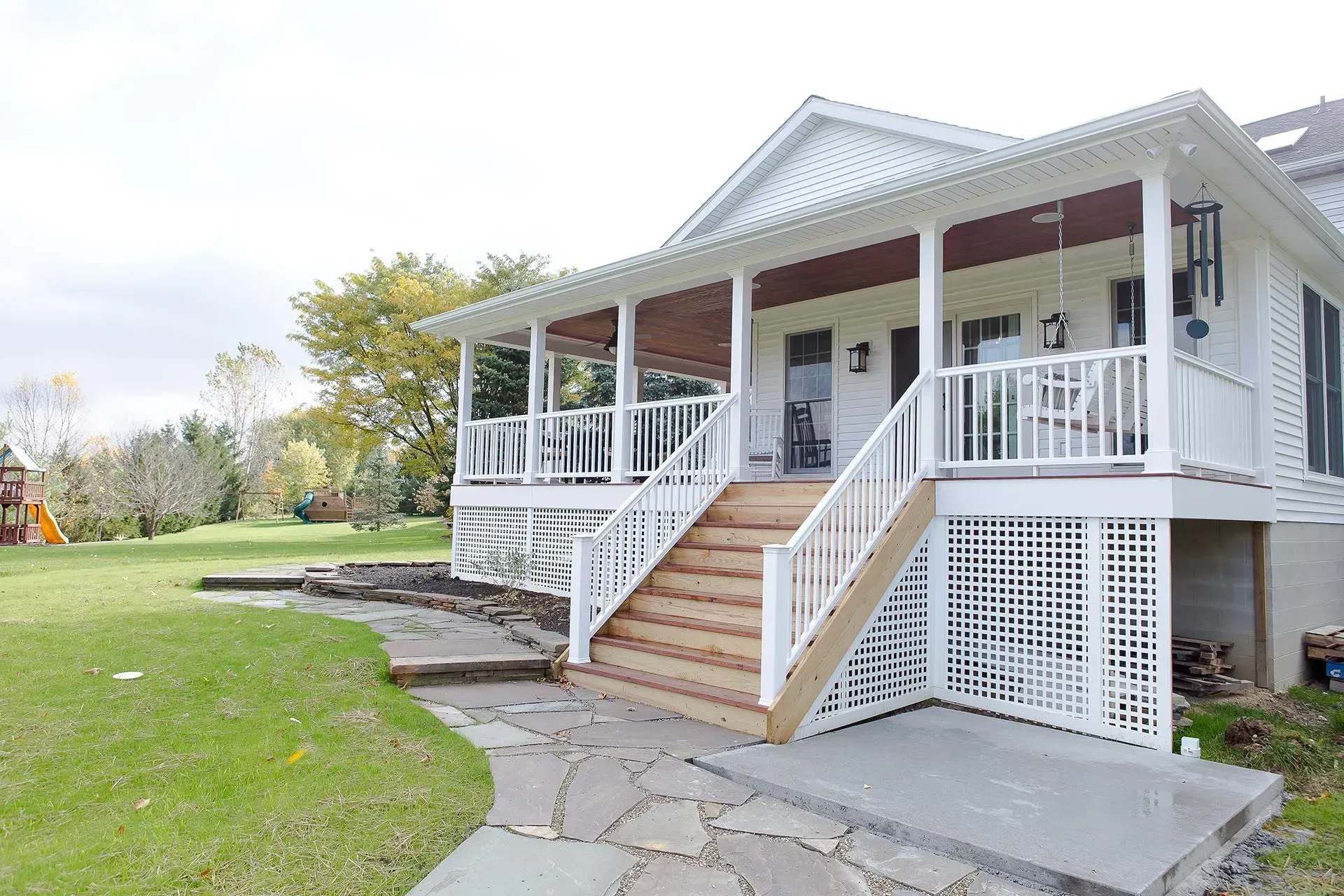
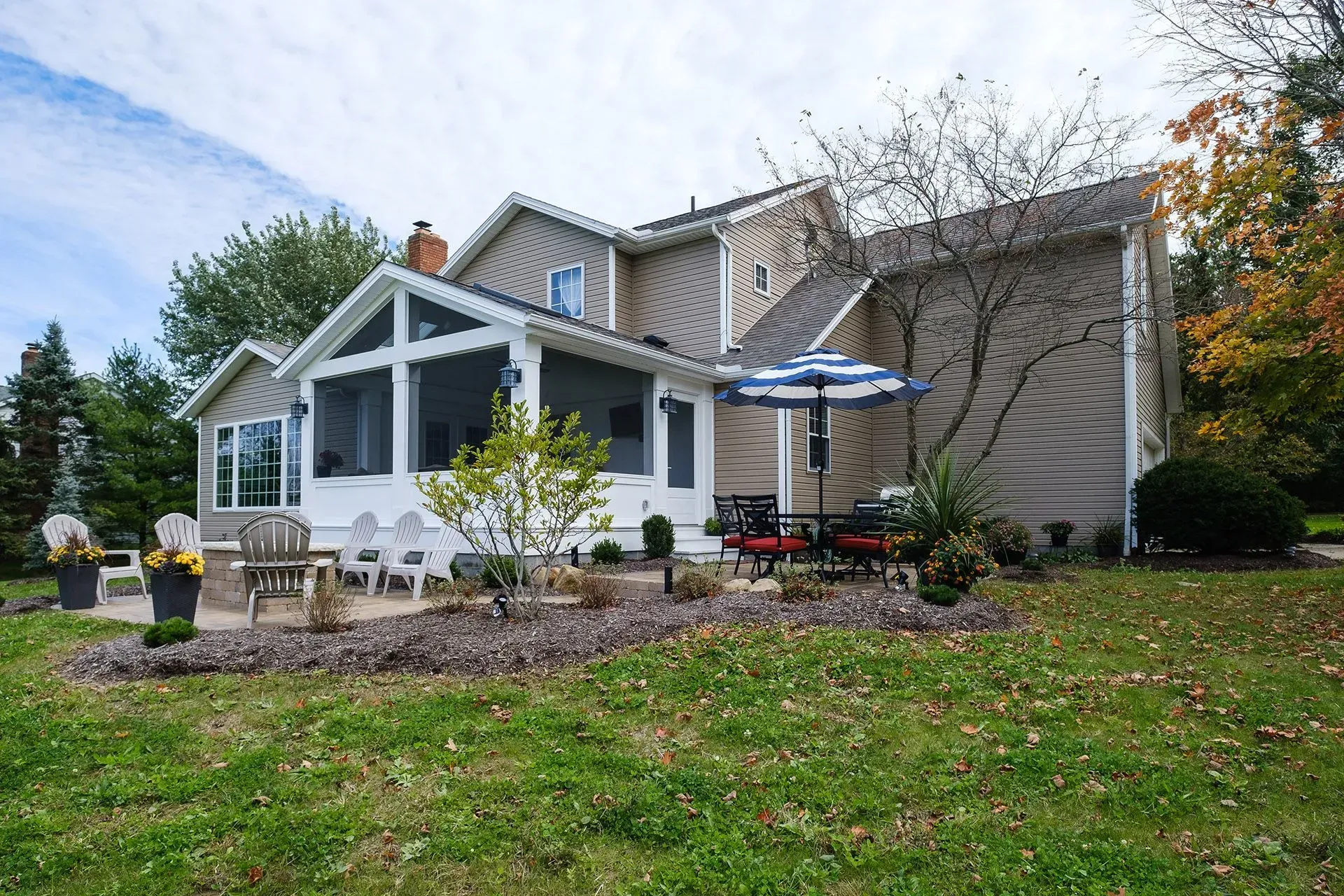
An addition shifts the balance of the exterior façade.
None of these issues stem from poor craftsmanship. They stem from incomplete integration.
In Hudson, Akron & surrounding areas, homeowners investing in high-end remodeling increasingly recognize that layout planning requires more than aesthetic vision. It requires structural alignment, mechanical coordination, and sequencing discipline.
Integrated design-build solutions reduce layout errors by embedding architectural and structural coordination from the start.
Precision in layout protects the entire remodel.
Where Traditional Remodeling Misses Layout Issues
In fragmented project structures, layout design and structural validation often occur in separate phases.
Designers may focus on:
- Room adjacency
- Openness
- Furniture placement
- Aesthetic symmetry
Contractors later address:
- Load-bearing feasibility
- Beam placement
- Mechanical routing
- Structural reinforcement
When these evaluations are separated, subtle layout inconsistencies emerge.
Common examples include:
- Openings sized without regard to beam depth
- Ceiling transitions misaligned with new structural spans
- Circulation paths interrupted by structural posts
- Mechanical bulkheads lowering ceiling volume
- Additions altering exterior proportion unintentionally
Integrated design-build prevents these misalignments.
The Anatomy of a Layout Error
Layout errors typically fall into several categories:
| Layout Risk | Traditional Outcome | Integrated Prevention |
|---|---|---|
| Opening proportion mismatch | Beam depth alters finished height | Structural review informs opening scale |
| Circulation bottlenecks | Island placement disrupts movement | Circulation mapped with structural grid |
| Ceiling misalignment | Bulkheads added after mechanical review | Mechanical coordination during layout phase |
| Exterior imbalance | Addition mass shifts façade symmetry | Massing evaluated alongside structure |
| Scope drift | Revisions during framing | Layout validated before construction |
Each risk originates from disconnection.
Integration removes that disconnection.
Structural Grid Alignment
Many homes in communities such as Bath and Chagrin Falls were constructed with framing systems that define natural layout boundaries.
Joist direction, load-bearing lines, and foundation geometry influence feasible opening widths and room expansions.
In traditional remodeling, layout design may proceed without full structural grid awareness. Engineering review then modifies the design.
In an integrated design-build model:
- Structural evaluation informs layout from day one
- Beam sizing influences opening proportion before documentation
- Foundation conditions guide expansion strategy
- Load redistribution is engineered prior to demolition
For additional insight into engineered remodeling coordination, visit our Structural Home Remodeling page.
Layout integrity improves when structure leads rather than follows.
Mechanical Integration and Volume Planning
Layout errors are not always structural.
They often result from mechanical routing conflicts.
Opening a ceiling without evaluating duct paths may result in:
- Reduced finished ceiling height
- Visible soffits
- Disrupted symmetry
Integrated design-build coordination ensures that HVAC, electrical, and plumbing systems are reviewed during layout planning rather than after framing.
Mechanical alignment preserves spatial proportion.
Circulation Mapping Before Construction
Circulation is frequently discussed in conceptual terms, but rarely mapped against structural and mechanical realities.
An integrated model evaluates:
- Traffic flow around structural supports
- Island placement relative to beam spans
- Sightlines affected by framing transitions
- Adjacency relationships within fixed structural grids
Anthony Slabaugh Remodeling & Design coordinates architectural planning with structural feasibility to ensure circulation clarity remains intact throughout construction.
For a broader overview of our coordinated approach, visit our Design-Build Remodeling page.
When layout decisions are structurally validated early, mid-project revisions decline.
Exterior Continuity and Massing
Interior layout changes influence exterior form.
Enlarging an interior opening may require beam depth adjustments that alter window placement. Additions may shift roofline proportion if massing is not evaluated concurrently.
Integrated design-build planning considers:
- Exterior mass relationships
- Roof geometry alignment
- Window scaling
- Structural load transfer
This coordination protects architectural continuity.
Financial and Timeline Protection
Layout errors discovered during framing often result in:
- Engineering recalculations
- Material adjustments
- Permit modifications
- Schedule delays
By validating layout against structural and mechanical realities before construction begins, integrated design-build reduces financial volatility.
Predictable sequencing reinforces homeowner confidence.
Emotional Stability During Framing
There is a pivotal moment when framing reveals the shape of a remodel.
If layout decisions were coordinated properly, framing confirms expectation.
If not, doubt can emerge.
Homeowners working within integrated design-build systems often report greater confidence during this stage because:
- Structural and layout decisions were clarified early
- Mechanical implications were reviewed in advance
- Budget alignment reflected final scope
Confidence during framing reflects discipline during planning.
Frequently Asked Questions
What are common layout errors in remodeling?
They include proportion mismatches, circulation bottlenecks, ceiling conflicts, and exterior imbalance.
How does design-build prevent layout mistakes?
By aligning structural, mechanical, and architectural planning from the beginning.
Is integrated planning necessary for smaller projects?
Projects involving layout changes benefit significantly from coordinated evaluation.
Can structural grid awareness influence layout?
Yes. Beam placement and load paths shape feasible opening sizes and room configurations.
When should layout validation occur?
Before construction documents are finalized and before demolition begins.
Client Feedback on Our Coordinated Layout Planning
Homeowners frequently share that the alignment between structural planning and layout design prevented mid-project adjustments and preserved architectural clarity. By integrating disciplines under one leadership structure, they experienced framing stages that confirmed their expectations rather than altered them. We invite you to read our Google reviews to learn more about their experiences.
Layout Precision Begins With Integration
Successful remodeling depends on more than visual ambition. It depends on structural and mechanical alignment embedded into layout planning.
Anthony Slabaugh Remodeling & Design provides integrated design-build solutions for homeowners in Hudson, Akron & surrounding areas who value precision before construction begins.