
Common Design Mistakes Homeowners Make When Adding a Garage - And How to Avoid Them

A garage addition can dramatically improve how a home functions, but only when it is designed with intention. Many of the problems homeowners experience with garage additions are not construction issues. They are planning and design mistakes made early in the process.


At Anthony Slabaugh Remodeling & Design, we often see garage additions that technically meet the need for space but fall short in usability, appearance, or long-term performance. Understanding these common mistakes helps homeowners make better decisions and avoid outcomes that feel compromised.

Treating the Garage as an Isolated Structure

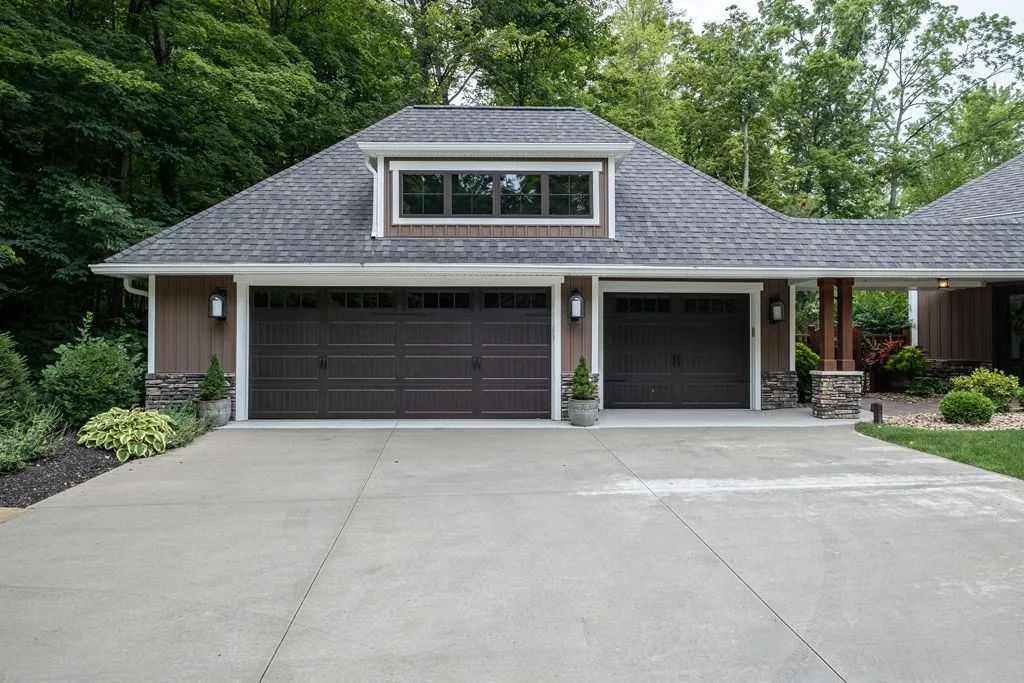
One of the most common mistakes is designing a garage addition as a separate structure rather than an extension of the home. When architectural continuity is ignored, the garage can feel disconnected or visually out of place.


A well-designed garage addition respects the home’s existing proportions, rooflines, materials, and massing. When these elements are considered early, the addition feels intentional rather than appended.


Avoiding this mistake requires architectural planning that looks at the home as a whole, not just the new square footage.

Prioritizing Vehicle Space Over Daily Function

While parking is important, modern garage additions often serve multiple purposes. Storage, organization, circulation, and interior access all influence how the space performs day to day.


Designing solely around vehicle dimensions can lead to tight storage zones, awkward access points, or inefficient layouts. A functional garage supports daily routines, not just parking needs.


Thoughtful planning balances vehicle space with storage, movement, and long-term flexibility.

Ignoring How the Garage Connects to the Home

Interior connection is one of the most overlooked aspects of garage design. Poorly planned access can disrupt interior flow or create inconvenient transitions.


The placement of doors, stairs, or mudroom connections should support how people actually move through the home. When these transitions are planned well, the garage becomes a natural extension of daily life rather than a separate zone.


Ignoring this relationship often leads to frustration over time.

Overlooking Structural and Foundation Requirements

Garage additions often involve significant structural considerations, including foundations, load-bearing walls, and roof integration. Designing without understanding these requirements can result in costly changes later.


Structural feasibility should guide design decisions, not react to them. Early evaluation helps avoid layouts that are difficult or expensive to build.


This is where planning discipline makes a meaningful difference.

Underestimating the Impact on Curb Appeal

A garage addition can dramatically affect the exterior appearance of a home. When placement, scale, or detailing is not carefully considered, curb appeal can suffer.


Design decisions should account for sightlines, proportions, and how the garage presents from the street. The goal is balance, not dominance.


Well-planned garage additions enhance the home’s exterior rather than overpower it.

Designing Without Long-Term Flexibility

Many homeowners design garages for immediate needs without considering how those needs may change. Storage requirements, accessibility, or future use often evolve over time.


Flexible layouts allow garages to adapt without major modification. This might include planning for future storage systems, workshop space, or interior connections.


Designing with adaptability in mind protects long-term value.

Skipping a Clear Planning Process

Perhaps the most significant mistake is moving forward without a clear planning framework. Without defined priorities and constraints, decisions become reactive and inconsistent.


At Anthony Slabaugh Remodeling & Design, our design-build process ensures architectural intent, structural feasibility, and construction planning are aligned from the beginning. This reduces guesswork and prevents issues that only become apparent during construction.


For a broader view of how garage projects are approached, visit our Garage Additions page.

Garage Addition Design Mistakes at a Glance

Design Area Common Mistake Better Approach
Architecture Ignoring existing style Architectural continuity
Layout Parking-only focus Daily usability
Structure Late feasibility review Early structural planning
Access Poor interior connection Intentional transitions
Exterior Overwhelming the facade Balanced proportions
Planning Reactive decisions Design-build coordination

Garage Additions Planning Resources

Frequently Asked Questions

  • What is the most common garage addition design mistake?

    Designing the garage without considering how it integrates with the rest of the home.

  • Can design mistakes be fixed during construction?

    Some can, but changes during construction often increase cost and complexity.

  • Does garage design affect resale or long-term value?

    Yes. Poor integration and layout can negatively impact long-term satisfaction and value.

  • How does design-build help avoid garage addition mistakes?

    Design and construction are planned together, reducing misalignment and surprises.

  • Does Anthony Slabaugh Remodeling & Design plan custom garage additions?

    Yes. We specialize in garage additions planned through an integrated design-build process.

Plan Your Garage Addition the Right Way

Avoiding design mistakes starts with thoughtful planning and experienced guidance. A garage addition should enhance how your home functions and how it feels, not introduce new challenges.


Anthony Slabaugh Remodeling & Design helps homeowners plan garage additions that are cohesive, functional, and built with long-term performance in mind.


If you are considering a garage addition and want a process grounded in clarity and craftsmanship, we invite you to start a conversation with our team.

Recent Posts


How a Garage Addition Improves Home Organization
By Anthony Slabaugh February 12, 2026
Learn how a garage addition improves home organization by reducing interior clutter and creating purposeful storage through thoughtful design-build planning.
What Homeowners Should Know Before Starting a Garage Addition
By Anthony Slabaugh February 12, 2026
Learn what homeowners should know before starting a garage addition, including feasibility, planning priorities, and design-build preparation for long-term success.
Designing a Garage Addition That Matches Your Home’s Architecture
By Anthony Slabaugh February 12, 2026
Learn how to design a garage addition that aligns with your home’s architecture through proper scale, rooflines, materials, and design-build planning.
Why a Design-Build Approach Works Best for Custom Garage Additions
By Anthony Slabaugh February 12, 2026
Discover why a design-build approach is ideal for custom garage additions, aligning planning, architecture, and construction for better results.
What Is a Bump-Out Addition? | Anthony Slabaugh Remodeling & Design
By Anthony Slabaugh February 12, 2026
Learn what a bump-out addition is, how it works, and when it makes sense as a targeted home expansion. A planning-first guide from Anthony Slabaugh Remodeling & Design.
Kitchen Bump-Out Additions: Small Expansion, Big Improvement | Anthony Slabaugh Remodeling & Design
By Anthony Slabaugh February 12, 2026
Learn how a kitchen bump-out addition can improve layout, light, and usability without a full addition. Thoughtful planning makes a small expansion go further.
Bathroom Bump-Out Additions: Creating a More Functional Layout | Anthony Slabaugh Remodeling & Desig
By Anthony Slabaugh February 12, 2026
Learn how bathroom bump-out additions improve layout, comfort, and usability without a full addition, guided by thoughtful design-build planning.
Best Places to Add a Bump-Out: Kitchens, Baths, Bedrooms, and More | Anthony Slabaugh Remodeling & D
By Anthony Slabaugh February 12, 2026
Learn where bump-out additions work best, from bathrooms and kitchens to bedrooms, and how targeted expansion improves layout and comfort.
How a Bump-Out Addition Improves Interior Flow and Usability
By Anthony Slabaugh February 12, 2026
Learn how a bump-out addition improves interior flow, circulation, and space efficiency through thoughtful design and targeted expansion.
Room Additions for Growing Families | Anthony Slabaugh Remodeling & Design
By Anthony Slabaugh February 11, 2026
Learn smart room addition ideas for growing families, from extra bedrooms to flexible living spaces planned through a thoughtful design-build process.

How a Garage Addition Improves Home Organization
By Anthony Slabaugh February 12, 2026
Learn how a garage addition improves home organization by reducing interior clutter and creating purposeful storage through thoughtful design-build planning.
What Homeowners Should Know Before Starting a Garage Addition
By Anthony Slabaugh February 12, 2026
Learn what homeowners should know before starting a garage addition, including feasibility, planning priorities, and design-build preparation for long-term success.
Designing a Garage Addition That Matches Your Home’s Architecture
By Anthony Slabaugh February 12, 2026
Learn how to design a garage addition that aligns with your home’s architecture through proper scale, rooflines, materials, and design-build planning.
Why a Design-Build Approach Works Best for Custom Garage Additions
By Anthony Slabaugh February 12, 2026
Discover why a design-build approach is ideal for custom garage additions, aligning planning, architecture, and construction for better results.
What Is a Bump-Out Addition? | Anthony Slabaugh Remodeling & Design
By Anthony Slabaugh February 12, 2026
Learn what a bump-out addition is, how it works, and when it makes sense as a targeted home expansion. A planning-first guide from Anthony Slabaugh Remodeling & Design.
Kitchen Bump-Out Additions: Small Expansion, Big Improvement | Anthony Slabaugh Remodeling & Design
By Anthony Slabaugh February 12, 2026
Learn how a kitchen bump-out addition can improve layout, light, and usability without a full addition. Thoughtful planning makes a small expansion go further.
More Posts