
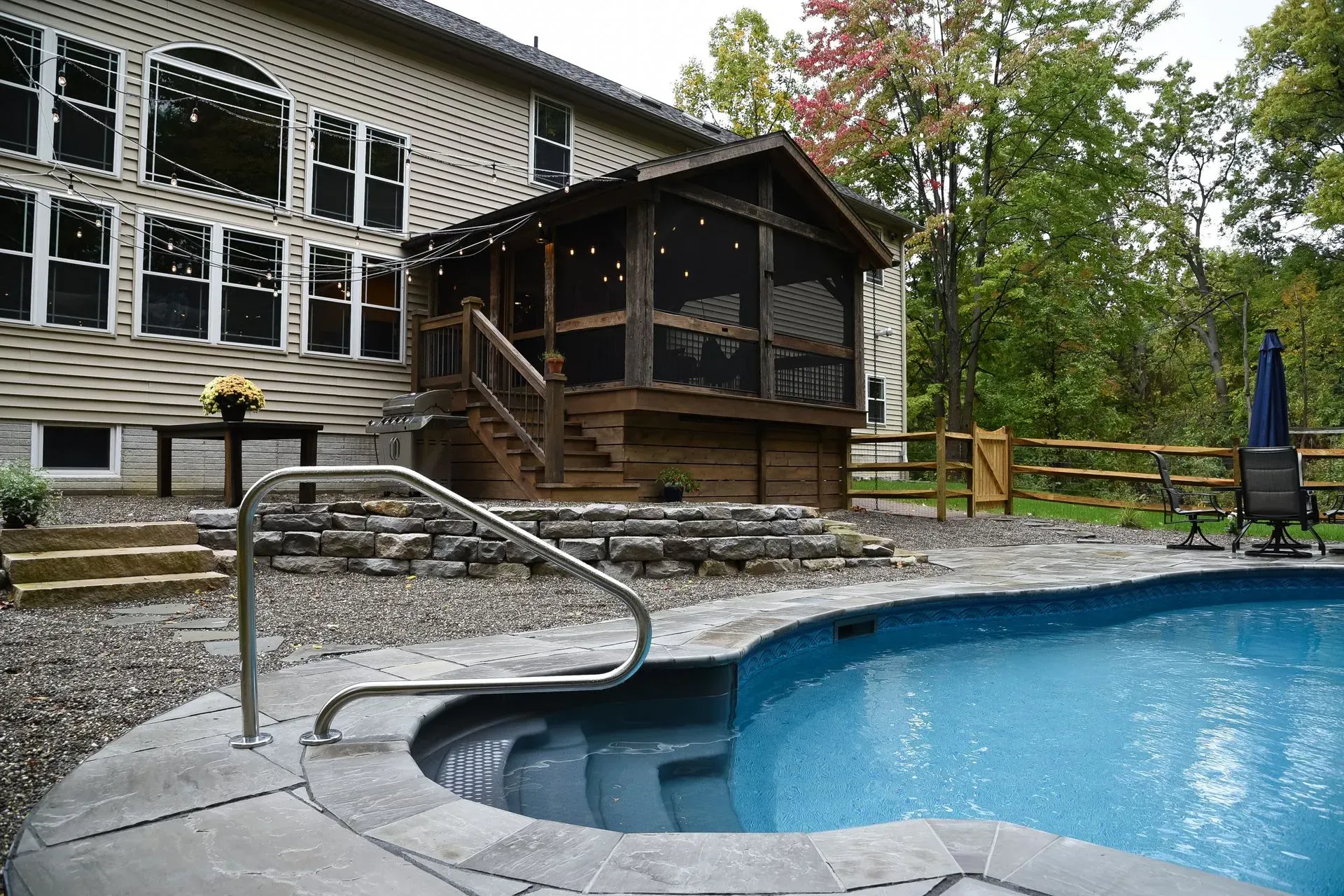
Choosing between a four-season and a three-season sunroom is one of the most important decisions homeowners make when planning a sunroom addition. While both options bring natural light and a connection to the outdoors, they serve very different purposes in how the space is used, how it feels throughout the year, and how it integrates with the rest of the home.
At Anthony Slabaugh Remodeling & Design, we help homeowners understand these differences early so the sunroom is designed around real daily living rather than assumptions. The right choice depends on comfort expectations, long-term goals, and how the space will function within the home.
Understanding the Core Difference
The primary difference between four-season and three-season sunrooms comes down to comfort and usability.
A three-season sunroom is designed for use during milder months. It typically provides protection from rain and wind while offering abundant natural light, but it is not intended for consistent use during extreme temperatures.
A four-season sunroom is designed as a true living space. It is insulated, climate-controlled, and built to be comfortable throughout the year, functioning more like an extension of the home rather than a transitional space.
Understanding how you want to use the space day to day is the starting point for choosing between the two.
Three-Season Sunrooms: Seasonal Enjoyment
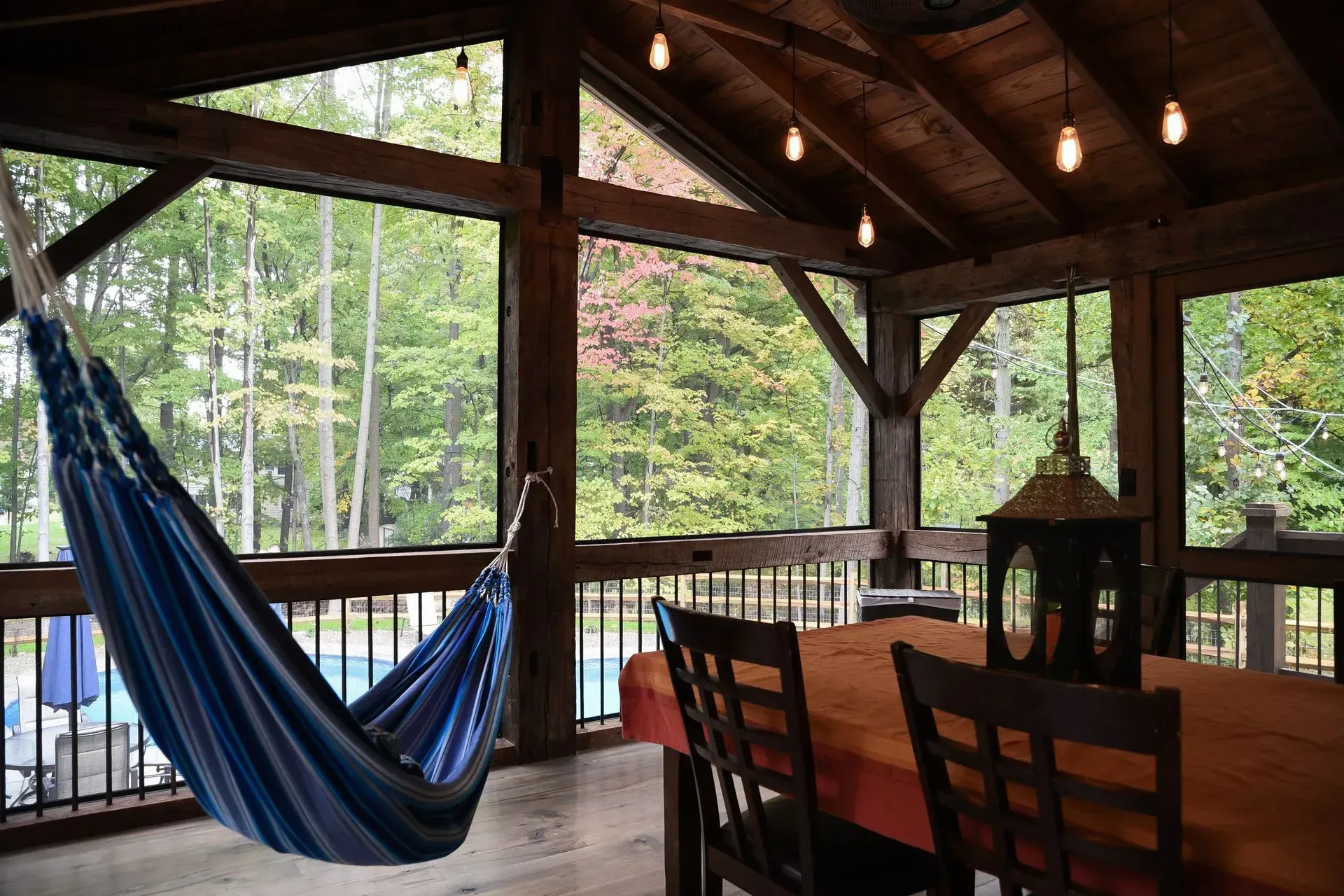
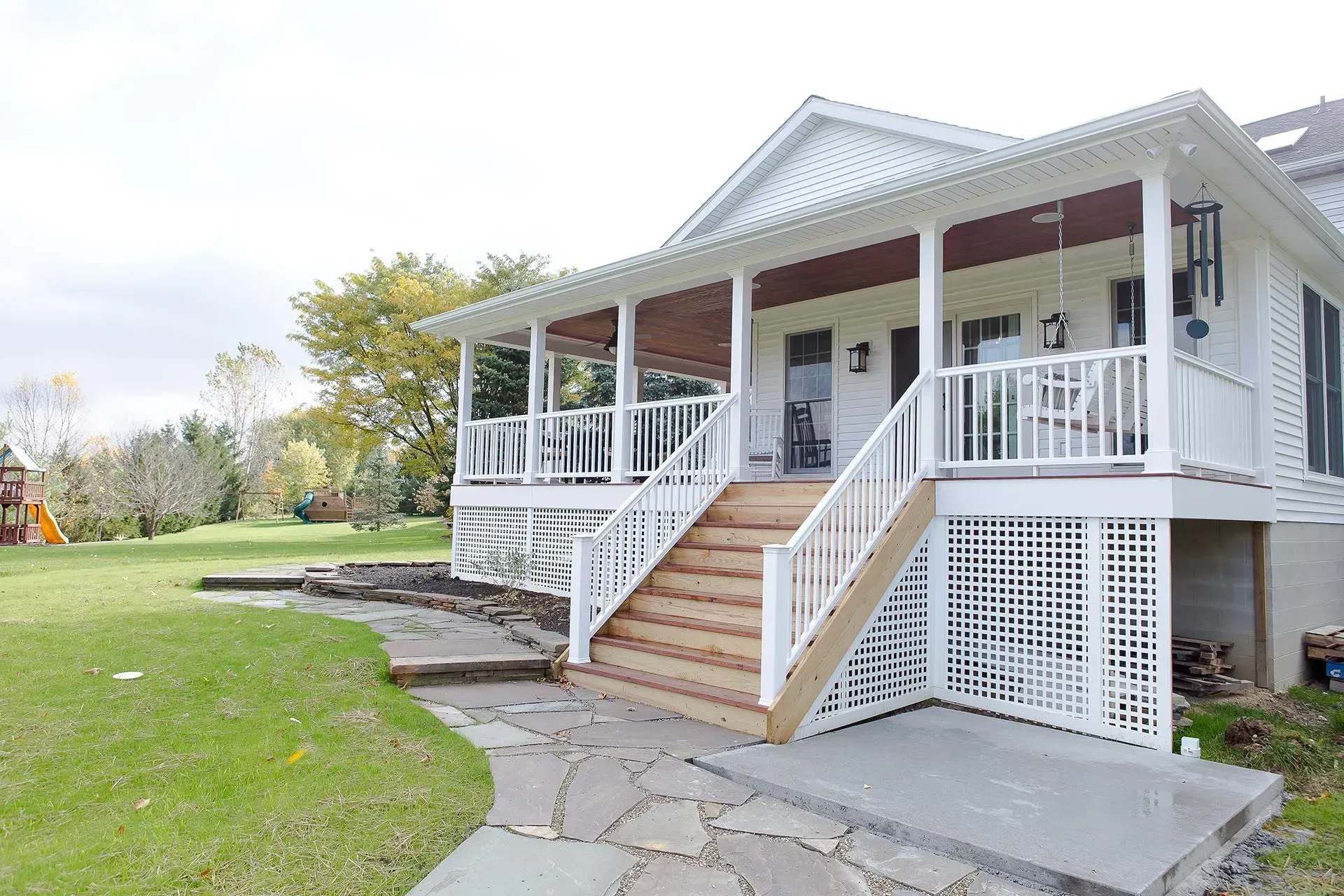
Three-season sunrooms appeal to homeowners who primarily want a space for spring, summer, and fall enjoyment. These sunrooms often feel lighter and more open, creating a strong connection to the outdoors.
They are commonly used for casual relaxation, dining, or entertaining during warmer months. Because they are not fully insulated or climate-controlled, comfort during colder or hotter periods is limited.
A three-season sunroom can be a good fit when the goal is seasonal enjoyment rather than daily, year-round use.
Four-Season Sunrooms: Year-Round Living
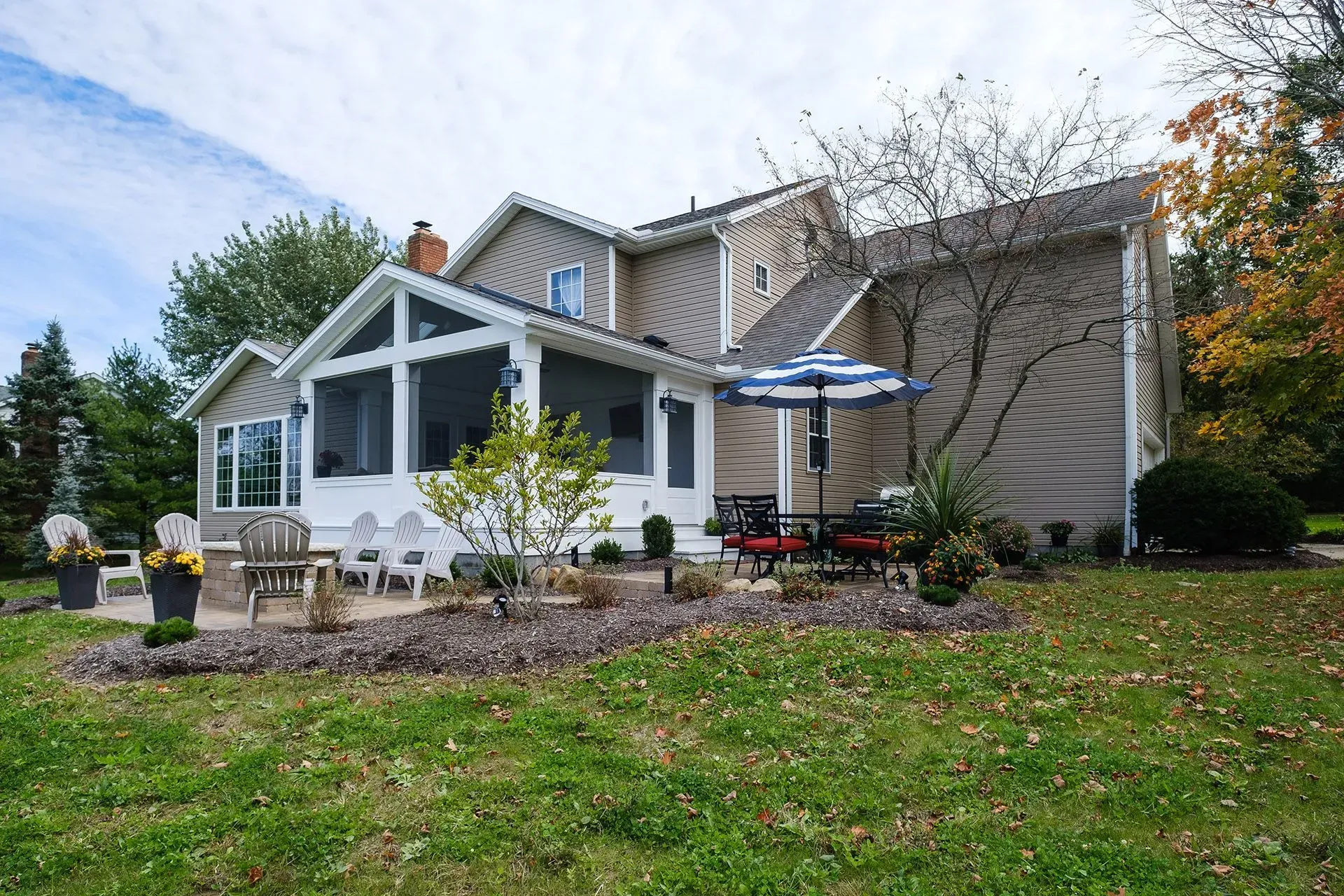
Four-season sunrooms are designed for consistent, everyday use. These spaces are insulated, integrated with heating and cooling systems, and built to maintain comfort regardless of the season.
Because of this, a four-season sunroom often functions as a living room, reading area, or flexible family space. It supports daily routines rather than occasional use.
For homeowners who want the sunroom to feel like a natural part of the home, a four-season design is often the better choice.
Comfort and Insulation Considerations
Comfort is one of the most important factors separating the two options. Insulation, glazing, and structural design all influence how the space performs throughout the year.
A four-season sunroom includes insulation in the walls, floor, and roof, along with high-performance windows designed to regulate temperature. This allows the space to remain comfortable without negatively affecting the rest of the home.
A three-season sunroom typically prioritizes openness over insulation, which can limit comfort during temperature extremes.
How the Choice Affects Daily Use
How often you plan to use the sunroom should guide the decision more than aesthetics alone.
If the space is intended for daily use, reading, working, or gathering with family, year-round comfort becomes essential. In these cases, a four-season sunroom supports consistent use without seasonal limitations.
If the sunroom is intended as a casual retreat used primarily during warmer months, a three-season sunroom may meet those expectations without additional complexity.
Integration With the Existing Home
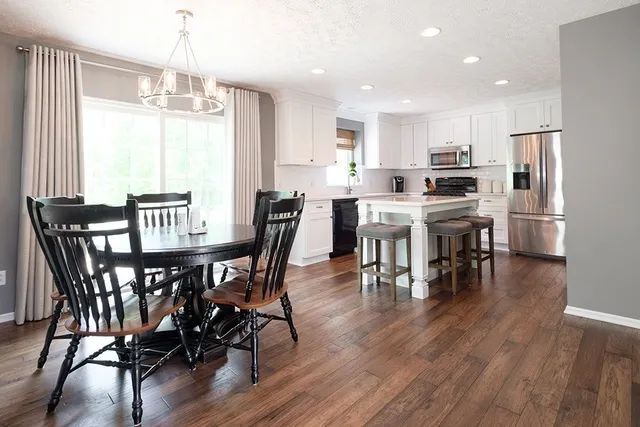
Another key consideration is how the sunroom connects to adjacent living spaces. Four-season sunrooms are typically integrated more closely with the home’s interior, often accessed through primary living areas.
This integration improves flow and encourages daily use. Three-season sunrooms may feel more separate, which can be appropriate depending on how the space is intended to function.
Designing the connection thoughtfully helps the sunroom feel intentional rather than isolated.
Investment and Long-Term Planning
While cost is not the sole factor, it is influenced by the choice between four-season and three-season sunrooms. Four-season sunrooms require more robust construction, insulation, and mechanical planning, which affects overall investment.
That said, long-term value should be considered alongside upfront cost. A space that supports daily living year-round often delivers greater lifestyle value over time.
Planning with long-term use in mind helps ensure the sunroom continues to serve the household as needs evolve.
Why Planning Matters More Than Labels
The terms “four-season” and “three-season” are helpful, but they should not replace thoughtful planning. Each home, property, and household is different.
At Anthony Slabaugh Remodeling & Design, we focus on how the space will be used, how it connects to the home, and how comfort is achieved. This planning-first approach ensures the sunroom aligns with lifestyle goals rather than forcing compromises later.
For more insight into how sunrooms are designed and integrated, visit our Sunroom Additions page to explore planning considerations in more detail.
Four-Season vs Three-Season Sunrooms at a Glance
| Feature | Three-Season Sunroom | Four-Season Sunroom |
|---|---|---|
| Primary use | Seasonal enjoyment | Year-round living |
| Insulation | Limited | Fully insulated |
| Climate control | Minimal or none | Integrated |
| Daily usability | Occasional | Consistent |
| Integration | More transitional | Fully connected |
Sunroom Additions Planning Resources
If you are still exploring your options, these related guides may help:
Frequently Asked Questions
Which sunroom is more comfortable year-round?
A four-season sunroom is designed for consistent comfort in all seasons.
Is a three-season sunroom less durable?
Not necessarily, but it is built for seasonal use rather than full climate control.
Can a three-season sunroom be upgraded later?
Upgrades are possible but often require significant reconstruction.
Does a four-season sunroom feel like part of the house?
Yes. When designed correctly, it integrates naturally with interior living spaces.
Does Anthony Slabaugh Remodeling & Design help determine the right option?
Yes. We guide homeowners through planning to determine which sunroom type best supports their lifestyle.
Choose the Sunroom That Fits How You Live
The right sunroom is the one that supports how you want to use your home every day. Whether that means seasonal enjoyment or year-round living, thoughtful planning makes the difference.
If you are considering a sunroom addition and want guidance rooted in comfort, usability, and long-term design, Anthony Slabaugh Remodeling & Design is ready to help.