
Many homes feel “off” long before they feel outdated.
The finishes may be updated. The paint may be fresh. But daily movement feels inefficient. Rooms feel disconnected. Storage feels forced. These frustrations are usually layout problems, not cosmetic ones.
An interior layout remodel addresses the structure behind those frustrations. At Anthony Slabaugh Remodeling & Design, we help homeowners in Hudson, Akron, Bath, and surrounding communities rethink interior layouts so the home supports modern living patterns rather than working against them.
Outdated layouts require architectural correction, not surface upgrades.
The Signs Your Layout Is No Longer Working
Most homeowners sense layout issues before they can define them.
You may notice:
- Traffic bottlenecks between kitchen and living areas
- Formal rooms that go unused
- Hallways that consume unnecessary square footage
- Poor sightlines that limit light and connection
- Storage areas that feel disconnected from daily routines
These are structural inefficiencies embedded in the original design of the home.
Interior remodeling provides the opportunity to correct them comprehensively.
Reconfiguring Walls With Purpose
Wall removal alone does not fix a layout. Strategic reconfiguration does.
In an interior layout remodel, we evaluate which walls support function and which create barriers. Sometimes modest adjustments dramatically improve usability. In other cases, structural changes allow for meaningful transformation.
The goal is not simply to “open everything up.” It is to:
- Improve circulation paths
- Align gathering spaces
- Support better furniture placement
- Increase natural light flow
- Eliminate awkward transitions
When executed thoughtfully, the home begins to feel intuitive rather than segmented.
Improving Circulation, Not Just Visibility
Open concept design is often misunderstood. Visibility alone does not equal good flow.
True interior flow means:
- Movement feels natural
- Rooms transition smoothly
- Active and quiet spaces are balanced
- The layout supports multiple activities at once
An interior layout remodel improves circulation patterns so daily routines require less effort. Morning traffic, meal preparation, entertaining, and quiet time all become more efficient.
Flow should feel effortless.
Solving the “Fragmented Living” Problem
Older homes frequently separate kitchen, dining, and living areas in ways that no longer reflect how families interact.
Interior remodeling allows these relationships to be reconsidered.
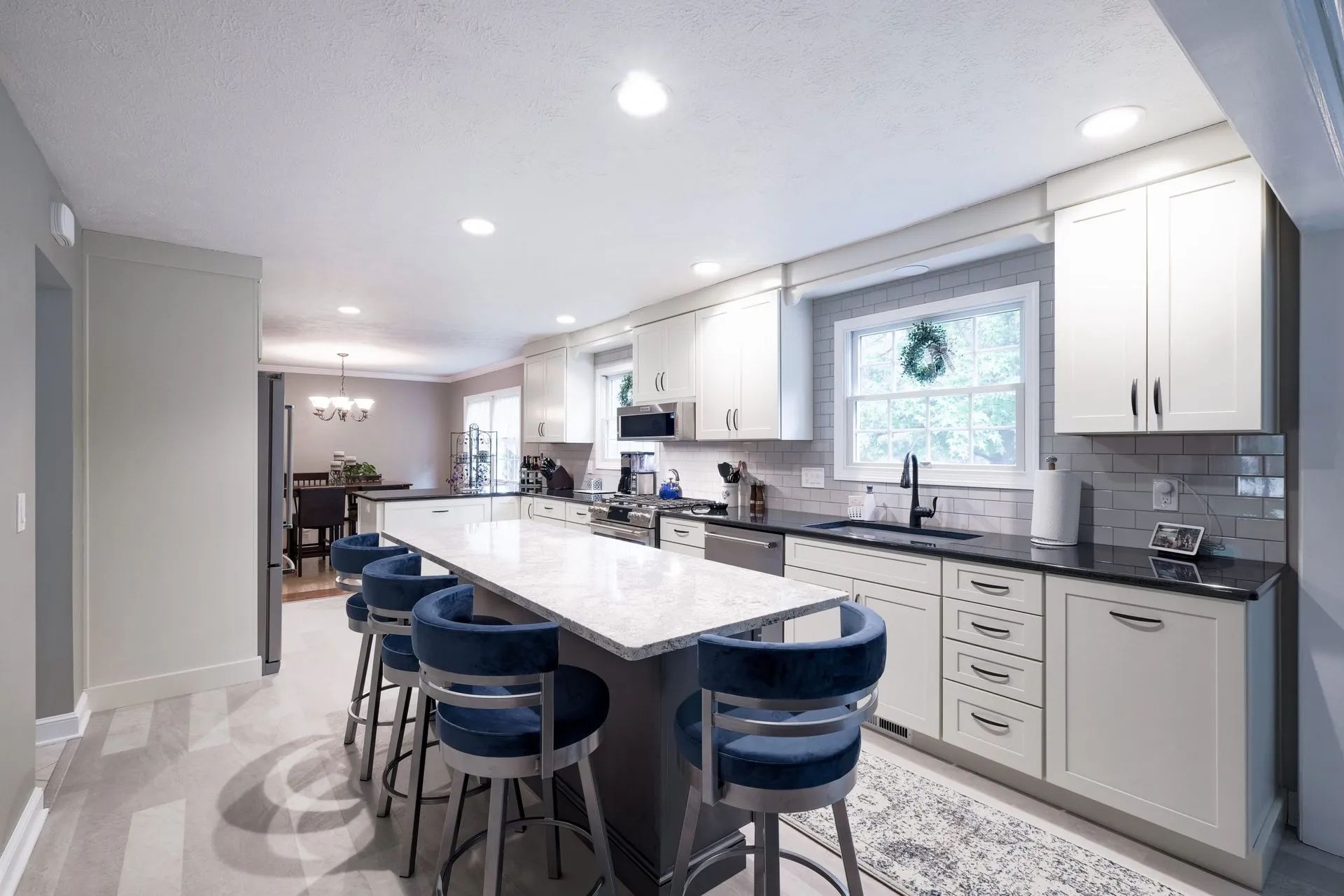
This may include expanding kitchens, reassigning underused formal rooms, or aligning entry sequences so the home feels welcoming rather than compartmentalized.
By viewing the interior as a unified system instead of isolated rooms, remodeling becomes transformational rather than incremental.
Aligning Structure With Modern Lifestyle
Homes built decades ago were designed around different assumptions. Today, homeowners often need:
- Flexible work-from-home areas
- Multi-functional gathering spaces
- Integrated storage
- Clear visual continuity
- Improved connection between indoor and outdoor areas
An interior layout remodel realigns the architecture with these expectations.
It respects the home’s integrity while adapting it for current living patterns.
Layout Improvements and Their Impact
| Outdated Condition | Remodeling Adjustment | Functional Outcome |
|---|---|---|
| Segmented rooms | Wall reconfiguration | Unified gathering spaces |
| Inefficient hallways | Circulation redesign | Improved daily movement |
| Dark interiors | Open sightlines | Better light distribution |
| Underused formal areas | Space reassignment | Practical living zones |
| Poor storage integration | Built-in planning | Reduced clutter |
Why Design-Build Matters for Layout Remodeling
nterior remodeling that involves layout changes often requires structural review, mechanical updates, and electrical coordination.
When planning and construction are separated, layout decisions may conflict with structural realities.
Anthony Slabaugh Remodeling & Design manages interior layout remodels through a coordinated design-build approach. Structural engineering, architectural planning, and construction strategy are aligned early so changes are deliberate rather than reactive.
This ensures the final result performs as well as it looks.
To explore broader interior transformation services, visit our Interior Home Remodeling page.
Testimonials from Satisfied Clients
The positive feedback from our clients is a testament to the effectiveness of our client-focused approach. Their satisfaction and the transformative impact of our designs on their homes and daily lives are what drive us at Anthony Slabaugh Remodeling & Design. Read our Google reviews here.
Interior Home Remodeling Planning Resources
If you are still exploring your options, these related guides may help:
Frequently Asked Questions
How do I know if my layout needs remodeling?
If daily routines feel inefficient or rooms feel disconnected, layout may be the underlying issue.
Does reconfiguring walls require structural evaluation?
Often, yes. Load-bearing walls must be reviewed before modification.
Is open concept always the best solution?
Not always. The goal is improved flow and usability, not simply removing walls.
Will interior layout remodeling affect other systems?
Yes. HVAC, lighting, and electrical may need adjustment to support structural changes.
Does Anthony Slabaugh Remodeling & Design specialize in layout-driven remodeling?
Yes. Reconfiguring interior structure is a core part of our design-build expertise.
Begin Reimagining Your Interior Layout
If your home looks acceptable but does not function the way you want it to, the issue may be structural rather than cosmetic.
Anthony Slabaugh Remodeling & Design helps homeowners in Hudson, Akron, Bath, and surrounding communities rethink interior layouts through thoughtful, coordinated remodeling.