
Homes are not static. Families grow, routines shift, careers evolve, and priorities change over time. Yet many homes are designed around a single moment in life rather than long-term adaptability.
An interior remodel creates the ideal opportunity to design flexible rooms that evolve with your household. Instead of locking a space into one specific function, thoughtful planning allows it to adapt naturally as needs change.
For homeowners in Hudson, Akron, Bath, Fairlawn, Stow, Chagrin Falls, Cuyahoga Falls, and surrounding communities, flexible interior layout design has become one of the most valuable outcomes of a whole-house interior remodel.
Why Flexibility Matters More Than Ever
In past decades, homes were designed with rigid room assignments: formal dining room, living room, family room, study. Today, homeowners throughout Hudson, Akron, and nearby areas often prefer spaces that support multiple uses.
A flexible interior layout allows:
- A home office to transition into a guest suite
- A playroom to become a study area
- A bonus room to function as both lounge and media space
- A dining room to convert into a hybrid entertaining zone
Designing for adaptability does not mean creating vague, undefined spaces. It means creating well-proportioned rooms with infrastructure and layout choices that support change.
Moving Beyond Single-Use Rooms
One of the most common issues we see during interior remodels is underutilized space. Formal rooms that are rarely used. Oversized areas that serve only one narrow purpose.
During an interior remodel, we evaluate how each room truly functions in daily life. The goal is not simply to modernize finishes, but to align architecture with real usage patterns.
Sometimes flexibility is achieved through subtle design shifts:
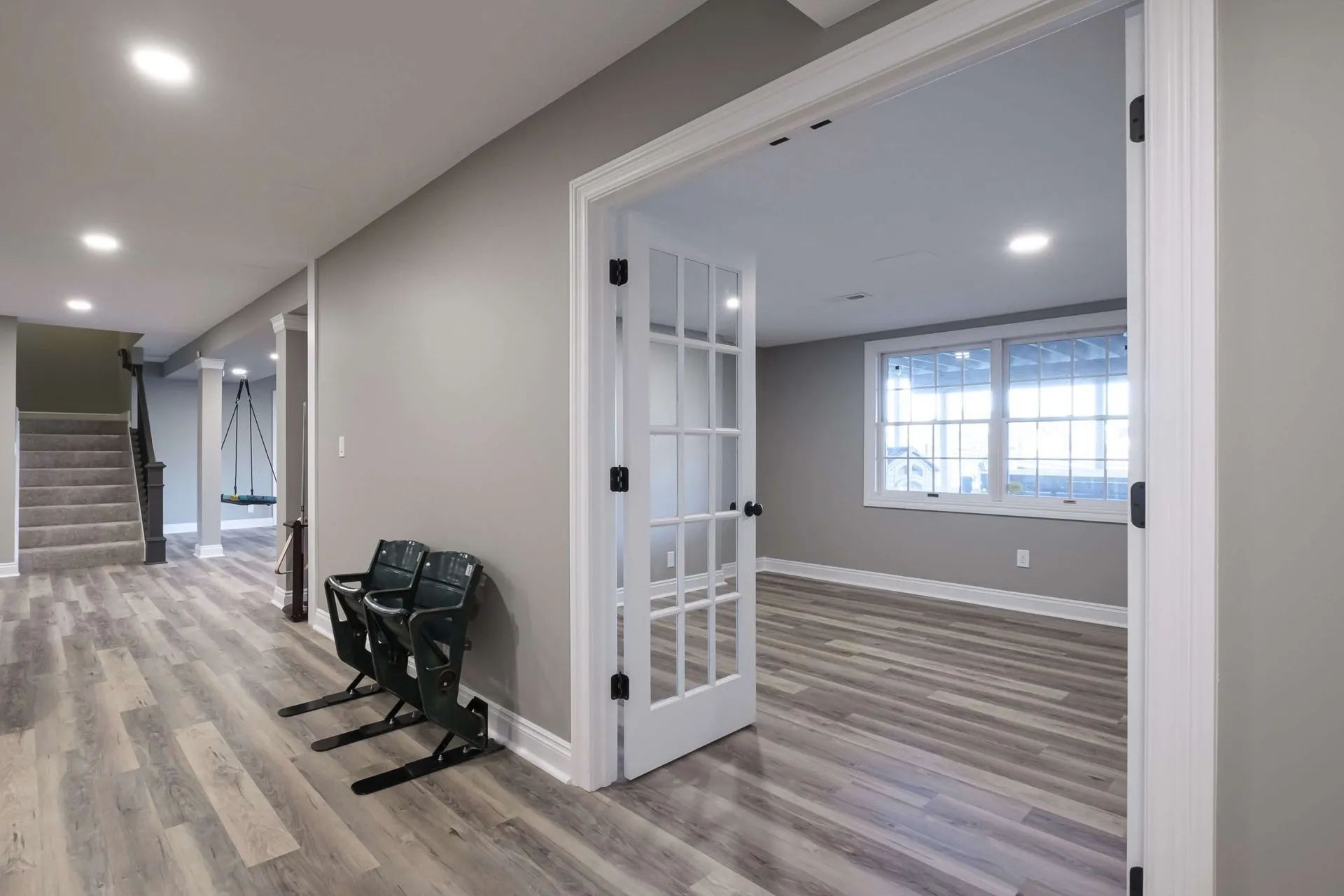
- Widened openings that allow a room to expand visually
- Integrated storage that supports multiple activities
- Strategic lighting layers that adjust mood and function
- Proportions that allow furniture layouts to change easily
These decisions create rooms that feel intentional while remaining adaptable.
Infrastructure Planning for Future-Ready Spaces
Flexible rooms require more than good proportions. They require infrastructure that supports changing uses.
During an interior whole house remodel, we often plan for:
- Electrical outlets placed for multiple furniture arrangements
- Lighting circuits that support different activities
- Wall reinforcement for future shelving or media installations
- Closet or storage planning that adapts over time
These behind-the-scenes considerations make it easier to repurpose a space later without significant reconstruction.
Flexibility begins with foresight.
Balancing Openness and Definition
Open layouts have become popular, but complete openness is not always the most flexible solution. A room that lacks definition can struggle to support varied uses.
Instead, thoughtful interior architecture creates subtle separation while maintaining visual connection. This might include partial walls, ceiling detailing, or transitional zones that allow a room to shift function without feeling disconnected.
A flexible interior layout is about balance — openness where needed and structure where helpful.
Designing for Long-Term Living
Homeowners in Hudson, Akron, and surrounding communities who plan to stay in their homes long-term benefit most from flexible design.
Children’s rooms evolve. Work-from-home needs expand or contract. Aging-in-place considerations emerge over time. Designing flexible rooms ensures the home continues to support changing circumstances.
In many interior remodels, we ask:
- Can this room serve more than one purpose?
- Will this layout still function in ten years?
- Does the space allow for different furniture configurations?
When those questions guide planning, the home becomes resilient rather than rigid.
Flexible Room Planning at a Glance
| Planning Element | Design Strategy | Long-Term Benefit |
|---|---|---|
| Room proportions | Balanced dimensions | Multiple layout options |
| Lighting layers | Adjustable circuits | Activity flexibility |
| Storage integration | Built-in versatility | Reduced clutter |
| Circulation paths | Clear transitions | Easier repurposing |
| Infrastructure planning | Future-ready wiring | Adaptability |
The Financial Value of Flexibility
Flexible rooms protect long-term investment. Instead of remodeling again when needs change, homeowners can adapt existing spaces.
This reduces future renovation costs and improves overall satisfaction with the home. Buyers also increasingly value homes that offer adaptable layouts rather than highly specialized rooms.
Flexibility supports both daily living and long-term value.
Why Design-Build Matters in Flexible Planning
Creating adaptable rooms requires coordination between layout design, structural considerations, electrical planning, and mechanical systems.
Through our design-build process, Anthony Slabaugh Remodeling & Design integrates these decisions from the beginning. Flexible layout planning is not layered on top of structural decisions. It is embedded into them.
For more on how coordinated planning shapes interior transformations, visit our Interior Home Remodeling service page.
Testimonials from Satisfied Clients
Homeowners throughout Hudson, Akron, and surrounding areas often tell us that the greatest benefit of their interior remodel is how adaptable their home now feels. Spaces that once felt rigid or underused now serve multiple purposes with ease. That level of long-term usability reflects thoughtful planning and design alignment. Read our Google reviews to learn more about their experiences.
Interior Home Remodeling Planning Resources
If you are still exploring your options, these related guides may help:
Frequently Asked Questions
What is a flexible interior layout?
A flexible interior layout is designed to support multiple uses over time rather than serving a single fixed purpose.
Does designing flexible rooms increase cost?
Not necessarily. Planning infrastructure and proportions early often avoids costly changes later.
Can open concept designs be flexible?
Yes, when balanced with defined zones and adaptable furniture layouts.
Is flexibility important for long-term homeowners?
Absolutely. Homes that adapt to changing lifestyles remain functional and valuable longer.
Do you incorporate flexible design in interior remodels?
Yes. We prioritize adaptable planning as part of our integrated design-build process.
Plan for Today And Tomorrow
Interior remodeling is an opportunity to create a home that evolves with you. Designing flexible rooms ensures that your investment continues to serve your household for years to come.
Anthony Slabaugh Remodeling & Design helps homeowners in Hudson, Akron, Bath, Fairlawn, Stow, Chagrin Falls, Cuyahoga Falls, and surrounding communities plan interior remodels that are adaptable, intentional, and built for long-term living.