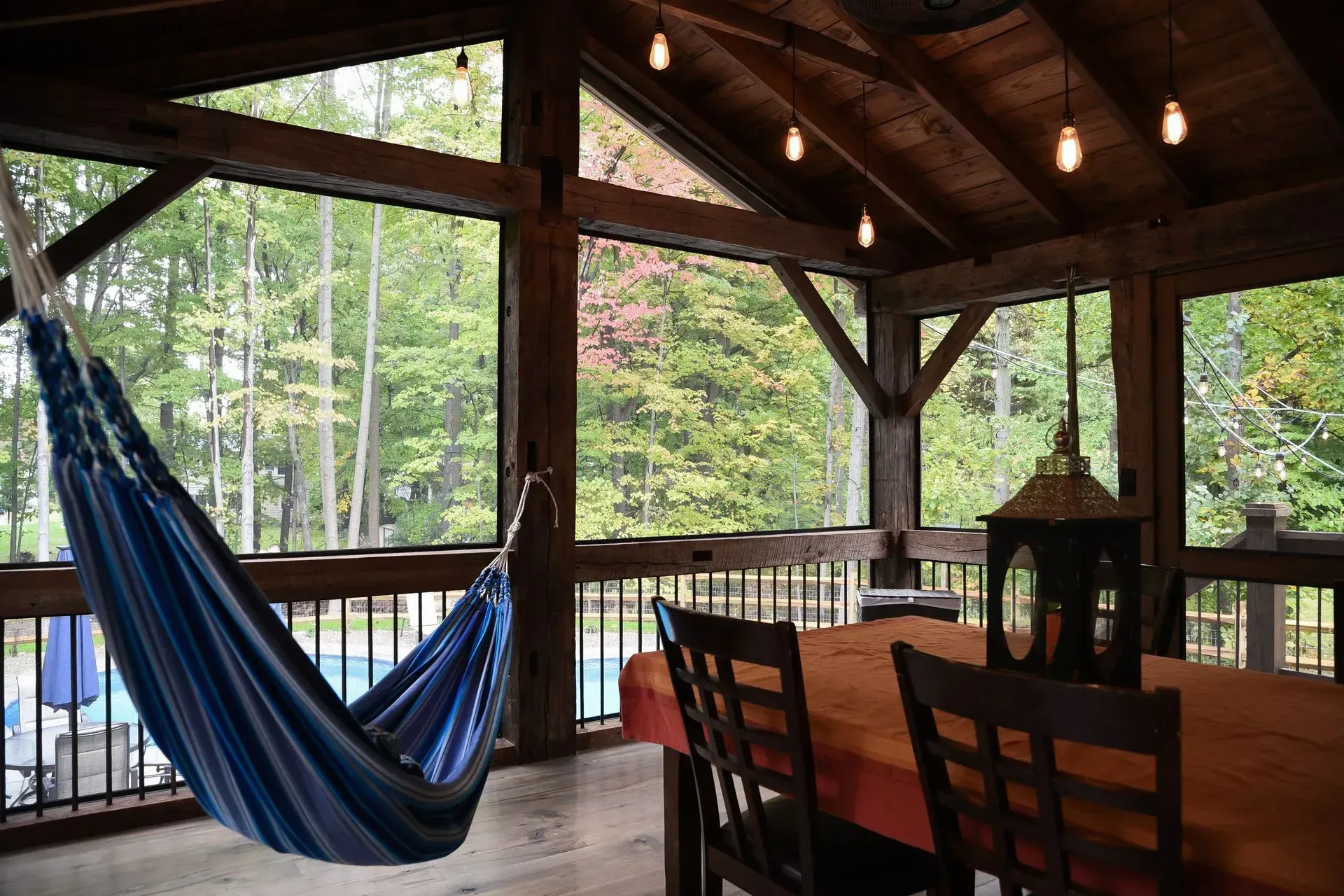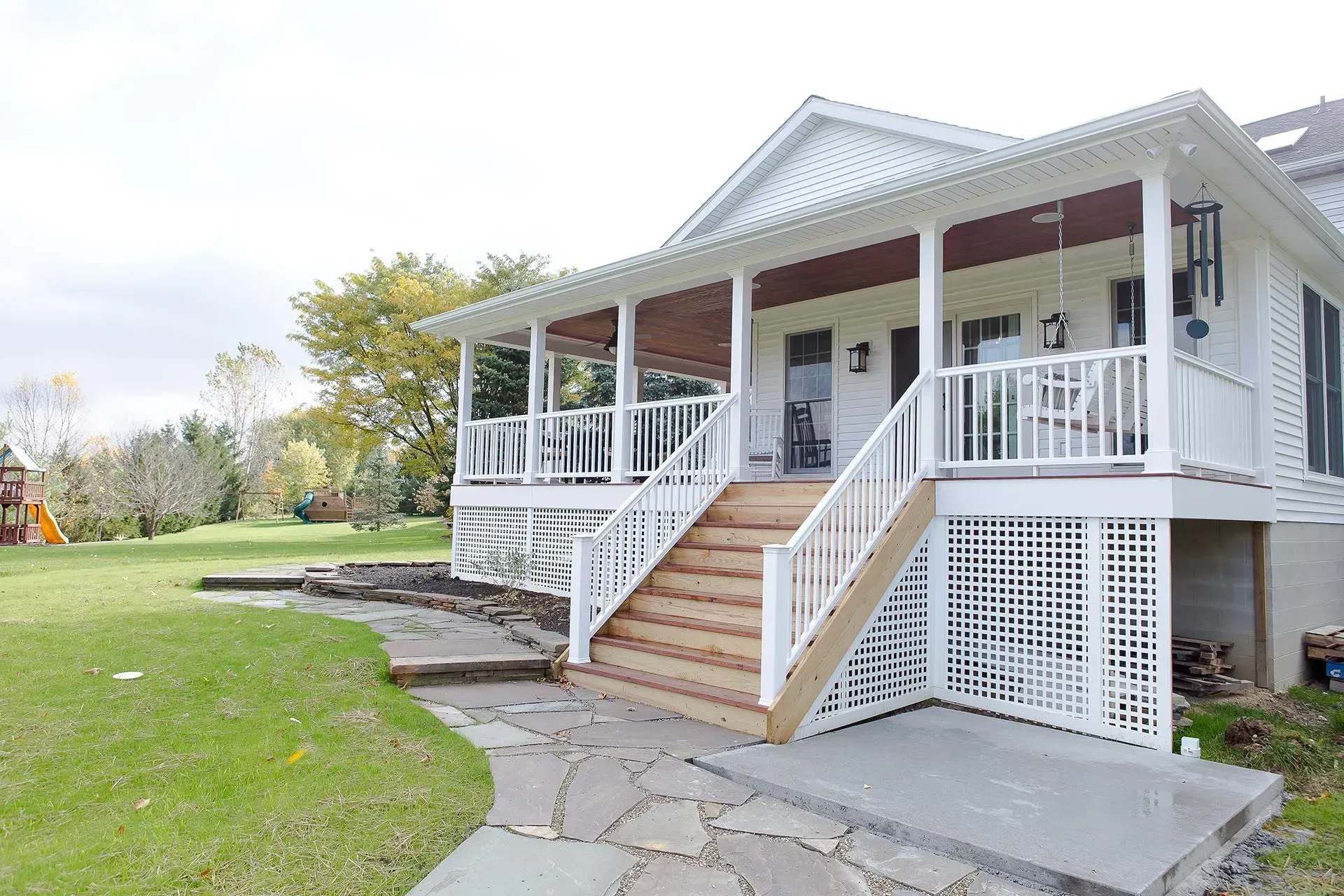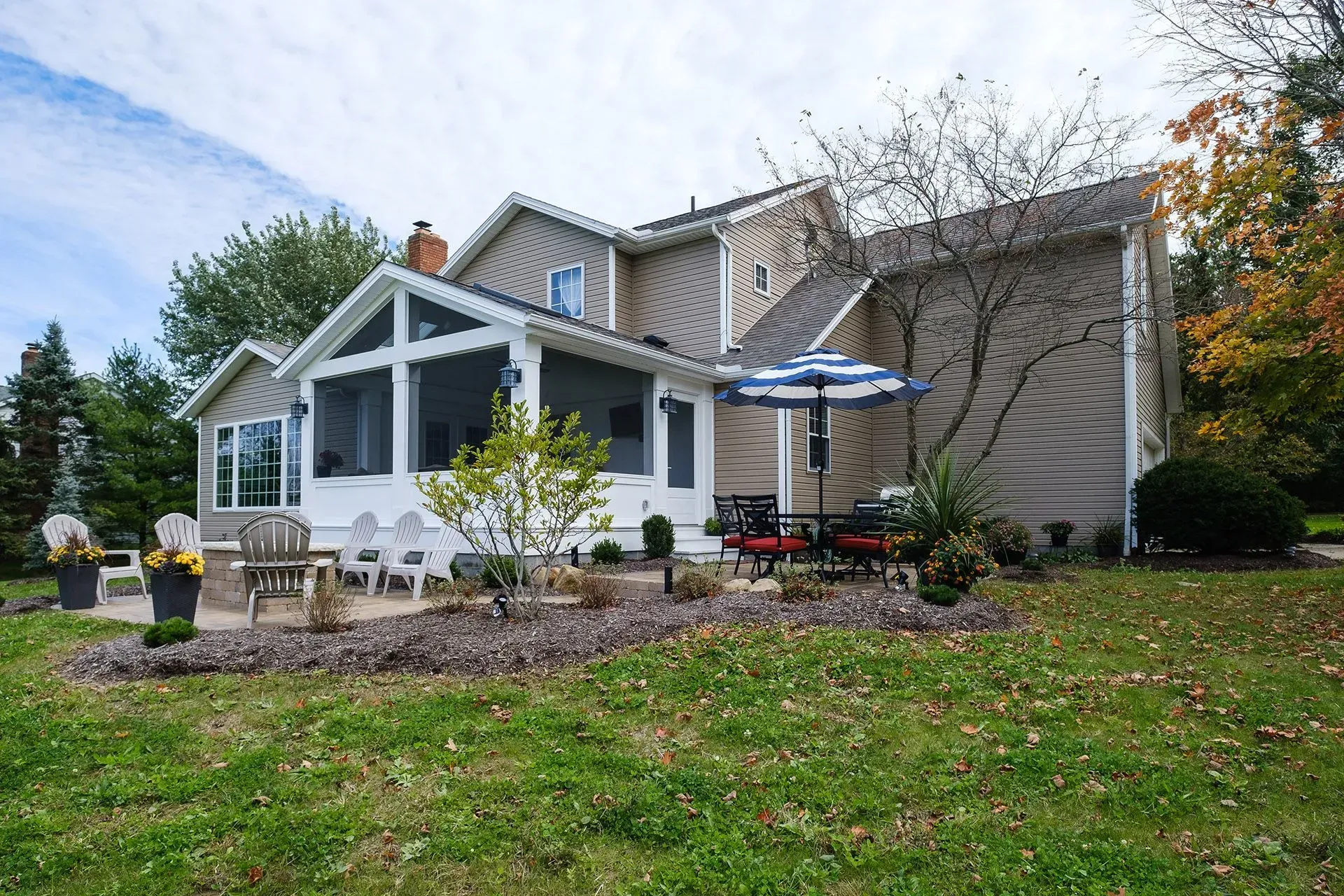

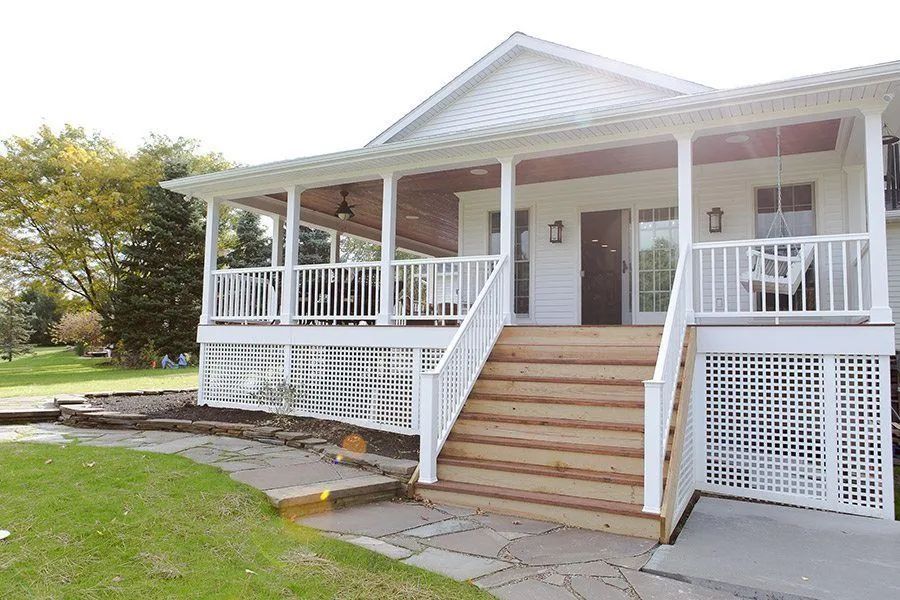
Many homeowners begin thinking about remodeling because something feels off. Spaces look fine, but they do not function well. Rooms feel cramped, drafty, noisy, or inefficient. While visual updates are often the most noticeable result of a remodel, true success is measured by how much more comfortable the home feels day to day.
At Anthony Slabaugh Remodeling & Design, we believe comfort is one of the most important outcomes of remodeling. A well-planned remodel should support how people live, move, and relax in their home, not just how it photographs.
We work with homeowners in Hudson, Akron, Fairlawn, Stow, and surrounding communities, guiding projects that prioritize usability, flow, and long-term comfort.
Comfort Starts With How a Home Functions
Comfort is closely tied to function. When spaces are difficult to use, daily routines become frustrating.
Remodeling can improve comfort by:
- Reducing unnecessary steps
- Improving circulation between spaces
- Creating layouts that match daily habits
When function improves, comfort follows naturally.
Temperature and Air Quality Matter
Many comfort issues are invisible. Drafts, uneven temperatures, and stale air affect how a home feels even when finishes are updated.
Thoughtful remodeling addresses:
- Insulation and air sealing
- Window and door performance
- Ventilation strategies
These improvements help create spaces that feel more stable and pleasant throughout the year.
Lighting Plays a Major Role in Comfort
Poor lighting can make even a beautifully finished room feel uncomfortable. Glare, shadows, and inconsistent light levels affect mood and usability.
Comfort-focused remodeling considers:
- Natural light patterns
- Layered lighting for different activities
- Balanced illumination throughout the home
When lighting is planned intentionally, spaces feel calmer and easier to use.
Sound and Acoustics Are Often Overlooked
Noise travels easily in many homes, especially older layouts or open spaces. Sound can affect comfort as much as temperature or lighting.
Remodeling allows opportunities to:
- Reduce noise transfer between rooms
- Improve acoustic balance in shared spaces
- Create quieter areas for rest and focus
These changes are subtle but impactful.
Storage Reduces Daily Stress
Clutter is one of the most common sources of discomfort in a home. When items do not have a place, spaces feel chaotic and harder to use.
Comfort improves when storage is:
- Planned around routines
- Integrated into the design
- Located where items are actually used
An organized home feels calmer and more livable.
Ease of Movement Improves Daily Experience
Comfort is also about how easily people move through their home. Narrow pathways, awkward transitions, and poorly placed doors interrupt flow.
Remodeling can improve comfort by:
- Widening circulation paths
- Aligning doorways
- Creating intuitive transitions between spaces
Movement should feel natural, not forced.
Materials Influence How Spaces Feel
Materials affect comfort beyond appearance. Flooring impacts warmth and sound. Wall finishes influence light reflection. Surface textures affect how spaces are experienced.
Choosing materials with comfort in mind helps spaces feel more balanced and welcoming.
Comfort Supports Long-Term Living
Comfort-focused remodeling is especially important for long-term use. As needs change, homes that are easier to live in remain enjoyable rather than limiting.
Planning for comfort helps ensure the home continues to support daily life over time.
The Role of Design-Build in Comfort Planning
Comfort does not happen by accident. It requires coordination across planning, design, and construction.
A design-build approach allows comfort considerations to be addressed holistically rather than piecemeal. This integration ensures that comfort improvements are intentional and lasting.
Comfort Improvements at a Glance
| Comfort Area | Remodeling Focus | Daily Benefit |
|---|---|---|
| Layout | Improved flow | Easier movement |
| Temperature | Balanced performance | Year-round comfort |
| Lighting | Thoughtful layering | Visual ease |
| Acoustics | Noise control | Quieter spaces |
| Storage | Integrated solutions | Reduced stress |
| Materials | Performance-driven | Better feel |
Comfort Is Felt Every Day
Unlike appearance, which is often noticed first, comfort is experienced constantly. A comfortable home feels easier to live in, more relaxing, and better aligned with daily life.
This is where remodeling delivers its greatest value.
A Human-Centered Approach to Remodeling
At Anthony Slabaugh Remodeling & Design, we believe remodeling should improve how a home feels, not just how it looks. Our design-build process focuses on planning spaces that support comfort, usability, and long-term livability.
Homeowners in
Hudson, Akron, Fairlawn, Stow,
and
nearby communities have trusted Anthony Slabaugh Remodeling & Design since 1997 to deliver remodeling experiences built around real life, not just design trends.
Frequently Asked Questions
Does remodeling always improve comfort?
Only when comfort is intentionally planned for, not assumed.
Are comfort improvements always visible?
No. Many of the most impactful changes are felt rather than seen.
Can comfort be improved without changing style?
Yes. Comfort improvements often work behind the scenes.
Does planning affect comfort outcomes?
Yes. Comfort depends on early coordination and thoughtful decisions.
Does Anthony Slabaugh Remodeling & Design focus on comfort in remodeling?
Yes. Comfort is a core consideration in our design-build process.
Ready to Improve How Your Home Feels?
If you are planning a remodel and want a home that feels more comfortable, functional, and enjoyable every day, Anthony Slabaugh Remodeling & Design is here to help.
Our design-build approach ensures comfort is planned intentionally and built with care.
Contact Anthony Slabaugh Remodeling & Design to schedule a consultation and take the next step toward a home designed for how you live.