
Pull-Outs, Dividers, and Hidden Storage: Cabinet Features Worth Planning Early

Conflicting plans are not inevitable in remodeling. They result from fragmented structure.
Anthony Slabaugh Remodeling & Design provides design-build home renovation services for homeowners in Hudson, Akron & surrounding areas who value architectural alignment and disciplined execution.
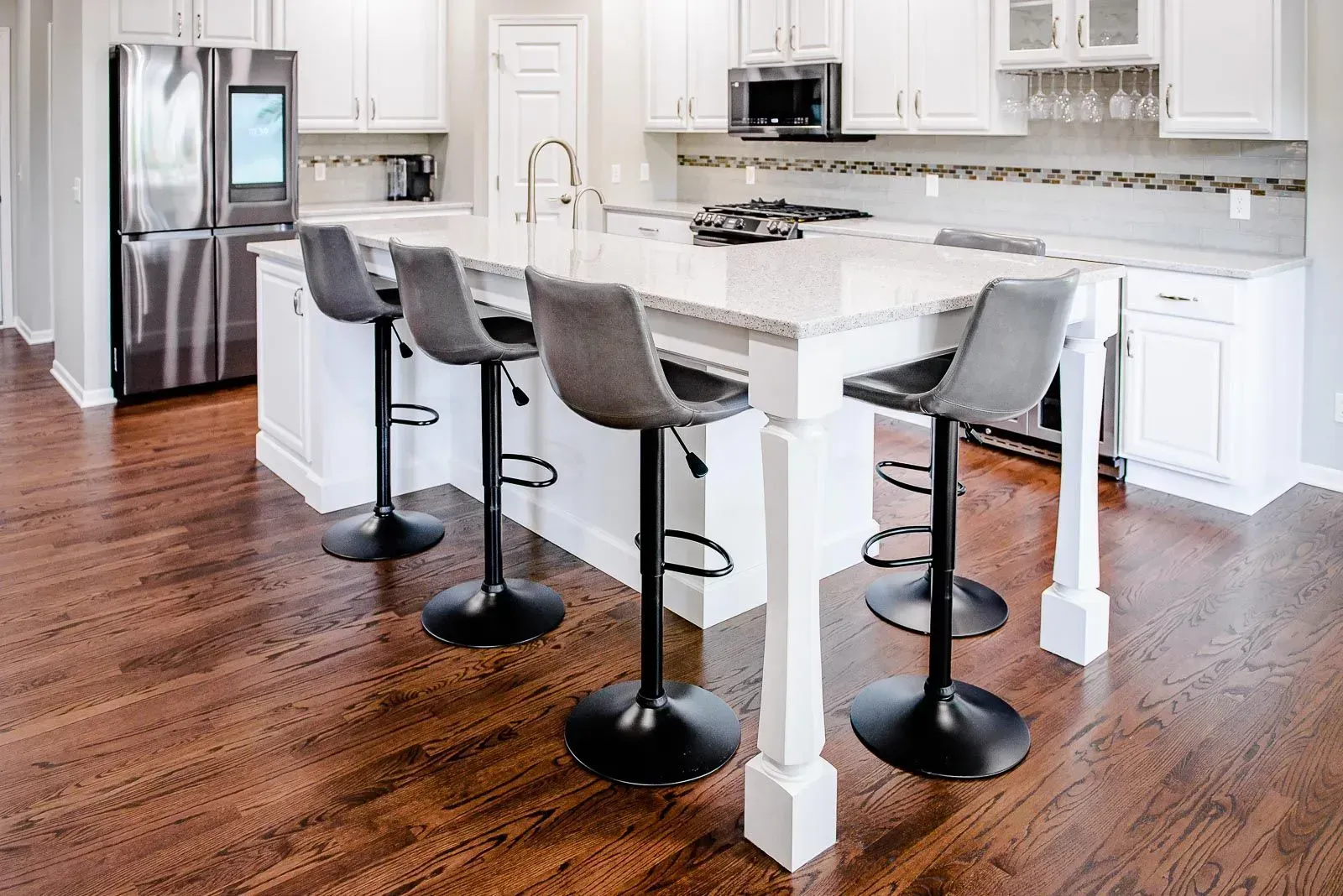
Kitchen cabinet organizers can make a remodeled kitchen easier to use every day, but they need to be planned before cabinet ordering. Pull-outs, dividers, appliance storage, trash systems, pantry inserts, and hidden storage features all affect cabinet sizing, layout, hardware, and daily workflow.
When these details are left until later, homeowners may lose opportunities for better storage or discover that the cabinet layout cannot support the feature they wanted.
At
Anthony Slabaugh Remodeling & Design, we help homeowners in Hudson, Akron and surrounding areas plan kitchen cabinet organizers as part of a refined design-build process. Storage should not be added after the kitchen is designed. It should help shape the design from the beginning.
Why Cabinet Organizers Need Early Planning
Cabinet organizers are not just accessories. Many require specific cabinet dimensions, drawer depths, door swings, hardware clearances, or internal support.
A pull-out spice cabinet needs the right location near the cooking zone. A trash pull-out should relate to the sink and prep area. Drawer dividers need the right drawer size and depth. Hidden appliance storage may require electrical planning.
For homeowners throughout Bath, Fairlawn, and Chagrin Falls, early planning helps the finished kitchen feel intentional instead of improvised.
Start With Kitchen Zones
The best cabinet organizers are planned around how the kitchen works. Prep, cooking, cleanup, serving, pantry storage, and beverage areas each need different storage solutions.
A prep zone may benefit from utensil dividers, cutting board storage, and nearby trash access. A cooking zone may need spice storage, pan dividers, or pull-out trays. A cleanup zone may need trash, recycling, cleaning supplies, and dish storage.
At
Anthony Slabaugh Remodeling & Design, storage planning is tied to workflow so cabinet features support how the kitchen is actually used.
Pull-Outs That Improve Access
Pull-outs are useful when they make deep or narrow cabinets easier to reach. They can work well for pantry items, spices, oils, cleaning supplies, trays, and pots.
The key is choosing pull-outs where they solve a real access problem. Not every cabinet needs one. In some cases, drawers may perform better than pull-out shelves. In others, a narrow pull-out may use space that would otherwise be difficult to access.
A refined kitchen uses these features selectively.
Drawer Dividers and Interior Organization
Drawer dividers can bring structure to utensils, flatware, cooking tools, knives, linens, and specialty items. They are most effective when planned with the drawer sizes and kitchen zones in mind.
A wide drawer near the range may be ideal for cooking tools. A drawer near the dishwasher may be better for flatware. A deeper drawer may support pots, lids, or containers.
Small details like dividers can make cabinetry feel more custom because they support specific daily routines.
Hidden Storage for Cleaner Surfaces
Hidden storage can help reduce countertop clutter. Appliance garages, charging drawers, concealed coffee stations, tray storage, and built-in pantry zones can keep frequently used items accessible without leaving them visible all day.
These features require careful planning. Appliance garages may need electrical access. Charging drawers need power. Coffee stations may need clearance, lighting, or nearby water depending on the design.
In a high-end kitchen, hidden storage should feel seamless, not forced into the layout later.
Kitchen Cabinet Organizer Planning Guide
| Organizer Feature | Why It Should Be Planned Early |
|---|---|
| Trash pull-out | Needs proper location near prep and cleanup zones |
| Spice pull-out | Works best near the cooking area |
| Drawer dividers | Depends on drawer width, depth, and use |
| Appliance garage | May require electrical planning and clearance |
| Tray dividers | Needs cabinet height and vertical storage planning |
| Charging drawer | Requires power placement before installation |
| Pantry pull-outs | Affects cabinet sizing and access strategy |
This table is included because cabinet organizers often depend on layout decisions made before the cabinets are ordered.
Avoid Overloading the Kitchen With Features
Kitchen cabinet organizers should improve function, not complicate it. Too many specialty inserts can reduce flexibility and make the kitchen feel overdesigned.
The strongest storage plans focus on high-use areas first. If a feature solves a daily problem, it may be worth including. If it only sounds appealing but does not support how the kitchen is used, it may not be necessary.
At
Anthony Slabaugh Remodeling & Design, we guide homeowners toward storage decisions that feel practical, refined, and appropriate to the home.
Visit Our Design Studio in Stow, Ohio
Our Stow, Ohio design studio gives homeowners a place to review cabinetry options, organizers, materials, finishes, and layout details together. Seeing these elements in context helps clarify which storage features are worth planning before cabinet orders are finalized.
For homeowners in Hudson, Akron and surrounding areas, the design studio supports a more thoughtful and organized remodeling experience.
Client Feedback on Our Remodeling Process
Homeowners often share that early storage planning helps them feel more confident about how their kitchen will function after the remodel. By reviewing cabinet layout, organizers, workflow, and selections early,
Anthony Slabaugh Remodeling & Design helps clients make decisions with clarity instead of pressure. We invite you to read our Google reviews
to learn more about their experiences.
Frequently Asked Questions
What are kitchen cabinet organizers?
Kitchen cabinet organizers are built-in storage features that improve access, order, and daily function. Examples include pull-outs, drawer dividers, tray storage, appliance garages, trash systems, pantry inserts, and charging drawers. They help cabinetry work more efficiently when planned around the kitchen layout.
When should cabinet organizers be planned?
Cabinet organizers should be planned before cabinet ordering because many require specific sizes, clearances, hardware, or electrical placement. Waiting too long can limit available options or force compromises. Early planning helps the organizers feel integrated into the kitchen design.
Are pull-out shelves better than drawers?
Pull-outs can improve access in deep cabinets, but drawers may be better for many storage needs. The right choice depends on what will be stored, where it is used, and how often it is accessed. A thoughtful kitchen plan may use both.
What hidden storage features are worth considering?
Useful hidden storage features may include appliance garages, charging drawers, tray dividers, pull-out pantries, and concealed trash systems. The best options are the ones that reduce visible clutter while supporting daily routines, rather than adding features that are rarely used.
Start With Cabinet Storage Planned Before Ordering
A refined kitchen depends on cabinetry that supports daily use as carefully as it supports the overall design. Schedule a consultation with Anthony Slabaugh Remodeling & Design or call (330) 940-3237 to plan kitchen cabinet organizers with confidence.
Recent Posts
Share this article
CLIENT REVIEWS
Don’t Just Take Our Word For It
See below how our customers react on our ultimate pressure cleaning services