

Recessed Lighting Layouts: How Professionals Plan Ceiling Symmetry

Conflicting plans are not inevitable in remodeling. They result from fragmented structure. 


Anthony Slabaugh Remodeling & Design provides design-build home renovation services for homeowners in Hudson, Akron & surrounding areas who value architectural alignment and disciplined execution. 


If you are planning a renovation and want drawings that translate directly into construction without conflict, begin with a unified design-build model designed to eliminate misalignment before it begins.

Recessed lighting is often treated as a simple grid placed across the ceiling. In many kitchens, this results in uneven spacing, misaligned fixtures, and a ceiling that feels cluttered rather than refined.


In high-end kitchen design, recessed lighting is not random. It is carefully aligned with cabinetry, architectural lines, and room proportions to create balance and clarity.


At Anthony Slabaugh Remodeling & Design, we design kitchens for homeowners in Hudson, Akron and surrounding areas where lighting is planned with architectural intent. Every fixture is positioned to support both function and visual symmetry.


A well-designed ceiling feels intentional, even if the details are subtle.

Why Ceiling Symmetry Matters

Ceiling symmetry plays a major role in how a kitchen is perceived. Even when homeowners cannot identify the issue, misaligned lighting can make a space feel unsettled.


  • Common problems include:
  • Fixtures that do not align with cabinets or islands
  • Uneven spacing between lights
  • Clusters of lights in some areas and gaps in others
  • A ceiling that feels visually busy


In homes throughout Bath, Fairlawn, and Chagrin Falls, these issues often occur when lighting is installed without a coordinated layout plan.


Symmetry creates a sense of order and refinement.

Moving Beyond the Basic Grid

Many installers follow a simple approach by spacing recessed lights evenly across the ceiling. While this may seem logical, it often ignores the layout of the kitchen below.


A basic grid can result in:


  • Lights placed behind users, creating shadows 
  • Fixtures that miss key work zones 
  • Misalignment with cabinetry and architectural features 
  • A ceiling that looks disconnected from the space 


At Anthony Slabaugh Remodeling & Design, we avoid this approach. Instead, we design lighting layouts based on how the kitchen is structured and used.


Lighting should respond to the room, not override it.

Aligning Lights With Cabinetry

One of the most important principles in recessed lighting design is alignment with cabinetry. Lights should be positioned to correspond with cabinet edges, appliance locations, and work surfaces.


This ensures:


  • Even illumination across countertops 
  • Reduced shadows in work areas 
  • Visual alignment between ceiling and cabinetry 
  • A more cohesive overall design 


For example, recessed lights are often placed slightly forward of upper cabinets to illuminate countertops effectively. This placement also aligns with the front edge of cabinetry, reinforcing visual structure.


Alignment creates both function and visual clarity.

Centering Fixtures Within the Room

In addition to aligning with cabinetry, recessed lighting should also respect the overall proportions of the room. Fixtures should relate to the centerlines of the space rather than being placed arbitrarily.


This involves:


  • Identifying the visual center of the kitchen 
  • Aligning lighting rows with key architectural axes 
  • Balancing fixture placement across the ceiling 
  • Ensuring symmetry from multiple viewpoints 


In open-concept homes throughout Hudson and Aurora, this level of planning ensures that the kitchen ceiling feels integrated with the surrounding spaces.


Balance is achieved through proportion, not repetition.

Coordinating With Kitchen Islands

Kitchen islands require special attention in recessed lighting layouts. Because the island is often the focal point, lighting must be coordinated with its size, shape, and position.


Key considerations include:


  • Aligning recessed lights with the island edges 
  • Coordinating with pendant lighting placement 
  • Ensuring even illumination across the entire surface 
  • Avoiding overcrowding of fixtures above the island 


At Anthony Slabaugh Remodeling & Design, we treat the island as a central reference point when planning ceiling layouts.


The focal point should guide the design.

Spacing and Fixture Distribution

Proper spacing is essential to avoid both over-lighting and under-lighting. Fixtures should be placed to create even coverage without overwhelming the ceiling.


Effective spacing considers:


  • Ceiling height 
  • Beam angle of the fixtures 
  • Distance between lights 
  • Relationship to walls and cabinetry 


Rather than applying a fixed spacing rule, we adjust placement based on the specific kitchen layout.


Consistency in spacing creates a clean and refined ceiling.

Avoiding the “Overfilled” Ceiling Look

One of the most common issues in kitchen lighting is the appearance of too many recessed lights. This creates a ceiling that feels cluttered and lacks visual hierarchy.


To avoid this:


  • Use only the number of fixtures required for proper illumination 
  • Combine recessed lighting with other layers such as pendants and under-cabinet lighting 
  • Maintain consistent alignment and spacing 
  • Avoid placing fixtures without a clear purpose 


In high-end kitchens throughout Pepper Pike and Hunting Valley, restraint is key. Fewer, well-placed fixtures create a more refined result than excessive lighting.


Quality of placement matters more than quantity.

Integrating Lighting With Architecture

Recessed lighting should reflect the architecture of the home. Ceiling layouts should align with structural elements, cabinetry, and spatial organization.


This includes:


  • Coordinating with ceiling details and beams 
  • Aligning with room transitions in open layouts 
  • Maintaining consistency with adjacent spaces 
  • Supporting the overall design language of the home 


At Anthony Slabaugh Remodeling & Design, lighting is treated as part of the architectural composition, not an isolated element.


Integration creates cohesion.

The Role of Design-Build Planning

Achieving a refined lighting layout requires coordination between design and construction. Electrical planning must be completed before installation begins.


Our design-build process ensures:


  • Lighting layouts are finalized before electrical rough-in 
  • Fixture placement aligns with cabinetry and layout 
  • Adjustments are minimized during construction 
  • The final result matches the original design intent 


By planning early, we eliminate guesswork and ensure precision.


The right process leads to the right outcome.

Visit Our Design Studio in Stow, Ohio

Recessed lighting layouts are best understood in context. At Anthony Slabaugh Remodeling & Design, our Stow, Ohio design studio allows homeowners from Hudson, Akron and surrounding areas to review lighting plans alongside cabinetry and layout designs.


We help clients see how ceiling symmetry, fixture placement, and overall design come together.


Clarity in planning leads to confidence in decisions.

Frequently Asked Questions    

  • How should recessed lights be arranged in a kitchen?

    They should be aligned with cabinetry, work zones, and architectural features rather than placed in a simple grid.

  • What is the biggest mistake in recessed lighting design?

    Placing lights without considering cabinetry and user position, which often leads to shadows and poor alignment.

  • How many recessed lights does a kitchen need?

    The number depends on layout and size. Proper placement is more important than quantity.

  • They should be centered relative to the room and aligned with key design elements.

    No. Lighting must be adjusted based on the scale and layout of the space.

  • When should lighting layout be planned?

    Lighting should be planned during the design phase before electrical work begins.

Start With a Clear Plan

Recessed lighting should enhance your kitchen, not distract from it. Schedule a consultation with Anthony Slabaugh Remodeling & Design or call (330) 940-3237 to design a kitchen where lighting, layout, and architecture are fully aligned.

Recent Posts

Front Porch Remodeling Ideas for Curb Appeal | ASRD
By Anthony Slabaugh Remodeling & Design July 9, 2026
Explore front porch remodeling ideas for curb appeal, entry presence, steps, railings, columns, lighting, and exterior design.
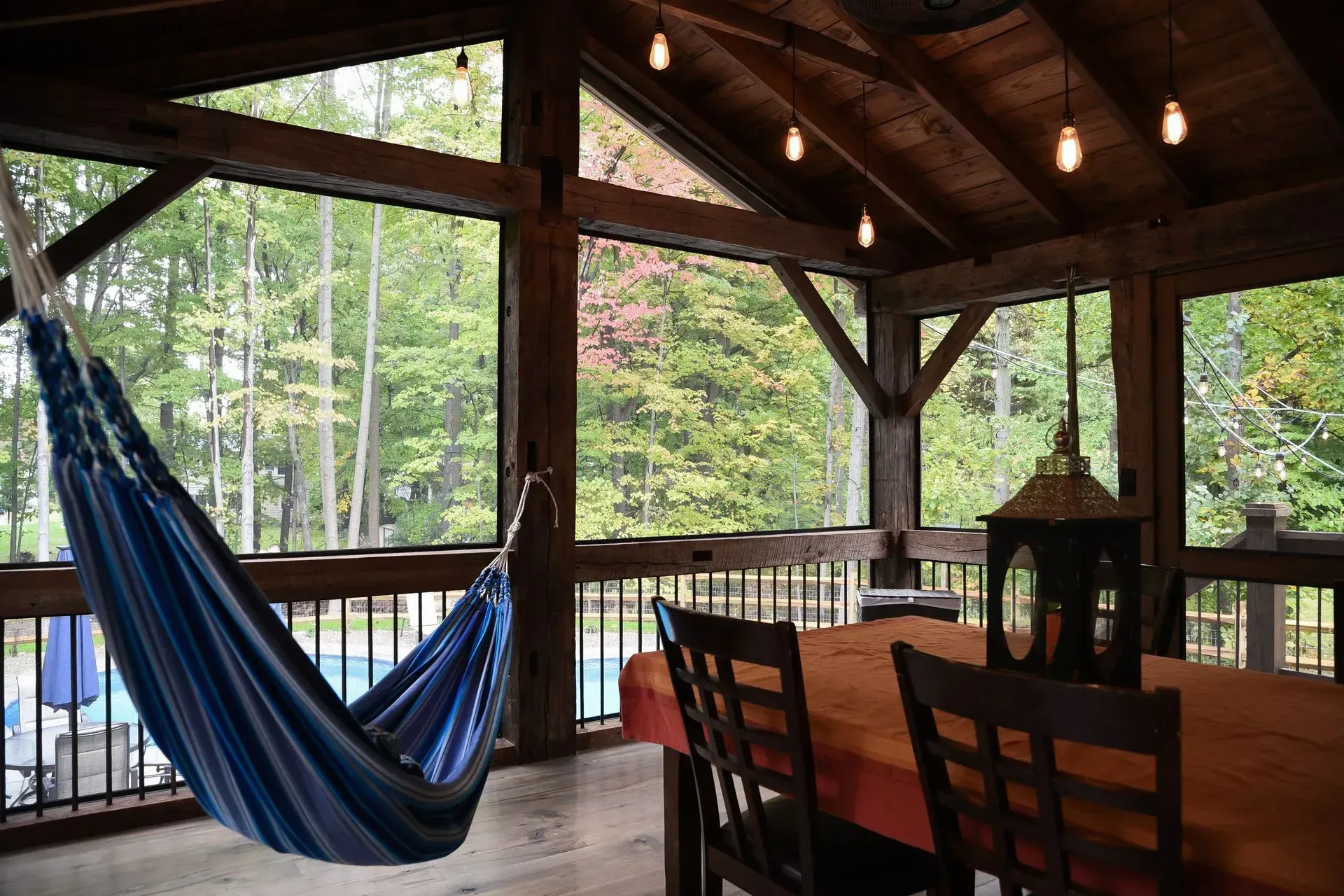
Porch Railing Ideas, Columns and Step Design | ASRD
By Anthony Slabaugh Remodeling & Design July 9, 2026
Explore porch railing ideas, porch column ideas, step design, safety, scale, architectural style, and exterior continuity.
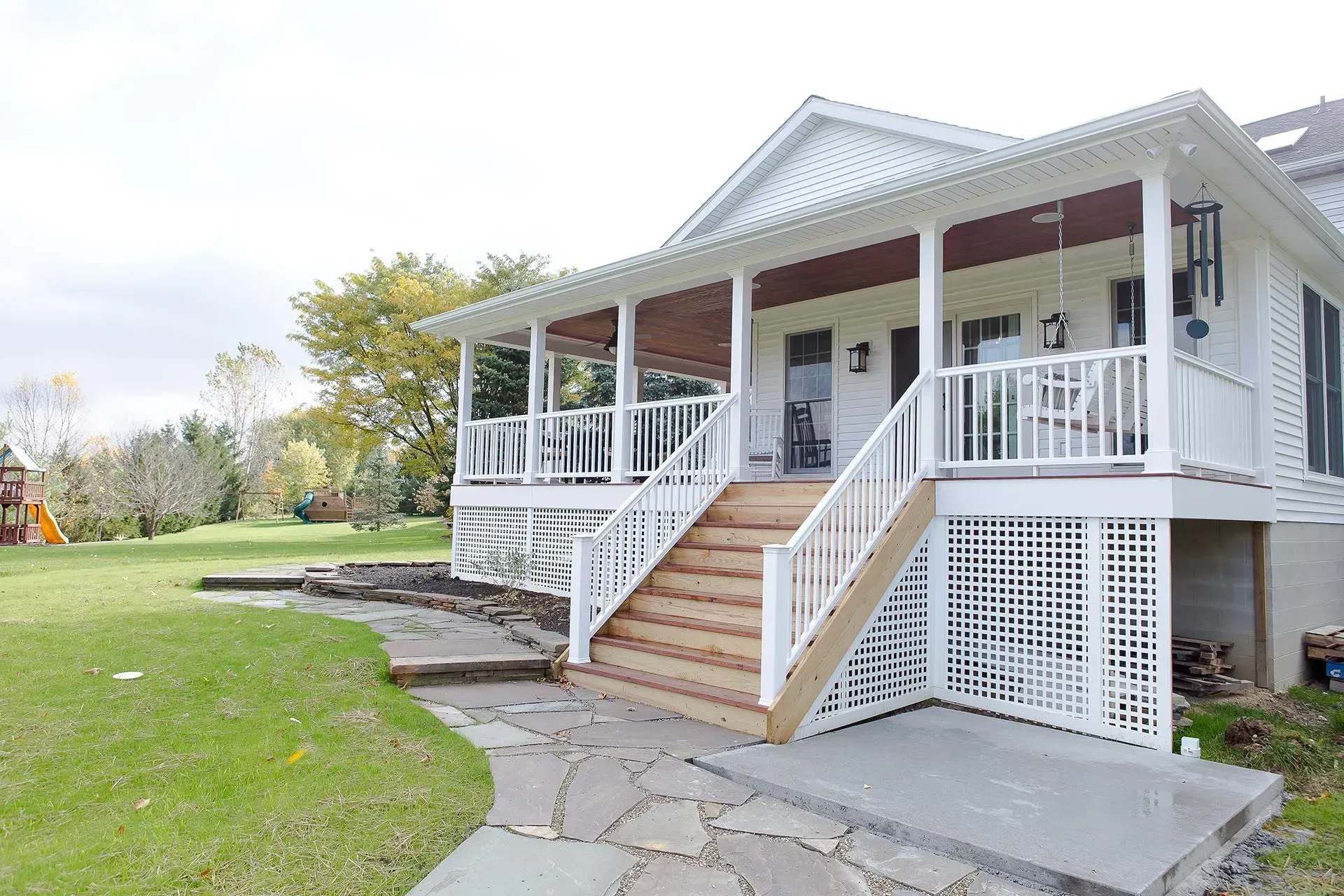
Signs Your Porch Needs Remodeling | ASRD
By Anthony Slabaugh Remodeling & Design July 9, 2026
Learn signs your porch may need remodeling, including worn flooring, loose railings, damaged steps, moisture issues, and outdated details.
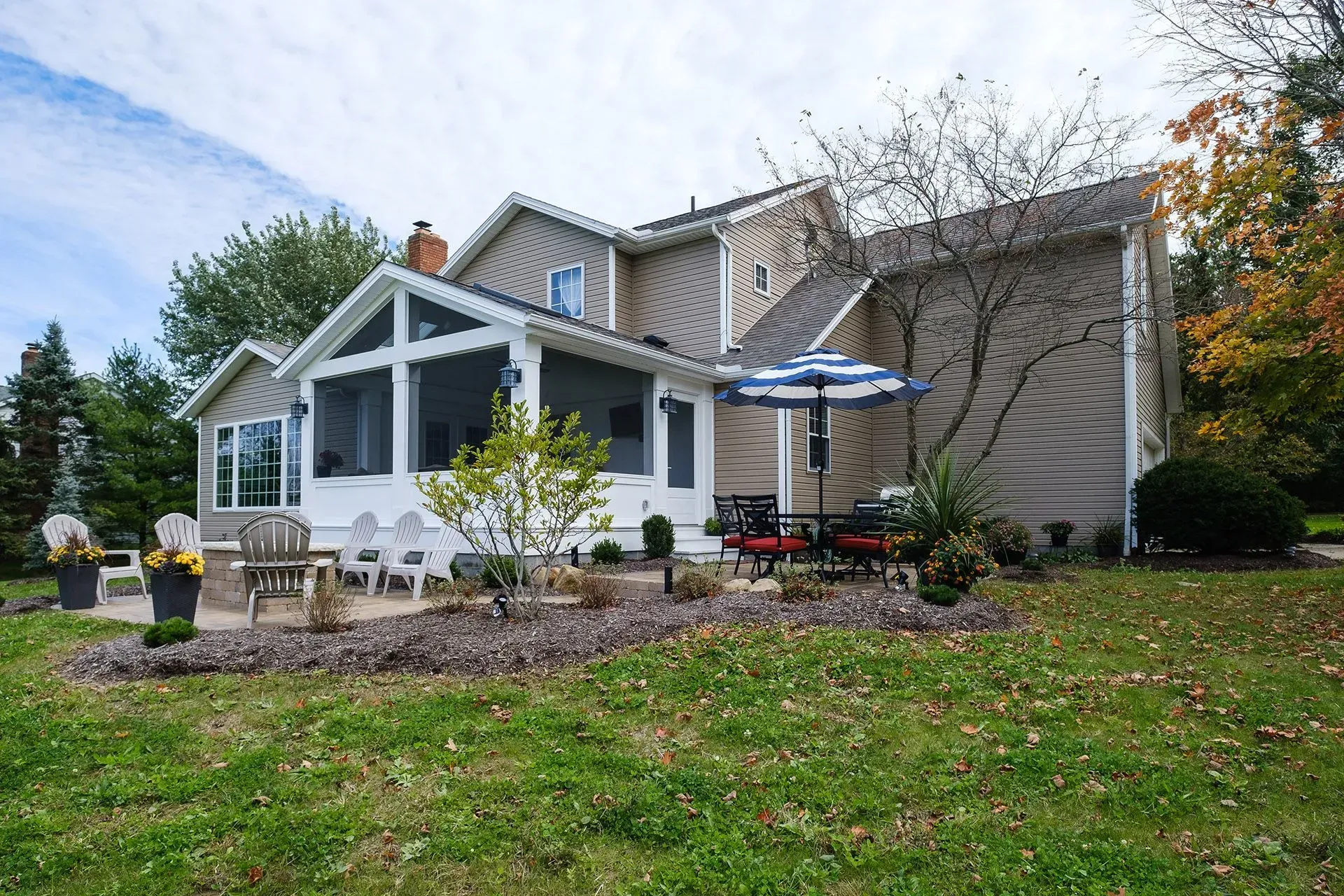
Side Porch Ideas for Better Outdoor Access | ASRD
By Anthony Slabaugh Remodeling & Design July 9, 2026
Explore side porch ideas and rear porch remodel updates for steps, outdoor access, driveway flow, yard access, and daily function.
Front Porch Remodeling Ideas for Curb Appeal | ASRD
By Anthony Slabaugh Remodeling & Design July 9, 2026
Explore front porch remodeling ideas for curb appeal, entry presence, steps, railings, columns, lighting, and exterior design.
Porch Railing Ideas, Columns and Step Design | ASRD
By Anthony Slabaugh Remodeling & Design July 9, 2026
Explore porch railing ideas, porch column ideas, step design, safety, scale, architectural style, and exterior continuity.
Signs Your Porch Needs Remodeling | ASRD
By Anthony Slabaugh Remodeling & Design July 9, 2026
Learn signs your porch may need remodeling, including worn flooring, loose railings, damaged steps, moisture issues, and outdated details.

Share this article

CLIENT REVIEWS

Don’t Just Take Our Word For It

See below how our customers react on our ultimate pressure cleaning services