

Remodel Your Kitchen for Maximum Organization

A Step-by-Step Guide to an Organized Kitchen

Remodeling your kitchen is a fantastic opportunity to enhance its functionality, efficiency, and overall aesthetic appeal. An organized kitchen not only makes cooking more enjoyable but also saves you time and reduces stress. Here’s a comprehensive guide to remodeling your kitchen to achieve optimal organization.

Plan with Purpose

Before diving into the physical aspects of remodeling, spend ample time planning. A well-thought-out plan ensures that your kitchen meets your needs and stays organized.


Key Considerations:

  • Assess Your Needs: Think about how you use your kitchen. Do you cook daily or occasionally? Do you need more storage for cookware or pantry items? Tailor your plan to your specific habits.
  • Set a Budget: Determine how much you’re willing to spend. A clear budget will help you make decisions about materials, appliances, and general selections.
  • Design Layout: Choose a layout that maximizes space and enhances workflow. Common layouts include L-shaped, U-shaped, galley, and open-concept kitchens.
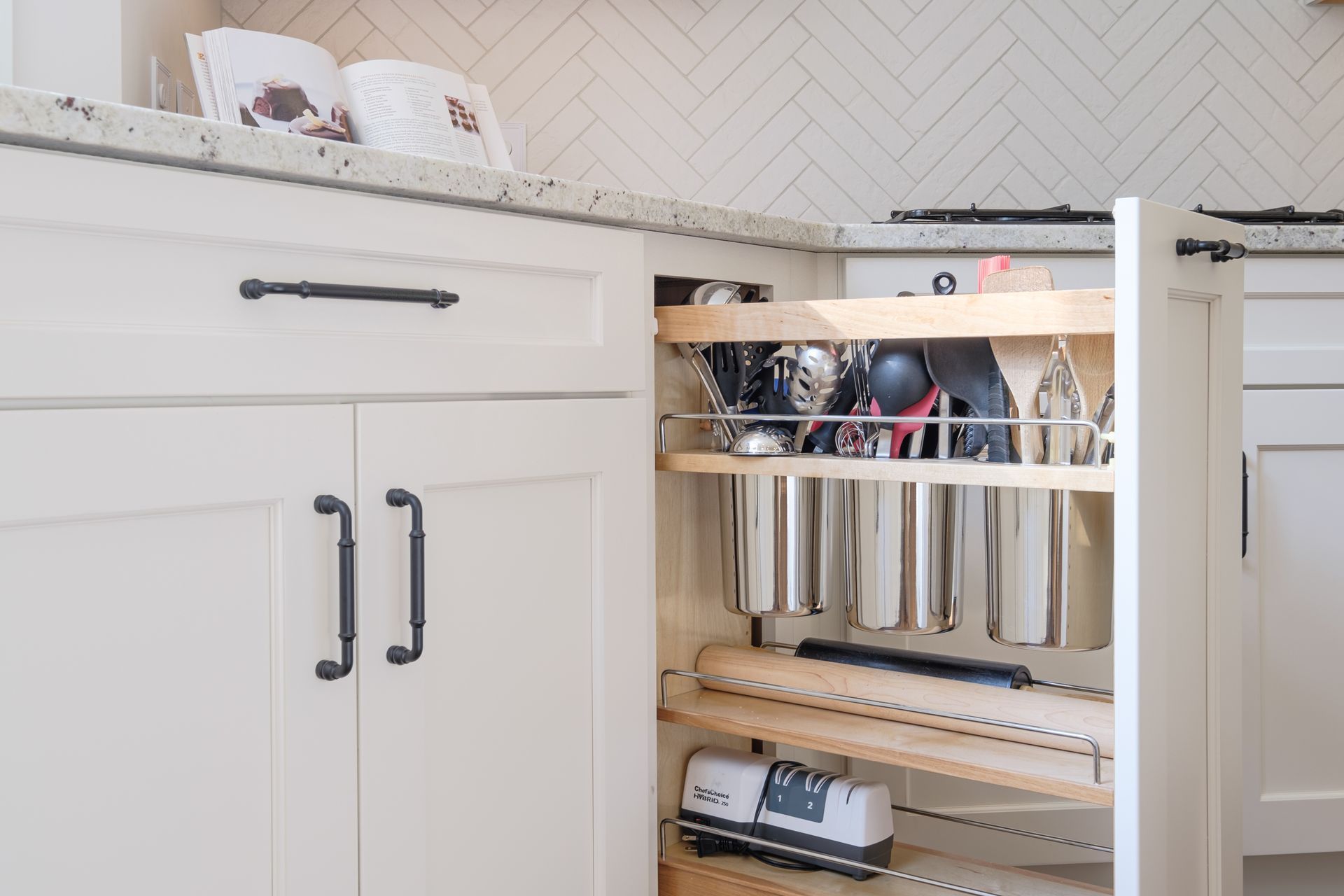
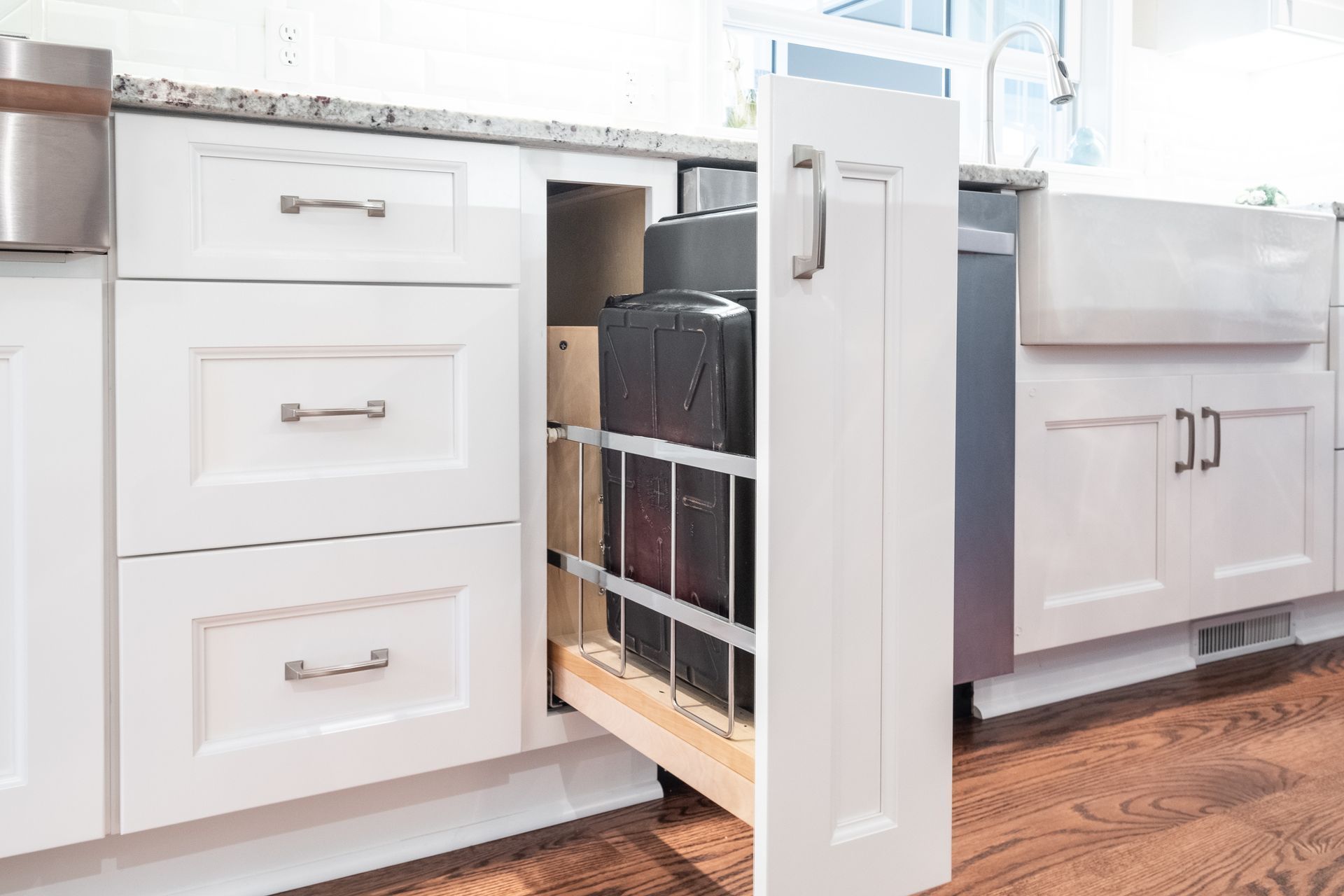
A kitchen with white cabinets and a pull out drawer filled with pots and pans.

Choose the Right Cabinets

Cabinets are the backbone of kitchen organization. Investing in the right cabinets can drastically improve storage efficiency and accessibility.


Tips:

  • Custom Cabinets: Custom cabinets are always a plus. They can be designed to fit your kitchen perfectly, utilizing every inch of available space.
  • Pull-Out Shelves: Incorporate pull-out shelves for easier access to items stored at the back of the cabinet.
  • Deep Drawers: Use deep drawers for pots, pans, and larger kitchen tools. These drawers are easier to access compared to traditional cabinets.
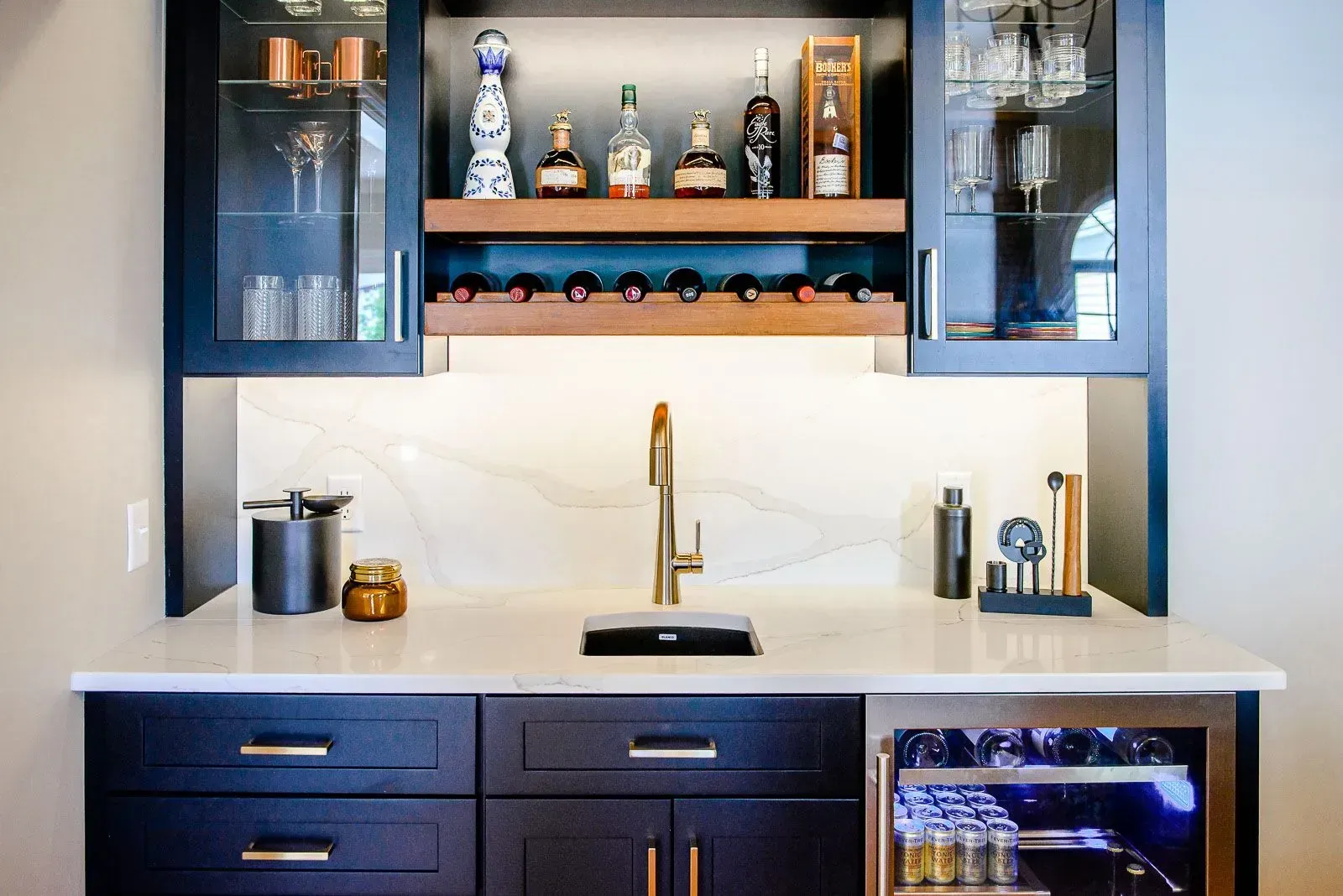
A kitchen with a sink , a refrigerator , a bottle rack , and a wine cooler.

Maximize Pantry Space

A well-organized pantry is crucial for an efficient kitchen. Remodeling offers the chance to design a pantry that suits your needs perfectly.


Strategies:

  • Built-In Pantry: If space allows, consider a built-in pantry. It offers ample storage and can be customized with shelves, drawers, and baskets.
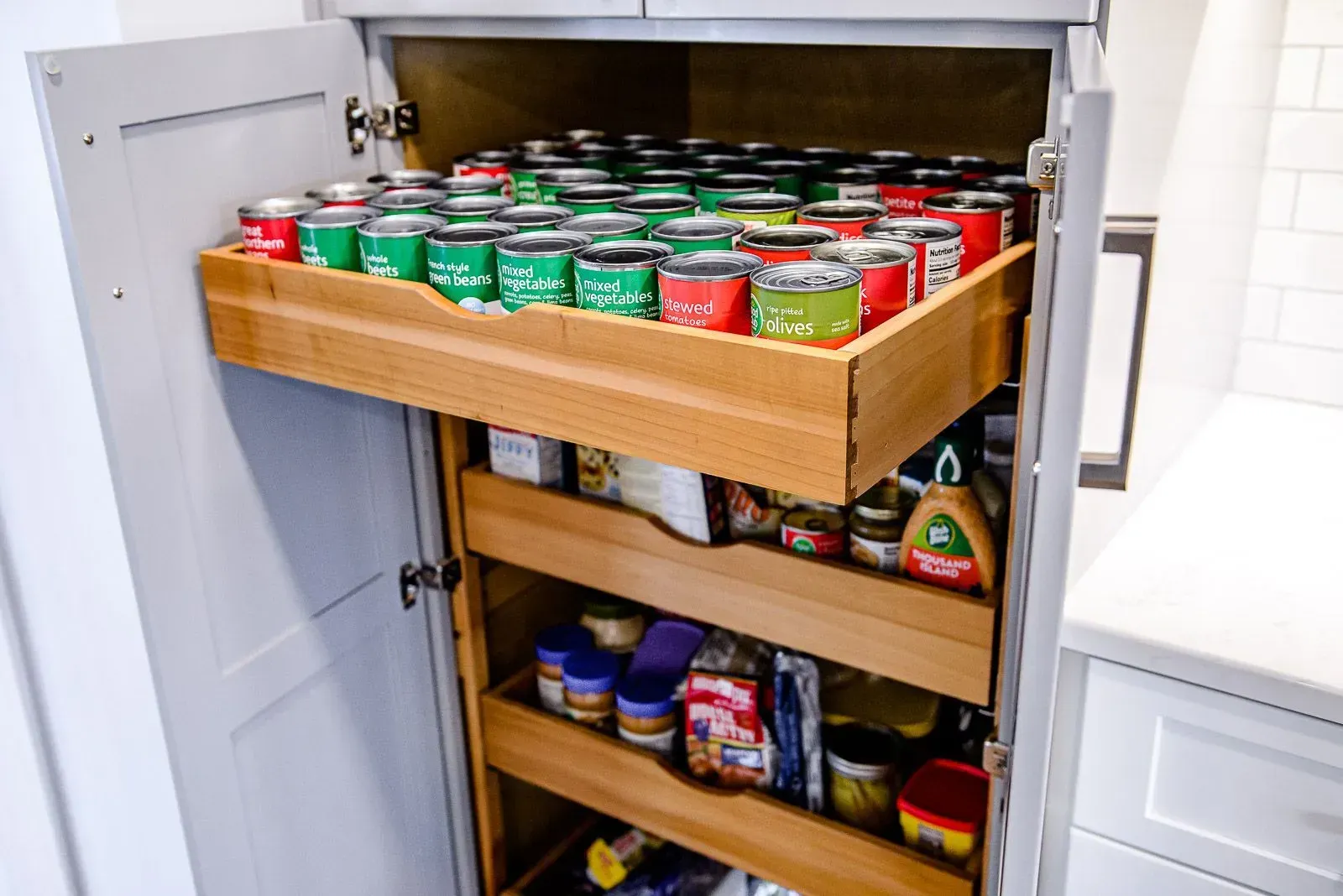
  • Slide-Out Pantry: For smaller kitchens, a slide-out pantry can be a space-saving solution. It’s narrow but extends fully, allowing easy access to items.
  • Adjustable Shelving: Install adjustable shelves to accommodate items of different heights and make the most of vertical space.
A kitchen pantry with a pull out tray filled with canned food.

Upgrade Countertops and Islands

Countertops and islands are essential for meal prep and can significantly affect kitchen organization.


Ideas:

  • Extended Countertops: If you often find yourself short on prep space, consider extending your countertops. More surface area means more room to work and less clutter.
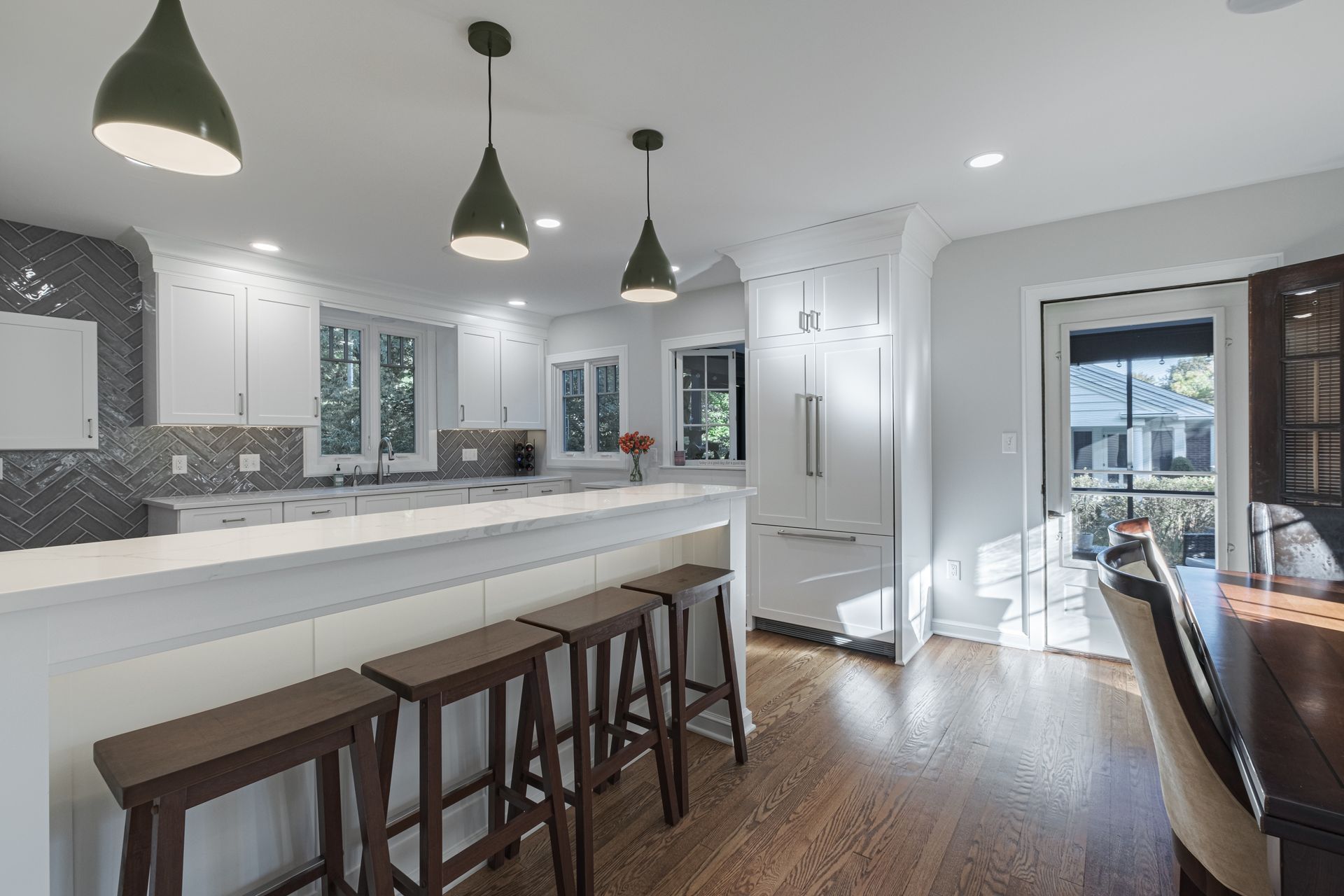
  • Multi-Functional Island: An island can serve multiple purposes – prep station, storage, and dining area. Add drawers and cabinets to your island to enhance storage.
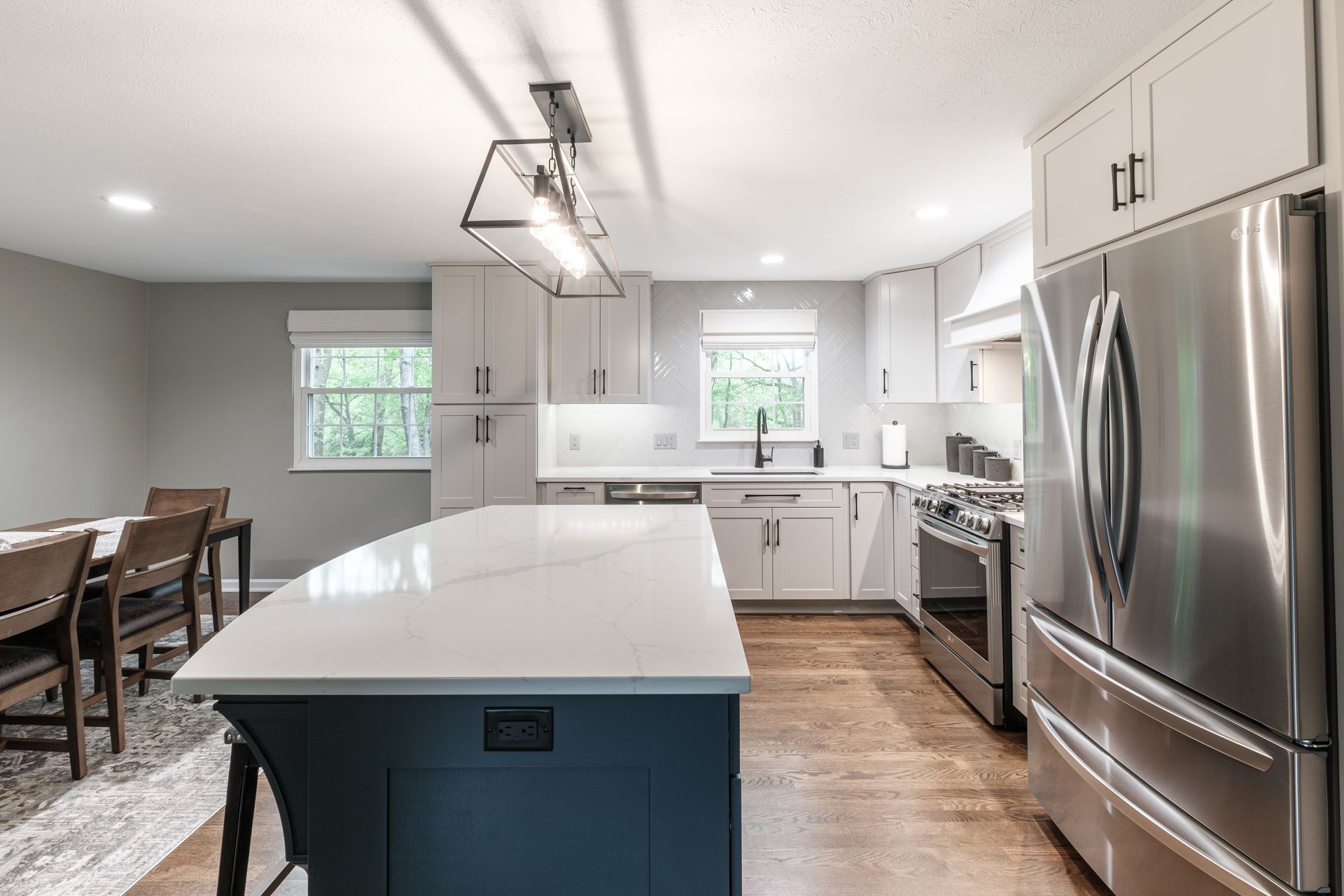
A kitchen with stainless steel appliances and a large island.

Optimize Vertical Storage

Vertical storage solutions can greatly enhance your kitchen’s organization, especially in smaller spaces.


Solutions:

  • Wall-Mounted Shelves: Install shelves on empty walls to store cookbooks, decorative items, or frequently used kitchen tools.
  • Pegboards: A pegboard can be a versatile and stylish way to store pots, pans, and utensils. Customize the arrangement to suit your needs.

Hanging Racks: Use hanging racks for pots, pans, and mugs. This not only saves cabinet space but also keeps essentials within easy reach.

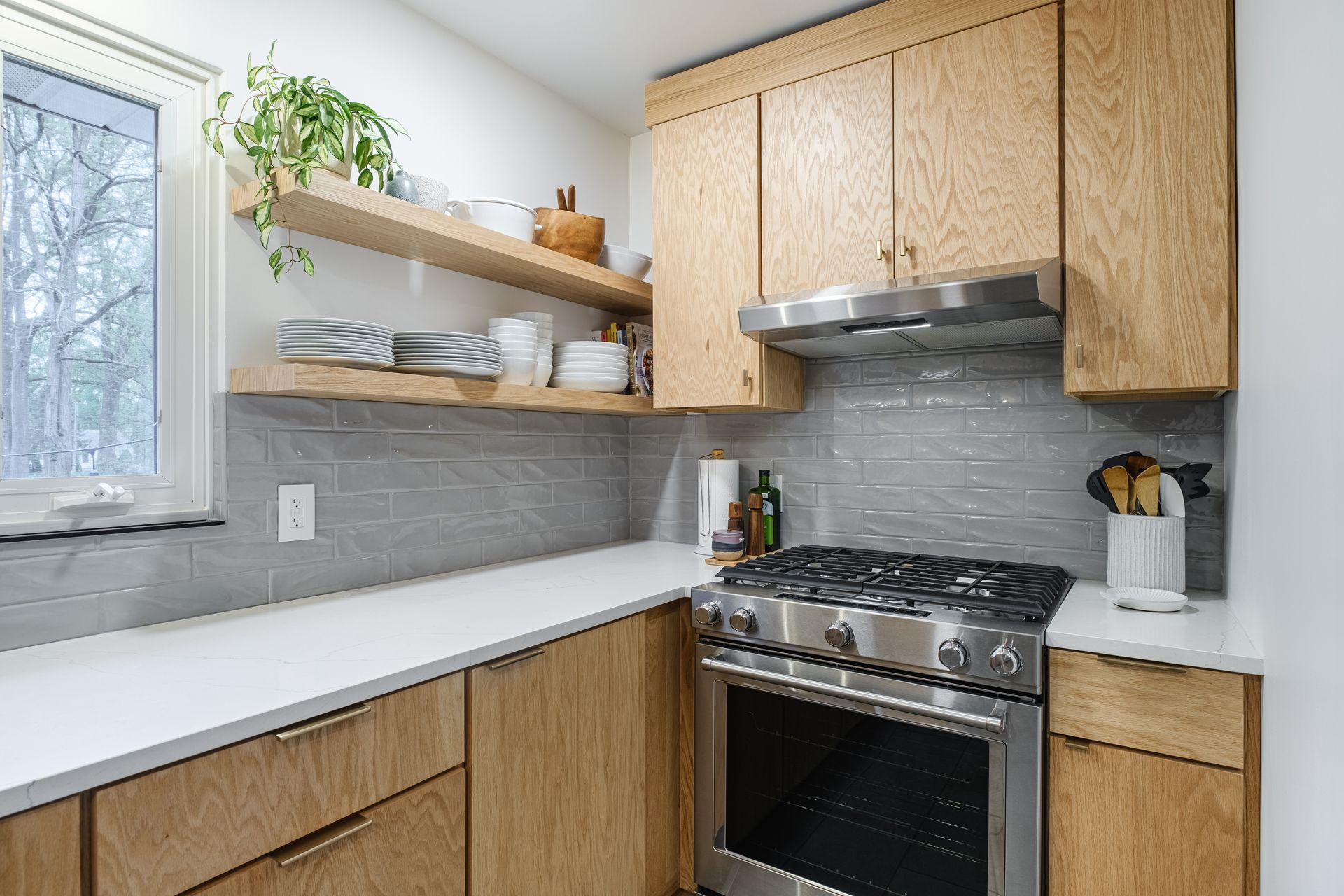
A kitchen with wooden cabinets and stainless steel appliances.

Efficient Appliance Placement

The placement of your appliances can impact the flow and organization of your kitchen.


Recommendations:

  • Work Triangle: Follow the work triangle principle – position your sink, stove, and refrigerator in a triangular layout to enhance efficiency.
  • Built-In Appliances: Built-in appliances can save space and give your kitchen a sleek, cohesive look. Consider built-in ovens, microwaves, and dishwashers.
  • Under-Counter Appliances: Utilize under-counter space for appliances like a wine cooler or microwave drawer, keeping your countertops free.
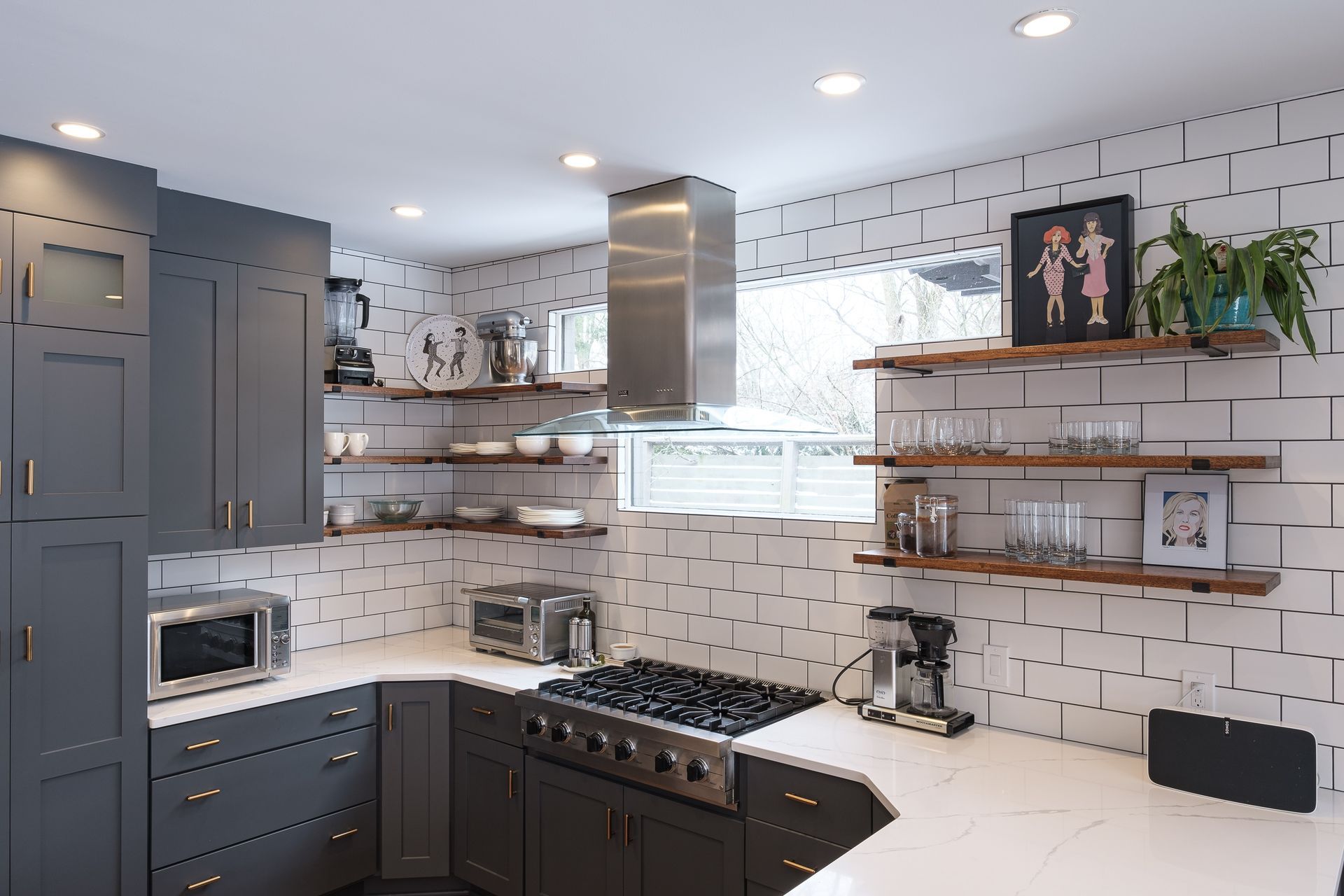
A kitchen with gray cabinets and white counter tops

Incorporate Smart Storage Solutions

Innovative storage solutions can make a significant difference in how organized your kitchen feels.


Innovations:

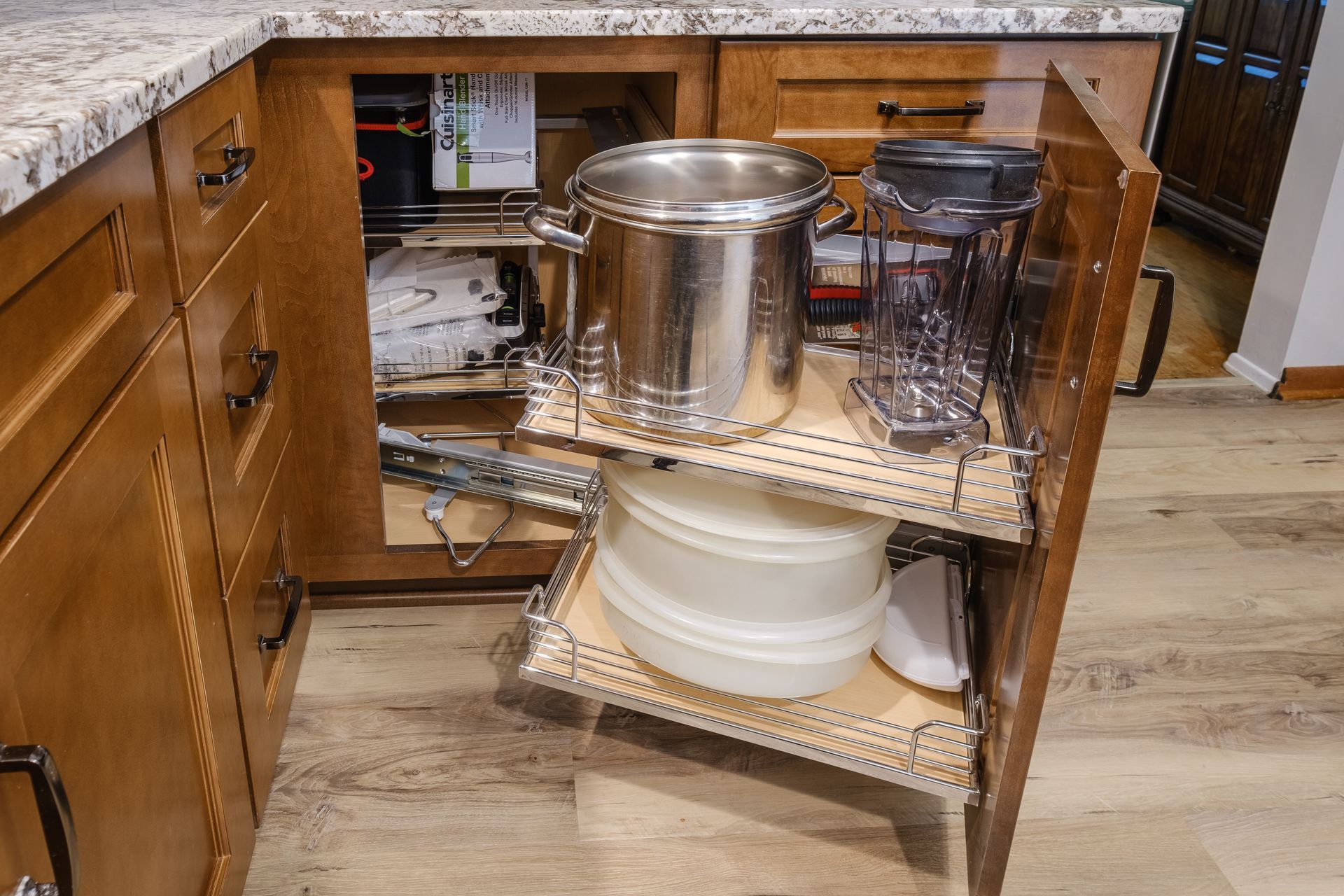
  • Corner Cabinets: Install lazy Susans or pull-out trays in corner cabinets to utilize space that often goes to waste.
  • Toe-Kick Drawers: Make use of the space under your cabinets with toe-kick drawers. They’re perfect for storing flat items like baking sheets and cutting boards.
  • Appliance Garages: An appliance garage can hide away small appliances like toasters and blenders, keeping your countertops tidy.
A kitchen cabinet with a corner shelf filled with pots and pans.

Focus on Lighting

Good lighting is essential for an organized kitchen. It ensures you can see what you’re doing and makes the space feel larger and more welcoming.


Tips:

  • Task Lighting: Install task lighting under cabinets to illuminate countertops and make food prep easier.
  • Ambient Lighting: Use ambient lighting to create a warm and inviting atmosphere. Consider pendant lights over the island or dining area.
  • Accent Lighting: Highlight specific areas or features with accent lighting, such as inside glass cabinets or under shelves.
A kitchen with a long island , stools , a table and a refrigerator.

In Conclusion:

Remodeling your kitchen with a focus on organization can transform it into a functional, efficient, and enjoyable space. By planning carefully, choosing the right storage solutions, and optimizing the layout and lighting, you can create a kitchen that not only looks great but also works seamlessly for your needs. Happy remodeling!

With creativity and resourcefulness, combined with your unique preferences, your remodeling project can become a stunning focal point in your home, whether it's a kitchen, basement, bathroom or something else. Contact Anthony Slabaugh Remodeling & Design today. Together we can create the space that you've only imagined!

A kitchen with white cabinets and a pull out drawer.

Joan Cannon

Administrative Director

Woman with glasses smiles; black and white photo.

Anthony Slabaugh

R E M O D E L I N G & D E S I G N 

Craftsmen with Integrity

Recent Posts


In-Law Suite Addition Timeline: What to Expect From Start to Finish
By Anthony Slabaugh January 29, 2026
Learn the typical in-law suite addition timeline, from planning and design through construction, and what factors influence each phase.
How Much Does an In-Law Suite Addition Cost?
By Anthony Slabaugh January 29, 2026
Learn what affects in-law suite addition cost, from layout and structure to accessibility and planning, with guidance from Anthony Slabaugh Remodeling & Design.
Is an In-Law Suite Addition Right for Your Home?
By Anthony Slabaugh January 29, 2026
Learn key planning factors to decide if an in-law suite addition is right for your home, including layout, privacy, and long-term living considerations.
Attached vs Detached In-Law Suite Additions
By Anthony Slabaugh January 29, 2026
Compare attached and detached in-law suite additions and learn which option best fits your home, lifestyle, and long-term living goals.
In-Law Suite Floor Plan Ideas That Balance Privacy and Comfort
By Anthony Slabaugh January 29, 2026
Explore in-law suite floor plan ideas that balance privacy, comfort, and long-term living with thoughtful layout planning from Anthony Slabaugh Remodeling & Design.
How to Plan a Whole-House Remodel Step by Step
By Anthony Slabaugh January 21, 2026
Learn how to plan a whole-house remodel step by step, from defining goals to coordinating design and construction through a design-build process.
The Benefits of Hiring a Design-Build Firm
By Anthony Slabaugh January 21, 2026
Discover the benefits of hiring a design-build firm and how a one-team remodeling approach creates clarity, efficiency, and better results.
Move vs Improve: A Financial Analysis for Homeowners
By Anthony Slabaugh January 21, 2026
Compare moving vs improving your home and learn how remodeling, equity, and long-term planning factor into smarter homeowner decisions.
5 Questions to Ask Before Hiring a Design-Build Remodeler
By Anthony Slabaugh January 21, 2026
Learn the five most important questions to ask before hiring a design-build remodeler and how the answers reveal experience, planning, and trust.
Planning a Home Addition: 5 Tips for a Seamless Expansion
By Anthony Slabaugh January 21, 2026
Learn five essential tips for planning a home addition, including layout coordination, design-build planning, and long-term home integration.

In-Law Suite Addition Timeline: What to Expect From Start to Finish
By Anthony Slabaugh January 29, 2026
Learn the typical in-law suite addition timeline, from planning and design through construction, and what factors influence each phase.
How Much Does an In-Law Suite Addition Cost?
By Anthony Slabaugh January 29, 2026
Learn what affects in-law suite addition cost, from layout and structure to accessibility and planning, with guidance from Anthony Slabaugh Remodeling & Design.
Is an In-Law Suite Addition Right for Your Home?
By Anthony Slabaugh January 29, 2026
Learn key planning factors to decide if an in-law suite addition is right for your home, including layout, privacy, and long-term living considerations.
Attached vs Detached In-Law Suite Additions
By Anthony Slabaugh January 29, 2026
Compare attached and detached in-law suite additions and learn which option best fits your home, lifestyle, and long-term living goals.
In-Law Suite Floor Plan Ideas That Balance Privacy and Comfort
By Anthony Slabaugh January 29, 2026
Explore in-law suite floor plan ideas that balance privacy, comfort, and long-term living with thoughtful layout planning from Anthony Slabaugh Remodeling & Design.
How to Plan a Whole-House Remodel Step by Step
By Anthony Slabaugh January 21, 2026
Learn how to plan a whole-house remodel step by step, from defining goals to coordinating design and construction through a design-build process.
More Posts