
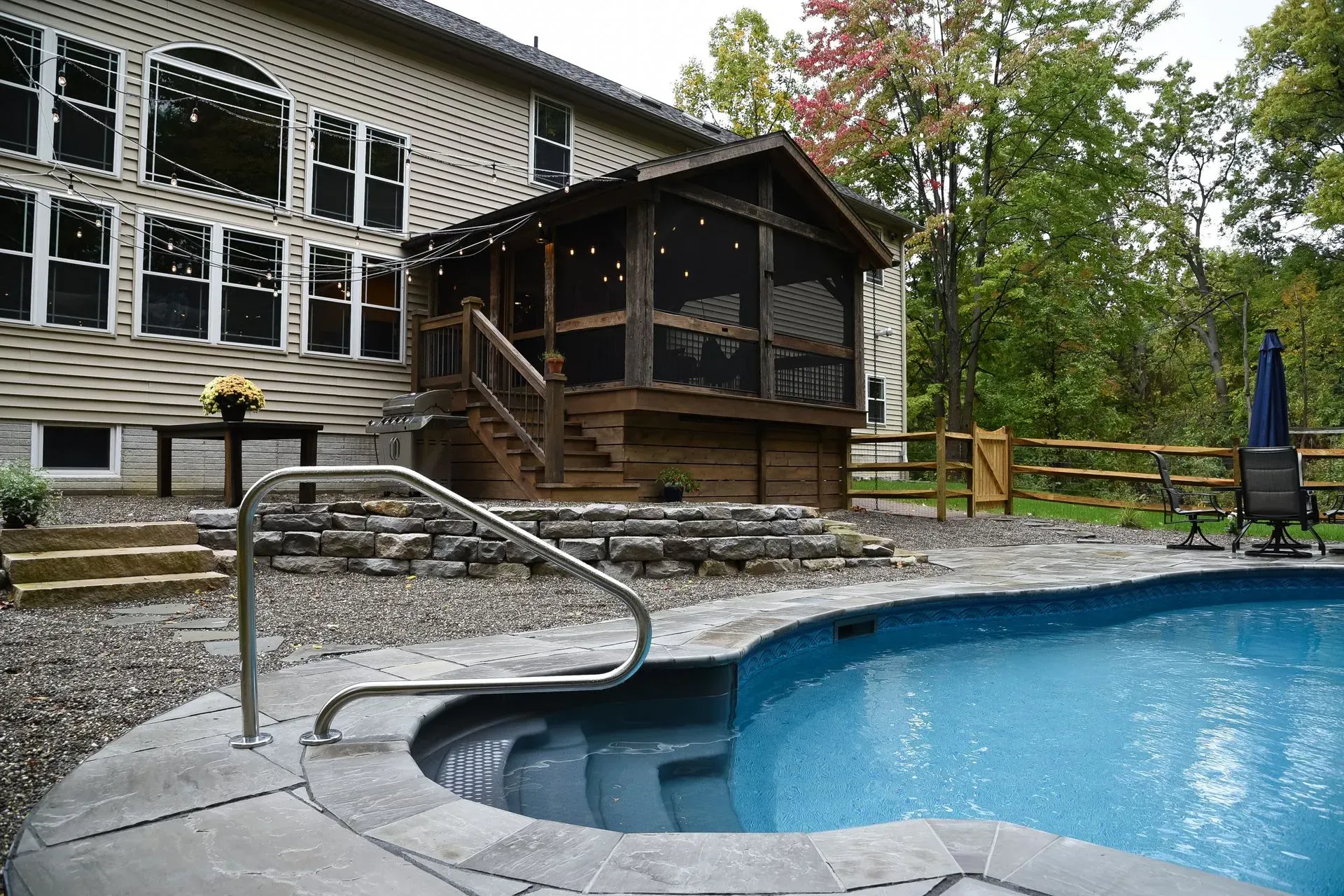
A home can be beautifully finished yet feel unsettled. Another may be understated yet feel calm, balanced, and complete.
The difference is rarely material. It is proportion.
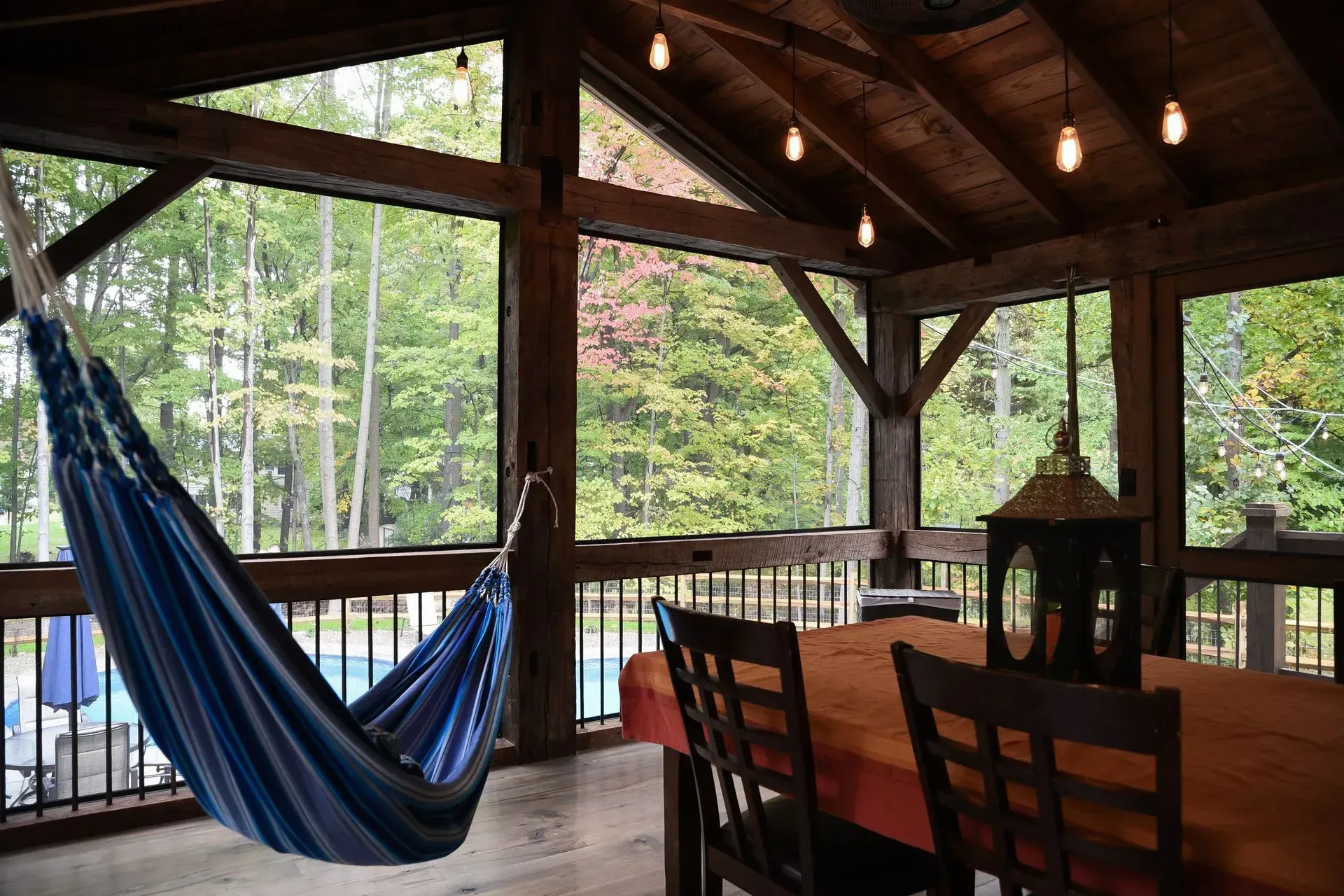
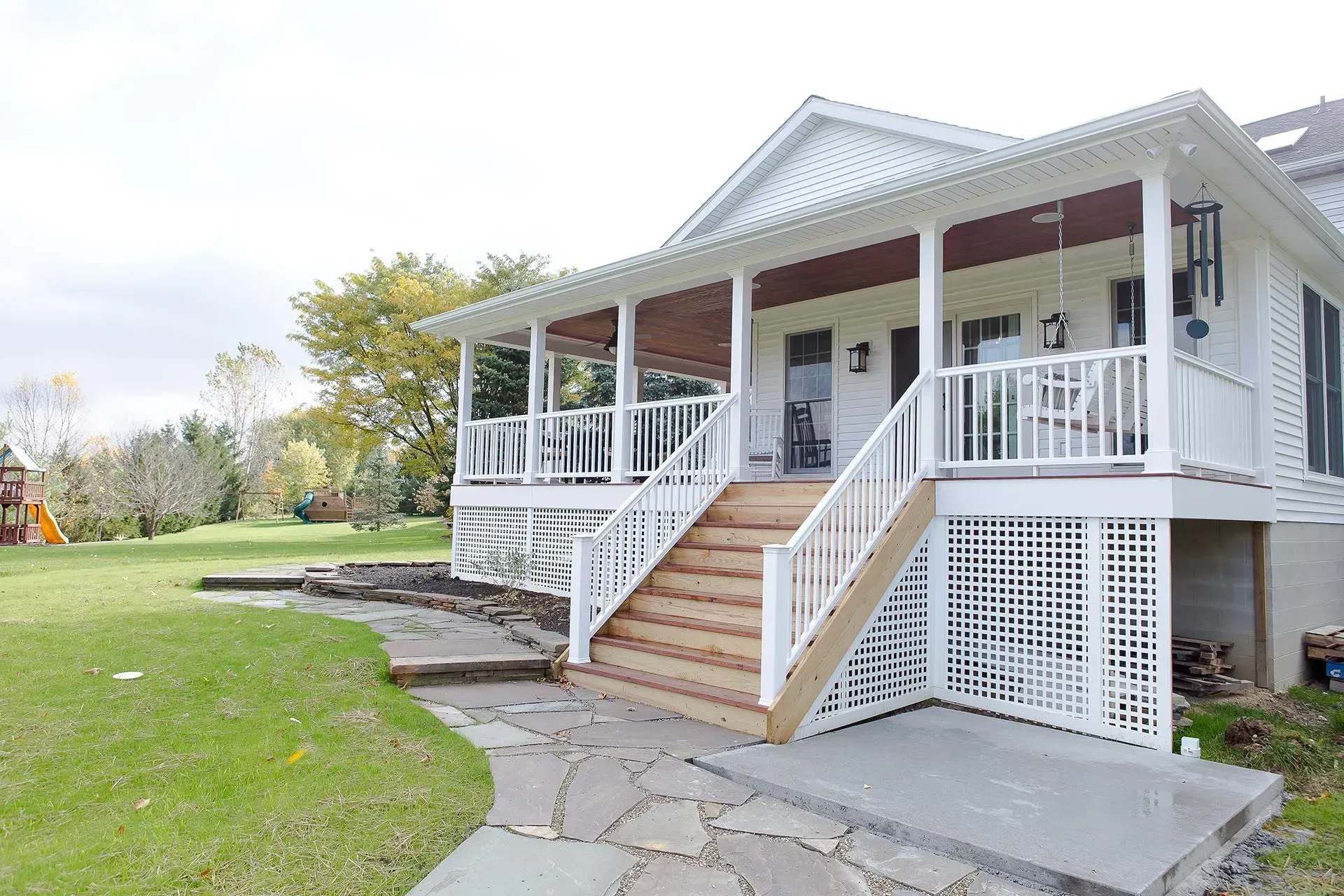
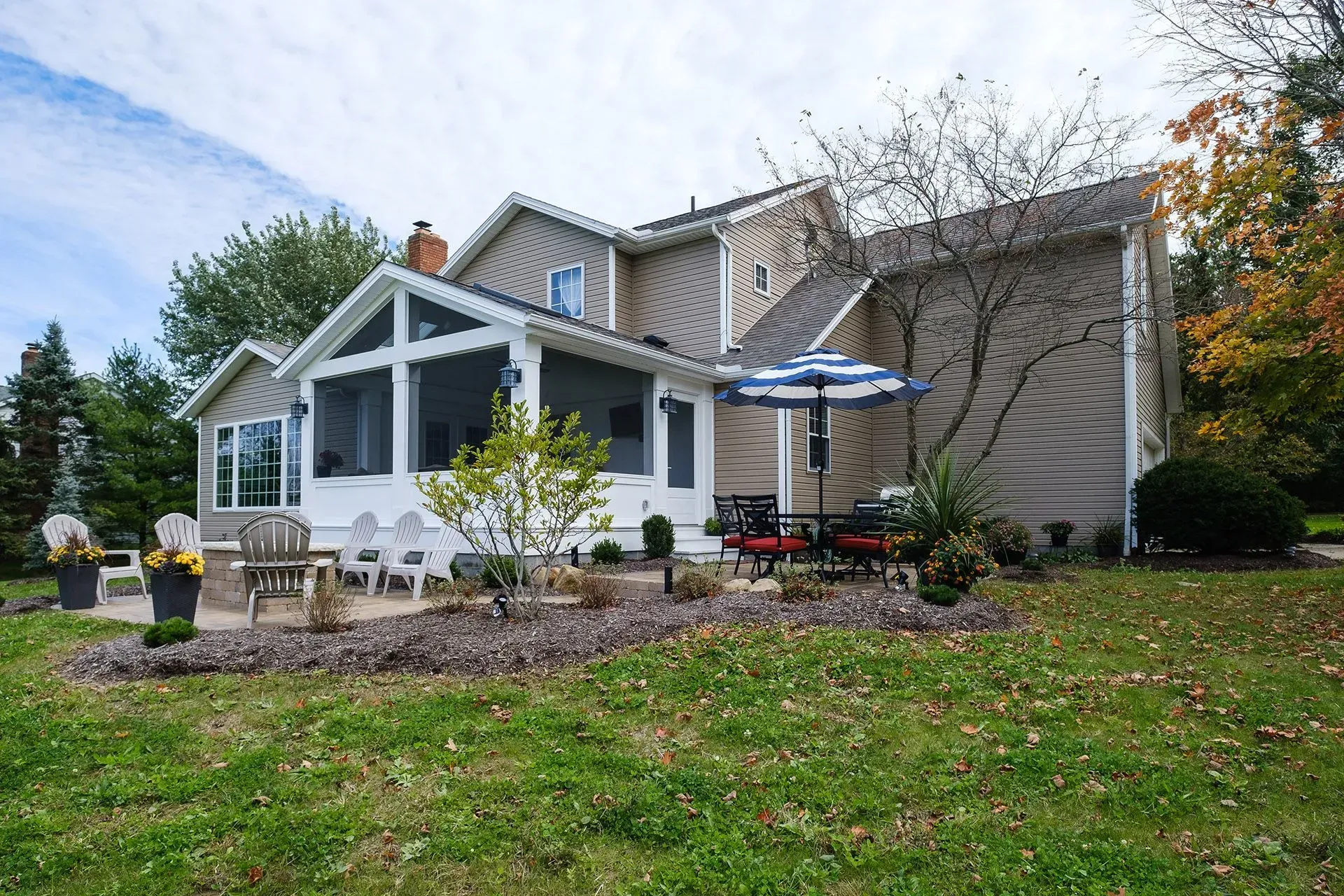
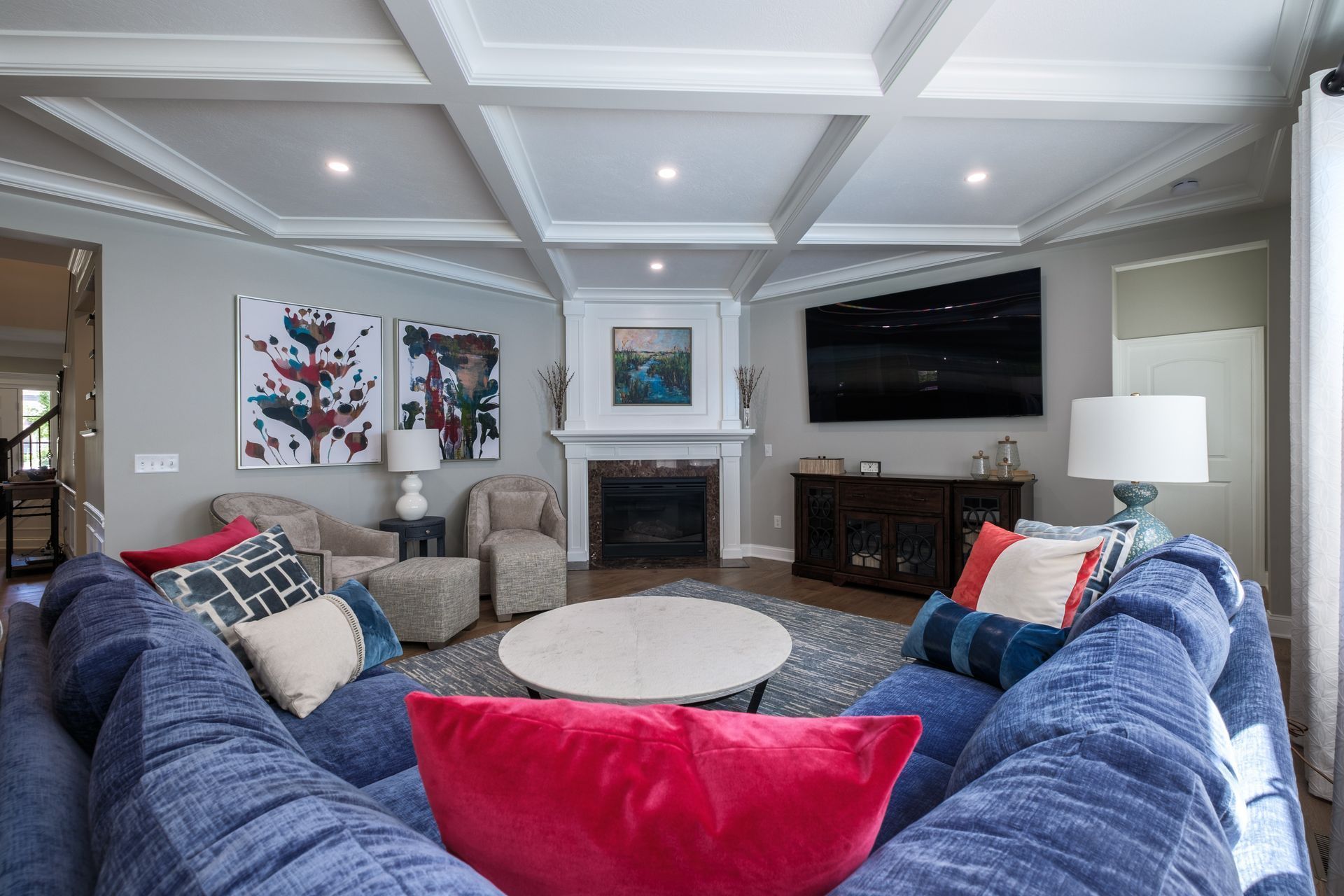
Architectural design shapes how a home feels long before furnishings or finishes are introduced. Proportion and balance govern spatial experience, influencing how light moves, how rooms relate, and how transitions unfold.
In Hudson, Akron & surrounding areas, homeowners pursuing meaningful renovation increasingly prioritize residential architectural proportion as a defining element of refined design.
Architecture determines atmosphere.
What Proportion Really Means in Residential Design
Proportion refers to the relationship between dimensions within a space and between adjoining spaces.
It includes the balance between ceiling height and room width, opening scale and wall surface, window placement and vertical rhythm.
These relationships affect how spacious or confined a room feels, how movement flows through the home, and how natural light is perceived.
When proportion is resolved, rooms feel intentional.
When it is overlooked, subtle imbalance emerges.
Balance Is Not Symmetry
Balance in architectural design does not require perfect symmetry. It requires visual equilibrium.
Balance may be achieved through:
- Consistent ceiling relationships
- Controlled opening scale
- Harmonized window rhythm
- Coordinated transitions between spaces
Spatial harmony results when no single element overwhelms another.
Architectural design studies these relationships before construction begins.
How Proportion Influences Daily Experience
Proportion shapes:
- How open a gathering space feels
- Whether a kitchen feels integrated or isolated
- How natural light distributes across walls
- Whether transitions feel compressed or expansive
- How connected rooms relate visually
In established communities such as Bath and Chagrin Falls, many homes possess strong architectural character. Renovation planning must respect existing proportions while adapting layouts for modern living.
When proportion is recalibrated carefully, the home retains its presence while improving functionality.
Elements That Shape Residential Architectural Proportion
| Design Element | Proportional Influence | Experience Impact |
|---|---|---|
| Ceiling height | Defines perceived volume | Determines openness |
| Opening dimensions | Establish spatial hierarchy | Controls visual flow |
| Window alignment | Creates rhythm | Influences light balance |
| Room width-to-length ratio | Governs balance | Affects comfort |
| Transition scale | Connects spaces | Maintains continuity |
Each element interacts with the others. Proportion is not isolated to one feature.
Proportion as a Planning Discipline
Residential architectural proportion cannot be corrected after framing is complete. It must be evaluated during early design development.
Within a coordinated design-build framework, spatial relationships are studied alongside structural feasibility and circulation goals. Adjustments to ceiling alignment, opening placement, and room dimensions are resolved before final drawings are produced.
Anthony Slabaugh Remodeling & Design approaches residential architectural design with proportion as a guiding principle rather than a finishing touch.
For a broader overview of our design process, visit our
Residential Architectural Design
page.
The Long-Term Value of Proportion
Homes designed with proportional discipline tend to age well.
They adapt more easily to future modifications. They maintain visual cohesion even as furnishings change. They feel composed rather than assembled.
Architectural proportion protects both experience and investment.
Frequently Asked Questions
What is residential architectural proportion?
It is the balanced relationship between spatial dimensions such as ceiling height, room width, opening scale, and window placement.
Can poor proportion be corrected during renovation?
In some cases, yes. Layout recalibration and opening adjustments can restore balance when addressed early in the design phase.
Does proportion affect natural light?
Yes. Window scale and placement relative to wall surface influence how light distributes within a room.
Is proportion more important than finishes?
Finishes enhance appearance, but proportion shapes experience. Both matter, but proportion defines structure.
When should proportion be evaluated in a project?
At the earliest stage of architectural planning, before structural and construction decisions are finalized.
Designing for Balance From the Beginning
Architectural design shapes more than appearance. It shapes perception.
Residential architectural proportion creates harmony, clarity, and spatial calm that cannot be replicated through decoration alone.
Anthony Slabaugh Remodeling & Design works with homeowners in Hudson, Akron & surrounding areas to develop architectural plans grounded in balance and refined spatial relationships.
If you are planning a renovation and want your home to feel composed as well as beautiful, begin with a design conversation centered on proportion and architectural clarity.