
Luxury in residential design is often associated with materials and scale. Yet one of the defining characteristics of a refined home is not what is seen, but how it moves.
Circulation pathways determine how a home flows. They shape daily experience, influence comfort, and affect how spaces relate to one another.
In Hudson, Akron & surrounding areas, homeowners investing in significant renovations increasingly recognize that home circulation design is foundational to architectural success.
Movement is part of architecture.
What Circulation Means in Residential Design
Circulation refers to the pathways that connect rooms and define how people move through a home.
These pathways may include:
- Primary routes between major gathering areas
- Secondary paths connecting private rooms
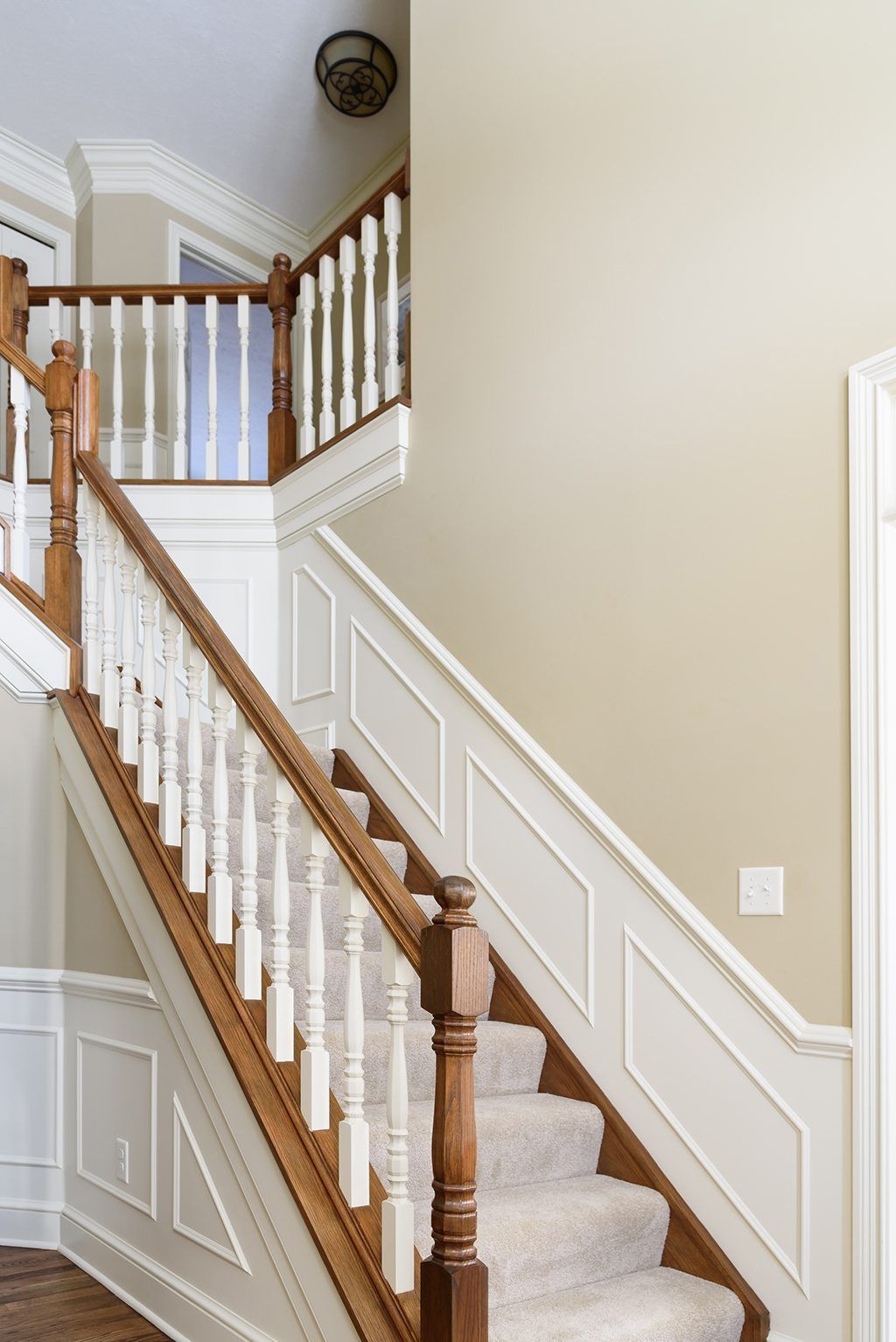
- Transitional spaces such as stairways and corridors
- Visual corridors that align sightlines
Effective circulation design balances efficiency with hierarchy. It ensures that movement feels natural rather than forced.
Why Circulation Defines Experience
Poor circulation can make even large homes feel constrained. Rooms may be spacious, yet movement between them may feel interrupted.
Common symptoms of ineffective circulation include:
- Bottlenecks at key intersections
- Furniture crowding primary pathways
- Narrow transitions between expanded rooms
- Indirect routes that complicate daily routines
Luxury home design resolves these conditions by studying movement patterns before construction begins.
Circulation should feel intuitive.
The Relationship Between Circulation and Layout
Layout and circulation are inseparable.
Removing a wall may open a space visually but create awkward movement if pathways are not recalibrated. Expanding a kitchen may improve scale but disrupt access to adjacent rooms.
Home circulation design evaluates:
- How rooms connect sequentially
- Where primary movement occurs
- Whether sightlines align with pathways
- How structural elements influence flow
In established communities such as Bath and Chagrin Falls, many homes were designed with compartmentalized layouts. Renovation planning often focuses on refining circulation while preserving architectural identity.
Structural Awareness in Architectural Remodeling
Luxury residential design typically incorporates layered circulation:
| Pathway Type | Purpose | Design Consideration |
|---|---|---|
| Primary Circulation | Connects major living spaces | Clear width and intuitive alignment |
| Secondary Circulation | Serves private rooms | Discreet and efficient routing |
| Vertical Circulation | Connects levels | Stair proportion and placement |
| Visual Circulation | Aligns sightlines | Balanced spatial sequencing |
| Service Circulation | Supports utility spaces | Minimizes disruption to main flow |
Each pathway must be intentional.
Circulation is not leftover space. It is structured movement.
Circulation and Architectural Hierarchy
In refined residential design, circulation reinforces hierarchy.
Gathering spaces should feel open and accessible. Private rooms should feel sheltered. Transitional zones should create subtle shifts in experience.
When circulation is carefully planned, the home unfolds logically. Movement enhances rather than competes with architecture.
Anthony Slabaugh Remodeling & Design approaches home circulation design as a foundational element of residential architectural planning.
For a broader overview of how we shape spatial relationships, visit our Residential Architectural Design page.
Circulation Within a Design-Build Framework
Circulation is influenced by structural conditions, ceiling alignment, and framing spans. Structural elements may define where openings can occur and how wide pathways can be.
Within a coordinated design-build process, movement patterns are evaluated alongside structural feasibility. This ensures that circulation improvements align with load paths and architectural proportion.
Design intent and construction reality remain aligned from the beginning.
Long-Term Benefits of Intentional Circulation
Homes with well-planned circulation tend to feel:
- More spacious
- More intuitive
- Less cluttered
- Better organized
- More adaptable over time
Movement affects comfort as much as materials.
When pathways are clear, the home feels composed.
Frequently Asked Questions
What is home circulation design?
Home circulation design focuses on how people move through a home, including pathways between rooms, vertical connections, and visual alignment.
Why is circulation important in luxury home design?
Refined homes prioritize intuitive movement. Poor circulation can disrupt comfort regardless of size or finish quality.
Can circulation be improved in older homes?
Yes. Layout reconfiguration and structural adjustments can recalibrate movement patterns while preserving architectural integrity.
Does removing walls always improve circulation?
Not necessarily. Opening space without studying movement can create new bottlenecks.
When should circulation planning occur?
At the earliest stage of architectural design, before structural and construction decisions are finalized.
Designing Movement With Intention
Circulation is one of the most overlooked elements in residential design, yet it shapes daily experience more than most visible features.
Anthony Slabaugh Remodeling & Design works with homeowners in Hudson, Akron & surrounding areas to develop architectural plans that prioritize movement, hierarchy, and spatial clarity.