
How Siding Color and Profile Change the Character of a Home
Conflicting plans are not inevitable in remodeling. They result from fragmented structure.
Anthony Slabaugh Remodeling & Design provides design-build home renovation services for homeowners in Hudson, Akron & surrounding areas who value architectural alignment and disciplined execution.
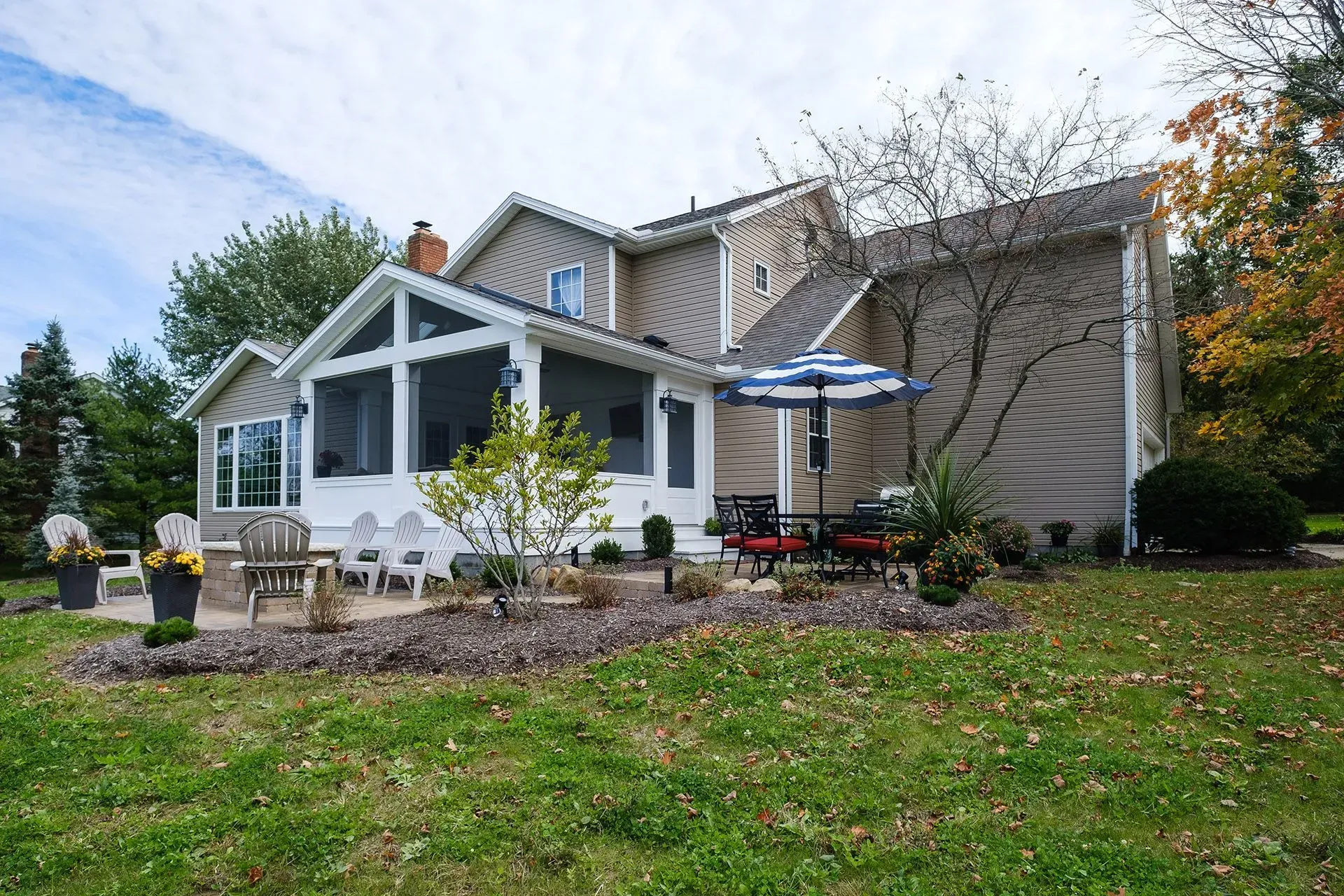
Siding color and profile can change the way a home feels from the street. The same house can look more traditional, more refined, more transitional, or more updated depending on the siding color, exposure, texture, trim contrast, and overall exterior palette.
Siding replacement is not only a maintenance decision. It is also a design decision that affects curb appeal, proportion, architecture, and long-term visual character. When siding color ideas are planned carefully, the home can feel refreshed without looking disconnected from its original style.
At
Anthony Slabaugh Remodeling & Design, we help homeowners in Hudson, Akron and surrounding areas plan siding replacement with color, profile, trim, materials, and architectural fit considered together.
Start With the Home’s Architecture
Before choosing exterior siding colors, look closely at the home’s architecture. Rooflines, window proportions, porch details, trim scale, stone, brick, and landscaping all affect which colors and profiles will feel natural.
For homeowners throughout Bath, Fairlawn, and Chagrin Falls, this architecture-first approach helps avoid siding choices that feel trendy but out of place. A color may look appealing in a small sample, but the full exterior tells a different story.
The goal is to choose siding that supports the home’s character, not overpower it.
Understand How Profile Changes Style
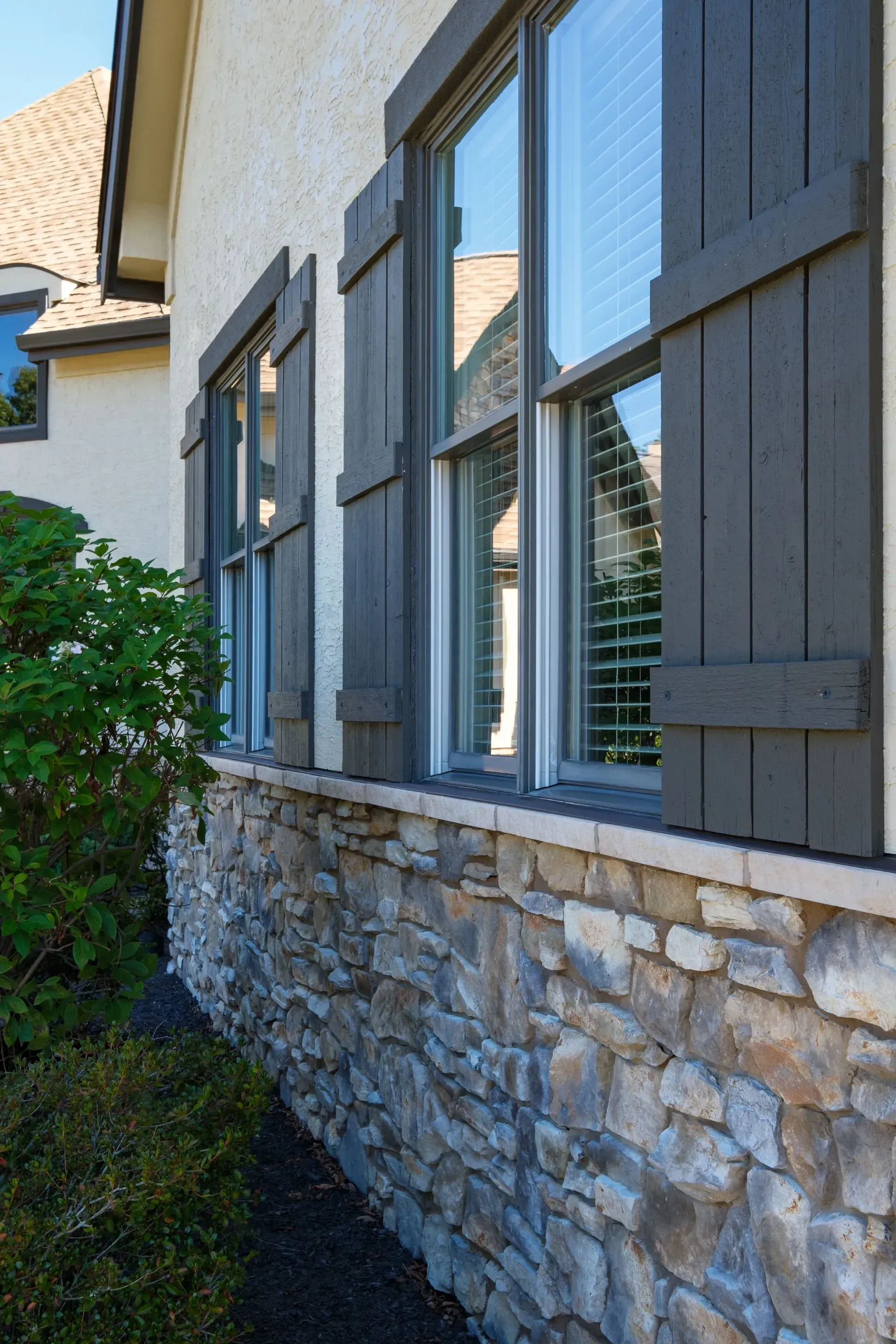
Siding profile affects shadow, rhythm, and scale. A narrower exposure can create a more detailed, traditional feel. A wider exposure may feel cleaner and more updated. Vertical siding can add height or emphasize certain areas when used carefully.
Texture also matters. A subtle texture can add depth, while a smoother profile can create a cleaner appearance. The right siding profile depends on the home’s size, style, trim depth, and surrounding materials.
At Anthony Slabaugh Remodeling & Design, siding profile is reviewed with the full exterior so the final result feels balanced.
Color Can Shift the Entire Mood
Siding color has a major effect on exterior character. Softer neutrals can create a calm, classic feel. Deeper tones can add weight and sophistication. Warmer colors may make the home feel more welcoming, while cooler tones can create a cleaner, more modern look.
The best siding color ideas are not selected in isolation. Roof color, trim, windows, stone, brick, doors, lighting, and landscape tones should all be considered.
Exterior color planning should feel cohesive from the curb and up close.
Trim Contrast Changes the Final Look
Siding and trim colors work together. A stronger contrast can highlight windows, doors, rooflines, and architectural details. A softer contrast can make the exterior feel more understated and refined.
Too much contrast can make a home feel busy. Too little contrast can make details disappear. The right balance depends on the home’s proportions and the features worth emphasizing.
Trim color should support the siding profile and architectural style.
Siding Color and Profile Planning Guide
| Design Choice | How It Affects the Home |
|---|---|
| Light siding color | Can make the exterior feel classic, open, and calm |
| Dark siding color | Can add depth, contrast, and visual weight |
| Wider siding profile | Creates a cleaner, more updated appearance |
| Narrower siding profile | Adds detail and a more traditional rhythm |
| Vertical siding accent | Can emphasize height or architectural features |
| Trim contrast | Defines windows, doors, corners, and rooflines |
This table is useful because siding curb appeal depends on color and profile working together.
Use Accent Siding With Restraint
Accent siding can add visual interest, but it should be used with purpose. Vertical siding, gable accents, board-and-batten details, or a secondary color can help define architectural areas.
However, too many siding profiles or colors can make the exterior feel busy. Accent siding works best when it highlights a natural feature, such as a gable, entry, porch, or upper facade.
A refined exterior depends on restraint, not constant contrast.
Consider How Light Affects Color
Exterior siding colors change throughout the day. Morning light, afternoon sun, shade, roof overhangs, and surrounding trees can all affect how color appears.
A color that looks subtle in shade may feel stronger in direct sun. A darker color may add richness, but it can also make trim and architectural lines more noticeable. Samples should be viewed in context before final decisions are made.
Color planning should account for real conditions, not just showroom samples.
Connect Siding to the Full Exterior
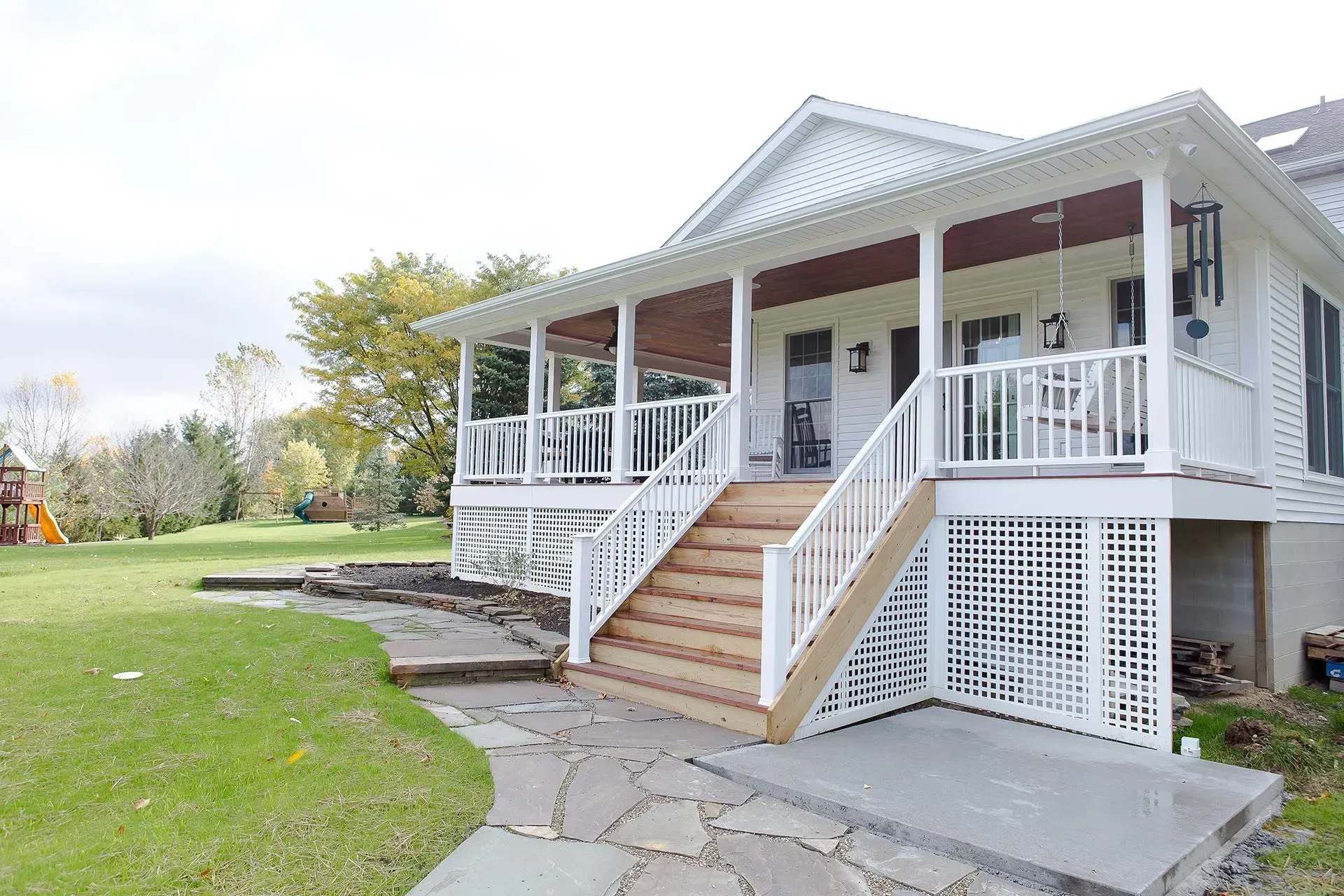
Siding color and profile should relate to the rest of the home. Front door color, exterior lighting, gutters, stone, brick, porch materials, steps, and landscaping all shape the finished look.
A siding replacement can make older exterior details stand out more. This is why color, trim, doors, lighting, and transitions should be reviewed together before installation begins.
A design-build approach helps homeowners avoid a result that feels updated in one area but unfinished in another.
Visit Our Design Studio in Stow, Ohio
Our Stow, Ohio design studio gives homeowners a place to compare siding colors, profiles, textures, trim ideas, door styles, exterior finishes, and lighting together. Seeing these selections in context helps clarify how siding can change the character of the home.
Client Feedback on Our Remodeling Process
Homeowners often share that early planning helps them feel more confident about exterior color and material decisions. By reviewing siding color, profile, trim contrast, texture, architectural fit, and full exterior coordination together,
Anthony Slabaugh Remodeling & Design helps clients make decisions with clarity instead of pressure.
Frequently Asked Questions
How does siding color affect curb appeal?
Siding color affects how the home feels from the street. Lighter colors can feel classic and calm, while deeper colors can add depth and contrast. The best color depends on the home’s architecture, roof, trim, stone, brick, and surroundings.
What siding profile is best for my home?
The best siding profile depends on your home’s scale, style, trim depth, and exterior details. Wider profiles can feel cleaner and more updated, while narrower profiles often create a more traditional rhythm.
Should siding and trim colors contrast?
Siding and trim can contrast, but the amount of contrast should fit the home. Strong contrast highlights architectural details, while softer contrast creates a quieter look. The goal is balance, not visual competition.
Can siding make a home look more modern?
Yes, siding can make a home feel more modern when profile, color, trim, and material transitions are planned carefully. Cleaner lines, restrained colors, and thoughtful contrast can update the exterior without making it feel disconnected.
Start With Siding Choices That Fit the Home’s Character
A refined siding replacement should use color, profile, trim, and exterior coordination to strengthen the home’s architecture and curb appeal. Schedule a consultation with Anthony Slabaugh Remodeling & Design or call (330) 940-3237 to plan your siding replacement with confidence.