
Why Trim Coordination Matters During Siding Replacement

Anthony Slabaugh Remodeling & Design • June 29, 2026

Share this article

Conflicting plans are not inevitable in remodeling. They result from fragmented structure. 


Anthony Slabaugh Remodeling & Design provides design-build home renovation services for homeowners in Hudson, Akron & surrounding areas who value architectural alignment and disciplined execution. 


If you are planning a renovation and want drawings that translate directly into construction without conflict, begin with a unified design-build model designed to eliminate misalignment before it begins.

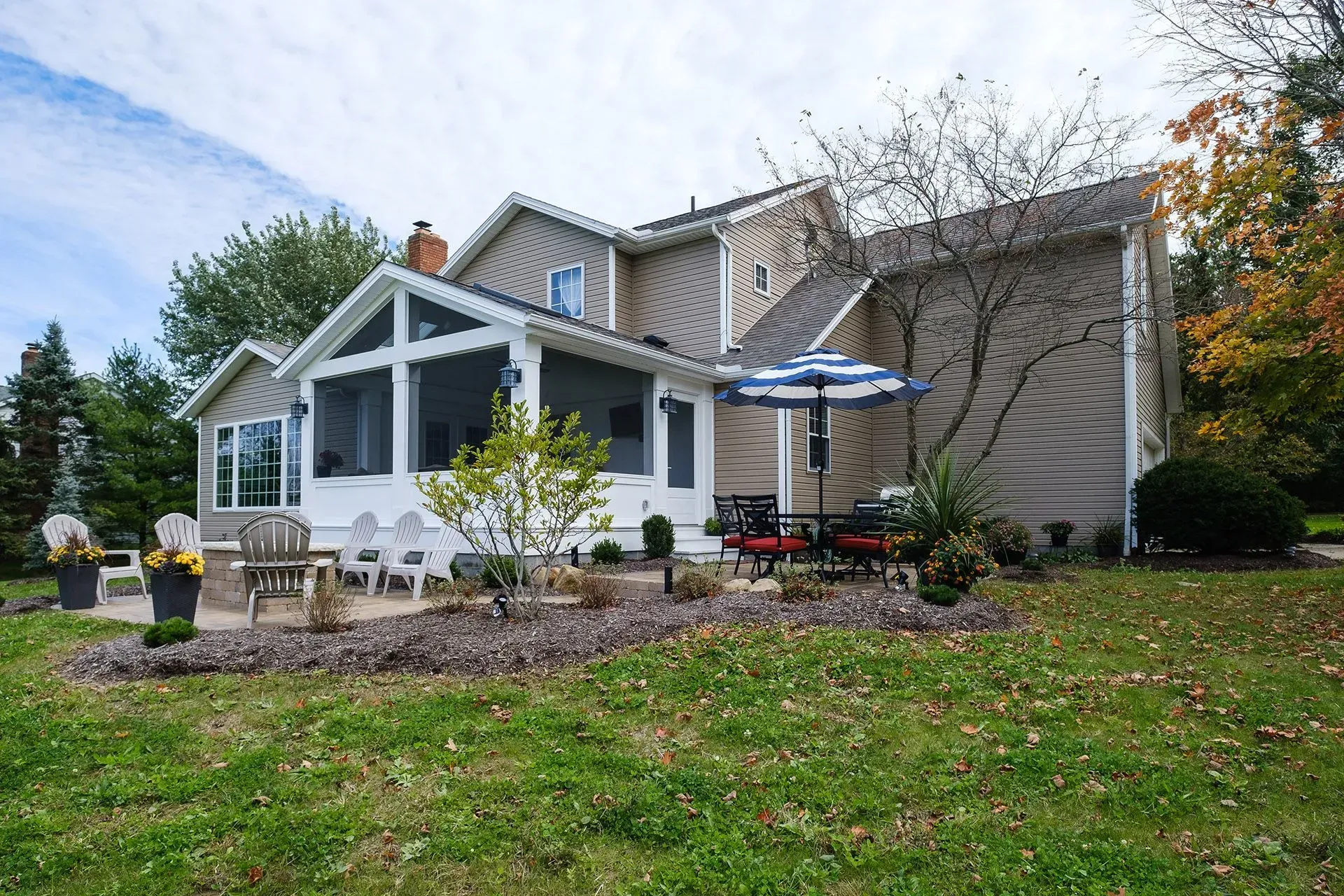
Siding replacement can dramatically improve a home’s exterior, but siding alone does not create a refined finished look. The details around windows, doors, corners, fascia, soffits, rooflines, and material transitions often determine whether the project feels cohesive or incomplete.


Siding trim details help frame the exterior. They define openings, create depth, manage transitions, and connect the siding to the home’s architecture. When trim is ignored during siding replacement, even high-quality siding can feel flat or disconnected.


At Anthony Slabaugh Remodeling & Design, we help homeowners in Hudson, Akron and surrounding areas plan siding replacement with trim coordination, material selection, proportion, color, and exterior continuity considered together.

Start With Window Trim 

Window trim siding details are some of the most visible parts of the exterior. Window casing affects how each opening relates to the siding around it. If the casing is too narrow, the window may look unfinished. If it is too heavy, it may overpower the facade.


For homeowners throughout Bath, Fairlawn, and Chagrin Falls, siding replacement is often the right time to evaluate whether existing window trim still fits the home’s updated exterior direction.


The goal is for windows to feel framed, balanced, and connected to the overall design.

Door Surrounds Need Proper Scale  

Door trim plays a major role in how welcoming the exterior feels. Front doors, side entries, garage service doors, and patio doors should not look like afterthoughts within the siding field.


Exterior trim siding coordination should consider casing width, header detail, sidelights, transoms, hardware, lighting, and nearby porch features. A front door may need more visual presence, while a secondary door may need cleaner, quieter trim.


At Anthony Slabaugh Remodeling & Design, trim scale is reviewed in relation to the full exterior, not just one opening.

Corners and Edges Shape the Facade  

Corner boards and exterior edges help define the shape of the home. When these details are too small, poorly aligned, or visually disconnected, the siding may look thin or unfinished.


Corners are especially important on larger facades, projecting sections, gables, and areas where siding changes direction. Clean corners help the home feel more architecturally resolved.


These details may seem subtle, but they affect the whole exterior.

Fascia, Soffits, and Roofline Details Matter  

Siding does not stop at the wall surface. Fascia, soffits, rake boards, and roofline trim all influence how the siding connects to the upper portion of the home.


If roofline trim is not coordinated, new siding can make older fascia or soffits feel more noticeable. The exterior may look refreshed in one area but dated in another.


A complete siding plan should consider how the walls, roofline, gutters, and trim relate visually.

Siding and Trim Coordination Guide  

Trim Area Why It Matters
Window trim Frames openings and adds depth to the siding field
Door surrounds Gives entries proper presence and proportion
Corner boards Defines the home�s edges and siding transitions
Fascia and soffits Connects siding to rooflines and gutters
Color contrast Shapes curb appeal and visual balance
Material transitions Prevents siding changes from feeling pieced together

This table is useful because siding replacement depends on trim details at every edge, opening, and transition point.

Plan Siding and Trim Colors Together  

Siding and trim colors should be selected as a coordinated palette. A strong contrast can highlight windows, doors, and architectural details. A softer contrast can create a calmer, more classic look.


The wrong contrast can make trim feel too harsh, too faint, or out of step with the home’s style. Roof color, brick, stone, door color, lighting finish, and landscaping should also be considered.


Color decisions work best when viewed together, not as separate samples.

Pay Attention to Material Transitions  

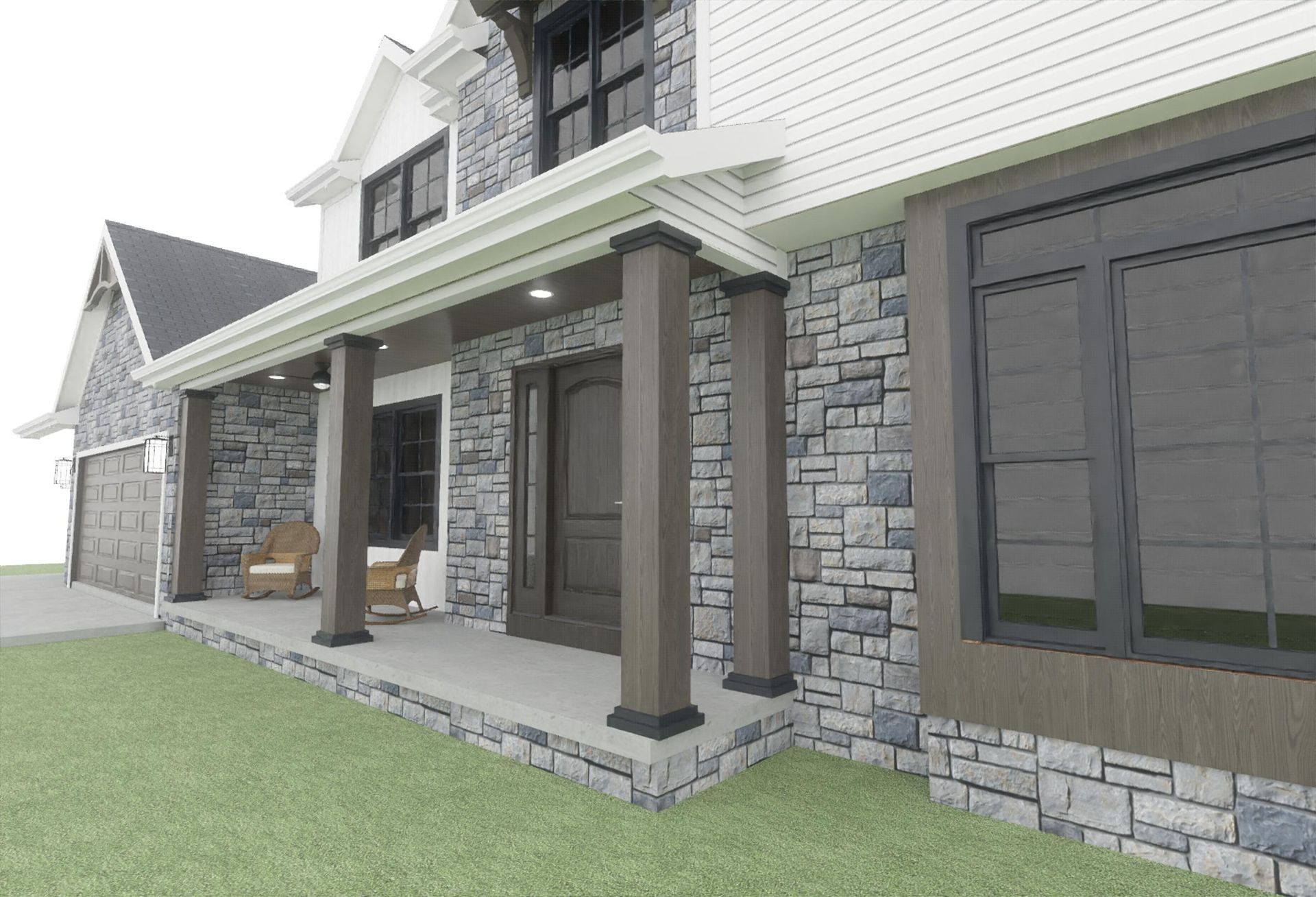
Siding transitions happen where materials meet. This may include siding to stone, siding to brick, horizontal siding to vertical siding, siding to porch materials, or siding to trim.


Poor transitions can make a renovation feel patched together. Clean transitions make the exterior feel intentional and finished.


A design-build approach helps plan these connection points before installation begins so details can be resolved in the design stage.

Use Trim to Support the Home’s Architecture  

Trim should match the home’s scale and architectural character. A traditional home may need a different trim approach than a cleaner, more transitional exterior. A home with larger windows or taller walls may need more substantial trim to feel balanced.


The trim should support the siding profile, not compete with it. When trim, siding, and architecture work together, the home feels more complete from the street and up close.

Visit Our Design Studio in Stow, Ohio

Our Stow, Ohio design studio gives homeowners a place to compare siding profiles, trim concepts, colors, exterior finishes, lighting, door styles, and hardware together. Seeing these selections in context helps clarify how trim coordination can strengthen siding replacement.

Client Feedback on Our Remodeling Process

Homeowners often share that early planning helps them feel more confident about siding and trim decisions. By reviewing windows, doors, corners, fascia, soffits, transitions, materials, and colors together, Anthony Slabaugh Remodeling & Design helps clients make decisions with clarity instead of pressure.

Frequently Asked Questions    

  • Why does trim matter during siding replacement?

    Trim affects how finished the new siding looks. Window casing, door surrounds, corner boards, fascia, and soffits frame the siding and help the exterior feel balanced, detailed, and architecturally connected.

  • Should window trim be updated with new siding?

    Window trim should be evaluated during siding replacement. Existing trim may be too narrow, worn, out of proportion, or visually disconnected from the new siding profile and color palette.

  • How do siding and trim colors work together?

    Siding and trim colors should be planned as one palette. Contrast can define architectural details, while softer combinations can create a calmer look. Roofing, stone, brick, doors, and lighting should also be considered.

  • What are siding transitions?

    Siding transitions are the places where siding meets trim, stone, brick, doors, windows, rooflines, corners, or another siding profile. Clean transitions help the exterior look intentional instead of pieced together.

Start With Materials That Fit the Home  

A refined siding replacement should coordinate siding, trim, color, transitions, rooflines, and architectural details from the beginning. Schedule a consultation with Anthony Slabaugh Remodeling & Design or call (330) 940-3237 to plan your siding replacement with confidence.

Recent Posts

Signs Your Home Needs Siding Replacement | ASRD
By Anthony Slabaugh Remodeling & Design June 29, 2026
Learn when siding replacement may be needed instead of exterior paint, including damage, moisture concerns, gaps, fading, and curb appeal issues.
Siding Moisture Management During Replacement | ASRD
By Anthony Slabaugh Remodeling & Design June 29, 2026
Learn how siding moisture management, flashing, weather barriers, seams, penetrations, and installation quality affect exterior performance.
Siding Material Selection for Architectural Fit | ASRD
By Anthony Slabaugh Remodeling & Design June 29, 2026
Learn how siding material selection, profiles, texture, exposure, trim depth, and architectural fit shape exterior renovations in Hudson and Akron.
Siding Color Ideas for Home Exterior Character | ASRD
By Anthony Slabaugh Remodeling & Design June 29, 2026
Explore siding color ideas, profiles, exterior color planning, curb appeal, and how siding choices change a home’s character.
Window Replacement for Natural Light and Home Character | ASRD
By Anthony Slabaugh Remodeling & Design June 29, 2026
Learn how window replacement can improve natural light, views, privacy, proportion, and architectural continuity without changing home character.
Window Replacement Exterior Trim and Siding Planning | ASRD
By Anthony Slabaugh Remodeling & Design June 29, 2026
Learn how window replacement affects exterior trim, siding, flashing, casing, curb appeal, and exterior transitions.
Window Replacement Energy Efficiency Guide | ASRD
By Anthony Slabaugh Remodeling & Design June 29, 2026
Learn how window replacement energy efficiency depends on window quality, installation, sealing, insulation, flashing, and surrounding conditions.
Window Styles for Homes by Room and Function | ASRD
By Anthony Slabaugh Remodeling & Design June 29, 2026
Compare window styles for homes by room, including casement, double hung, picture, and bay windows for light, views, ventilation, and privacy.
Signs Your Windows Need Replacement | ASRD
By Anthony Slabaugh Remodeling & Design June 29, 2026
Learn signs your windows may need replacement, including drafts, difficult operation, damaged trim, poor seals, and outdated performance.
Exterior Material Selection for Architectural Continuity | ASRD
By Anthony Slabaugh Remodeling & Design June 29, 2026
Learn how exterior material selection can support siding, trim, finishes, proportion, and architectural continuity in Hudson, Akron and surrounding areas.
Show More