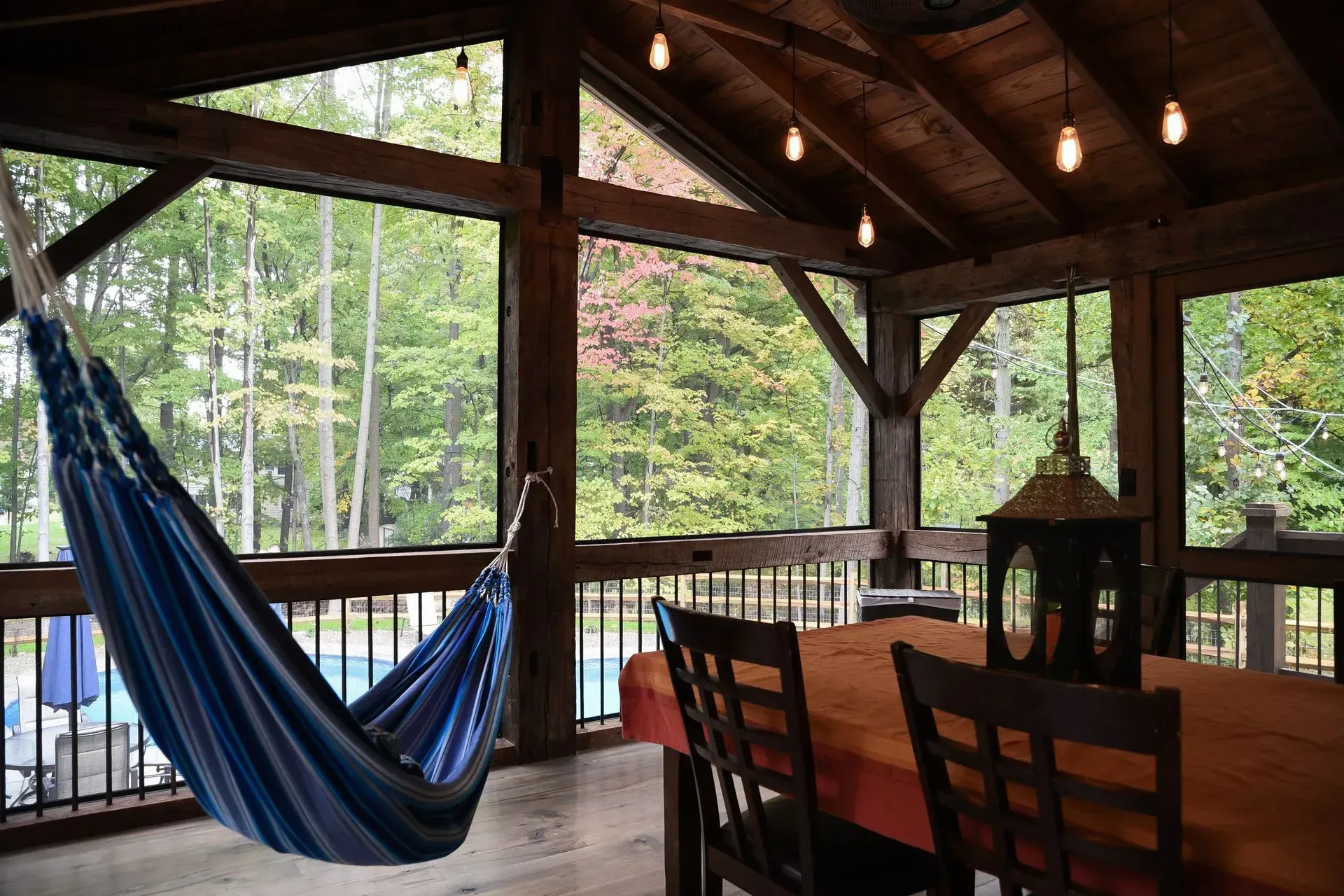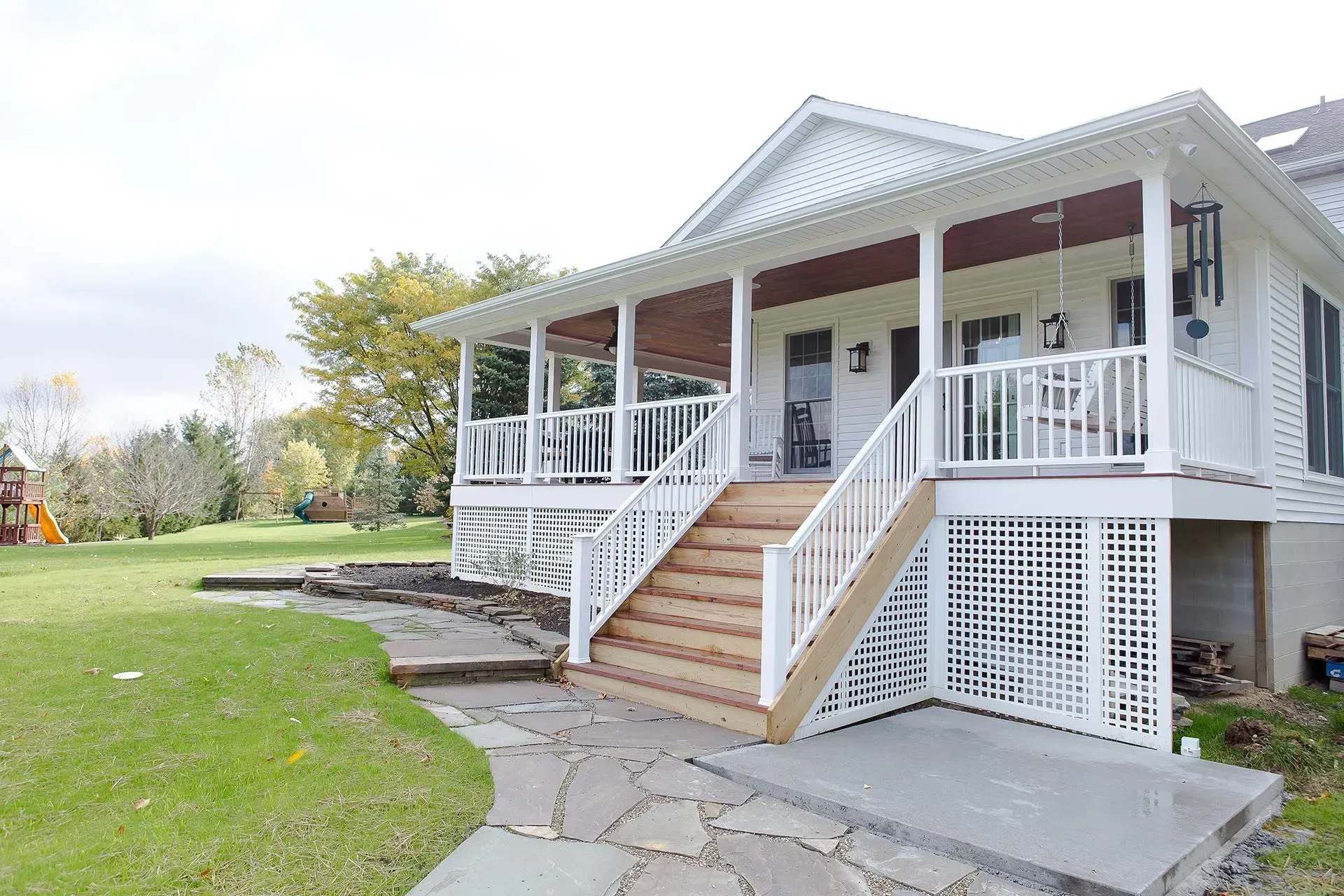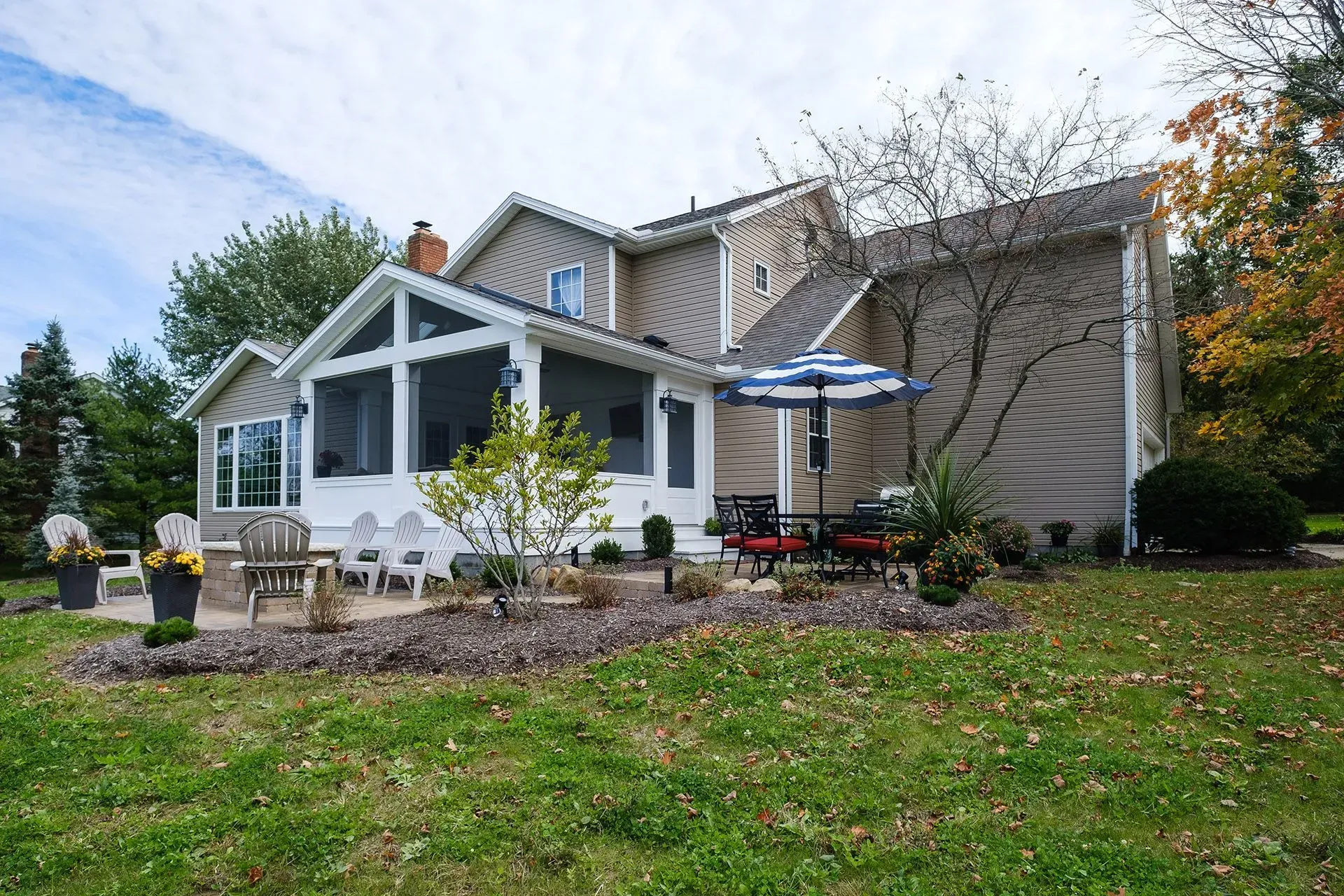

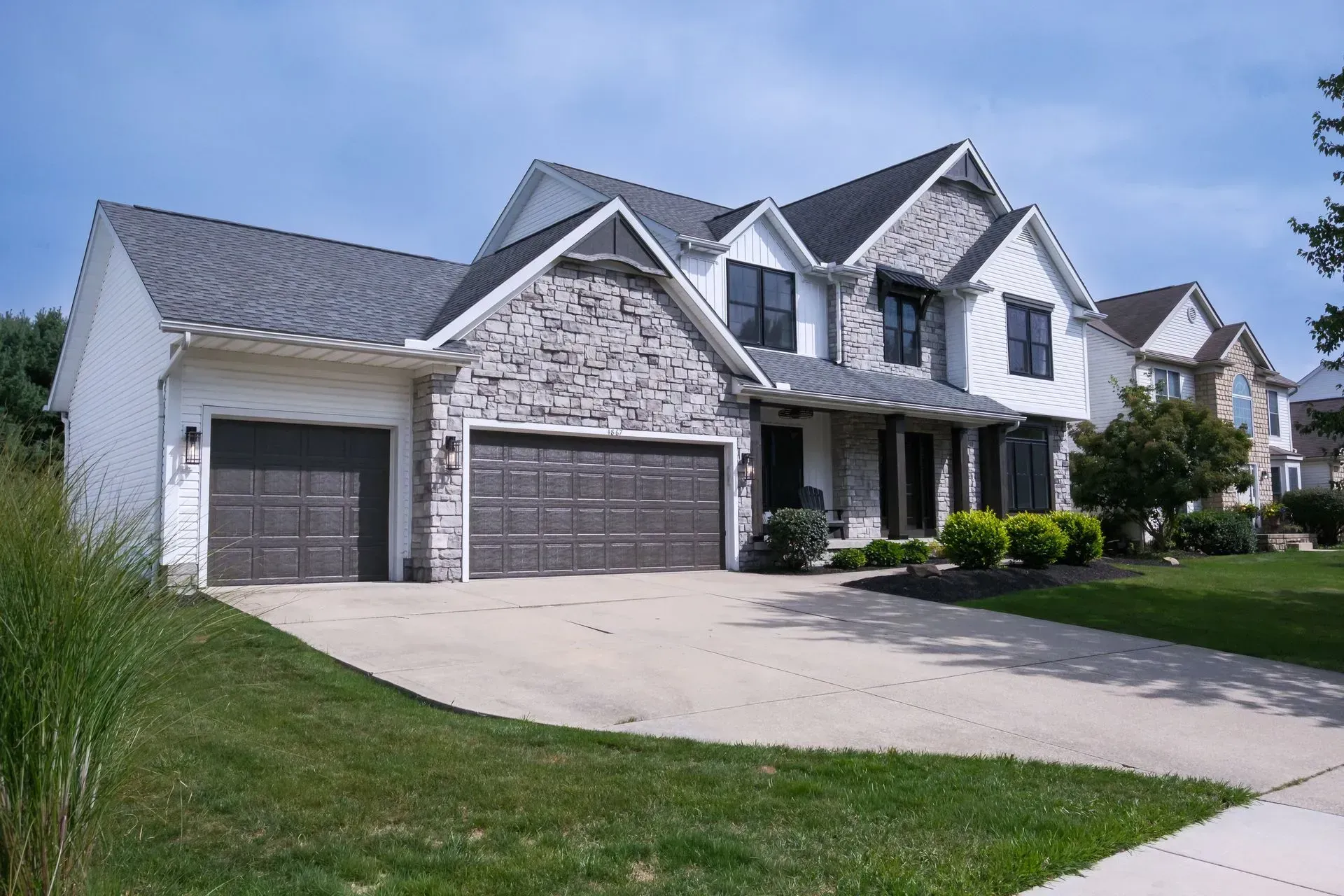
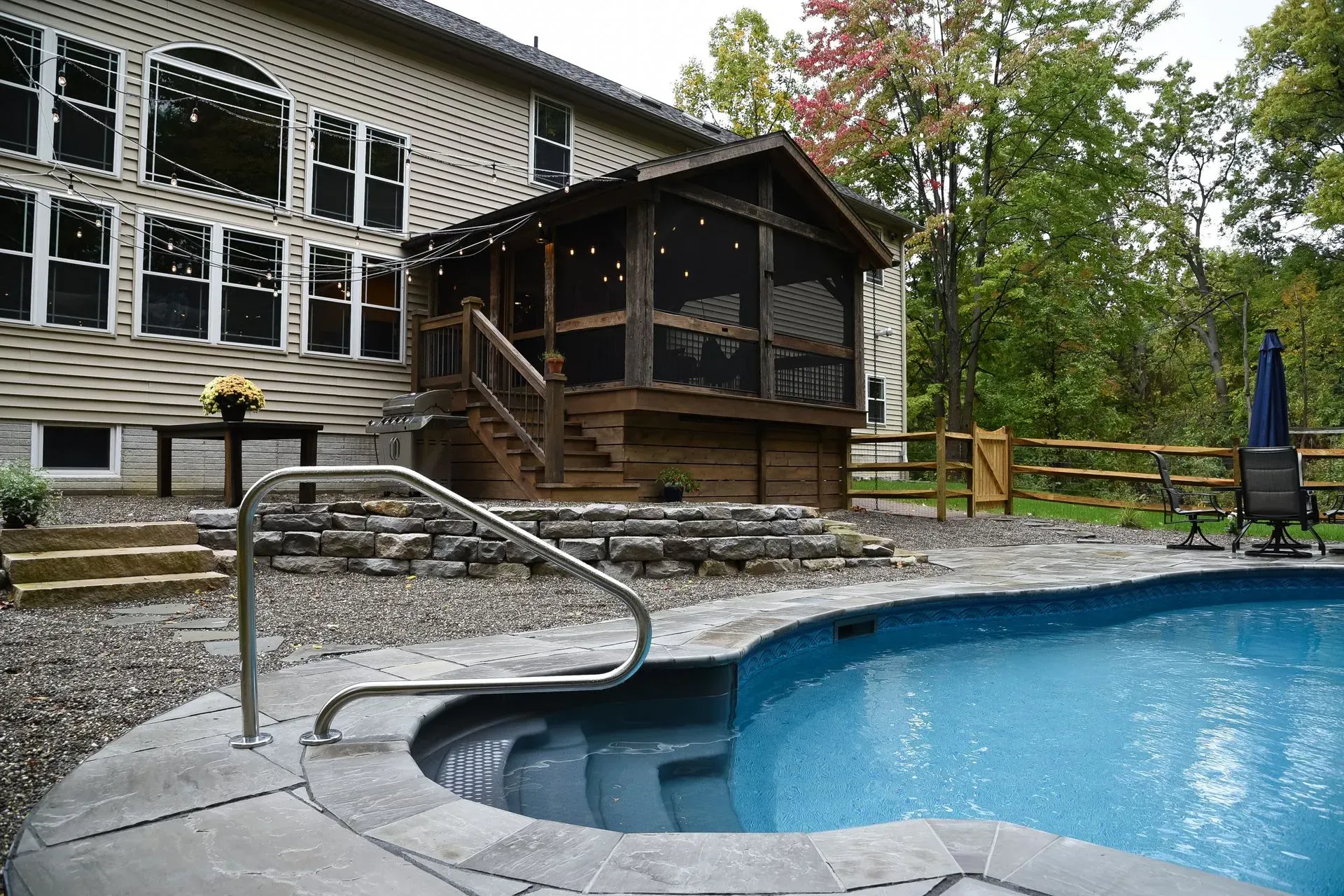
A garage addition should feel like a natural extension of your home, not an attachment added years later. When architectural continuity is overlooked, even a well-built garage can feel visually disconnected, disrupt curb appeal, or diminish the character of the home.
At Anthony Slabaugh Remodeling & Design, architectural alignment is a core part of how we approach garage additions. We focus on proportion, materials, rooflines, and detailing so the new structure feels intentional and cohesive from every angle.
Why Architectural Continuity Matters in Garage Additions
A garage addition changes the visual balance of a home more than most additions. Because garages often occupy prominent exterior positions, design missteps are immediately noticeable.
When architectural continuity is respected, the addition enhances the home’s presence. When it is ignored, the garage can feel oversized, mismatched, or visually heavy.
Architectural continuity is not about copying details blindly. It is about understanding the language of the home and extending it thoughtfully.
Starting With Scale and Proportion
One of the most common architectural mistakes in garage additions is improper scale. A garage that is too tall, too wide, or visually dominant can overwhelm the original structure.
Designing with proper scale means evaluating how the garage relates to the main mass of the home. Roof height, wall planes, and overall volume should feel balanced rather than competing.
This step requires restraint as much as creativity. The goal is harmony, not emphasis.
Rooflines That Feel Intentional, Not Forced
Rooflines play a major role in whether a garage addition feels original or appended. Poorly aligned roof slopes or awkward intersections often signal an afterthought.
Thoughtful garage addition design considers how the new roof integrates with existing pitches, ridgelines, and overhangs. In some cases, subtle variation is appropriate, but it must feel deliberate and proportional.
Roof design should support architectural flow rather than draw attention to the transition.
Material Selection and Exterior Detailing
Materials are one of the most powerful tools for architectural continuity. Siding profiles, trim proportions, masonry details, and window styles all influence how cohesive the addition feels.
Using similar materials does not always mean using identical materials. The key is compatibility. Texture, scale, and finish should relate to the original home without creating a visual mismatch.
Details like trim depth, corner treatments, and window alignment often make the difference between a garage that blends in and one that stands out for the wrong reasons.
Aligning Openings, Rhythm, and Visual Balance
Architecture is as much about rhythm as it is about form. Window placement, door alignment, and spacing all contribute to visual balance.
Garage additions should respect the existing pattern of openings on the home. Aligning window heights, matching proportions, and maintaining consistent spacing helps the addition feel cohesive even when the footprint changes.
Ignoring these relationships often results in a garage that feels disconnected, even if materials match.
Architectural Integration Beyond the Exterior
Architectural continuity does not stop at the exterior. The way the garage connects to the interior of the home matters just as much.
Transitions should feel natural, with ceiling heights, door placements, and circulation paths that make sense. A well-integrated garage addition supports daily routines without disrupting interior flow.
This level of coordination requires planning that considers both exterior architecture and interior usability at the same time.
Why Design-Build Supports Better Architectural Outcomes
Achieving architectural continuity requires close coordination between design and construction. When design intent and construction execution are separated, important details can be lost.
Our design-build process allows architectural decisions to be evaluated alongside structural realities from the beginning. Proportions, materials, and detailing are refined with full awareness of how they will be built.
This approach protects the architectural vision while keeping the project grounded in feasibility.
To see how this philosophy applies across projects, visit our Garage Additions page.
Architectural Garage Additions at a Glance
| Design Element | Architectural Focus | Result |
|---|---|---|
| Scale | Proper massing | Balanced appearance |
| Rooflines | Integrated slopes | Seamless transitions |
| Materials | Compatible textures | Visual cohesion |
| Openings | Aligned proportions | Consistent rhythm |
| Interior connection | Natural flow | Daily usability |
Garage Additions Planning Resources
If you are still exploring your options, these related guides may help:
- Garage Additions
- How a Garage Addition Improves Home Organization and Reduces Interior Clutter
- What Homeowners Should Know Before Starting a Garage Addition
- Why a Design-Build Approach Works Best for Custom Garage Additions
- Common Design Mistakes Homeowners Make When Adding a Garage - And How to Avoid Them
Frequently Asked Questions
Can a garage addition truly match an older home’s architecture?
Yes. With careful planning around proportion, materials, and detailing, continuity is achievable.
Is matching materials enough to ensure architectural consistency?
No. Scale, rooflines, and rhythm matter just as much as materials.
Does architectural continuity increase project complexity?
It requires more planning upfront, but it improves the final result and long-term satisfaction.
Can design-build help protect architectural details during construction?
Yes. Integrated planning and execution reduce the risk of design intent being lost.
Does Anthony Slabaugh Remodeling & Design prioritize architectural continuity?
Yes. Architectural integration is central to our approach to garage additions.
Design a Garage Addition That Feels Like It Belongs
A garage addition should enhance your home’s architecture, not compete with it. Achieving that balance requires thoughtful design, careful proportioning, and experienced execution.
At Anthony Slabaugh Remodeling & Design, we approach garage additions as architectural extensions, not standalone structures. Our design-build process ensures continuity, clarity, and craftsmanship from concept through construction.