
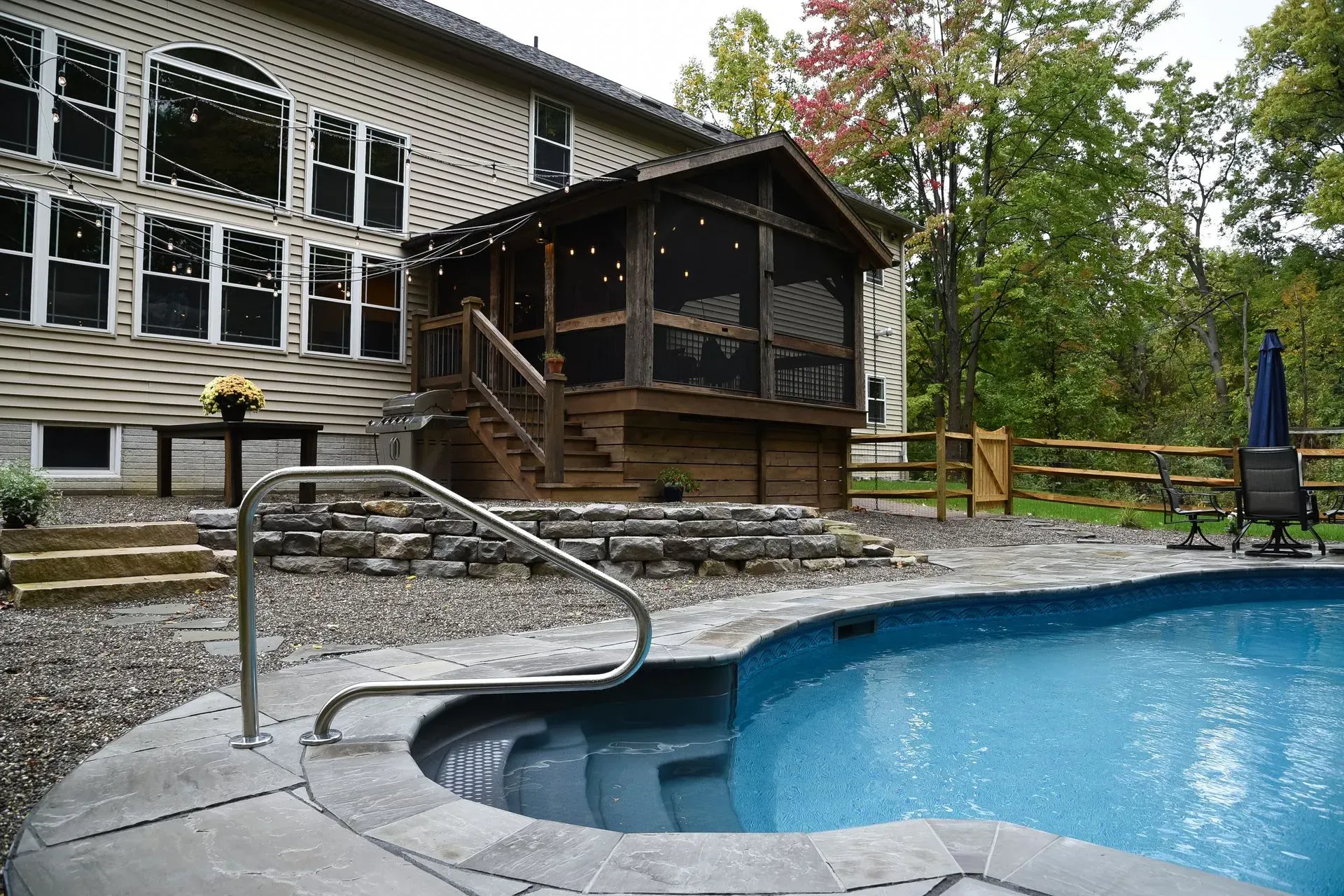
When a home feels just slightly too tight, a full addition is not always the right answer. In many cases, homeowners need a modest amount of additional space in a very specific area. This is where a bump-out addition comes into play.
A bump-out addition is a targeted expansion that extends an existing room outward by a few feet. While smaller in scale than a traditional addition, a well-planned bump-out can dramatically improve how a space functions and feels on a daily basis.
At Anthony Slabaugh Remodeling & Design, bump-out additions are designed with the same level of care as larger projects. Through our design-build process, we help homeowners determine whether a bump-out is the right solution and how to integrate it seamlessly into the existing home.
Bump-Out Definition Explained Simply
A bump-out addition is a small structural extension of an existing room. Rather than creating an entirely new space, a bump-out expands the footprint of a specific area of the home.
Most bump-outs extend outward anywhere from two to six feet. That modest increase is often enough to relieve congestion, improve layout, or add features that previously did not fit within the room.
Because bump-outs focus on precision rather than scale, planning is critical. The success of a bump-out depends less on size and more on how the added space is used.
How a Bump-Out Differs From a Full Home Addition
The main difference between a bump-out and a full addition is scope. A bump-out expands an existing room, while a full addition creates a new space or wing.
Bump-outs are often used to:
- Add counter space or seating in a kitchen
- Improve bathroom layout and comfort
- Expand a bedroom or living area slightly
- Increase natural light and openness
A full addition may be more appropriate when multiple rooms are needed or when a significant change in layout is required. For many homeowners, however, a bump-out provides exactly the improvement they need without unnecessary complexity. For a deeper comparison, our Bump-Out vs Full Addition resource explores when each option makes sense.
Where Bump-Out Additions Work Best
Bump-out additions are most effective in rooms where layout is the primary challenge. Even a small increase in square footage can unlock better circulation, storage, or functionality.
Common areas for bump-outs include kitchens, bathrooms, breakfast areas, primary bedrooms, and living rooms. In these spaces, a few additional feet can make a meaningful difference without altering the entire home.
Because bump-outs are targeted, they are especially appealing for homeowners who like their home overall but need specific improvements.
Structural Considerations for a Bump-Out Addition
Although bump-outs are smaller than full additions, they still require proper structural support. Most bump-outs need a foundation or engineered structural solution to ensure long-term performance.
Planning must account for how the bump-out connects to existing framing, how loads are supported, and how the exterior integrates with the rest of the home. These considerations are addressed early in the design-build process to avoid issues later.
If you are curious about structural requirements, our guide on bump-out addition foundations explains what homeowners should know.
Interior Flow and Everyday Usability
One of the biggest advantages of a bump-out addition is improved interior flow. By relieving pressure points in a room, a bump-out allows daily routines to feel easier and more comfortable.
For example, a kitchen bump-out may allow for better appliance placement or seating, while a bathroom bump-out can improve circulation and accessibility. These improvements often have a greater impact on comfort than larger but less focused expansions.
Exterior Integration and Architectural Continuity
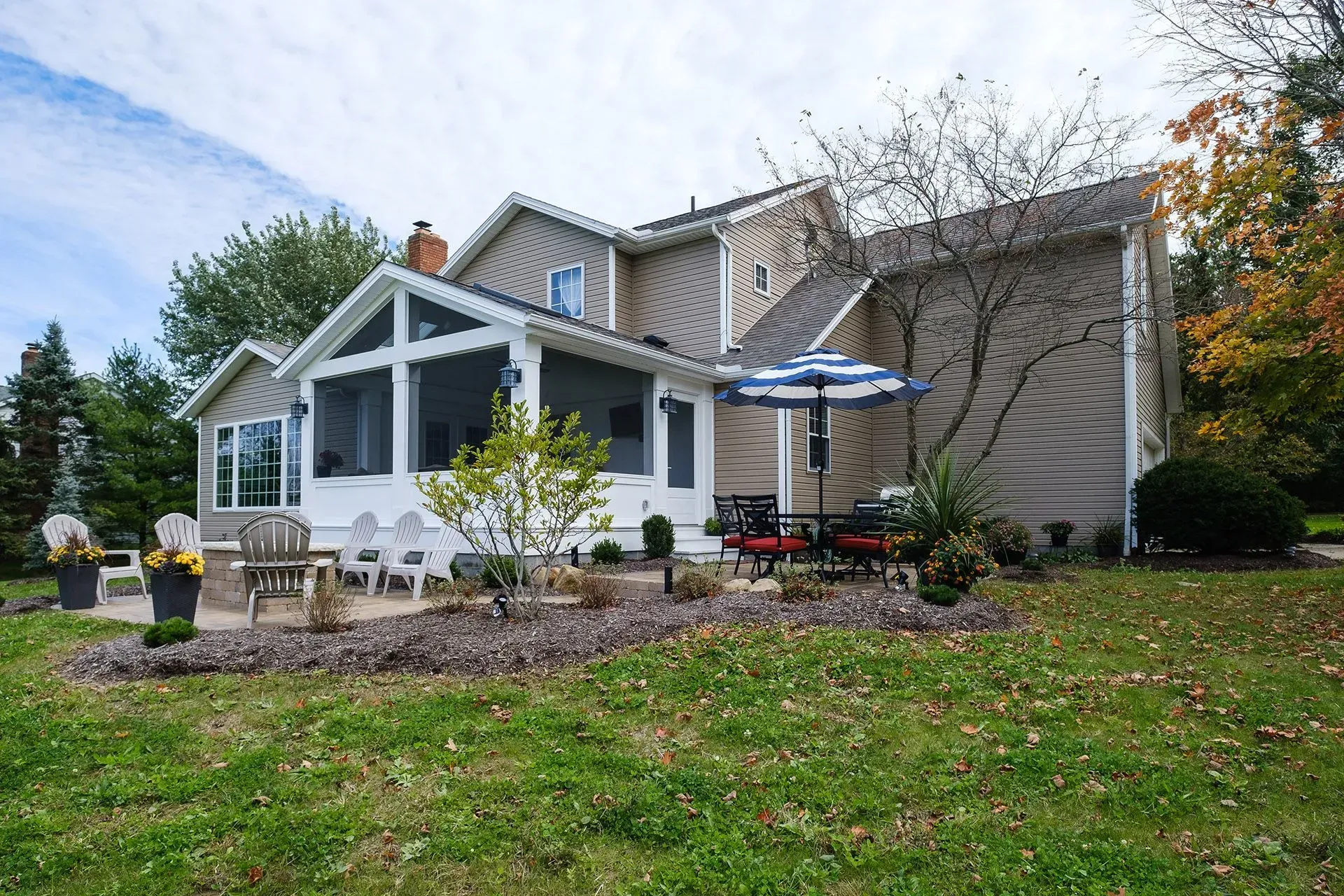
A successful bump-out addition should look and feel like part of the original home. Exterior detailing, rooflines, windows, and materials must be carefully coordinated so the addition does not appear out of place.
At Anthony Slabaugh Remodeling & Design, we focus on architectural continuity so bump-outs blend seamlessly with the existing structure. This attention to detail ensures the home retains its character while gaining improved functionality.
Investment Considerations for Small Home Additions
Bump-out additions are often more cost-efficient than larger additions, but investment levels vary based on structure, finishes, and complexity.
Rather than thinking in terms of cost per square foot, it is more helpful to consider value. A bump-out that solves a daily frustration often delivers outsized benefits relative to its size.
Through planning, we help homeowners understand how design choices affect both investment and long-term usability.
Why Design-Build Matters for Bump-Out Additions
Because bump-outs require precise coordination between structure, design, and construction, a design-build approach offers clear advantages.
By managing planning, design, and construction under one roof, Anthony Slabaugh Remodeling & Design ensures that bump-out additions are thoughtfully planned, clearly scoped, and carefully executed. This integrated process reduces surprises and helps the finished space feel intentional.
For a broader overview of how bump-outs fit into home expansion, visit our
Bump-Out Additions service page.
Bump-Out Additions at a Glance
A bump-out addition is a targeted expansion of an existing room.
- It typically extends two to six feet outward.
- It improves function without creating a full new space.
- It works best in kitchens, bathrooms, bedrooms, and living areas.
- It requires structural planning and architectural integration.
Bump-Out Additions Planning Resources
If you are still exploring your options, these related guides may help:
Frequently Asked Questions
What is a bump-out addition used for most often?
Bump-outs are commonly used to improve kitchens and bathrooms, but they can also enhance bedrooms and living areas.
Does a bump-out addition require a foundation?
Most bump-outs do require a foundation or engineered structural support, depending on design.
Is a bump-out considered a small home addition?
Yes. Bump-outs are a form of small home addition focused on targeted improvement.
Can a bump-out match my existing home’s exterior?
Yes. When designed correctly, a bump-out blends seamlessly with the original architecture.
Does Anthony Slabaugh Remodeling & Design build bump-out additions?
Yes. We design and build custom bump-out home additions through a design-build process.
Is a Bump-Out Addition Right for Your Home?
If your home needs a small but meaningful increase in space, a bump-out addition may be the right solution. With thoughtful planning and careful execution, a bump-out can significantly improve comfort and usability without the scale of a full addition.
Anthony Slabaugh Remodeling & Design helps homeowners evaluate whether a bump-out makes sense and how to design it for long-term performance.