
Basement Home Gym Layout Ideas for Strength, Cardio, and Stretching Zones

Conflicting plans are not inevitable in remodeling. They result from fragmented structure. 


Anthony Slabaugh Remodeling & Design provides design-build home renovation services for homeowners in Hudson, Akron & surrounding areas who value architectural alignment and disciplined execution. 


If you are planning a renovation and want drawings that translate directly into construction without conflict, begin with a unified design-build model designed to eliminate misalignment before it begins.

A basement home gym can make fitness more convenient, private, and consistent, but the layout needs to do more than fit equipment into an open room. Strength training, cardio, stretching, mobility work, and recovery all require different types of space.


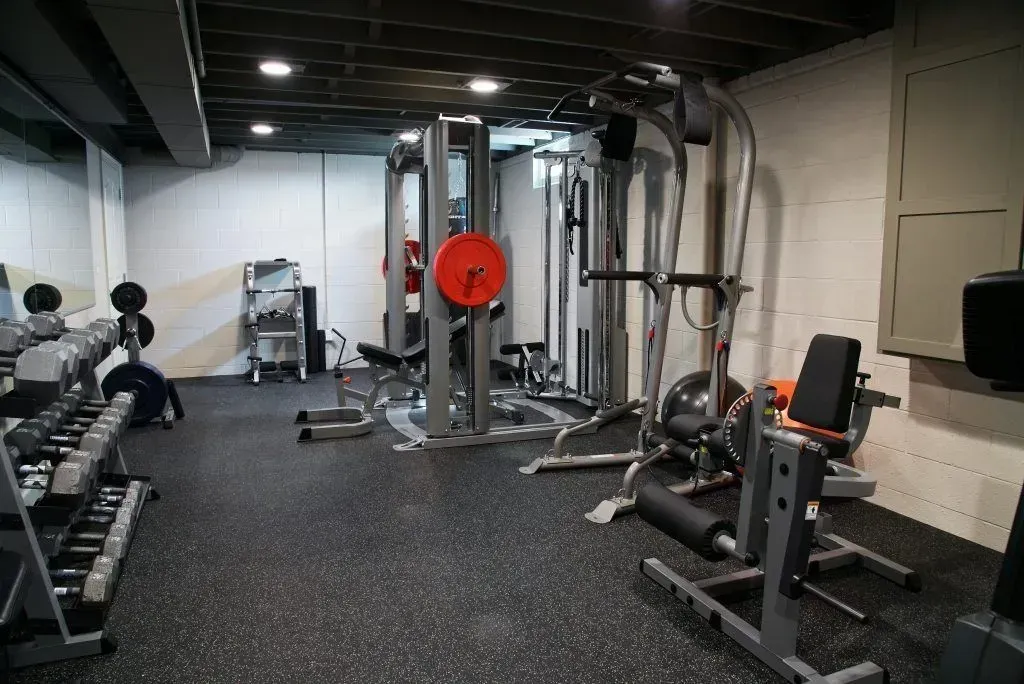
The best basement home gym layout ideas begin with clear zones. Instead of placing machines and weights wherever they fit, a thoughtful plan considers equipment spacing, movement paths, mirrors, lighting, storage, flooring, and how each workout area supports daily use.


At Anthony Slabaugh Remodeling & Design, we help homeowners in Hudson, Akron and surrounding areas design basement fitness rooms that feel functional, durable, and refined.

Start With How You Train  

A strong gym layout begins with the way the homeowner actually works out. Some people focus on free weights. Others use cardio equipment, yoga mats, resistance bands, cable machines, or stretching space.


A basement workout room should not be planned around equipment alone. It should be planned around movement. A treadmill needs clearance. A weight bench needs space around it. A stretching area needs open floor space. A mirror wall may need lighting that supports form without glare.


For homeowners throughout Bath, Fairlawn, and Chagrin Falls, identifying workout priorities early helps prevent the gym from feeling cramped or improvised.

Separate Strength, Cardio, and Stretching Zones  

Strength, cardio, and stretching often work best as distinct zones. The strength area may need heavier flooring, mirrors, storage for weights, and space around benches or racks. The cardio area may need electrical planning, airflow, and enough ceiling clearance. The stretching zone may need quieter lighting, open floor space, and a more comfortable finish underfoot.


These zones do not always need walls. Flooring transitions, lighting, mirrors, equipment placement, and built-ins can create clear separation while keeping the gym open.


At Anthony Slabaugh Remodeling & Design, zoning is planned so the fitness room supports movement without visual clutter.

Plan Circulation Around Equipment  

A basement gym should feel safe and comfortable to move through. Equipment should not block doors, storage, windows, mechanical access, or the main path through the room.


Circulation is especially important when multiple people may use the gym or when the fitness room connects to a family room, office, media room, or guest space. Clear pathways make the gym feel more intentional and easier to use.


Good circulation also helps prevent the room from feeling overloaded.

Think About Mirrors and Sightlines  

Mirrors are useful in a home gym, but placement matters. They can help with form, make the room feel larger, and add brightness when paired with thoughtful lighting. However, too many mirrors can make the space feel commercial.


A refined basement fitness room may use mirrors near the strength or stretching area while leaving other walls for storage, trim details, or a calmer finish. Sightlines from the gym entry and nearby basement areas should also be considered.


The goal is a gym that feels custom, not crowded.

Basement Home Gym Layout Guide  

Gym Zone Layout Priority
Strength area Clearance around racks, benches, weights, and mirrors
Cardio area Electrical access, airflow, ceiling height, and spacing
Stretching zone Open floor space, comfort, and softer lighting
Storage wall Organized space for bands, mats, towels, and accessories
Mirror wall Form visibility without overwhelming the room
Circulation path Clear movement between zones and nearby rooms

This table is useful because basement gym layouts work best when each zone has a clear purpose.

Include Storage Near the Activity  

Fitness storage should be close to where items are used. Mats, bands, dumbbells, towels, jump ropes, and foam rollers can quickly make a gym feel cluttered if they do not have a planned location.


Built-ins, wall storage, closed cabinets, open shelves, or equipment-specific storage can all work depending on the gym layout. Storage should be easy to reach during a workout and clean enough to support the finished look of the space.


A basement fitness room should feel organized even when it is used daily.

Coordinate Lighting With Each Zone  

Lighting should support the way each workout zone functions. Strength areas often benefit from bright, even light. Stretching or mobility zones may feel better with softer lighting. Cardio areas need lighting that does not create glare on screens or mirrors.


A layered lighting plan can help the gym feel energized without being harsh. Fixture placement should account for mirrors, ceiling height, equipment, and circulation.

Keep the Gym Connected to the Basement Design  

A basement home gym can feel durable and performance-focused while still relating to the rest of the lower level. Flooring transitions, trim, wall color, lighting, storage, and doors should feel coordinated.


This is especially important if the gym is near a finished family room, media area, office, or guest suite. The gym should have its own purpose without feeling like a separate project.

Visit Our Design Studio in Stow, Ohio

Our Stow, Ohio design studio gives homeowners a place to review flooring, lighting, cabinetry, storage, finishes, and layout ideas together. Seeing these selections in context helps clarify how a basement gym can support strength, cardio, and stretching without feeling crowded.

Client Feedback on Our Remodeling Process

Homeowners often share that early planning helps them feel more confident about specialized lower-level spaces. By reviewing workout zones, equipment spacing, flooring, mirrors, lighting, storage, and circulation together, Anthony Slabaugh Remodeling & Design helps clients make decisions with clarity instead of pressure.

Frequently Asked Questions    

  • What is the best layout for a basement home gym?

    The best basement home gym layout depends on how you train. Strength, cardio, stretching, and storage zones should be planned around equipment clearance, safe movement, lighting, flooring, mirrors, and how the gym connects to nearby basement spaces.

  • How much space do you need around gym equipment?

    Space needs vary by equipment type, but every layout should allow room to move safely, access storage, use equipment comfortably, and walk through the room without obstruction. Planning clearance early helps prevent the gym from feeling crowded.

  • Should strength and cardio equipment be separated?

    Separating strength and cardio zones often improves comfort and organization. Strength areas may need heavier flooring and mirrors, while cardio zones may need electrical access, airflow, and screen visibility. Zoning keeps the room easier to use.

  • How do you make a basement gym feel custom?

    A basement gym feels custom when layout, flooring, mirrors, lighting, storage, and finishes are planned together. The design should support real workouts while still feeling connected to the rest of the finished basement.

Start With a Basement Gym Layout Designed Around Movement  

A refined basement gym should support strength, cardio, stretching, storage, and clear movement without feeling crowded. Schedule a consultation with Anthony Slabaugh Remodeling & Design or call (330) 940-3237 to plan your basement home gym with confidence.

Recent Posts

Basement Egress Window Installation Process | ASRD
By Anthony Slabaugh Remodeling & Design June 23, 2026
Learn what happens during basement egress window installation, from excavation and foundation cutting to drainage, waterproofing, and finish integration.
Basement Bedroom Natural Light With Egress Windows | ASRD
By Anthony Slabaugh Remodeling & Design June 23, 2026
Learn how an egress window can improve basement bedroom natural light, comfort, ventilation, and livability in Hudson, Akron and surrounding areas.
Basement Egress Window Well and Drainage Planning | ASRD
By Anthony Slabaugh Remodeling & Design June 23, 2026
Learn how basement egress window wells, drainage, grading, and moisture planning support safer, more comfortable lower-level bedrooms.
Basement Bedroom Egress Window Guide for Homeowners | ASRD
By Anthony Slabaugh Remodeling & Design June 23, 2026
Learn when a basement bedroom egress window is needed, how it supports safety, and what homeowners should consider before planning a lower-level bedroom.
Basement Egress Window Installation Process | ASRD
By Anthony Slabaugh Remodeling & Design June 23, 2026
Learn what happens during basement egress window installation, from excavation and foundation cutting to drainage, waterproofing, and finish integration.
Basement Bedroom Natural Light With Egress Windows | ASRD
By Anthony Slabaugh Remodeling & Design June 23, 2026
Learn how an egress window can improve basement bedroom natural light, comfort, ventilation, and livability in Hudson, Akron and surrounding areas.
Basement Egress Window Well and Drainage Planning | ASRD
By Anthony Slabaugh Remodeling & Design June 23, 2026
Learn how basement egress window wells, drainage, grading, and moisture planning support safer, more comfortable lower-level bedrooms.

Share this article

CLIENT REVIEWS

Don’t Just Take Our Word For It

See below how our customers react on our ultimate pressure cleaning services