
Basement Moisture Control Before Finishing: What Homeowners Should Know

Conflicting plans are not inevitable in remodeling. They result from fragmented structure.
Anthony Slabaugh Remodeling & Design provides design-build home renovation services for homeowners in Hudson, Akron & surrounding areas who value architectural alignment and disciplined execution.
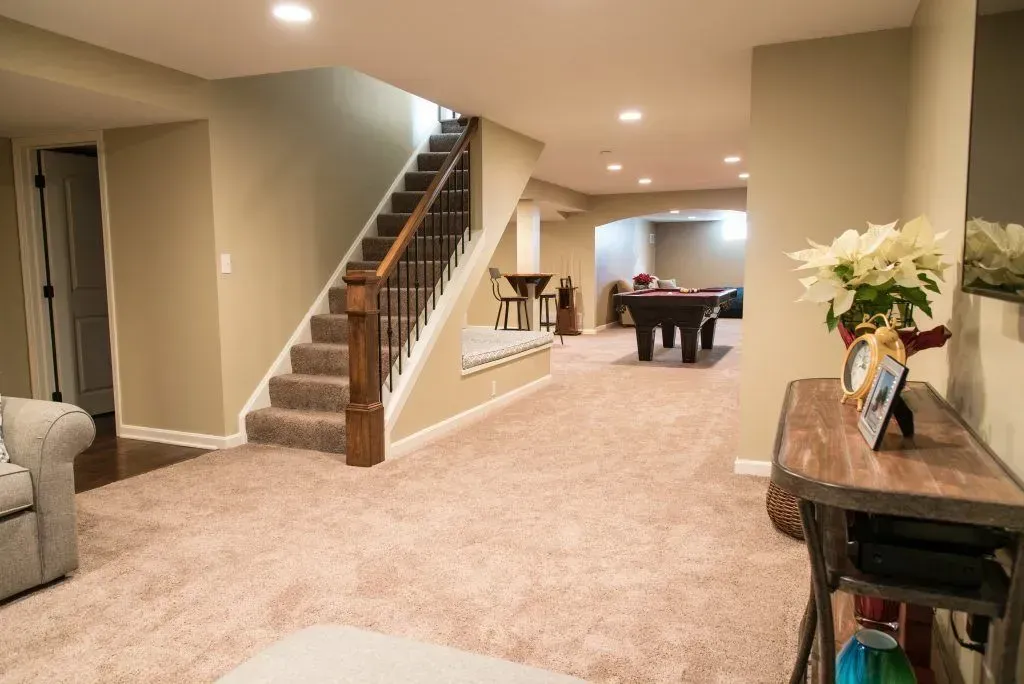
Basement moisture control should be addressed before drywall, flooring, insulation, cabinetry, or built-ins are installed. A finished basement may look beautiful on the surface, but if moisture concerns are not evaluated first, the space may not perform the way homeowners expect over time.
Moisture can come from several sources, including foundation conditions, humidity, drainage, plumbing, exterior grading, or seasonal weather. The goal is not to guess. It is to understand the basement’s current conditions before construction begins.
At
Anthony Slabaugh Remodeling & Design, we help homeowners in Hudson, Akron and surrounding areas plan basement finishing through a design-build process that considers comfort, performance, materials, and existing conditions together..
Why Moisture Comes Before Design Selections
Flooring, drywall, trim, cabinetry, and wall finishes should not be selected before moisture conditions are understood. Basement spaces are different from main-level rooms because they sit below grade or partially below grade, where humidity and water conditions need closer attention.
For homeowners throughout Bath, Fairlawn, and Chagrin Falls, moisture planning is especially important because basement conditions can change with seasons, storms, drainage patterns, and long-term foundation performance.
A refined finished basement starts with a dry, stable, well-understood space.
Look for Signs of Moisture
Before finishing a basement, homeowners should look for signs that moisture may already be present. These can include damp odors, staining on walls or floors, peeling paint, visible condensation, soft materials, efflorescence, or areas that feel humid.
These signs do not always mean the basement cannot be finished. They do mean the conditions should be reviewed before finishes cover the walls or floor.
At
Anthony Slabaugh Remodeling & Design, early evaluation helps the design team make better decisions about layout, materials, and construction sequencing.
Plan Around Electrical Panels and Shutoffs
Basement humidity can affect comfort and finish performance even when there is no visible water. High humidity may make the space feel damp, stale, or less comfortable.
Humidity can also influence flooring, wall materials, trim, and storage. A basement intended for a family room, office, bar area, gym, or guest space should feel comfortable year-round.
Managing basement humidity is part of creating a lower level that feels like a true extension of the home.
Work With Plumbing Lines and Cleanouts
Moisture control may involve both exterior and interior conditions. Exterior grading, gutters, downspouts, drainage, and soil conditions can influence how water behaves around the foundation.
Inside the basement, plumbing, sump equipment, foundation walls, floor conditions, and utility areas should be reviewed. If waterproofing before finishing a basement is needed, it should happen before finish materials are installed.
This is why basement planning should begin with conditions, not finishes.
Basement Moisture Planning Guide
| Area to Review | Why It Matters |
|---|---|
| Foundation walls | Helps identify staining, cracks, seepage, or past moisture |
| Basement floor | Shows possible dampness, staining, or uneven conditions |
| Humidity levels | Affects comfort, air quality, and material performance |
| Drainage and grading | Influences how water moves around the home |
| Sump and utility areas | Keeps important systems accessible and monitored |
| Finish materials | Should be selected after moisture concerns are understood |
This table is useful because moisture control depends on the full basement environment, not one surface or product.
Select Materials After Conditions Are Known
Utilities can often be hidden behind doors, panels, cabinetry, or mechanical room walls. The key is making the access intentional.
A flush access panel may work in some areas. A storage closet may make sense in another. A cabinet-style solution can help conceal a panel while keeping it reachable.
The right approach depends on the equipment, the room function, and how visible the area will be.
Keep Utilities and Access Points Available
Moisture control also involves access. Sump equipment, shutoffs, plumbing, HVAC components, and utility zones should remain reachable after the basement is finished.
Concealing these areas without proper access can make future maintenance more difficult. A well-designed basement can hide utility areas while still allowing practical service access.
This balance helps the finished basement look polished without ignoring performance needs.
Visit Our Design Studio in Stow, Ohio
Our Stow, Ohio design studio gives homeowners a place to review basement layout ideas, flooring, cabinetry, finishes, lighting, and material selections together. Seeing these choices in context helps connect moisture planning with the finished design.
Client Feedback on Our Remodeling Process
Homeowners often share that early planning helps them feel more confident before construction begins. By reviewing basement moisture concerns, utility access, layout options, and finish selections together,
Anthony Slabaugh Remodeling & Design helps clients make decisions with clarity instead of pressure.
Frequently Asked Questions
Why is basement moisture control important before finishing?
Basement moisture control is important because drywall, flooring, trim, cabinetry, and insulation can be affected by damp conditions. Evaluating moisture before construction helps protect the finished space and supports better material, layout, and ventilation decisions.
What are signs of basement moisture problems?
Common signs include musty odors, wall or floor staining, peeling paint, visible condensation, damp spots, efflorescence, or areas that feel humid. These signs should be reviewed before finishes are installed so underlying conditions are not covered.
Should waterproofing happen before finishing a basement?
If waterproofing is needed, it should be addressed before finishing the basement. Any concerns related to drainage, foundation walls, seepage, sump equipment, or water intrusion should be evaluated before drywall, flooring, and built-ins are installed.
Can a basement be finished if it has humidity issues?
A basement with humidity concerns may still be finishable, but the cause should be understood first. Humidity management, ventilation, material selection, and utility planning should all be reviewed before the space is converted into finished living area.
Start With Moisture Planning Before Basement Finishing
A refined finished basement begins with understanding moisture, humidity, utilities, and existing conditions. Schedule a consultation with Anthony Slabaugh Remodeling & Design or call (330) 940-3237 to plan basement finishing with confidence.
Recent Posts
Share this article
CLIENT REVIEWS
Don’t Just Take Our Word For It
See below how our customers react on our ultimate pressure cleaning services