
How to Fix a Cold Basement Office: Heating and Comfort Solutions

Conflicting plans are not inevitable in remodeling. They result from fragmented structure.
Anthony Slabaugh Remodeling & Design provides design-build home renovation services for homeowners in Hudson, Akron & surrounding areas who value architectural alignment and disciplined execution.
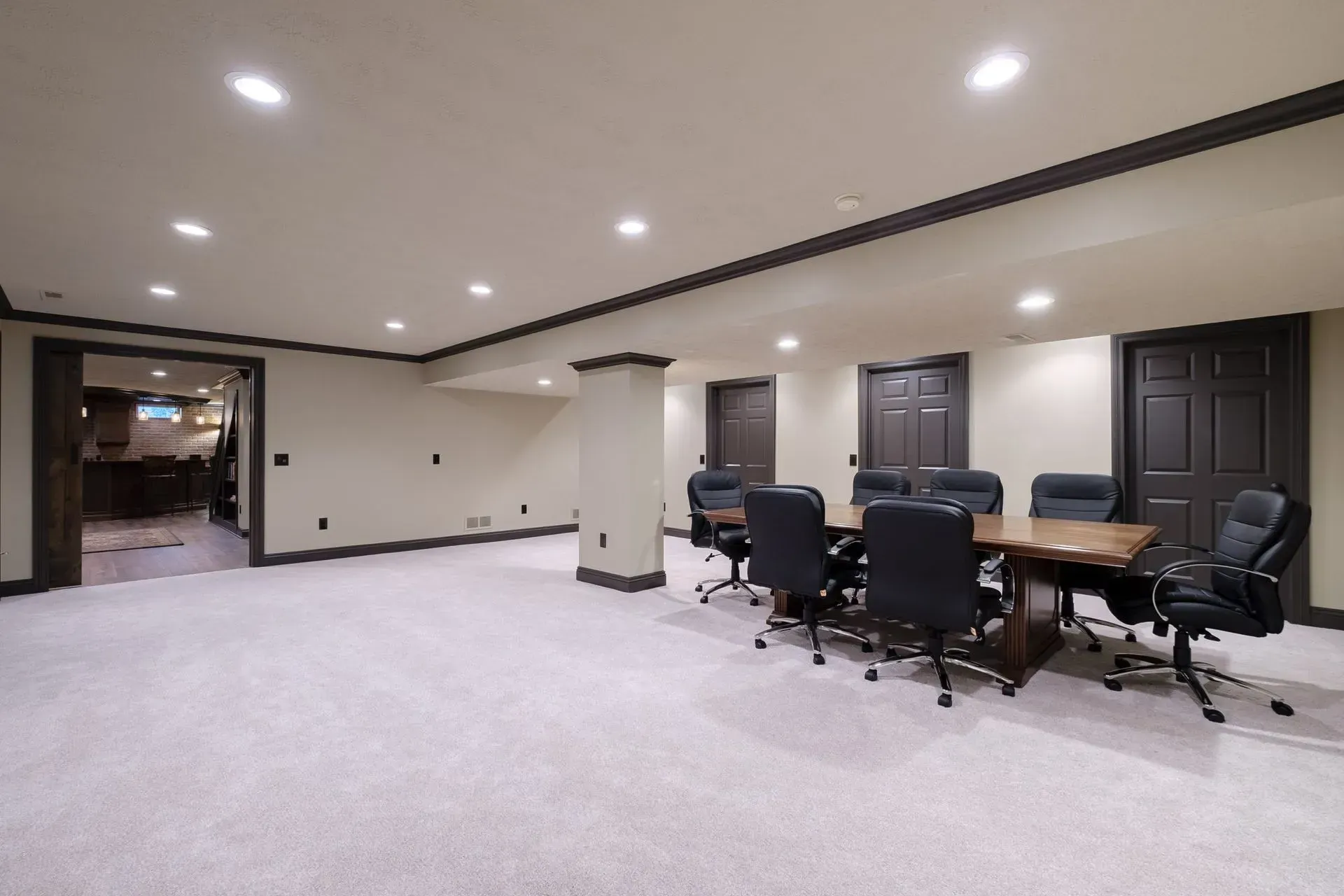
A basement office can be a quiet and productive place to work, but comfort matters. If the room feels cold, drafty, damp, or disconnected from the rest of the home, it can be hard to focus through long workdays.
A cold basement office is not always solved by adding a portable heater or heavier rug. The issue may involve airflow, insulation, flooring, ceiling conditions, exterior walls, windows, or how the basement office connects to the home’s existing systems.
At
Anthony Slabaugh Remodeling & Design, we help homeowners in Hudson, Akron and surrounding areas plan basement home office remodels that consider comfort, function, and refined finish details from the beginning.
Start With Why the Office Feels Cold
Before selecting finishes, it is important to understand why the basement office feels uncomfortable. Some rooms feel cold because of concrete floors, limited airflow, poorly insulated walls, older windows, unfinished ceiling areas, or separation from the home’s heating system.
Others feel uncomfortable because the room was finished without planning how someone would use it for several hours at a time.
For homeowners throughout Bath, Fairlawn, and Chagrin Falls, comfort planning is especially important when the basement becomes a daily workspace rather than occasional living space.
Review Heating and Airflow Early
Basement office heating should be discussed before walls, ceilings, flooring, and built-ins are finalized. If the office is enclosed, it may need a different comfort strategy than an open basement family area.
A design-build plan may include evaluating supply and return air, airflow paths, room placement, door location, and how the office connects to nearby spaces. The goal is not just to make the room warmer once. It is to make it comfortable and consistent during daily use.
At
Anthony Slabaugh Remodeling & Design, comfort is planned alongside layout, lighting, storage, and finishes.
Consider Insulation and Exterior Walls
Basement insulation can have a major impact on office comfort. Exterior walls, rim joists, windows, and ceiling conditions can all influence how the room feels.
If the office is near an outside wall or window, cold surfaces may affect comfort even when the air temperature seems acceptable. Planning insulation, wall finishes, and window conditions early can help the finished office feel more stable and comfortable.
This is especially important when the office will be used for long work sessions.
Choose Flooring With Comfort in Mind
Flooring has a direct effect on how a basement office feels. A hard, cold floor can make the space feel uncomfortable, especially during colder months.
Basement flooring should be selected for comfort, durability, lower-level conditions, and how the office connects to nearby rooms. In some cases, rugs or softer finish choices may help. In others, the flooring system itself may need closer attention.
The right flooring should support the room’s professional look while helping it feel more comfortable underfoot.
Cold Basement Office Comfort Guide
| Comfort Issue | Planning Opportunity |
|---|---|
| Cold floors | Select flooring and underlayment with comfort in mind |
| Poor airflow | Review heating, returns, room layout, and door placement |
| Exterior walls | Address insulation and wall finish conditions |
| Drafty windows | Consider window performance and room layout |
| Closed office layout | Plan comfort before enclosing the workspace |
| Hard surfaces | Use finishes, rugs, and furnishings to soften the room |
This table is useful because cold basement office solutions often require several coordinated decisions, not one single product.
Avoid Blocking Comfort With Built-Ins
Built-ins can make a basement office feel refined, but they should not interfere with heating, airflow, or access. Desks, cabinets, printer storage, and shelving should be placed with comfort and system access in mind.
If cabinetry blocks vents, returns, panels, or airflow paths, the room may feel less comfortable after the remodel. A thoughtful plan allows built-ins to support the workspace without creating new comfort issues.
Storage and performance should work together.
Use Lighting and Finishes to Add Warmth
Comfort is not only physical. A basement office can feel colder when lighting is harsh, wall colors are flat, or finishes feel disconnected from the rest of the home.
Layered lighting, warm textures, coordinated trim, cabinetry, rugs, and wall finishes can help the office feel more inviting. These details do not replace proper heating or insulation planning, but they can make the workspace feel more pleasant.
A basement office should feel polished and comfortable, not hidden away.
Keep Moisture Awareness in the Plan
A cold basement office may also feel uncomfortable because of moisture or humidity. Before enclosing walls, adding cabinetry, or selecting finishes, lower-level conditions should be considered.
Moisture awareness helps guide flooring, wall finishes, ventilation, and storage decisions. This is not about overcomplicating the project. It is about making sure the office feels comfortable and durable after the remodel is complete.
Visit Our Design Studio in Stow, Ohio
Our Stow, Ohio design studio gives homeowners a place to review flooring, cabinetry, lighting, finishes, storage, and layout ideas together. Seeing these selections in context helps clarify how comfort solutions can be built into a basement office remodel.
Client Feedback on Our Remodeling Process
Homeowners often share that early planning helps them feel more confident about specialized spaces like basement offices. By reviewing heating, airflow, insulation, flooring, built-ins, lighting, and finishes together,
Anthony Slabaugh Remodeling & Design helps clients make decisions with clarity instead of pressure.
Frequently Asked Questions
Why is my basement office so cold?
A basement office may feel cold because of concrete floors, limited airflow, exterior walls, older windows, poor insulation, or an enclosed layout that does not receive consistent heating. Identifying the cause early helps guide better comfort solutions.
How do you make a basement office warmer?
Start with heating, airflow, insulation, flooring, and room layout. A warmer basement office may need improved air movement, better wall comfort, flooring choices that feel better underfoot, and finish details that make the room more inviting.
Does flooring help with a cold basement office?
Yes, flooring can affect comfort significantly. The right basement office flooring and underlayment can make the room feel more comfortable underfoot while supporting durability, appearance, and lower-level conditions.
Should heating be planned before finishing a basement office?
Yes, heating and airflow should be planned before walls, ceilings, built-ins, and flooring are finalized. This helps prevent vents, returns, or comfort needs from being blocked or overlooked during the remodel.
Start With a Basement Office That Feels Comfortable Every Day
A refined basement office should support focus, warmth, airflow, storage, lighting, and daily comfort. Schedule a consultation with Anthony Slabaugh Remodeling & Design or call (330) 940-3237 to plan your basement home office remodel with confidence.
Recent Posts
Share this article
CLIENT REVIEWS
Don’t Just Take Our Word For It
See below how our customers react on our ultimate pressure cleaning services