
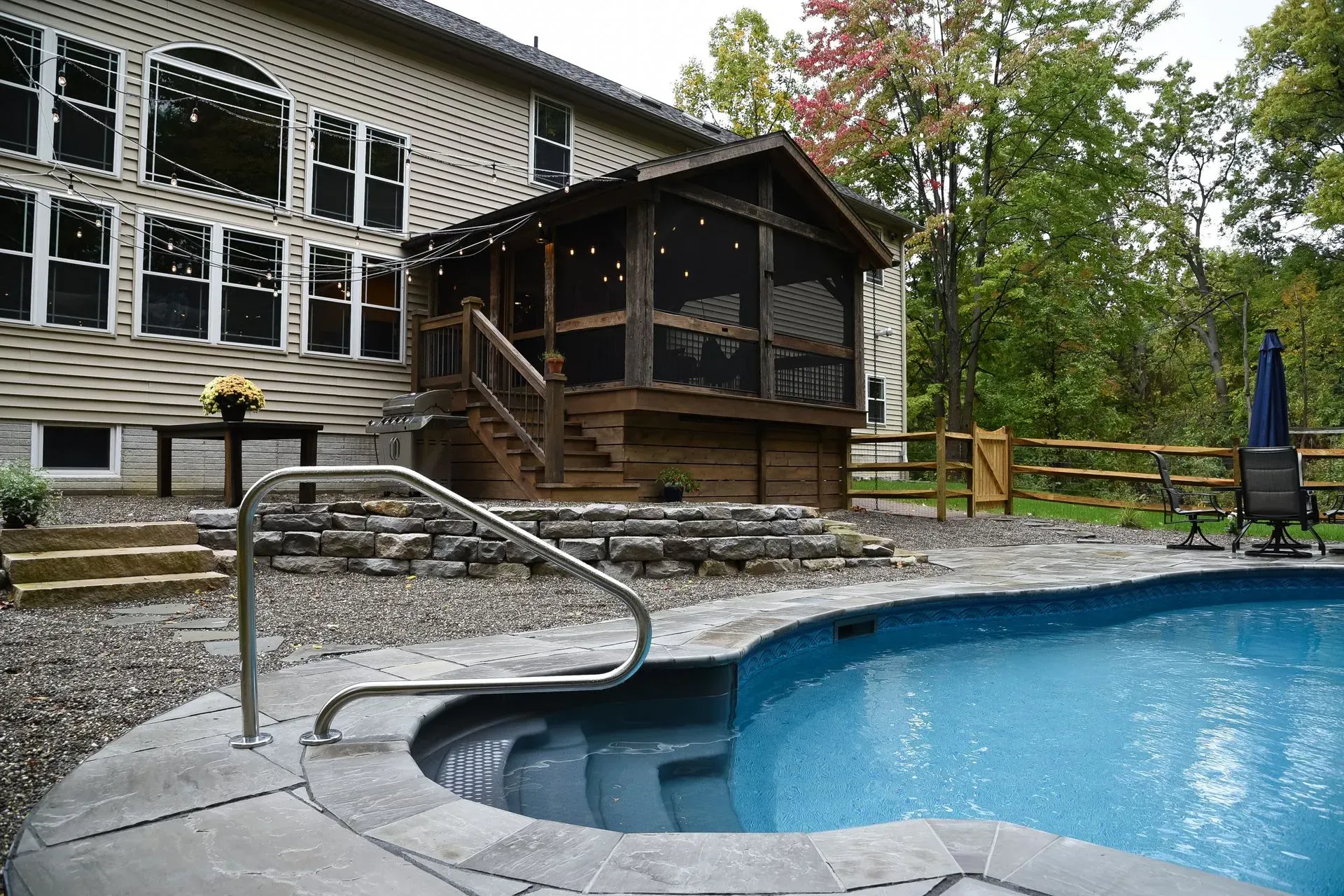
A well-designed sunroom addition does more than add square footage. It changes how a home is experienced day to day. When planned with intention, a sunroom becomes a place where natural light, comfort, and connection come together in a way that supports daily living rather than disrupting it.
At Anthony Slabaugh Remodeling & Design, we approach sunroom additions as lifestyle spaces. Through our design-build process, we help homeowners create sunrooms that feel integrated, comfortable, and genuinely useful throughout the year. The goal is not just to add a bright room, but to enhance how the home functions and feels on a daily basis.
Bringing Natural Light Into Everyday Life
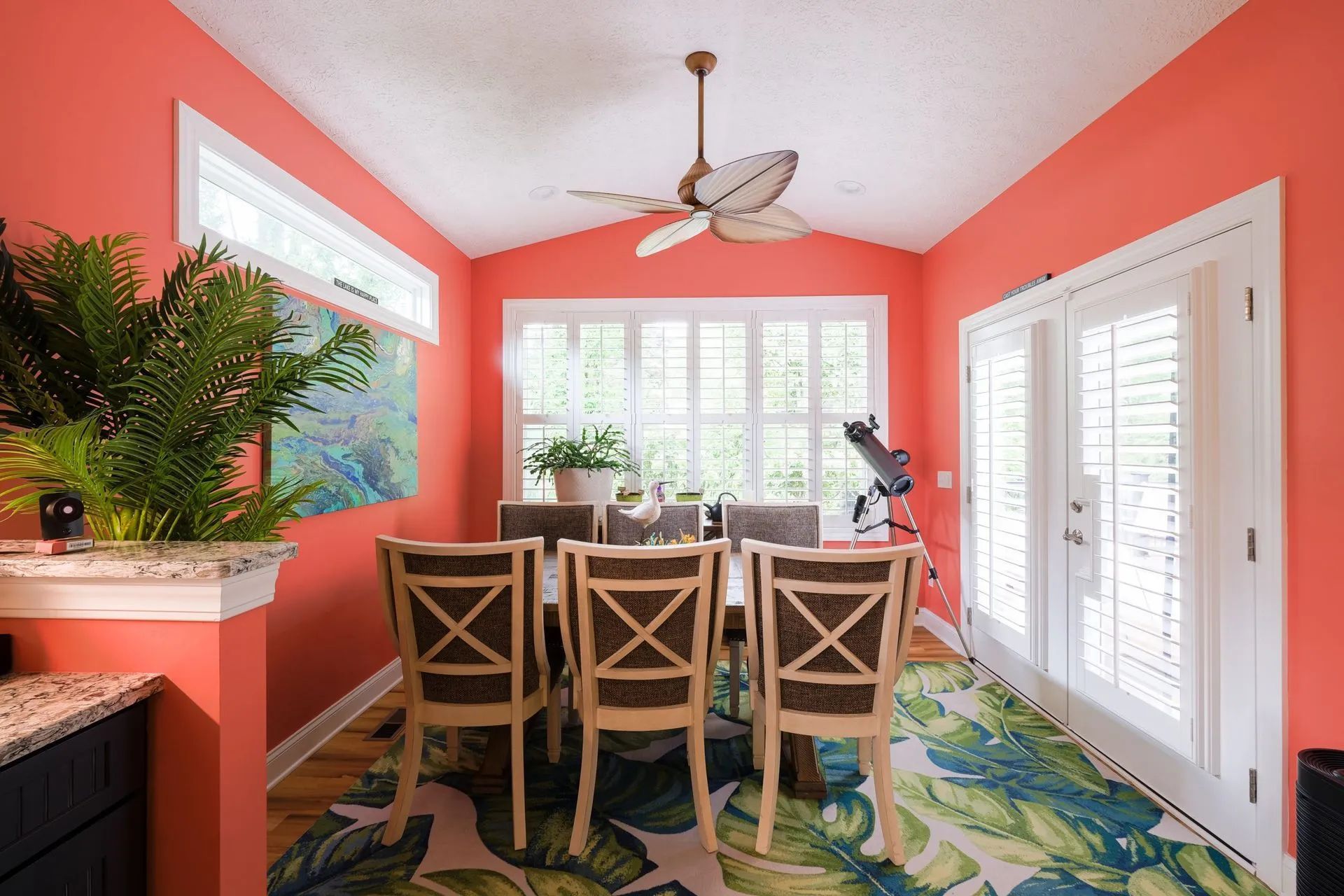
Natural light has a powerful impact on how a space feels. A thoughtfully planned sunroom introduces daylight deeper into the home, creating a sense of openness and balance that is difficult to achieve through interior renovations alone.
Rather than simply adding windows, sunroom design considers orientation, window placement, and how light moves through the space over the course of the day. When done well, the sunroom becomes a calm, inviting place that supports daily routines, from morning coffee to quiet evenings at home.
This consistent connection to daylight often improves mood, comfort, and overall enjoyment of the home.
Creating a Space That Encourages Daily Use
One of the most common challenges with sunrooms is that they are underused. This typically happens when the space is not designed for comfort or connection.
A sunroom that enhances daily living is planned to function like a true living area. Temperature control, insulation, and layout all play a role in making the space comfortable enough to use regularly rather than seasonally.
When the sunroom is connected naturally to primary living areas, it becomes part of the home’s rhythm instead of a destination room used only on occasion.
Supporting Multiple Uses Without Feeling Overdesigned
The most successful sunrooms support a variety of uses without being overly specialized. Flexibility allows the space to adapt as daily needs change.
A sunroom might serve as:
- A quiet retreat during the day
- A casual gathering space in the evening
- An extension of adjacent living areas for entertaining
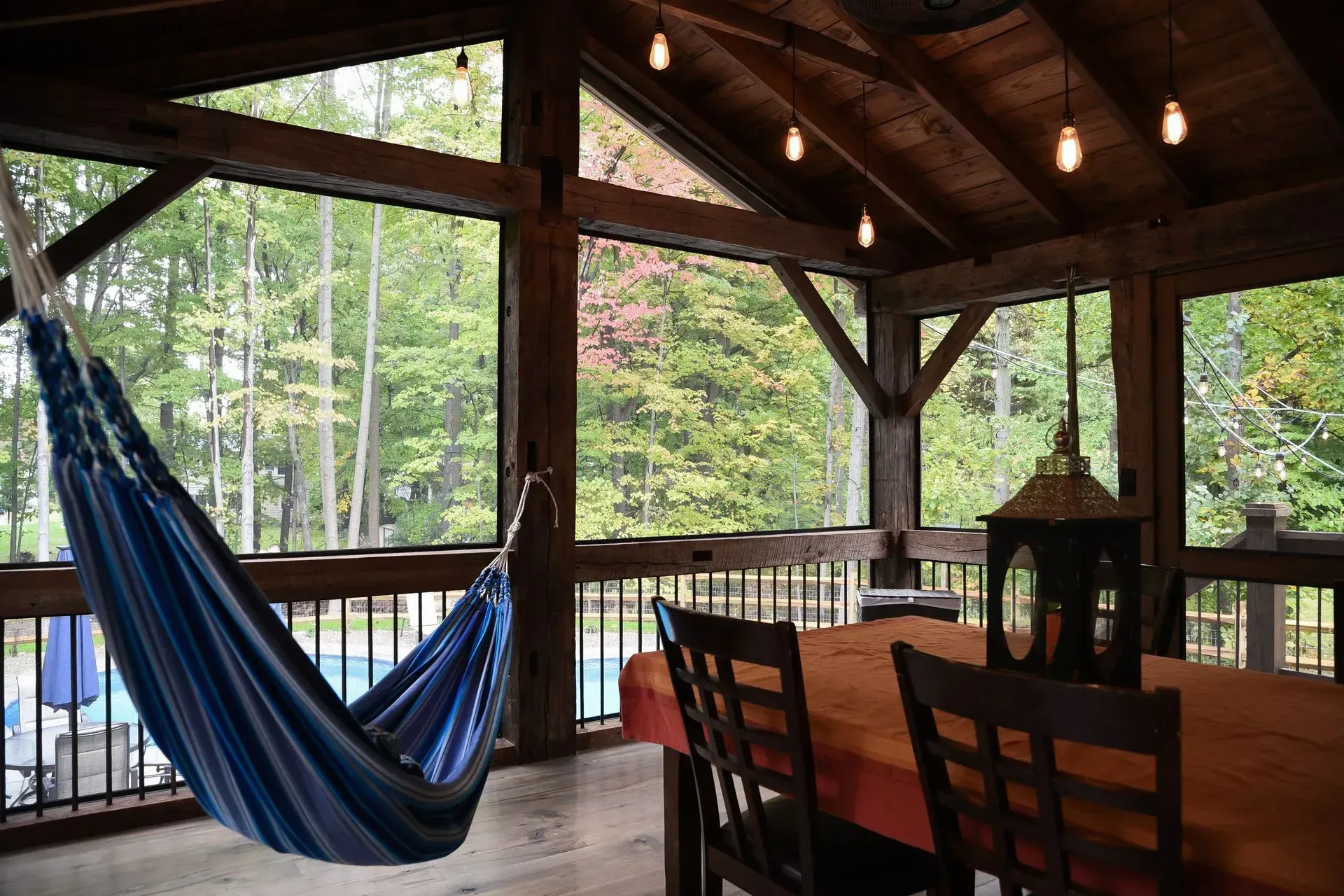
- A comfortable place to enjoy outdoor views year-round
Designing with flexibility in mind ensures the space remains useful long after the initial excitement of the addition fades.
Improving Flow Between Indoor and Outdoor Spaces
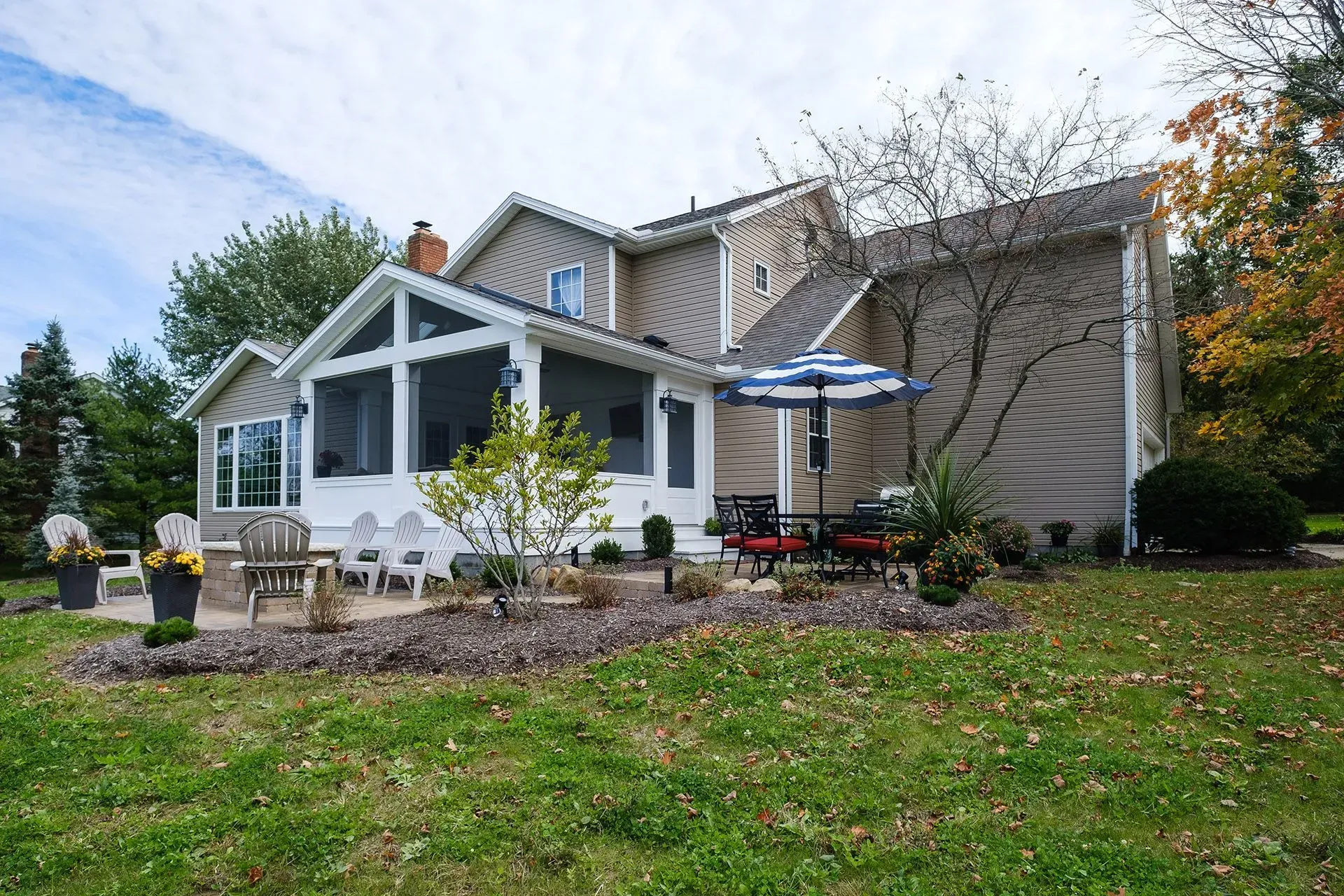
Sunrooms often act as a transition between the interior of the home and the surrounding environment. When planned carefully, this transition feels seamless rather than abrupt.
Interior flow is influenced by how the sunroom connects to adjacent rooms, outdoor spaces, and existing circulation paths. Entry points, sightlines, and proportions all affect whether the space feels welcoming or disconnected.
By prioritizing flow, the sunroom enhances how the home is experienced as a whole, not just as an individual room.
Enhancing Comfort Without Compromising the Home
Comfort is one of the most overlooked aspects of sunroom design. Without proper planning, sunrooms can feel too hot in the summer or too cold in the winter, limiting their usefulness.
A design-build approach allows comfort to be addressed early through insulation strategies, glazing choices, and structural design. This ensures the sunroom supports daily living without negatively affecting the rest of the home.
Comfort-focused planning transforms the sunroom from a visual feature into a livable space.
Long-Term Value Through Thoughtful Design
Sunroom additions enhance daily living when they are designed for longevity rather than novelty. Materials, proportions, and architectural integration all influence how well the space ages over time.
remain a valued part of daily life rather than a space that feels dated or disconnected.
Thoughtful planning protects both comfort and long-term value.
Why Design-Build Makes a Difference for Sunroom Additions
Sunrooms require coordination between structure, envelope design, and interior comfort. When these elements are planned separately, important details are often missed.
At Anthony Slabaugh Remodeling & Design, our design-build process keeps planning, design, and construction aligned. This allows sunroom additions to be designed around how homeowners actually live rather than forcing lifestyle adjustments after construction is complete.
For a deeper look at how sunrooms are planned and integrated, visit our Sunroom Additions page to explore design considerations and long-term planning insights.
Sunroom Benefits at a Glance
| Lifestyle Focus | How a Sunroom Helps |
|---|---|
| Natural light | Creates calm, inviting spaces |
| Daily usability | Encourages regular use |
| Flexibility | Adapts to changing needs |
| Interior flow | Improves connection |
| Comfort | Supports year-round living |
Sunroom Additions Planning Resources
If you are still exploring your options, these related guides may help:
Frequently Asked Questions About Sunroom Additions
How does a sunroom improve daily living?
A well-designed sunroom adds light, comfort, and flexible space that supports everyday routines.
Are sunrooms used year-round?
They can be, depending on how they are designed and insulated.
Does a sunroom need to connect to main living areas?
Yes. Natural connection improves usability and encourages daily use.
Can a sunroom replace other living space needs?
In many cases, it can supplement or enhance existing living areas.
Does Anthony Slabaugh Remodeling & Design design custom sunrooms?
Yes. We design sunroom additions through a coordinated design-build process focused on long-term comfort.
Start Designing a Sunroom That Enhances Daily Life
A sunroom addition should improve how your home lives every day, not just how it looks. Thoughtful planning and intentional design make the difference.
If you are considering a sunroom addition and want a space designed around comfort, connection, and daily use, Anthony Slabaugh Remodeling & Design is here to help.