
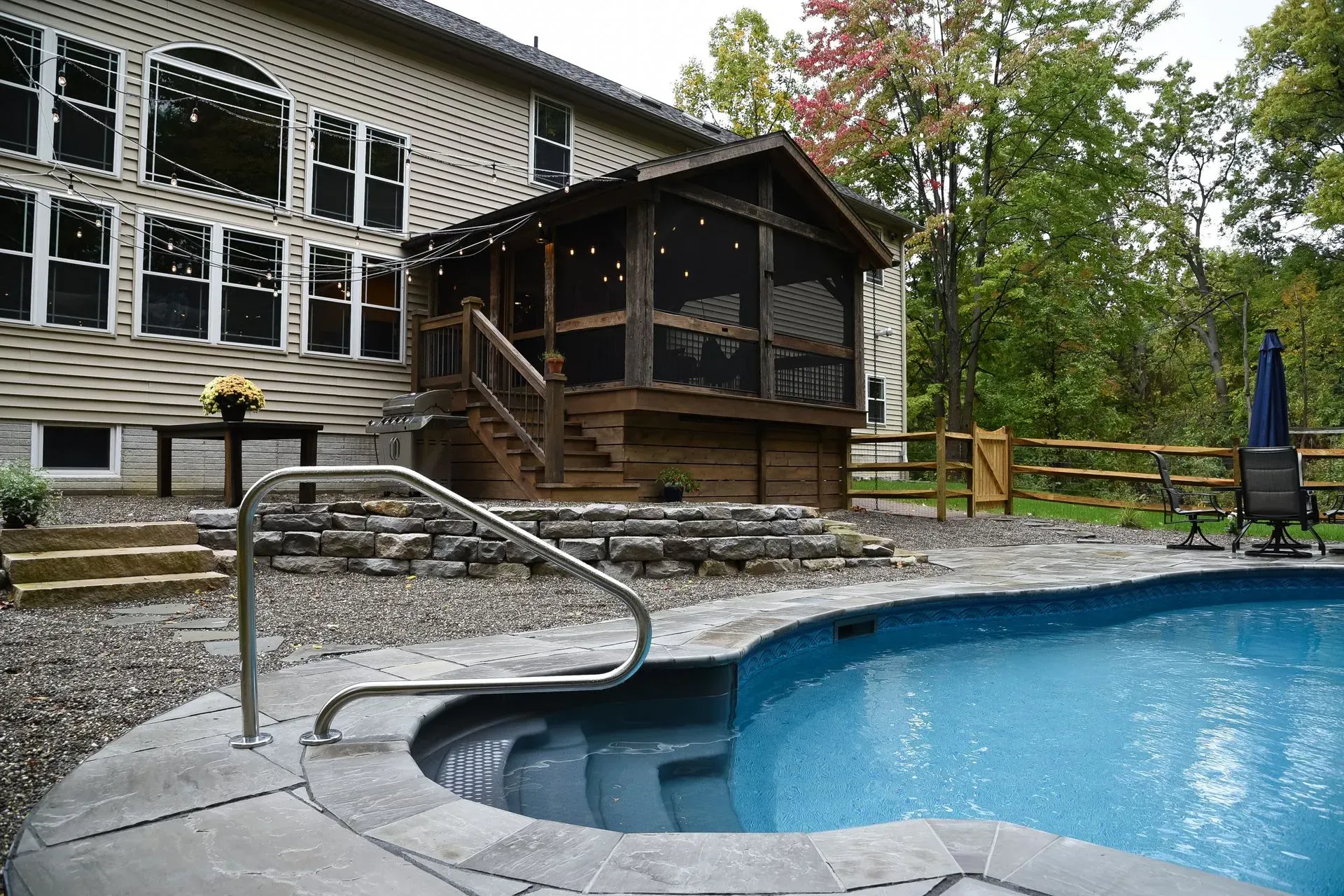
Homeowners often use the terms “sunroom” and “patio enclosure” interchangeably, but they are not the same. While both create enclosed spaces connected to the outdoors, the design, construction, comfort, and long-term performance of each option differ significantly.
Understanding the difference between a professionally designed sunroom addition and a patio enclosure helps homeowners make decisions based on long-term goals rather than short-term convenience.
At Anthony Slabaugh Remodeling & Design, we design sunroom additions as fully integrated extensions of the home. The distinction between structural additions and lighter enclosures is important when considering comfort, usability, and architectural continuity.
What Is a Sunroom Addition?
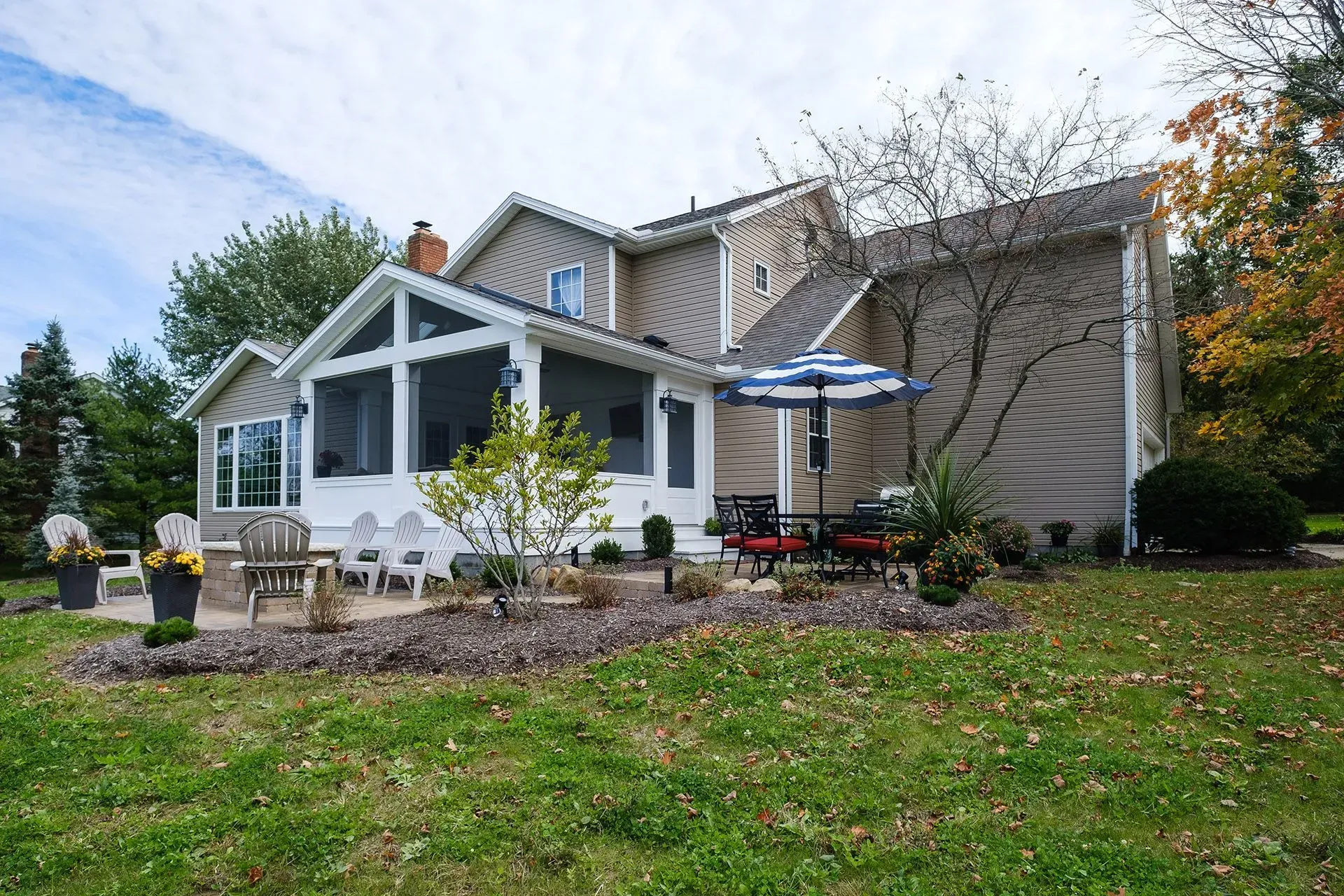
A sunroom addition is a permanent expansion of the home. It is built on a foundation, integrated into the existing structure, and designed to meet structural and energy performance standards similar to other interior living spaces.
Sunroom additions typically include:
- Permanent foundation and framing
- Insulated walls, roof, and floor
- High-performance windows
- Coordinated integration with heating and cooling systems
When designed correctly, a sunroom functions as a true living space rather than a transitional enclosure.
What Is a Patio Enclosure?
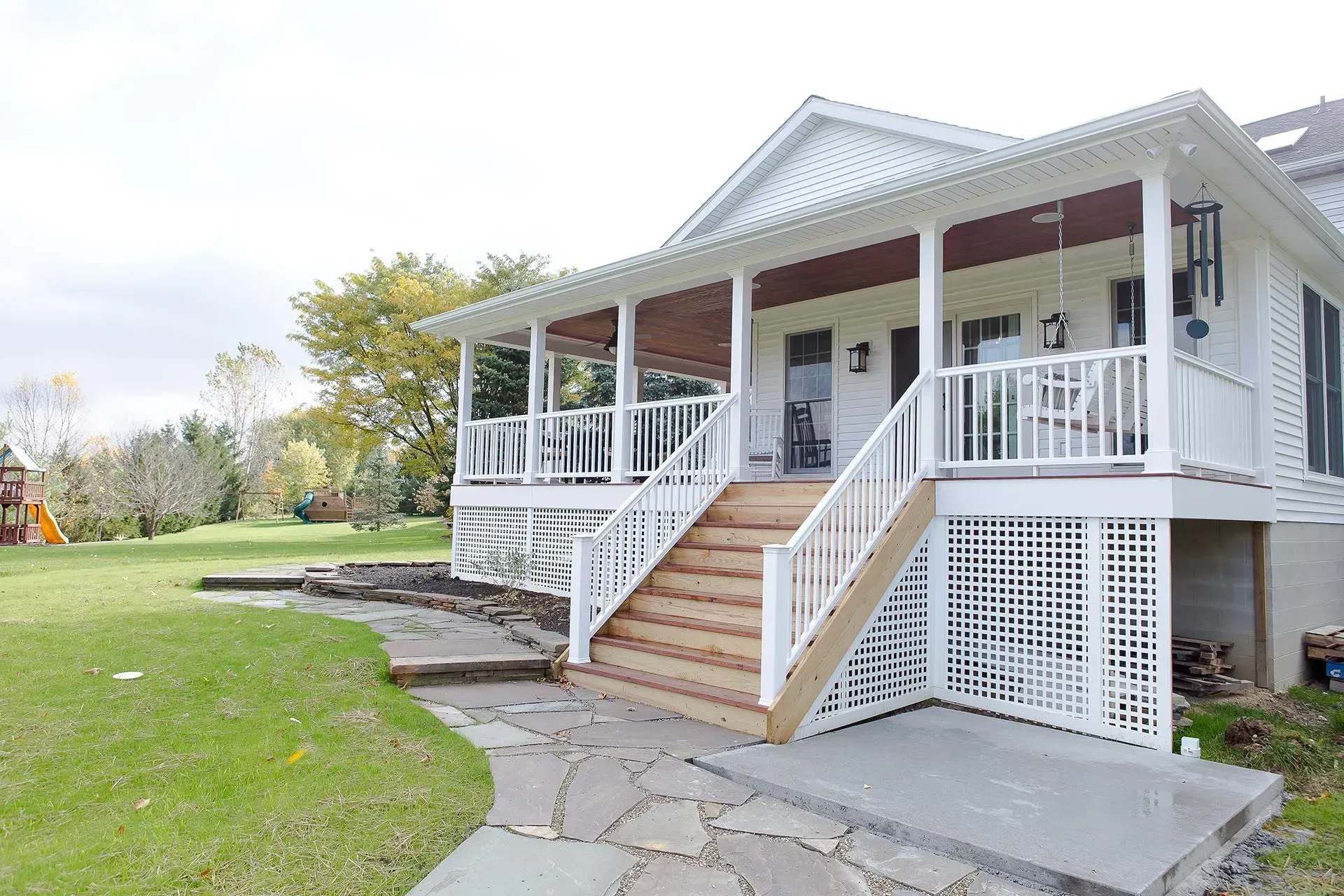
A patio enclosure is typically built onto an existing patio or slab. It often uses lighter framing systems and may not include full insulation or climate integration.
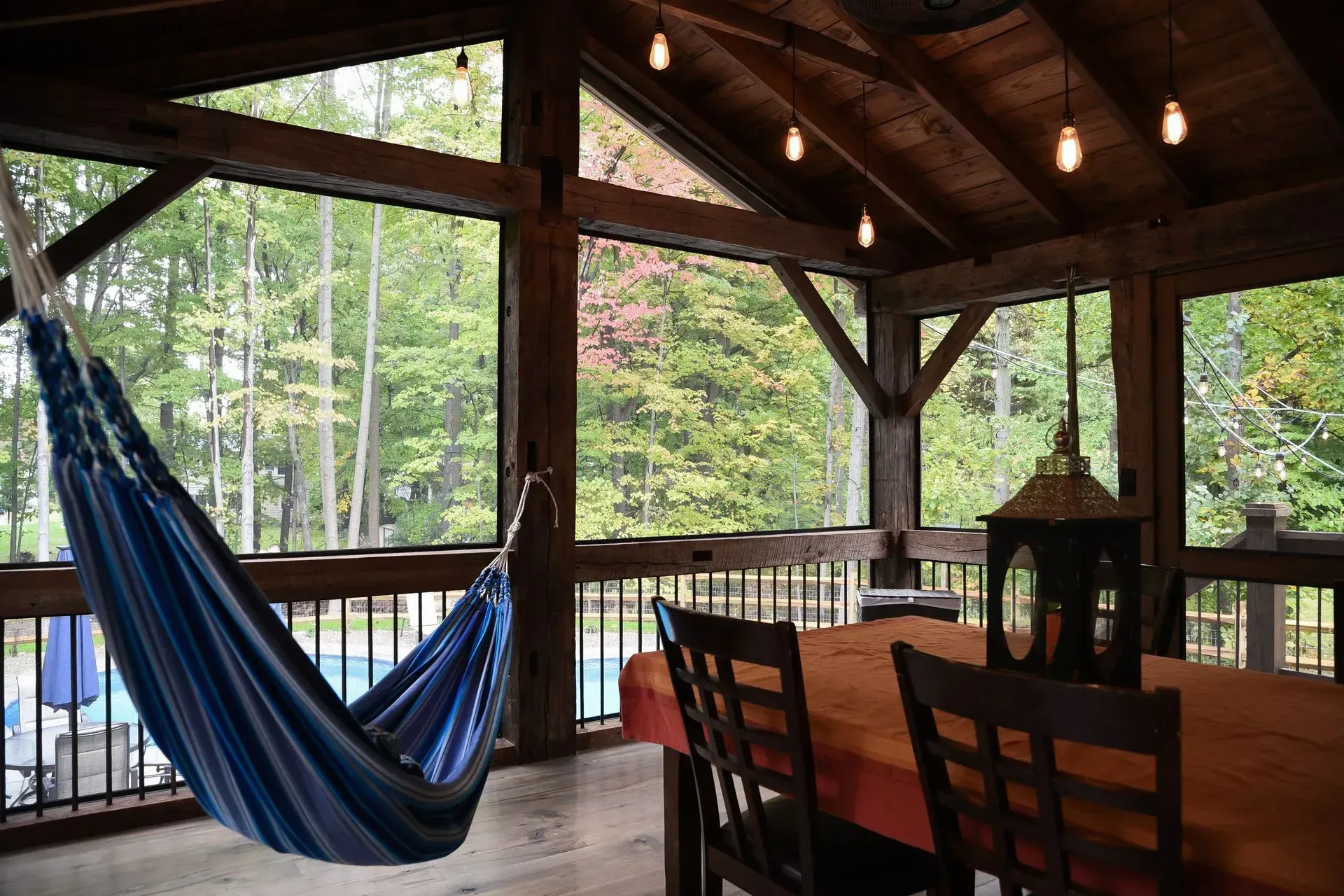
Patio enclosures are commonly designed to provide shelter from weather while maintaining a strong connection to the outdoors. They are often intended for seasonal use rather than year-round living.
While patio enclosures can serve specific needs, they are generally not built to the same structural or comfort standards as a full sunroom addition.
Structural Differences
One of the biggest differences between a sunroom and a patio enclosure is structural integration.
A sunroom addition is engineered to become part of the home’s structure. Rooflines, load paths, and foundations are carefully planned so the new space supports and complements the existing building.
A patio enclosure, by contrast, is often attached to the home but not fully integrated into its structural system. This can limit long-term durability and restrict future modifications.
When evaluating options, structural integrity should be considered alongside aesthetics.
Comfort and Insulation
Comfort is where the difference becomes most noticeable.
A four-season sunroom is insulated and climate-controlled, making it usable throughout the year. Insulation, glazing selection, and HVAC integration all contribute to maintaining stable interior temperatures.
Patio enclosures are typically less insulated and may not be designed for extreme weather conditions. As a result, they are often used primarily during mild seasons.
If daily, year-round use is the goal, comfort planning becomes a deciding factor.
Architectural Integration
A sunroom addition is designed to complement the home’s architecture. Roof slopes, window proportions, exterior materials, and interior transitions are coordinated to maintain visual continuity.
This architectural continuity ensures the addition feels intentional rather than appended.
Patio enclosures, especially prefabricated systems, may not align as seamlessly with the home’s original design. This can affect long-term aesthetic value and overall cohesion.
Long-Term Value and Usability
A sunroom addition typically enhances both lifestyle and property value because it functions as a permanent living space. It expands usable square footage and integrates fully with the home.
Patio enclosures provide more limited usability. While they offer weather protection, they may not contribute to daily living in the same way as a structurally integrated addition.
Planning around long-term goals helps determine which option aligns best with your home and lifestyle.
Sunroom Addition Mistakes at a Glance
| Feature | Sunroom Addition | Patio Enclosure |
|---|---|---|
| Foundation | Permanent | Often existing slab |
| Insulation | Fully insulated (four-season option) | Limited |
| Climate control | Integrated | Minimal or none |
| Architectural integration | Fully coordinated | Often partial |
| Year-round use | Yes (four-season design) | Typically seasonal |
| Structural complexity | Engineered expansion | Light attachment |
When a Sunroom Addition Makes More Sense
A sunroom addition is often the better choice when:
- The space will be used daily
- Year-round comfort is a priority
- Architectural continuity matters
- Long-term value and durability are important
Because it becomes part of the home’s structure, a sunroom supports evolving needs over time.
When a Patio Enclosure May Be Appropriate
A patio enclosure may work when:
- Seasonal use is sufficient
- The goal is simple weather protection
- Structural expansion is not desired
The key is aligning expectations with how the space will actually be used.
Why Planning Matters More Than Labels
The decision between a sunroom and a patio enclosure should not be based solely on terminology. It should be guided by lifestyle goals, comfort expectations, and long-term plans.
At Anthony Slabaugh Remodeling & Design, we approach sunroom additions through a design-build process that ensures structural integrity, architectural continuity, and everyday usability.
For more information about how sunrooms are integrated into the home, visit our Sunroom Additions page to explore design considerations and long-term planning insights.
Sunroom Additions Planning Resources
If you are still exploring your options, these related guides may help:
Frequently Asked Questions
Is a sunroom the same as a patio enclosure?
No. A sunroom addition is a permanent structural expansion, while a patio enclosure is typically lighter and seasonal.
Which option is better for year-round use?
A four-season sunroom is designed for consistent comfort throughout the year.
Do patio enclosures add as much value as sunrooms?
-term usability and integration.
Can a patio enclosure be converted into a sunroom?
Conversion is often complex and may require structural upgrades.
Does Anthony Slabaugh Remodeling & Design build sunroom additions?
Yes. We design sunroom additions through a coordinated design-build process focused on integration and comfort.
Plan the Right Addition for Your Home
Choosing between a sunroom addition and a patio enclosure is about more than cost or appearance. It is about how you want the space to function for years to come.
If you are considering expanding your home and want a space that feels intentional, integrated, and built for long-term comfort, Anthony Slabaugh Remodeling & Design is ready to guide the process.