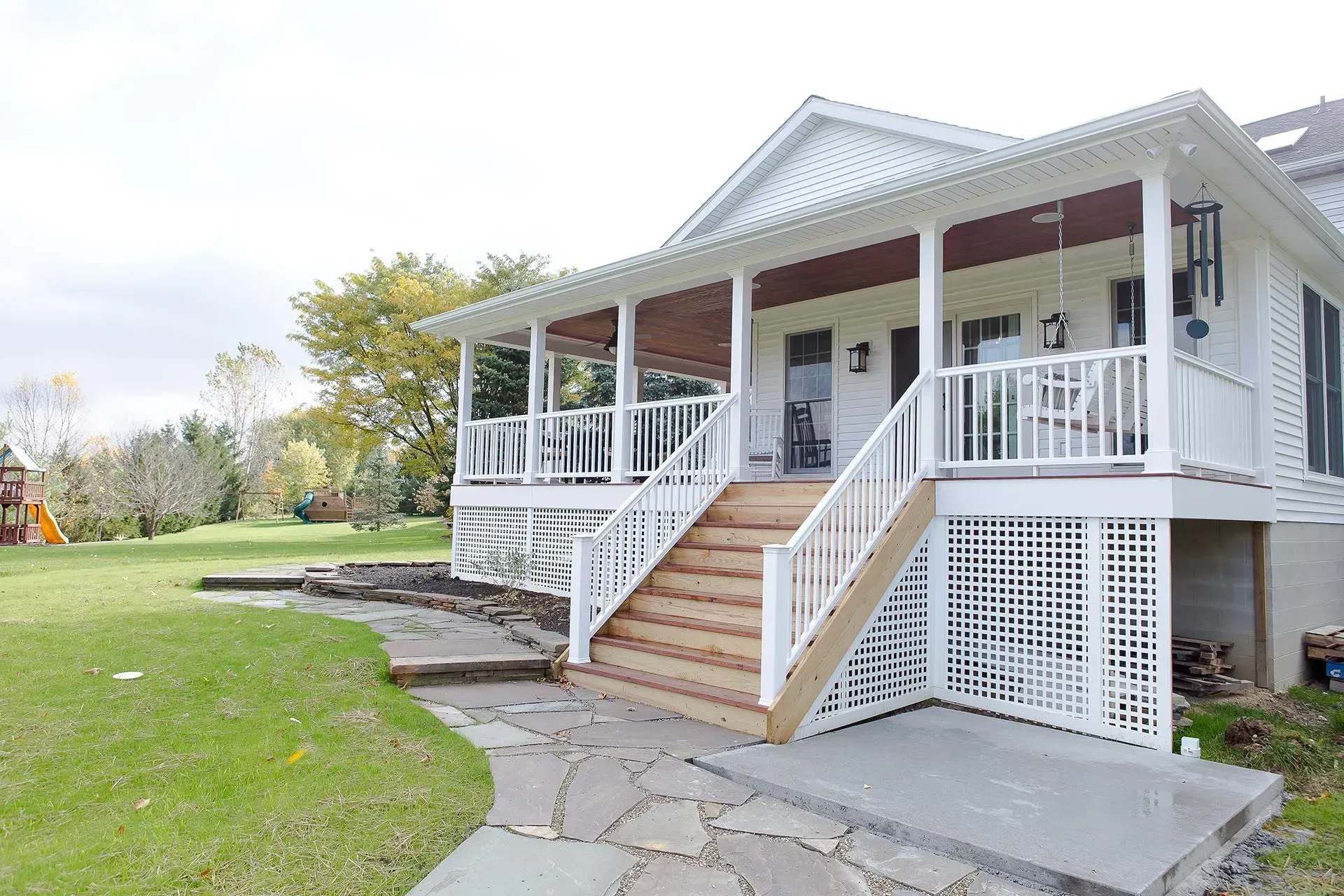

Beautiful architecture rarely feels engineered.
It feels effortless, balanced, and composed. Yet behind every well-proportioned opening, aligned ceiling plane, and cohesive addition lies structural discipline.
Architecture is not separate from structure. It is supported by it.
In Hudson, Akron & surrounding areas, residential renovations that feel refined are guided by structural alignment from the earliest design stages. When structure and architecture advance together, the result feels intentional rather than adjusted.
Beauty is often structural.
Architecture Is Governed by Structural Logic
Architectural drawings describe space. Structural planning defines how that space stands.
Behind visually balanced interiors are rules that govern:
- Load transfer
- Span limitation
- Vertical alignment
- Foundation capacity
- Framing orientation
When these conditions are understood during architectural planning, design solutions feel resolved rather than compromised.
Structural alignment in architectural design ensures that refinement is supported, not retrofitted.
Where Structure Shapes Design
Structural elements influence architecture in ways homeowners rarely notice consciously.
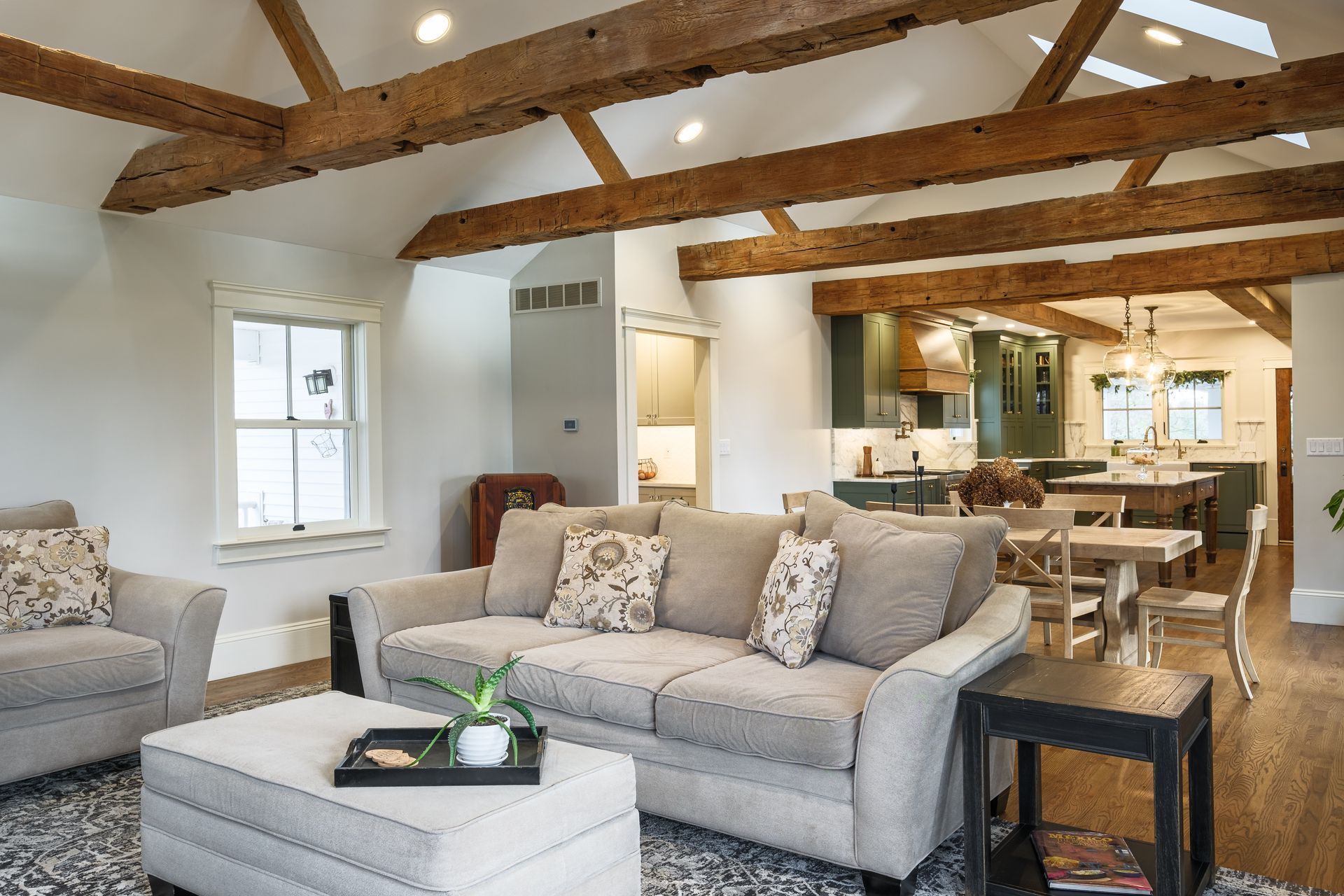
Beam depth affects ceiling relationships. Column placement influences circulation rhythm. Framing spans determine opening width. Foundation alignment governs addition integration.
When these elements are not considered early, architecture may appear disjointed or visually strained.
In established communities such as Bath and Chagrin Falls, older framing systems often require recalibration before architectural modifications can be executed seamlessly.
Structural awareness protects architectural continuity.
Structural Alignment Principles in Residential Design
Certain structural principles consistently guide refined architectural outcomes:
- Vertical alignment between floors
- Balanced load paths that support larger openings
- Even distribution of structural mass
- Coordinated framing across old and new sections
- Integration of support within architectural detailing
These principles operate quietly. When followed, they create architectural calm.
When ignored, subtle imbalance emerges.
How Structure Supports Architectural Refinement
| Structural Consideration | Architectural Impact | Long-Term Result |
|---|---|---|
| Beam integration | Maintains ceiling continuity | Visual cohesion |
| Load path alignment | Allows expanded openings | Proportional balance |
| Framing coordination | Aligns room relationships | Stable transitions |
| Foundation review | Supports additions seamlessly | Structural longevity |
| Vertical stacking | Preserves spatial rhythm | Cohesive design language |
Structure protects proportion.
Design-Build Integration as a Strategic Advantage
When architecture and engineering are separated, structural constraints often surface after design decisions are made. This can lead to revision, compromise, or reactive adjustments.
Within an integrated design-build framework, structural evaluation informs architectural planning from the outset.
Anthony Slabaugh Remodeling & Design approaches residential architectural design with structural alignment embedded into the process. Load paths, span feasibility, ceiling planes, and framing relationships are studied alongside spatial refinement.
The result is architecture that feels resolved because it is structurally grounded.
For a broader overview of our design philosophy, visit our Residential Architectural Design page.
You may also find our article on Residential Architectural Proportion helpful for understanding how balance and alignment intersect.
Why Homeowners Rarely See Structural Success
Homeowners notice finishes. They experience proportion. They rarely see the framing behind walls.
Yet structural misalignment reveals itself over time through subtle shifts, uneven transitions, or compromised layout potential.
When structural rules guide design from the beginning, the home ages gracefully and adapts more easily to future change.
Invisible discipline creates visible refinement.
Frequently Asked Questions
What is structural alignment in architectural design?
It refers to coordinating structural systems with architectural planning so that load paths, framing, and spatial design align seamlessly.
Does every renovation require structural alignment review?
Significant renovations involving layout changes, additions, or opening expansion benefit from structural evaluation during design.
Can structural issues affect architectural appearance?
Yes. Beam depth, span limits, and column placement can influence ceiling height, opening scale, and spatial rhythm.
Is structural alignment part of design or engineering?
It is both. Effective residential design integrates architectural and structural planning simultaneously.
When should structural alignment be evaluated?
At the earliest stages of architectural design, before drawings are finalized and construction begins.
Where Structure and Architecture Meet
Refined architecture is not accidental.
It is shaped by structural alignment that supports proportion, balance, and seamless transitions.
Anthony Slabaugh Remodeling & Design works with homeowners in Hudson, Akron & surrounding areas to ensure that residential architectural design is grounded in structural discipline and executed through coordinated design-build planning.
If you are planning a renovation and want architectural beauty supported by structural clarity, begin with a design conversation that integrates both from the start.