
A primary suite should feel like a retreat within the home. It is where each day begins and ends, and its design has a direct impact on comfort, privacy, and daily routine. When thoughtfully planned, a primary suite addition enhances not just space, but quality of living.
At Anthony Slabaugh Remodeling & Design, we approach primary suite design as more than a bedroom expansion. Through our coordinated design-build process, we help homeowners plan suites that feel intentional, balanced, and seamlessly integrated into the home’s architecture.
Designing the perfect primary suite starts with asking the right questions before construction begins.
Start With Lifestyle, Not Square Footage
The most common misconception about primary suite design is that size alone determines comfort. While space matters, layout and flow are far more important.
Before defining dimensions, homeowners should consider:
- How much privacy is desired from main living areas
- Whether the suite should include a sitting area
- How closet storage needs are currently handled
- Whether long-term accessibility should be included
A well-planned suite can feel spacious without unnecessary square footage. Proportion, circulation, and usability drive comfort more than raw size.
Prioritize Privacy and Placement
Location within the home significantly influences how the suite feels.
A primary suite should feel separate enough to provide quiet retreat while still maintaining logical access to other areas of the house. Placement often depends on structural feasibility, property layout, and how the home currently flows.
Privacy is achieved not only through distance but also through sound separation, thoughtful hallway transitions, and intentional entry positioning.
Design the Bathroom as Part of the Whole
In a primary suite, the bathroom is not an afterthought. It is an integral component of the overall experience.
Layout decisions should consider:
- Clear circulation between bedroom and bath
- Balanced vanity placement
- Shower and soaking areas designed for comfort
- Storage that supports daily routines
Luxury does not require excess. It requires thoughtful proportions and high-quality execution. When the bathroom and bedroom are designed together, the suite feels cohesive rather than segmented.
Closet Planning That Supports Daily Life
Closet space plays a major role in daily efficiency. Poorly planned storage can undermine an otherwise well-designed suite.
Closet design should account for:
- Accessible layout
- Organized hanging and shelving systems
- Clear lighting
- Circulation that does not disrupt bedroom flow
A primary suite that supports organization improves comfort every day.
Natural Light and Ambiance
Light influences mood and usability. Window placement must balance daylight with privacy.
Thoughtful primary suite design considers:
- Orientation of the home
- Morning and evening light patterns
- Window scale relative to wall proportions
- Lighting design for nighttime comfort
Natural light should enhance the space without creating glare or temperature imbalance.
Long-Term Flexibility
Many homeowners design primary suites as part of a long-term living plan. Incorporating subtle accessibility features ensures the space adapts over time without sacrificing aesthetics.
This may include:
- Step-free access
- Wider circulation pathways
- Barrier-conscious bathroom design
- Reinforced framing for future adaptability
Designing for longevity protects the investment and supports evolving needs.
Architectural Continuity Matters
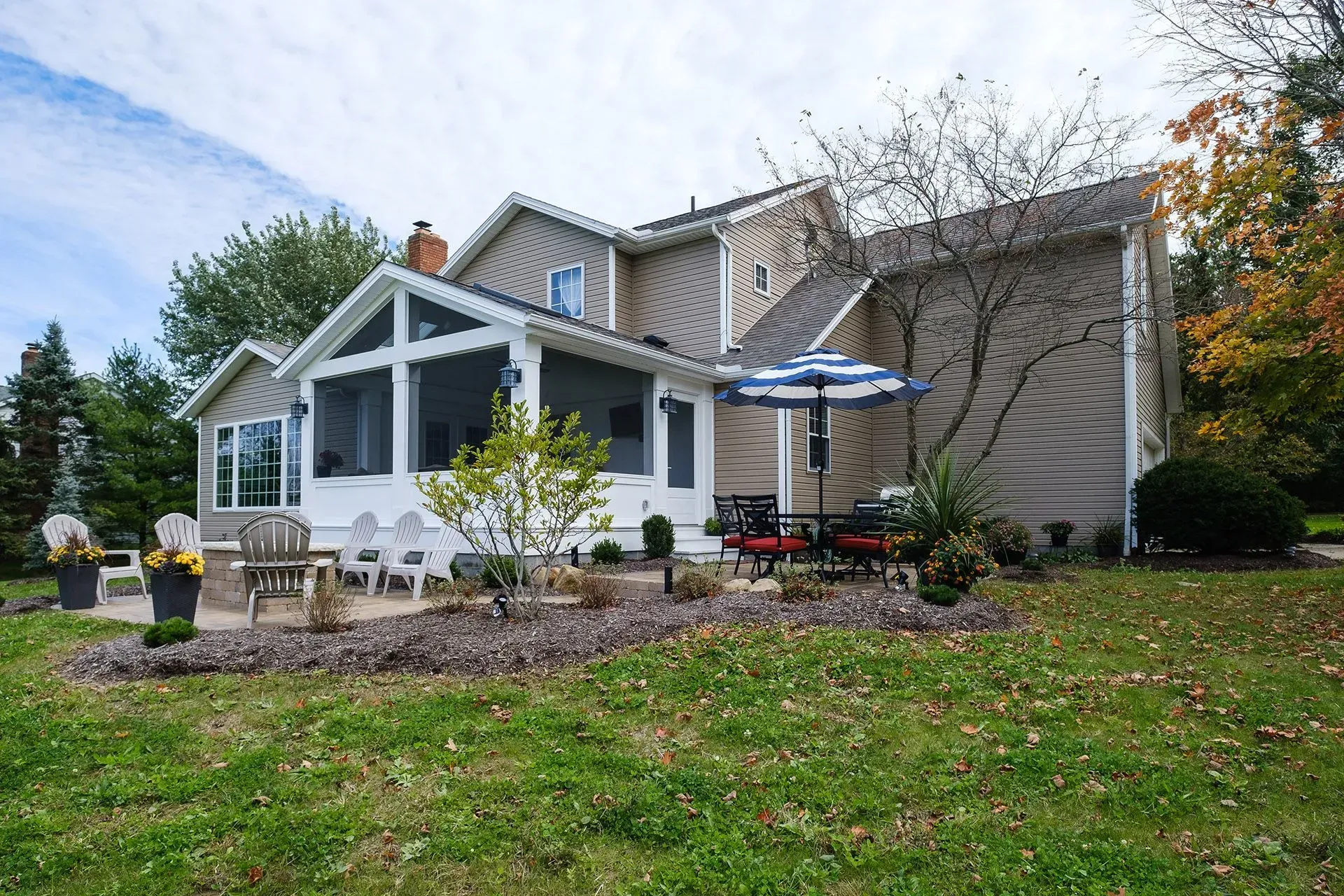
A primary suite addition must respect the original structure of the home. Rooflines, exterior materials, and window proportions should align with existing architecture.
We focus on architectural continuity so the addition feels cohesive from both interior and exterior perspectives.
A well-integrated suite enhances the entire property rather than appearing appended.
Why a Structured Planning Process Is Essential
Primary suite additions require coordination between structure, plumbing, electrical, insulation, and interior design. When these elements are not aligned early, costly changes often occur during construction.
Our design-build approach ensures structural evaluation and interior planning move forward together. This reduces uncertainty and allows homeowners to make confident decisions before building begins.
For more information about how primary suite expansions are planned and integrated, visit our Primary Suite Additions page.
Primary Suite Design Priorities at a Glance
| Design Element | Planning Focus | Long-Term Benefit |
|---|---|---|
| Layout | Daily usability | Functional comfort |
| Privacy | Placement strategy | Restful environment |
| Bathroom integration | Cohesive design | Efficient routines |
| Closet planning | Organized storage | Reduced clutter |
| Architectural continuity | Exterior alignment | Lasting value |
Primary Suite Additions Planning Resources
If you are still exploring your options, these related guides may help:
Frequently Asked Questions
What is the most important part of primary suite design?
Layout and flow have the greatest impact on daily comfort.
Should the bathroom be designed separately from the bedroom?
No. Designing both spaces together ensures cohesion and efficiency.
How much space is ideal for a primary suite?
The ideal size depends on lifestyle needs rather than fixed dimensions
Can a primary suite be designed for aging in place?
Yes. Accessibility features can be integrated subtly during planning.
Does Anthony Slabaugh Remodeling & Design design custom primary suites?
Yes. We design and build primary suite additions through a coordinated design-build process.
Begin Designing a Primary Suite That Reflects How You Live
The perfect primary suite is not defined by trends. It is defined by thoughtful planning, balanced design, and long-term comfort.
If you are considering a primary suite addition and want guidance grounded in experience and architectural integration, Anthony Slabaugh Remodeling & Design is ready to help.