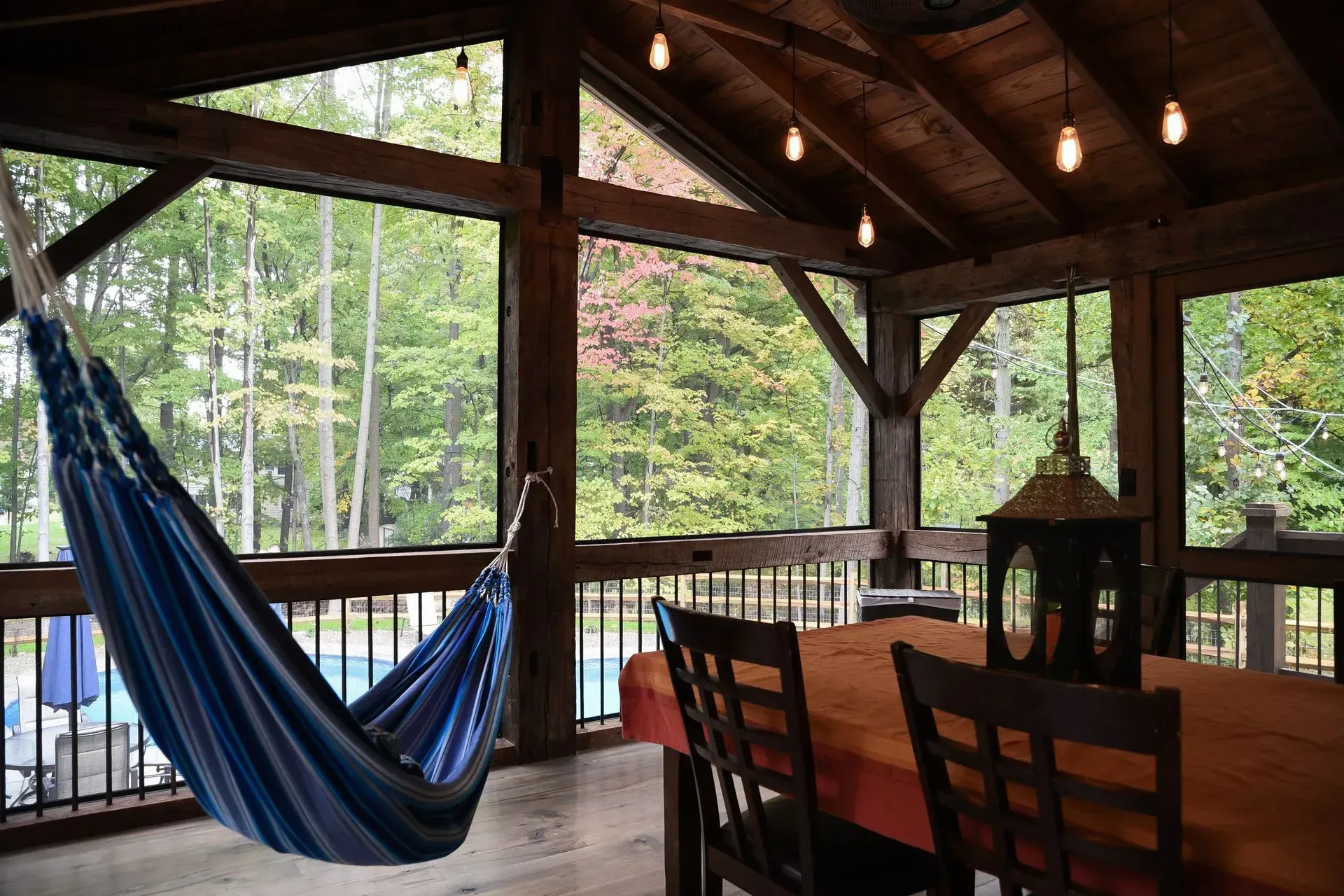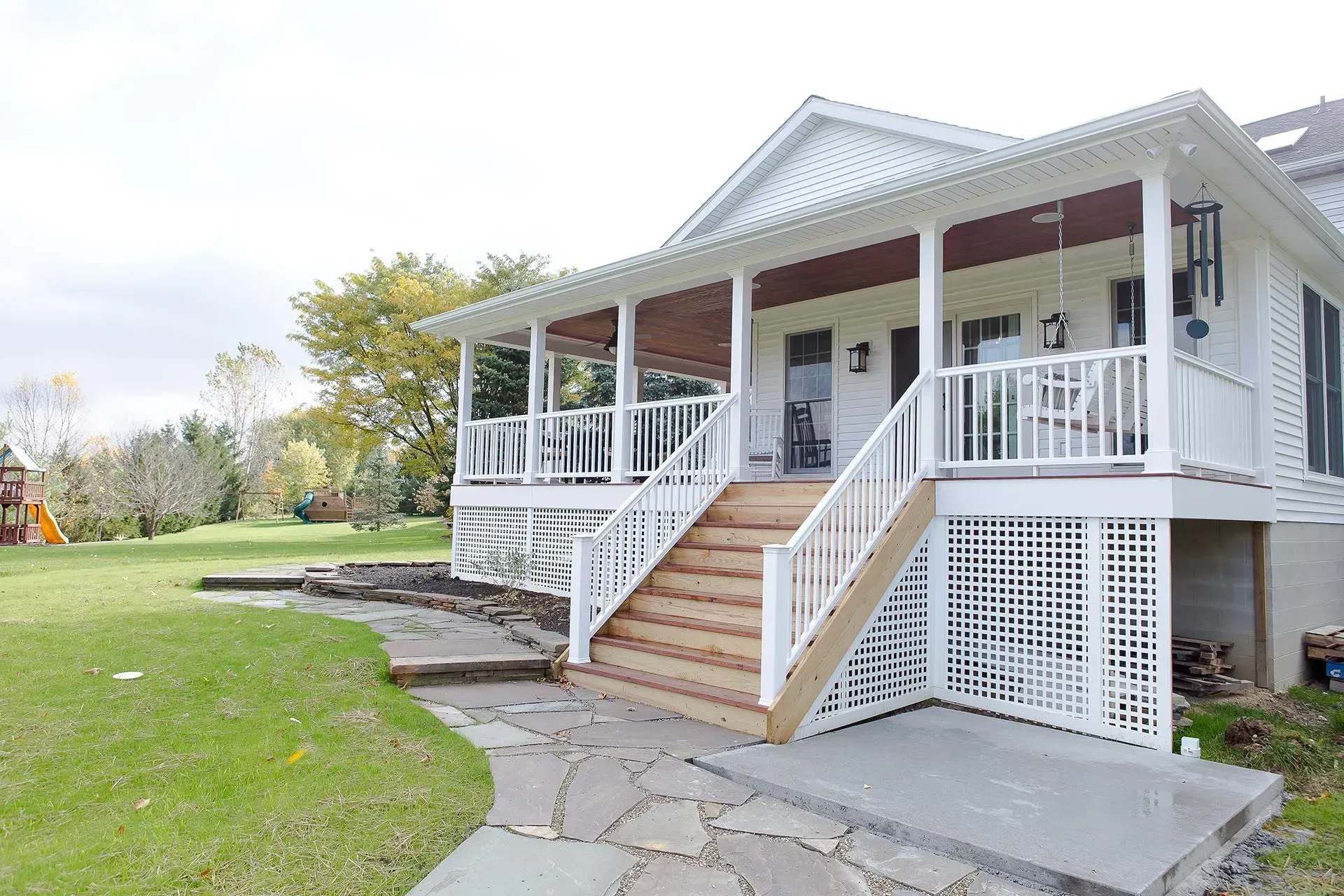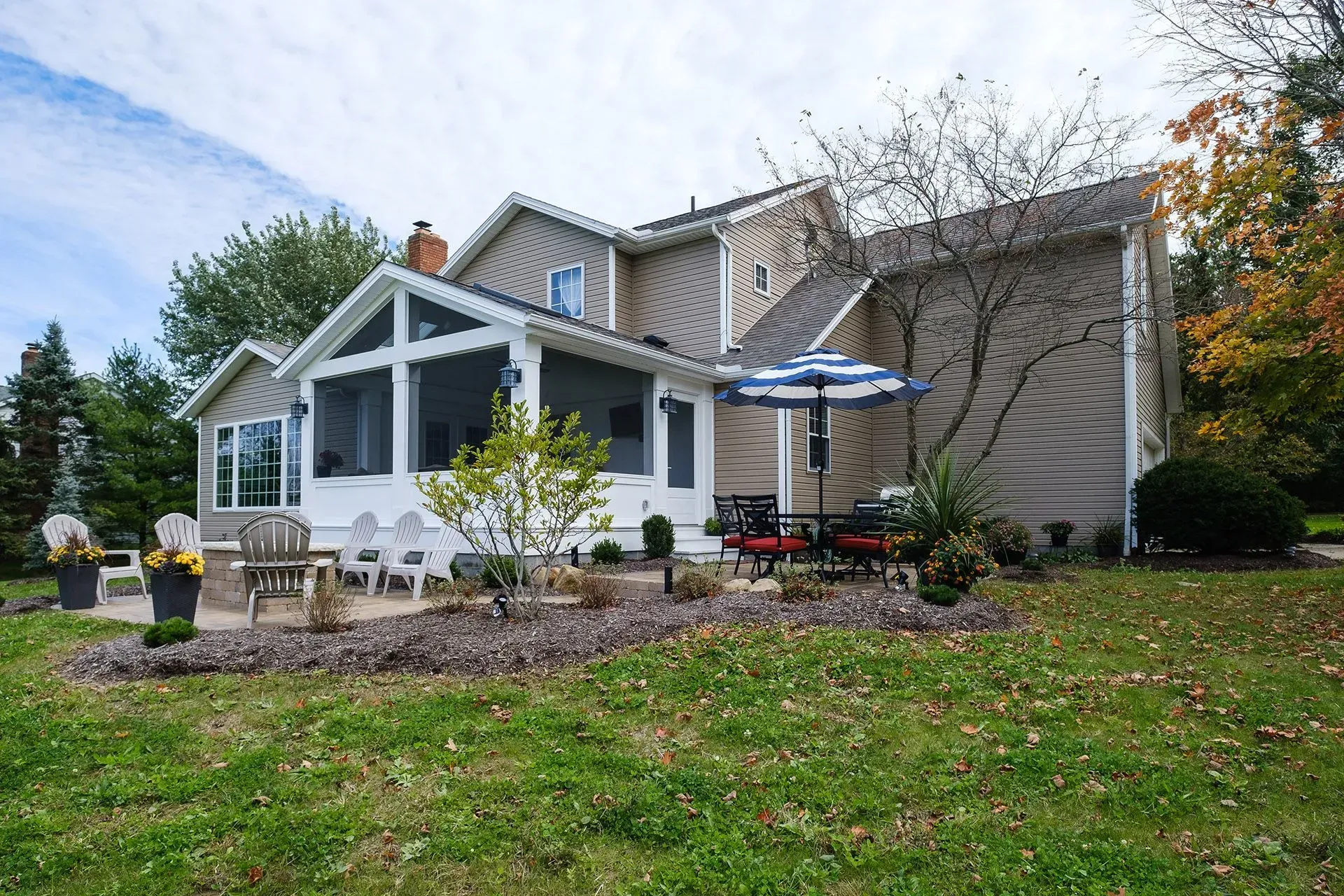

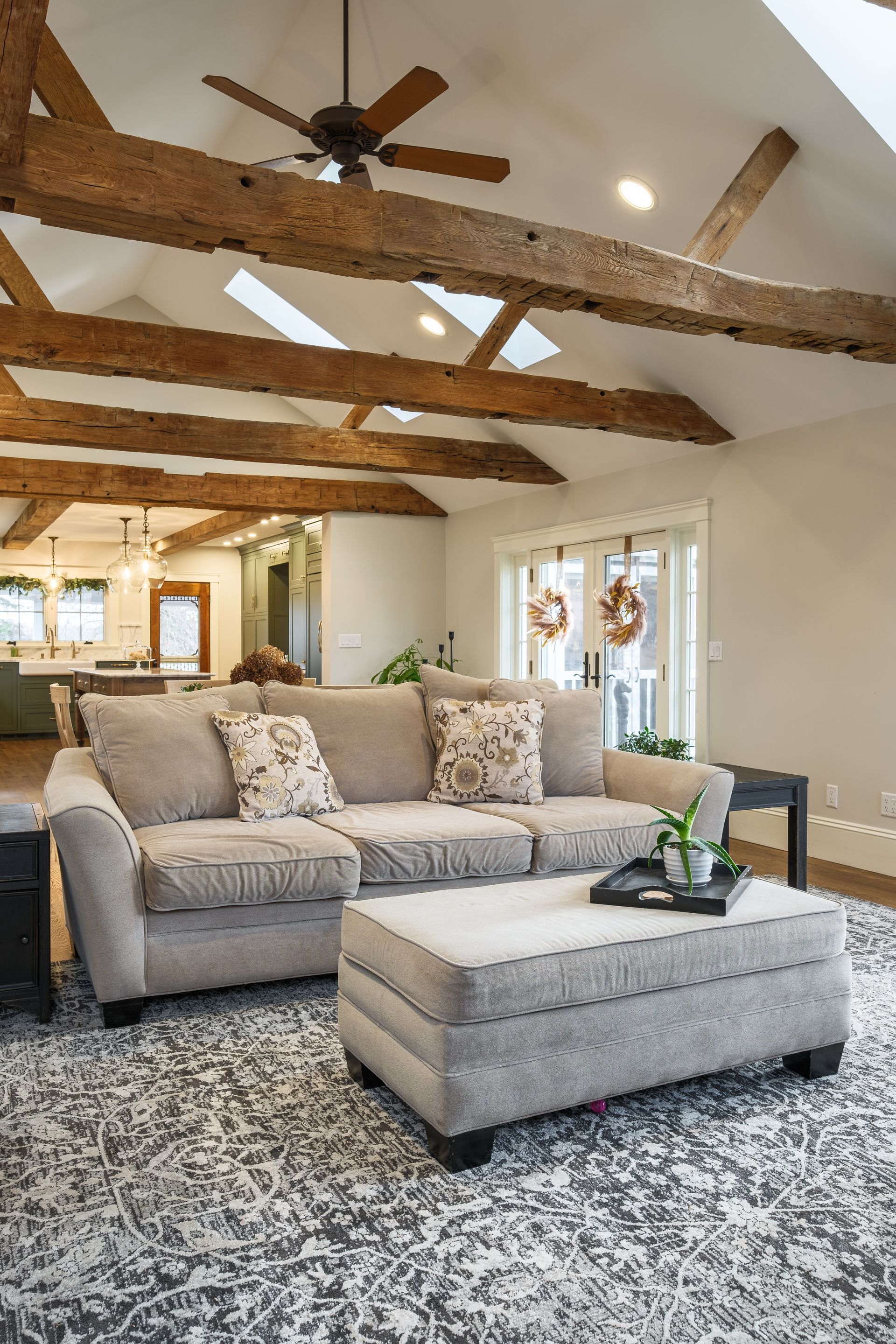
A primary suite addition can be more than a luxury upgrade. For many homeowners, it is a long-term investment in comfort, independence, and the ability to remain in the home they love for decades to come.
Designing a primary suite addition for aging in place requires more than adding square footage. It involves thoughtful planning around accessibility, circulation, safety, and adaptability. When done correctly, the space feels refined and comfortable today while quietly supporting long-term living needs in the future.
At Anthony Slabaugh Remodeling & Design, we approach aging-in-place primary suite additions through a design-build process that aligns layout, structure, and usability from the start. Homeowners throughout Hudson, Fairlawn, Akron, Bath, Stow, Chagrin Falls, and surrounding communities rely on our team to create spaces that balance privacy with long-term practicality.
Why a Primary Suite Is Central to Aging in Place
As mobility and daily routines evolve, stairs, narrow hallways, and distant bedrooms can become obstacles. A thoughtfully designed primary suite addition located on the main level can remove many of those challenges before they become urgent.
Aging-in-place primary suites allow homeowners to:
- Reduce or eliminate reliance on stairs
- Maintain independence without major future renovations
- Create separation from active family areas
- Improve daily comfort and accessibility
Instead of reacting to future limitations, homeowners can plan proactively, ensuring their home supports them through every stage of life.
Location Matters More Than Size
One of the most important decisions in an aging-in-place primary suite addition is placement. The suite should connect naturally to the home while offering privacy and ease of access.
Main-level placement is often ideal, particularly when it allows:
- Direct access from primary living areas
- Minimal thresholds or elevation changes
- Logical bathroom positioning
- Quiet separation from high-traffic spaces
A well-placed suite feels intentional rather than appended. It integrates into the home’s overall flow while supporting long-term accessibility goals.
Designing for Accessibility Without Sacrificing Style
Aging-in-place design does not mean institutional aesthetics. A primary suite can be elegant, comfortable, and architecturally cohesive while still incorporating smart accessibility features.
Key design considerations often include:
- Step-free or low-threshold entry
- Wider doorways for easier movement
- Clear circulation paths around the bed
- Reinforced bathroom walls for future support features
- Thoughtful lighting that reduces glare and shadow
When these elements are incorporated early, they blend seamlessly into the design rather than appearing retrofitted later.
Bathroom Design Is Critical in Aging-in-Place Suites
In many aging-in-place primary suite additions, the bathroom requires the most detailed planning. Safety, accessibility, and ease of maintenance must be carefully balanced.
Important considerations include:
- Curbless or low-entry showers
- Slip-resistant flooring
- Comfortable vanity height
- Ample task lighting
- Strategic placement of plumbing fixtures
The goal is not simply compliance with accessibility standards. It is creating a bathroom that feels comfortable and intuitive to use every day.
For a broader look at layout and comfort planning, our Primary Suite Additions page explains how placement, flow, and design integration influence long-term satisfaction.
Privacy and Independence Within the Home
Aging in place often means sharing the home with adult children or extended family. A primary suite addition can support independence while maintaining connection.
Thoughtful design may include:
- Strategic sound separation
- Private outdoor access
- Defined transition points
- Flexible sitting or reading areas within the suite
Privacy planning ensures the suite supports personal space without isolating the homeowner from the rest of the household.
Long-Term Flexibility and Adaptability
Even well-planned spaces must allow for change. A primary suite addition designed for aging in place should remain flexible enough to adapt as needs evolve.
This may involve:
- Layouts that allow for furniture reconfiguration
- Structural reinforcement for future modifications
- Space for assistive devices without crowding
- Lighting systems that can be adjusted over time
Flexibility protects the investment and reduces the likelihood of costly renovations later.
Investment Considerations for Aging-in-Place Primary Suites
Aging-in-place primary suite additions are typically custom projects integrated into the existing structure. Investment levels vary depending on size, structural requirements, and bathroom complexity.
Costs are influenced by:
- Foundation and structural expansion
- Plumbing and mechanical integration
- Accessibility features
- Material and finish selections
- Exterior architectural integration
Rather than focusing solely on cost per square foot, homeowners benefit from understanding how planning decisions influence both immediate investment and long-term usability.
Design-Build Coordination for Aging-in-Place Additions
Aging-in-place primary suites require coordination between structural planning, interior layout, and long-term performance considerations. Misalignment between design and construction can create safety or usability challenges later.
Through a design-build approach, Anthony Slabaugh Remodeling & Design manages planning, design, and construction under one roof. This integrated model allows:
- Structural feasibility to be evaluated early
- Accessibility to be incorporated seamlessly
- Budget and layout decisions to align
- Clear communication throughout the project
The result is a primary suite that feels cohesive with the home while quietly supporting long-term independence.
Aging-in-Place Primary Suite Planning at a Glance
| Planning Focus | Why It Matters | Long-Term Benefit |
|---|---|---|
| Main-level placement | Reduces stair reliance | Improved accessibility |
| Circulation space | Allows easier movement | Safer daily use |
| Bathroom layout | Supports comfort and safety | Reduced fall risk |
| Lighting design | Improves visibility | Greater daily comfort |
| Structural planning | Enables adaptability | Future-ready flexibility |
Primary Suite Additions Planning Resources
If you are still exploring your options, these related guides may help:
Frequently Asked Questions
What is an aging-in-place primary suite?
An aging-in-place primary suite is a bedroom and bathroom addition designed to support long-term accessibility, comfort, and independence.
Does an aging-in-place suite need to look clinical?
No. Accessibility features can be integrated subtly so the suite feels refined and cohesive.
Is main-floor placement necessary?
For many homeowners, yes. Main-level placement reduces reliance on stairs and simplifies daily routines.
Can a primary suite addition increase long-term home value?
While resale impact varies, flexible and accessible layouts often make homes more attractive to future buyers.
Does Anthony Slabaugh Remodeling & Design specialize in aging-in-place additions?
Yes. We design primary suite additions that balance privacy, comfort, and long-term living through a coordinated design-build process.
Plan a Primary Suite That Supports the Future
Aging in place is about foresight, not limitation. A thoughtfully designed primary suite addition allows homeowners to remain in the home they love while enjoying greater comfort and independence.
If you are considering an aging-in-place primary suite addition, Anthony Slabaugh Remodeling & Design can guide you through planning, design, and construction with clarity and care.