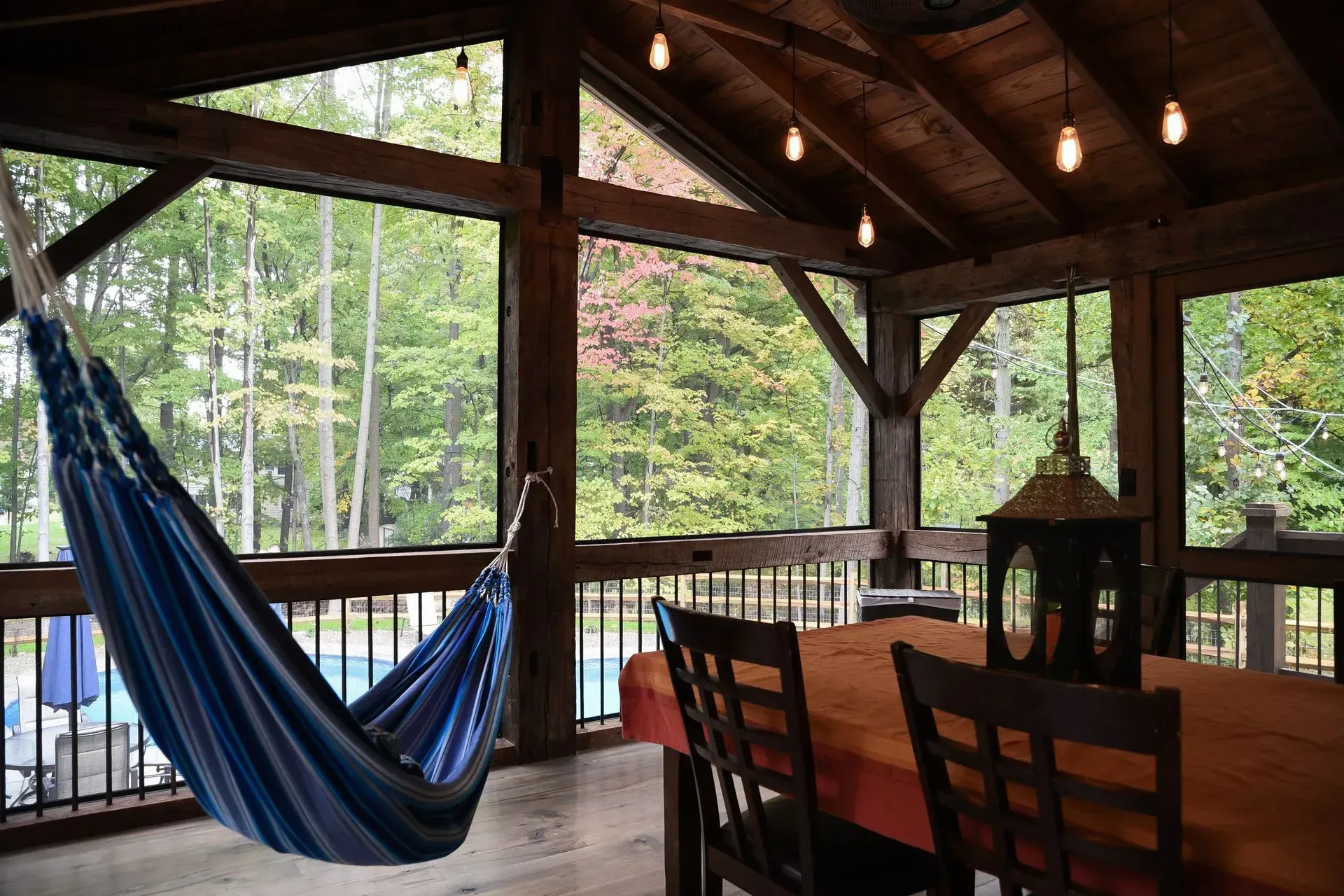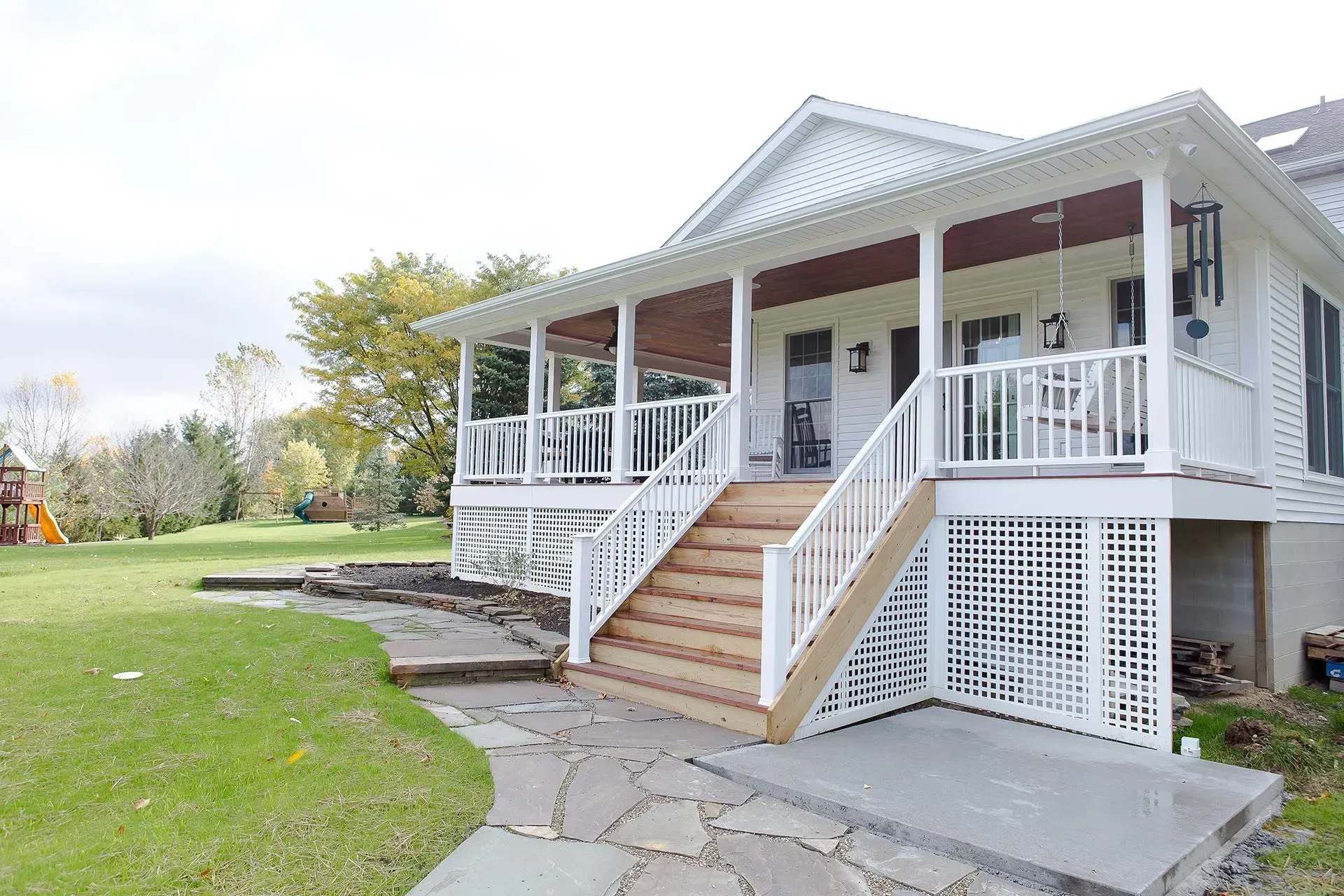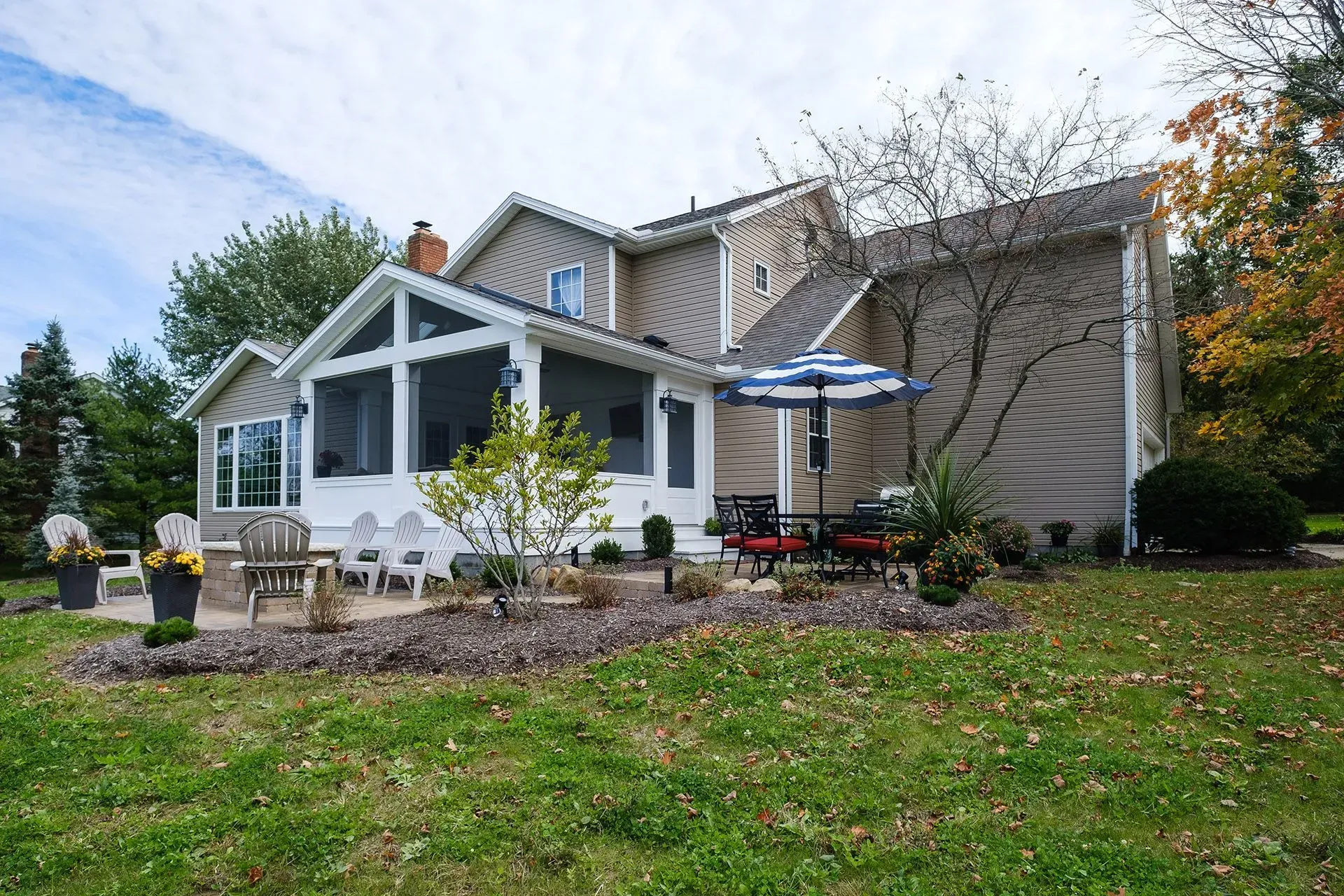

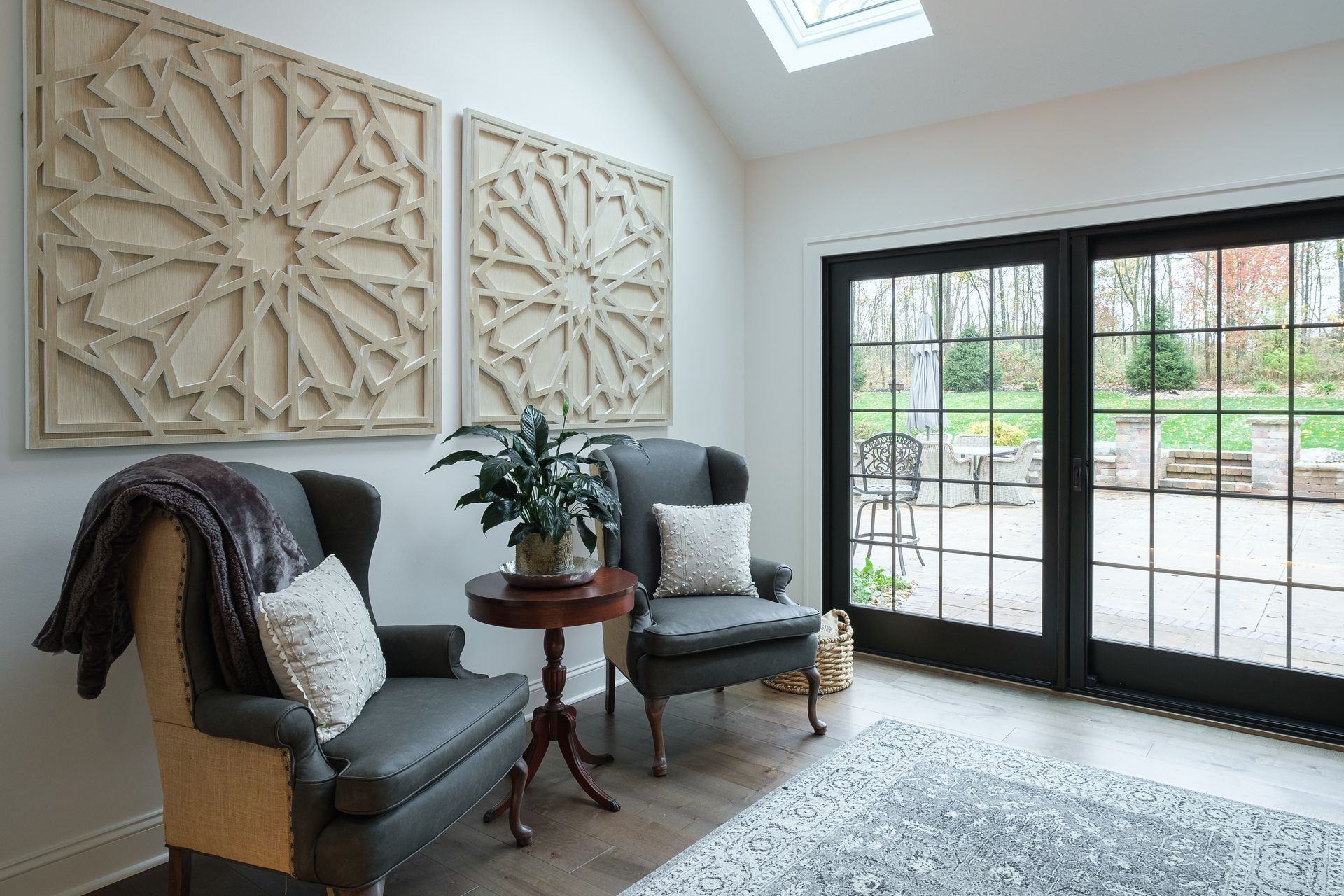
Natural light plays a defining role in how a primary suite feels. The right window placement can create calm mornings, soft evening ambiance, and balanced comfort throughout the day. Poorly positioned windows, however, can introduce glare, privacy concerns, or temperature imbalance.
In a primary suite addition, window planning is not just about adding more glass. It is about designing light intentionally.
At Anthony Slabaugh Remodeling & Design, we integrate daylight planning into the early architectural phase of a primary suite addition. Through our design-build process, window placement is coordinated with structure, layout, and exterior proportions from the start.
Why Window Placement Matters More Than Window Size
Many homeowners assume larger windows automatically create better results. Inreality, orientation and placement matter far more than scale.
When designing primary suite windows, we evaluate:
- Directional exposure to morning or afternoon sun
- Privacy from neighboring homes
- Roofline and structural limitations
- Furniture placement inside the suite
A thoughtfully positioned window can make a room feel open and comfortable without overpowering the space.
Balancing Daylight With Privacy
A primary suite should feel restful and secluded. Windows must allow natural light while maintaining privacy, especially in established neighborhoods.
Design strategies often include:
- Placing windows higher on walls for light without direct sightlines
- Aligning windows with landscaping for natural screening
- Using architectural proportions that respect the home’s exterior
Privacy planning is just as important as daylight planning. When both are considered together, the suite feels calm and secure.
Orientation and Light Quality
Light behaves differently depending on orientation.
- East-facing windows bring gentle morning light
- West-facing windows introduce stronger afternoon sun
- South-facing windows provide consistent brightness
- North-facing windows offer soft, even illumination
In a primary suite addition, understanding how light moves throughout the day helps determine the best placement for sleeping areas, sitting spaces, and vanities.
Daylight should enhance comfort, not disrupt it.
Coordinating Windows With Interior Layout
Window placement influences furniture arrangement, circulation, and overall flow. For example:
- Bed placement should avoid direct glare
- Sitting areas benefit from framed views
- Closet walls require uninterrupted storage surfaces
- Bathroom windows must balance light with discretion
This coordination prevents awkward layouts and ensures the suite feels balanced.
Window decisions should support how the space functions daily.
Energy Performance and Comfort
Natural light improves ambiance, but thermal performance must also be considered. Poorly planned windows can create hot or cold zones that reduce comfort.
During the design-build process, we evaluate:
Insulation integration
- Glazing performance
- Overhangs or roof extensions
- Air sealing and moisture management
A well-designed primary suite maintains consistent comfort throughout the seasons without relying excessively on mechanical systems.
Architectural Continuity
Window placement affects the home’s exterior appearance. A primary suite addition must align with existing architectural proportions.
We focus on:
- Matching window scale and spacing
- Aligning sill and header heights
- Maintaining roofline harmony
- Respecting the original massing of the home
Architectural continuity ensures the addition enhances the residence rather than appearing separate.
Supporting Quiet Separation
Primary suites often aim to create a peaceful retreat within the home. Window planning supports this goal by considering:
- Distance from driveways or street noise
- Buffering views from busy areas
- Coordinating with sound insulation strategies
Light should feel restorative, not intrusive.
Window Planning Priorities at a Glance
| Consideration | Planning Focus | Benefit |
|---|---|---|
| Orientation | Sun path awareness | Balanced daylight |
| Privacy | Sightline control | Restful atmosphere |
| Layout coordination | Furniture and circulation | Functional comfort |
| Energy performance | Insulation and glazing | Seasonal consistency |
| Architectural alignment | Exterior proportions | Cohesive appearance |
How Design-Build Improves Window Planning
When window placement is decided without structural coordination, conflicts often arise during construction. Adjustments made late in the process can compromise layout or exterior aesthetics.
Through our integrated design-build approach, window placement is finalized alongside framing plans, roof structure, and mechanical considerations. This ensures alignment between vision and execution.
To learn more about how we approach comprehensive planning, visit our Primary Suite Additions page
Primary Suite Additions Planning Resources
If you are still exploring your options, these related guides may help:
Frequently Asked Questions
How many windows should a primary suite addition include?
The ideal number depends on orientation, privacy needs, and room layout rather than a fixed standard.
Are larger windows always better?
Not necessarily. Placement and proportion matter more than size alone.
How do you protect privacy in a primary suite addition?
Window height, landscaping, and strategic orientation help maintain discretion.
Can natural light improve resale value?
Homes with balanced daylight often feel more inviting and comfortable to future buyers.
Does Anthony Slabaugh Remodeling & Design plan window placement during design?
Yes. Window planning is integrated into our architectural and structural process from the beginning.
Designing Light With Intention
Natural light should enhance how a primary suite feels from morning to evening. Thoughtful window placement supports comfort, privacy, and architectural balance.
If you are considering a primary suite addition and want daylight planning integrated from the start, Anthony Slabaugh Remodeling & Design is ready to guide you.