
A primary suite addition is not just about creating more square footage. Its placement within the home determines how private, quiet, and functional the space will feel for years to come.
When poorly positioned, a primary suite can disrupt circulation, compromise privacy, or feel disconnected from the rest of the home. When thoughtfully placed, it becomes a natural extension of the home - calm, comfortable, and intentionally integrated.
At Anthony Slabaugh Remodeling & Design, primary suite placement is evaluated early in the architectural planning process. Through our design-build approach, we align structural feasibility, interior flow, and long-term livability before construction begins.
Why Placement Matters More Than Size
Many homeowners initially focus on how large their new suite should be. In reality, where it is located has a greater impact on comfort.
Placement influences:
- Privacy from common living areas
- Proximity to children’s bedrooms
- Exposure to noise from garages or streets
- Access to natural light
- How circulation patterns shift throughout the home
A slightly smaller suite placed correctly often feels more luxurious than a large suite in the wrong location.
Common Primary Suite Placement Options
Every home presents different structural and layout possibilities, but several placement strategies are common.
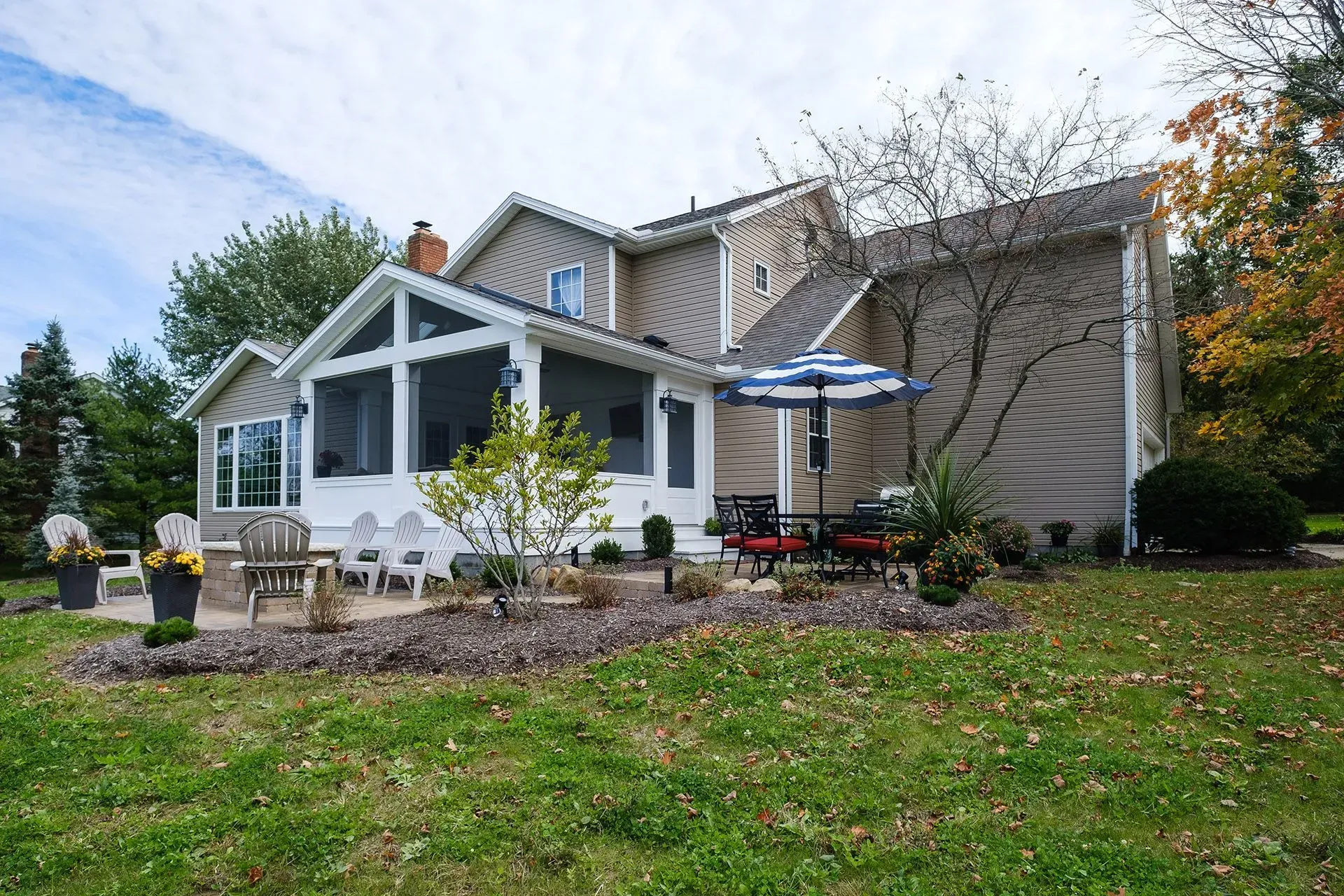
Rear-of-Home Additions
Placing the primary suite at the rear of the home often provides:
- Increased privacy
- Separation from street noise
- Opportunity for larger windows with controlled views
This approach works especially well on deeper lots and homes with strong backyard orientation.
Side-of-Home Expansions
A side addition can preserve backyard space while still creating meaningful separation from common areas. It often requires careful evaluation of setbacks, rooflines, and exterior proportions.
When integrated properly, this placement maintains architectural balance.
First-Floor Relocation
In some homes, converting underutilized space on the main level into a primary suite may be preferable to expanding outward. This option supports aging-in-place goals and enhances accessibility.
Each placement strategy must be evaluated through structural feasibility and long-term functionality.
Protecting Bedroom Privacy
Privacy is one of the most important goals of a primary suite addition. Placement decisions should consider both visual and acoustic separation.
Effective privacy planning includes:
- Buffering the suite from high-traffic areas
- Avoiding shared walls with noisy rooms
- Coordinating window placement with neighboring homes
- Planning hallway transitions intentionally
A primary suite should feel like a retreat, not an extension of the family room.
Considering Interior Flow
Adding a primary suite changes how people move through a home. Poor placement can create awkward corridors or isolated rooms.
Thoughtful planning ensures:
- Logical access from main living areas
- Clear separation without disconnection
- Balanced transitions between old and new spaces
Flow should feel intuitive. The addition should enhance the home’s layout rather than disrupt it.
Structural and Architectural Factors
Not every part of a home can support a primary suite addition equally. Structural elements such as load-bearing walls, foundation capacity, and roof configuration influence placement options.
Exterior considerations also matter. We evaluate:
- Roofline continuity
- Window alignment
- Massing and scale
- Material transitions
Architectural continuity ensures the new suite feels original to the home rather than appended.
Planning for Long-Term Living
Placement decisions should consider how the suite will function over time. If aging in place is a goal, minimizing stairs and improving accessibility may guide placement strategy.
A well-positioned primary suite supports:
- Daily convenience
- Reduced travel distance within the home
- Adaptability for future mobility needs
Long-term comfort begins with smart placement.
Primary Suite Placement Considerations at a Glance
| Planning Focus | Why It Matters | Long-Term Benefit |
|---|---|---|
| Privacy buffer | Reduces noise and interruption | Restful retreat |
| Circulation flow | Maintains intuitive movement | Daily comfort |
| Structural feasibility | Prevents redesign during construction | Project efficiency |
| Exterior integration | Preserves architectural character | Cohesive appearance |
| Accessibility | Supports aging in place | Future readiness |
How Design-Build Improves Placement Decisions
When placement is decided without structural input, revisions often occur mid-project. That can increase cost and compromise layout.
Our design-build process evaluates structure, architecture, and lifestyle goals simultaneously. This allows placement to be confirmed before construction begins, reducing surprises and ensuring the addition aligns with the overall vision.
To explore how placement fits into broader planning, visit our Primary Suite Additions page.
Primary Suite Additions Planning Resources
If you are still exploring your options, these related guides may help:
Frequently Asked Questions
Where is the best place to add a primary suite?
The best location depends on privacy goals, structural feasibility, and how the home currently flows.
Is rear placement always better for privacy?
Rear placement often improves separation, but every property must be evaluated individually.
Can a primary suite be added to the front of the home?
Yes, but exterior proportions and neighborhood context must be carefully considered.
Does placement affect cost?
Yes. Structural complexity, foundation requirements, and roof integration can influence investment levels.
Does Anthony Slabaugh Remodeling & Design help determine placement feasibility?
Yes. Placement evaluation is a core part of our design-build planning process.
Planning Placement With Intention
A primary suite addition should feel private, integrated, and architecturally balanced. The right placement transforms the experience of the home rather than simply adding square footage.
If you are considering a primary suite addition and want guidance on placement, privacy, and long-term functionality, Anthony Slabaugh Remodeling & Design is ready to help.