
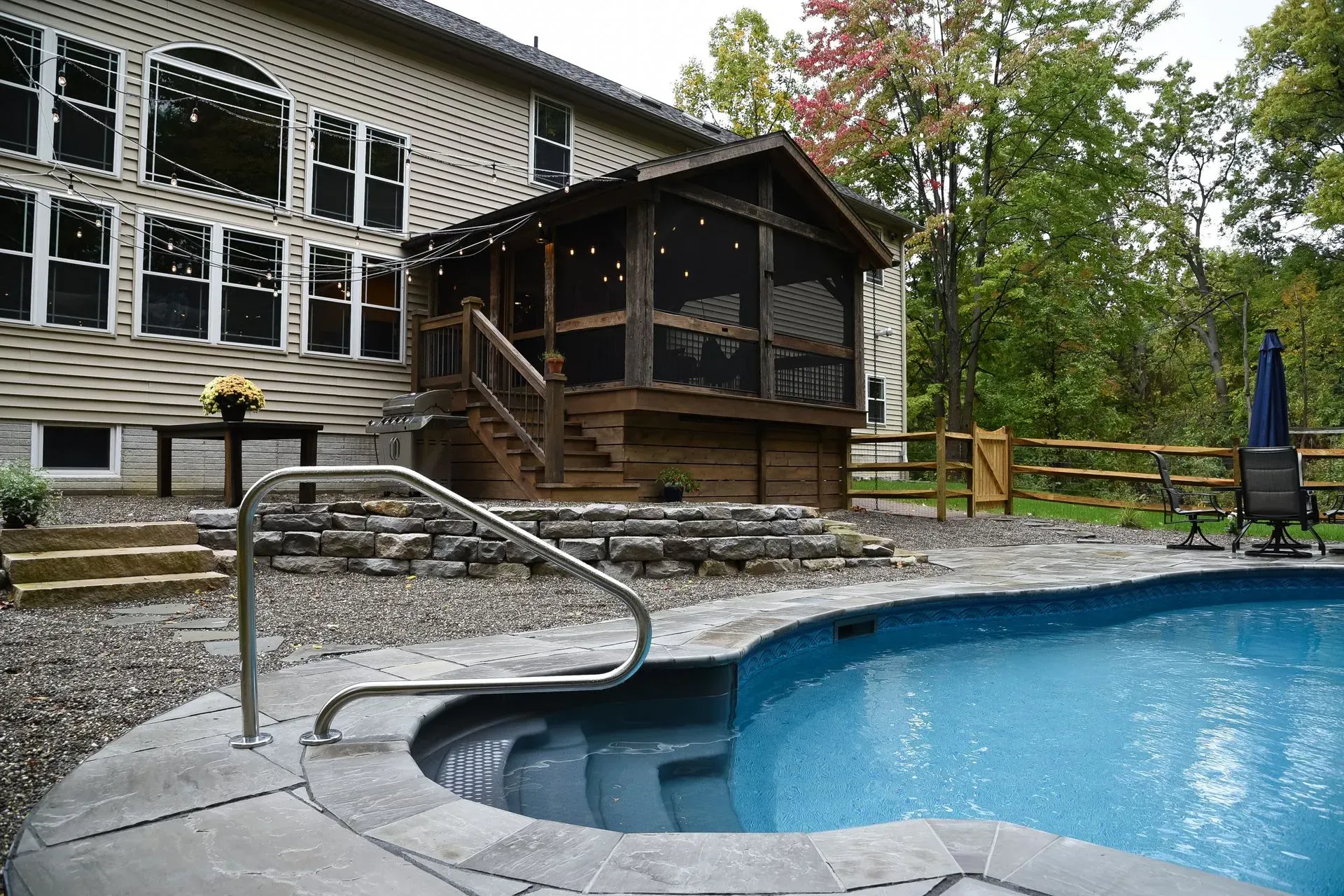
Exterior Renderings for Additions: How Visualization Protects Architectural Continuity

A home addition should feel intentional, not attached.


Yet many additions reveal themselves immediately. Rooflines misalign. Window proportions shift. Exterior mass feels disconnected from the original structure.


These issues are rarely caused by poor construction. They are usually the result of insufficient visualization before building begins.


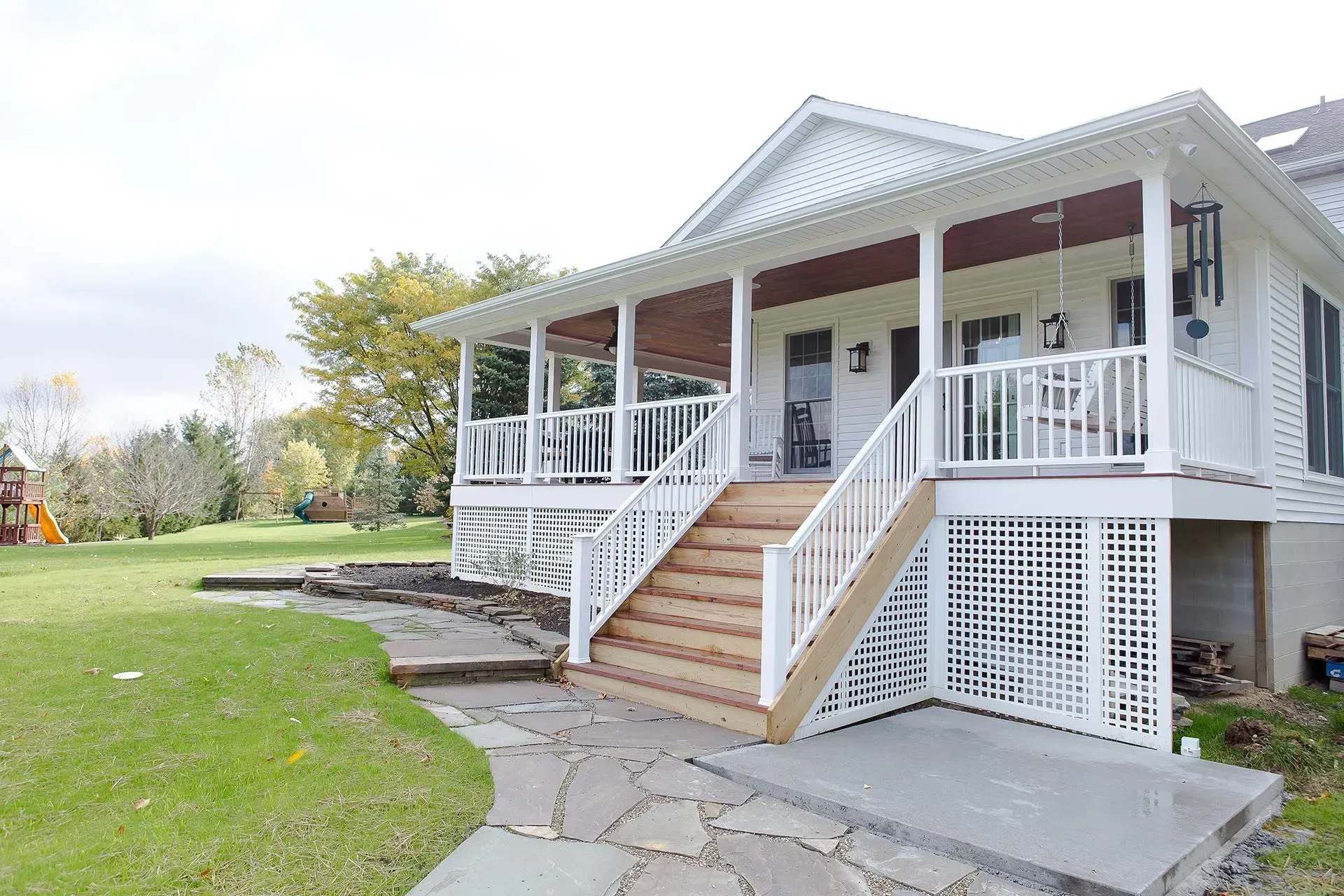
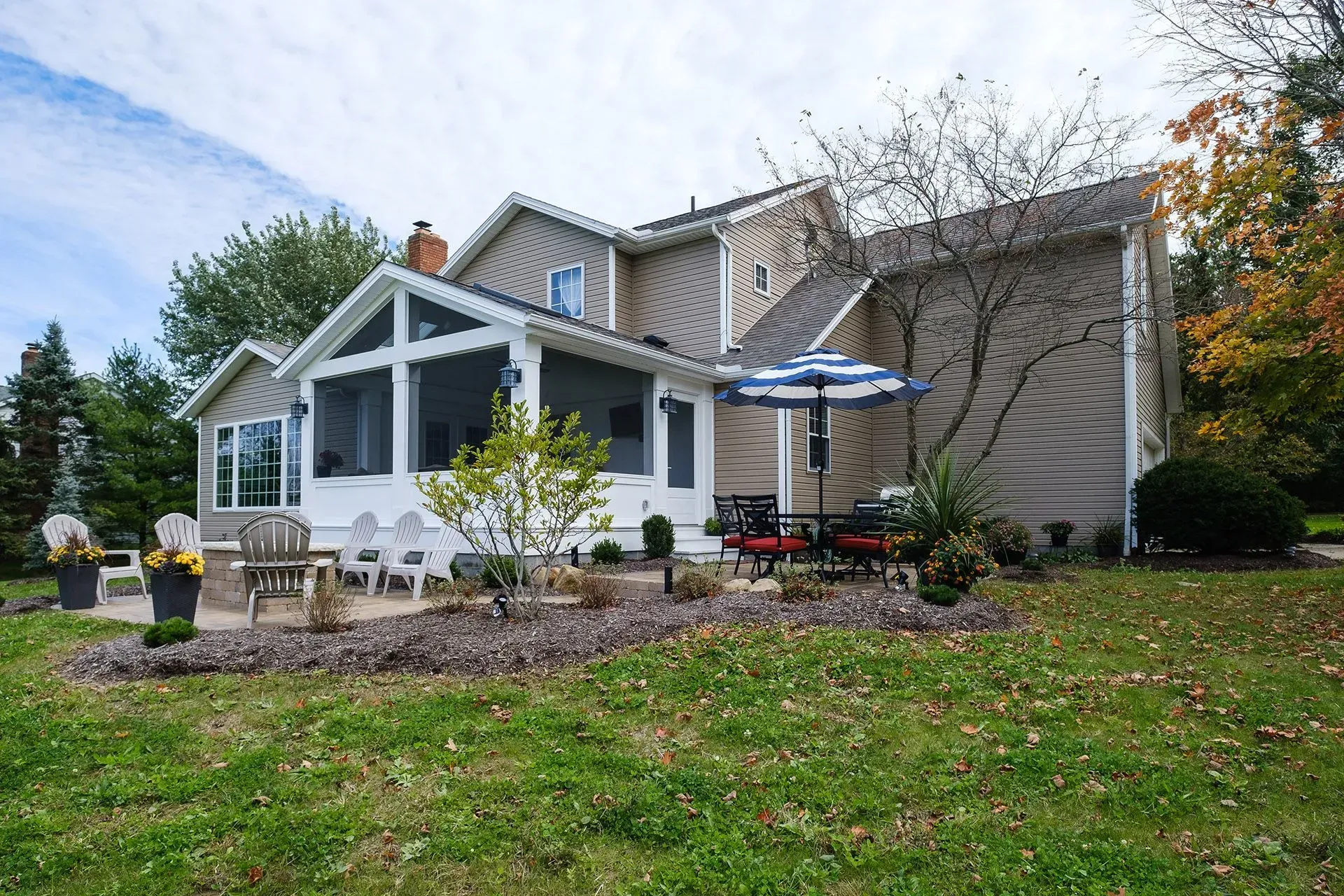
Exterior rendering for home additions allows homeowners to evaluate architectural continuity in three dimensions before framing starts.


In Hudson, Akron & surrounding areas, where many homes carry distinct architectural character, exterior visualization has become an essential part of disciplined addition planning.


Additions must respect the existing architecture.

Why Additions Often Disrupt Architectural Balance  

When an addition is planned primarily from floor plans and elevations, exterior proportion can be difficult to interpret.


Common issues include:


  • Roof pitch inconsistencies
  • Window scale misalignment
  • Uneven massing
  • Abrupt siding transitions
  • Garage or wing additions that dominate the original facade


Even subtle inconsistencies affect long-term property value and curb appeal.


Architectural continuity requires more than matching materials. It requires proportional alignment.

What Exterior Renderings Reveal Before Construction  

Exterior rendering home addition visualization allows homeowners to see how new massing integrates with the existing structure.

Long-Term Remodeling at a Glance 

Exterior Variable What Rendering Clarifies Long-Term Benefit
Roofline integration Pitch alignment and ridge height Seamless silhouette
Window placement Vertical and horizontal rhythm Proportional harmony
Addition massing Scale relative to original footprint Balanced expansion
Material transitions Siding and trim alignment Visual cohesion
Renderings reveal Door and facade emphasis Unified composition

Renderings reveal whether an addition enhances or competes with the existing home.

Protecting Proportion in Established Neighborhoods  

In communities such as Bath and Chagrin Falls, architectural integrity often defines neighborhood character. Additions that disrupt proportion stand out immediately.


Exterior visualization allows homeowners to evaluate:


  • Whether the addition respects original symmetry
  • How roof valleys intersect
  • Whether dormers or gables feel integrated
  • How new windows align vertically with existing openings


Without three-dimensional perspective, these relationships are difficult to fully understand.


Visualization protects architectural dignity.

Coordinating Structure and Exterior Form  

Exterior changes are tied directly to structural decisions.


Roofline adjustments require reframing. Expanding width alters load paths. Raising ridge heights affects structural span and insulation detailing.


Within an integrated design-build process, exterior rendering and structural feasibility advance together. This ensures that aesthetic goals align with engineering realities.


Anthony Slabaugh Remodeling & Design incorporates exterior renderings into addition planning so homeowners can evaluate both structural alignment and architectural continuity before construction begins.


For more insight into our approach, visit our 3D Rendering & Visualization page.


You may also find our article on Custom Addition Design Continuity helpful for understanding how proportion and structure intersect.

Avoiding Irreversible Exterior Mistakes  

Exterior changes are more permanent than interior modifications. Once rooflines are altered or foundations extended, reversal becomes costly.


Exterior rendering allows homeowners to test design direction before committing to:


  • Ridge height adjustments
  • Extended wings
  • Enlarged garage volumes
  • Expanded second-story footprints


Confidence in exterior massing reduces regret.

The Value of Seeing the Whole Composition 

High-end additions are not about expansion alone. They are about integration.


Exterior visualization allows homeowners to step back and view:


  • The entire facade
  • The relationship between old and new
  • How light interacts with rooflines
  • How materials and shadow define depth


When studied in advance, additions feel cohesive rather than layered.

Frequently Asked Questions

  • What is an exterior rendering for a home addition?

    It is a three-dimensional visual representation that shows how a proposed addition will integrate with the existing exterior before construction begins.

  • Can exterior renderings prevent design mistakes?

    Yes. They allow homeowners to evaluate proportion, roofline alignment, and massing before structural work 

  • Are renderings necessary for smaller additions?

    They are especially valuable when rooflines, facade composition, or visible massing are affected.

  • Does rendering replace architectural drawings?

    No. Renderings complement drawings by providing spatial and visual context.

  • When should exterior renderings be created?

    During design development before framing or structural modifications begin.

Client Feedback on Our Design Process  

Homeowners frequently share that seeing their addition integrated into the existing facade provided clarity and confidence before construction began. By visualizing rooflines and proportion early, decisions felt intentional and aligned with long-term goals. We invite you to read our Google reviews to learn more about their experiences.

Building Additions That Feel Intentional  

A well-designed addition should feel inevitable, not improvised.


Anthony Slabaugh Remodeling & Design works with homeowners in Hudson, Akron & surrounding areas to integrate exterior rendering home addition strategies into a disciplined design-build process that protects architectural continuity.


If you are planning an addition and want to ensure that the new structure enhances rather than disrupts your home’s character, begin with a visualization-driven planning conversation grounded in proportion and structural clarity.

Recent Posts


Micro Zoning Home Design | Hudson, Akron & Surrounding Areas
By Anthony Slabaugh February 18, 2026
Discover how micro zoning home design improves modern layouts in Hudson, Akron & surrounding areas through advanced space planning techniques.
Transition Space Design | Hudson, Akron & Surrounding Areas
By Anthony Slabaugh February 18, 2026
Explore transition space design strategies in Hudson, Akron & surrounding areas that improve thresholds, openings, and home flow through advanced layout planning.
Corner Space Planning | Hudson, Akron & Surrounding Areas
By Anthony Slabaugh February 18, 2026
Learn how advanced corner space planning improves home layout and functionality in Hudson, Akron & surrounding areas through refined design strategies.
Nighttime Lighting Layout | Hudson, Akron & Surrounding Areas
By Anthony Slabaugh February 18, 2026
Learn how nighttime lighting layout strategies shape home flow and atmosphere in Hudson, Akron & surrounding areas through advanced space planning.
3D Remodel Renderings | Hudson, Akron & Surrounding Areas
By Anthony Slabaugh February 18, 2026
Learn how 3D remodel renderings improve renovation decision-making in Hudson, Akron & surrounding areas before construction begins.
3D Rendering FAQs | Hudson, Akron & Surrounding Areas
By Anthony Slabaugh February 18, 2026
Answers to common 3D remodel rendering questions for homeowners in Hudson, Akron & surrounding areas planning renovations before construction.
Design-First Remodeling | Hudson, Akron & Surrounding Areas
By Anthony Slabaugh February 18, 2026
Learn how design-first remodeling in Hudson, Akron & surrounding areas reduces costly mid-project changes through structured architectural planning.
Open Concept Structural Design | Hudson, Akron & Surrounding Areas
By Anthony Slabaugh February 18, 2026
Learn why open concept structural design requires careful planning in Hudson, Akron & surrounding areas to prevent costly structural and layout issues.
Remodeling Circulation Design | Hudson, Akron & Surrounding Areas
By Anthony Slabaugh February 18, 2026
Discover why remodeling circulation design matters more than square footage for refined homes in Hudson, Akron & surrounding areas.
Natural Light Remodeling | Hudson, Akron & Surrounding Areas
By Anthony Slabaugh February 18, 2026
Explore natural light remodeling strategies in Hudson, Akron & surrounding areas that improve window placement and architectural balance in existing homes.

Micro Zoning Home Design | Hudson, Akron & Surrounding Areas
By Anthony Slabaugh February 18, 2026
Discover how micro zoning home design improves modern layouts in Hudson, Akron & surrounding areas through advanced space planning techniques.
Transition Space Design | Hudson, Akron & Surrounding Areas
By Anthony Slabaugh February 18, 2026
Explore transition space design strategies in Hudson, Akron & surrounding areas that improve thresholds, openings, and home flow through advanced layout planning.
Corner Space Planning | Hudson, Akron & Surrounding Areas
By Anthony Slabaugh February 18, 2026
Learn how advanced corner space planning improves home layout and functionality in Hudson, Akron & surrounding areas through refined design strategies.
Nighttime Lighting Layout | Hudson, Akron & Surrounding Areas
By Anthony Slabaugh February 18, 2026
Learn how nighttime lighting layout strategies shape home flow and atmosphere in Hudson, Akron & surrounding areas through advanced space planning.
3D Remodel Renderings | Hudson, Akron & Surrounding Areas
By Anthony Slabaugh February 18, 2026
Learn how 3D remodel renderings improve renovation decision-making in Hudson, Akron & surrounding areas before construction begins.
3D Rendering FAQs | Hudson, Akron & Surrounding Areas
By Anthony Slabaugh February 18, 2026
Answers to common 3D remodel rendering questions for homeowners in Hudson, Akron & surrounding areas planning renovations before construction.
More Posts