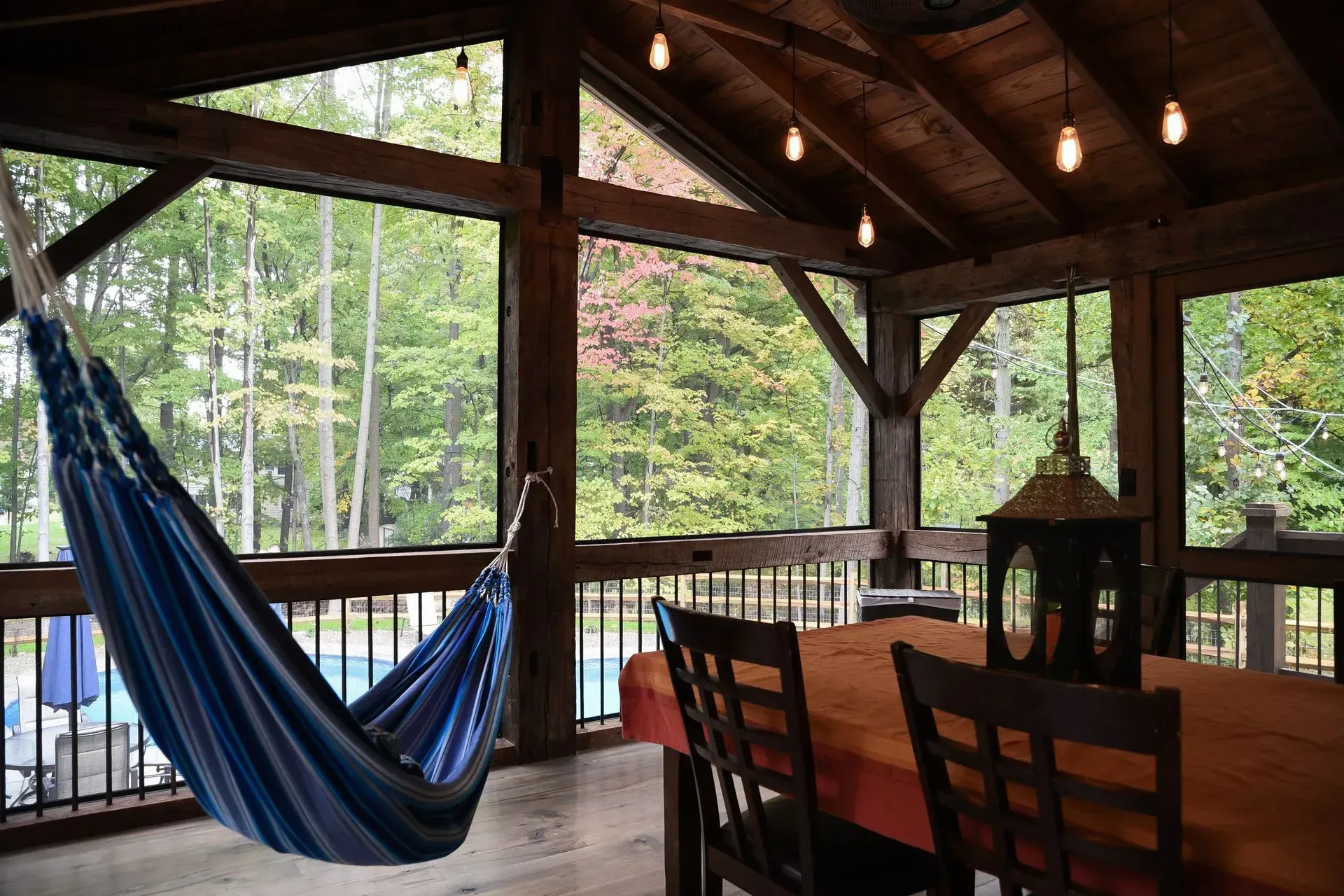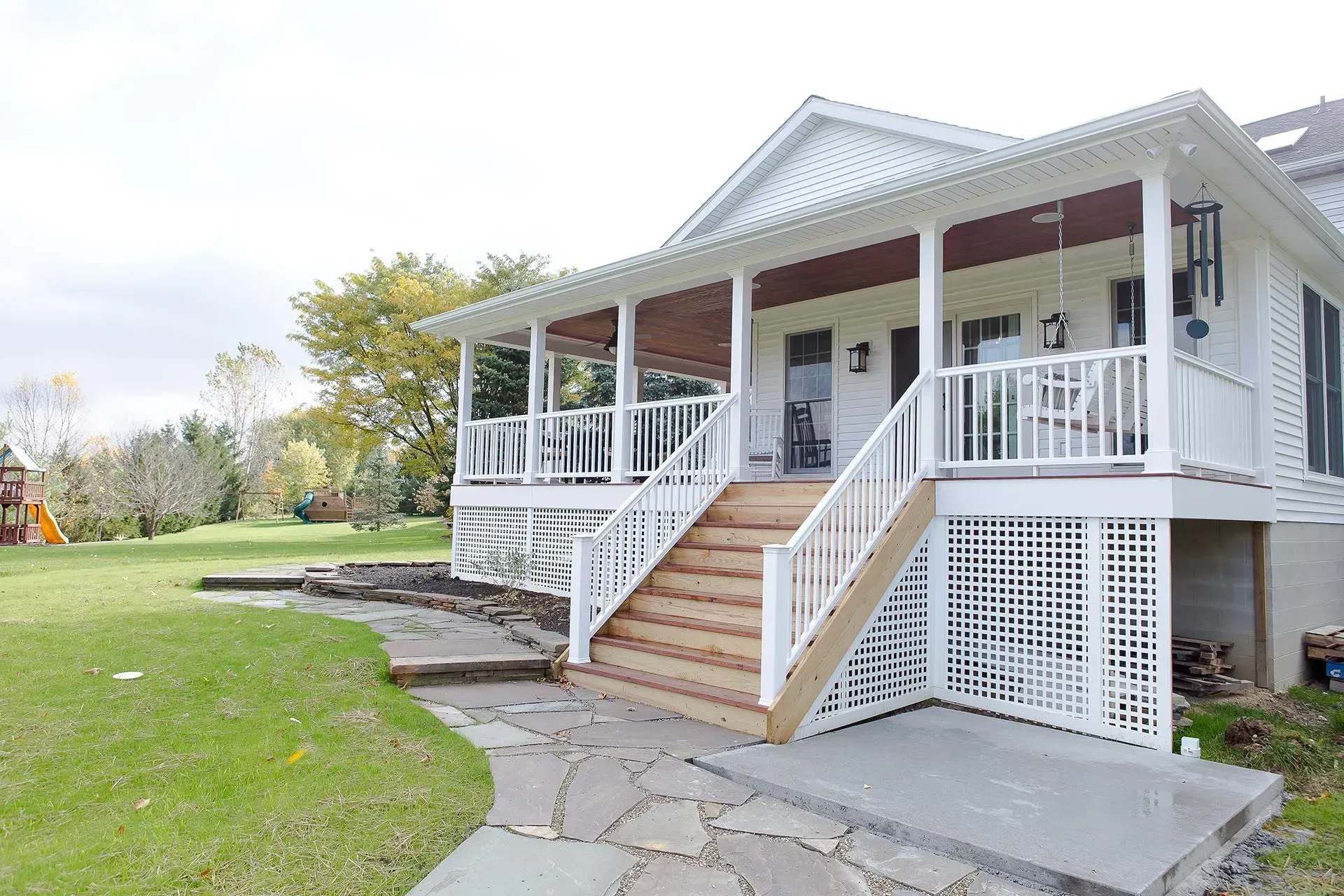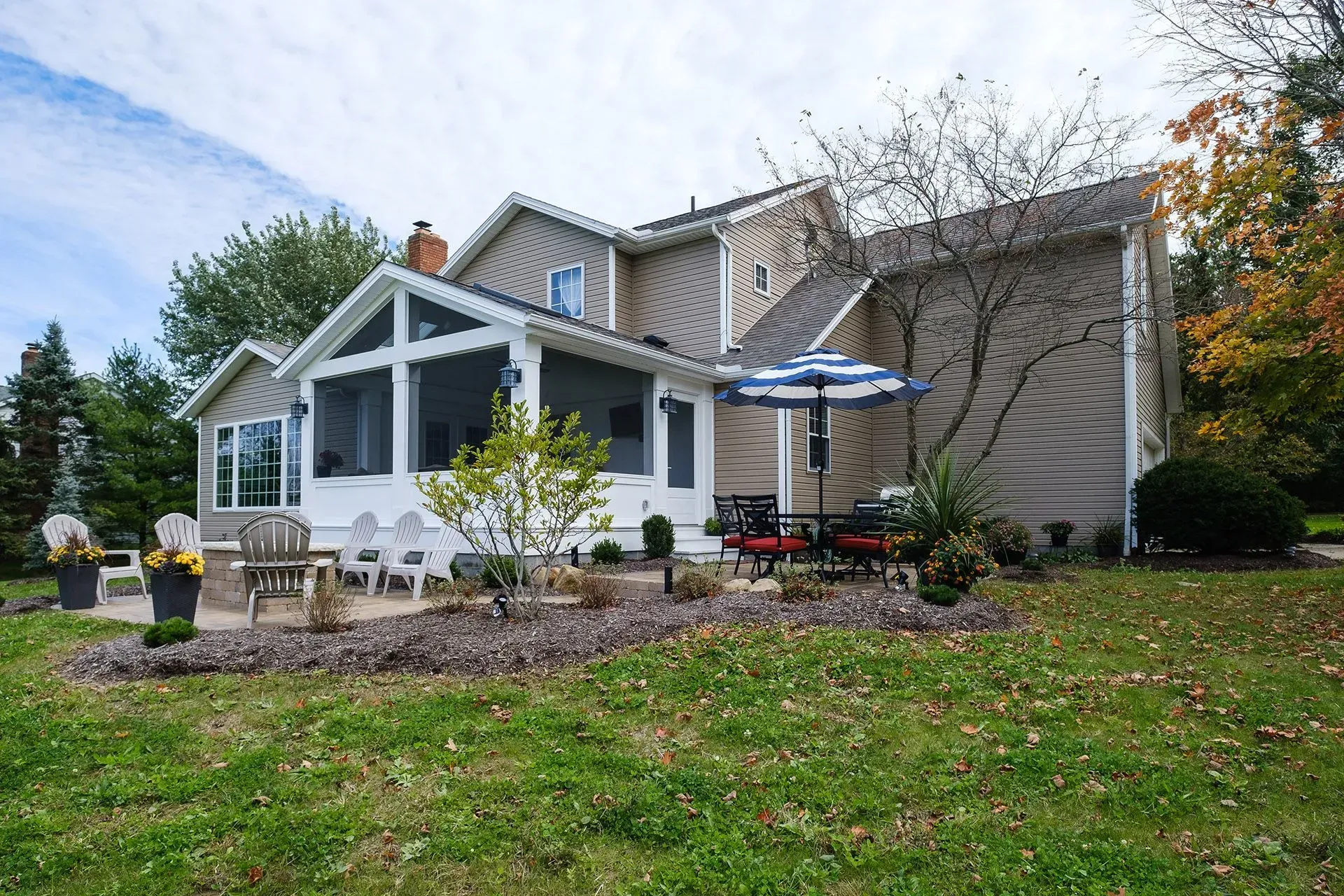

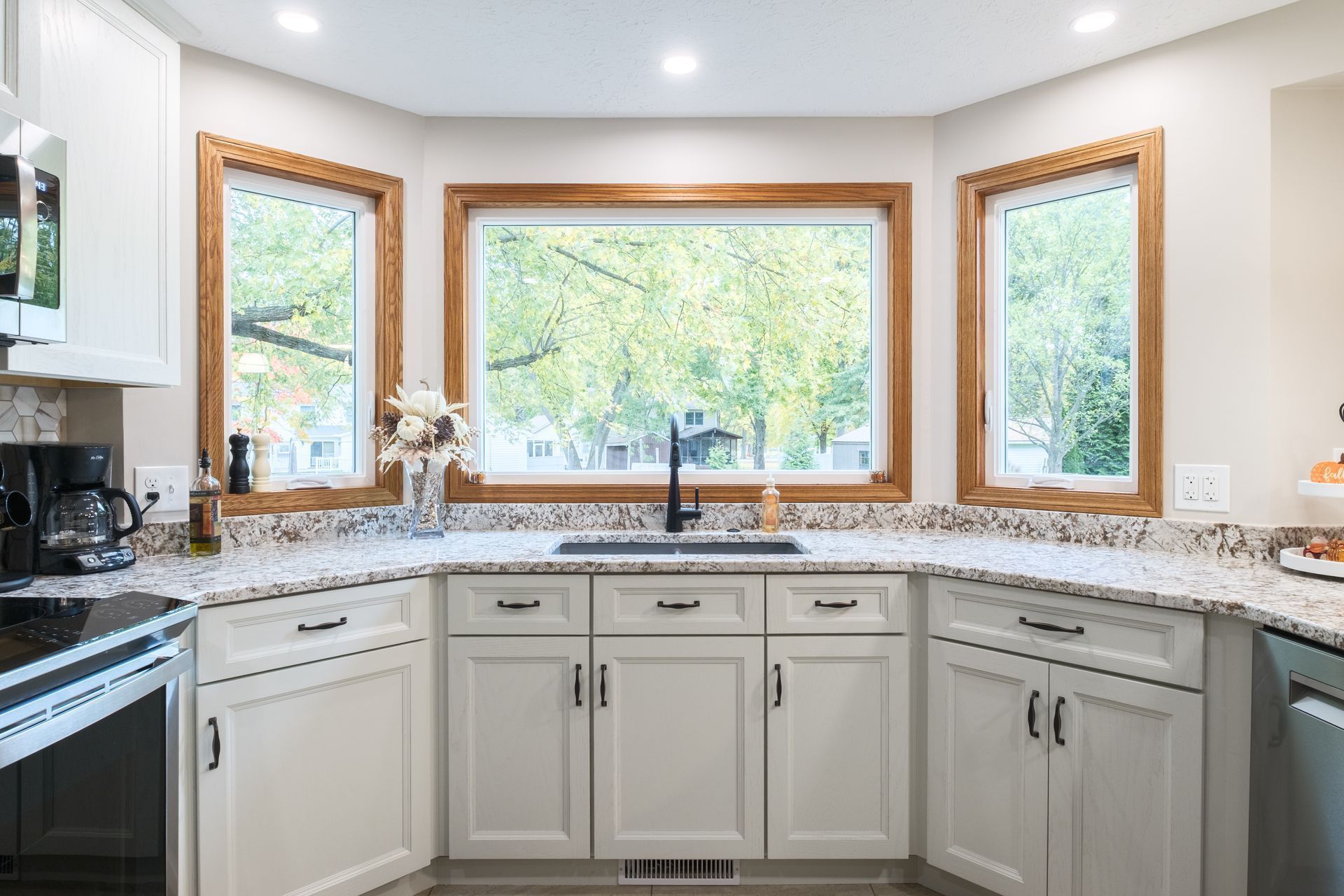
Natural light is not decorative. It is architectural.
When light is thoughtfully integrated, spaces feel open without expansion, calm without minimalism, and balanced without excess ornamentation. When poorly planned, even beautifully finished rooms can feel flat or uneven.
In Hudson, Akron & surrounding areas, many existing homes were designed around earlier window standards and different lifestyle patterns. Remodeling offers an opportunity to recalibrate light distribution through strategic window placement.
Natural light remodeling reshapes experience.
Light as a Structural and Architectural Element
Window placement is not simply about adding glass. It influences:
- Structural framing
- Exterior massing
- Interior proportion
- Sightlines
- Energy performance
- Privacy alignment
Each adjustment must coordinate with load paths and architectural rhythm.
Adding a larger window without recalibrating structural support or proportion can disrupt spatial balance. Conversely, a well-positioned opening can transform an entire room without increasing square footage.
Light should feel intentional, not inserted.
Long-Term Remodeling at a Glance
Existing homes present unique challenges. Framing conditions, rooflines, and wall mass often limit where new openings can occur.
Effective natural light remodeling evaluates:
| Window Strategy | Architectural Goal | Long-Term Benefit |
|---|---|---|
| Enlarged central openings | Improve gathering space brightness | Balanced focal point |
| Vertical window alignment | Enhance proportion | Visual continuity |
| Corner window integration | Expand perceived width | Spatial openness |
| Clerestory additions | Introduce indirect light | Controlled illumination |
| Repositioned windows | Align with interior hierarchy | Improved room balance |
Light placement must support the overall design language.
In established communities such as Bath and Chagrin Falls, preserving exterior character while enhancing interior illumination requires disciplined alignment between structural feasibility and architectural proportion.
Designing With Directional Awareness
Natural light behaves differently throughout the day.
Morning light defines east-facing rooms. Afternoon sun influences western exposure. Seasonal variation affects glare and shadow depth.
Remodeling design must consider:
- Orientation
- Overhang depth
- Interior reflection surfaces
- Ceiling height
- Adjacent structures
Window placement strategy should respond to how light moves, not just where walls exist.
The Relationship Between Light and Proportion
Light reinforces proportion.
Well-aligned windows emphasize ceiling height. Balanced openings anchor wall mass. Vertical rhythm creates calm repetition.
Improperly scaled openings can flatten hierarchy or create visual imbalance.
Anthony Slabaugh Remodeling & Design integrates light studies into remodeling design development so that window placement aligns with structural feasibility and architectural composition.
For more insight into our design approach, visit our Remodeling Design Services page.
You may also find our article on Residential Architectural Proportion helpful for understanding how scale and balance intersect with light.
Avoiding Common Natural Light Missteps
Remodels that prioritize size over strategy often introduce:
- Oversized windows without structural recalibration
- Uneven light distribution between adjoining rooms
- Glare due to improper orientation
- Disrupted exterior balance
Natural light remodeling must preserve architectural integrity while enhancing interior brightness.
Light should enhance structure, not compete with it.
Client Feedback on Our Design Process
feels throughout the day. By studying light patterns during planning, we create spaces that feel balanced from morning through evening. We invite you to read our Google reviews to learn more about their experiences.
Frequently Asked Questions
Can natural light be significantly improved in older homes?
Yes. Strategic window enlargement, repositioning, and clerestory additions can enhance illumination without compromising structure.
Does adding larger windows always improve a space?
Not always. Placement, proportion, and orientation matter more than size alone.
Will structural reinforcement be required?
Often, yes. Enlarging openings may require recalculated load support.
How early should window placement be planned?
During architectural design development, before structural modifications begin.
Can light planning preserve exterior character?
Yes. With disciplined proportion and massing alignment, light improvements can integrate seamlessly.
Designing With Light in Mind
Natural light is one of the most powerful architectural tools available in remodeling. When guided by proportion, structural coordination, and directional awareness, it transforms the experience of a home without unnecessary expansion.
Anthony Slabaugh Remodeling & Design works with homeowners in Hudson, Akron & surrounding areas to integrate natural light remodeling strategies into cohesive, design-build planning.