
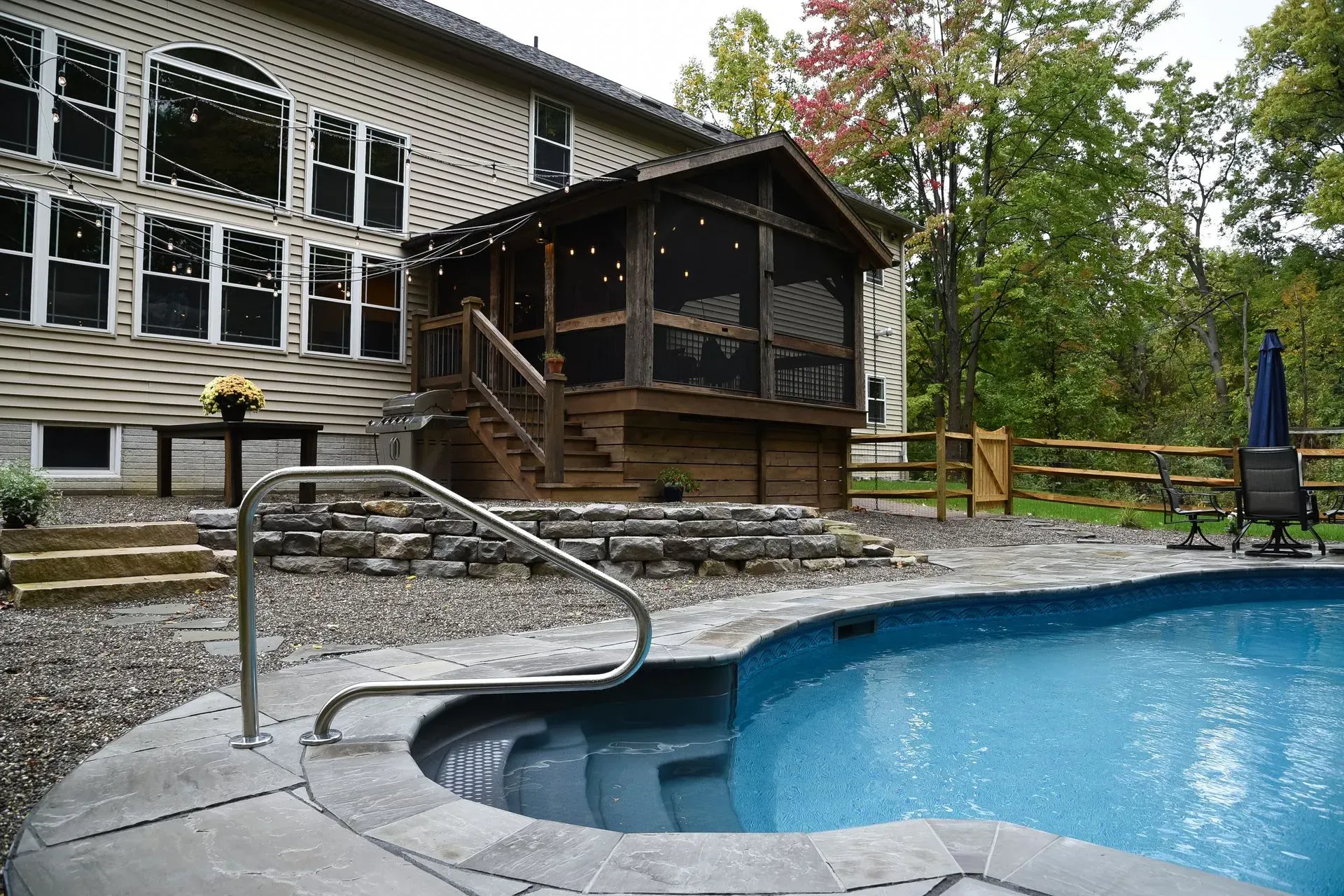
Creating Architectural Continuity in Custom Home Additions

A custom home addition should feel inevitable, not appended.


When continuity is achieved, the new space feels as though it was always part of the original architecture. When it is not, even well-built additions can appear disconnected.


Architectural continuity in custom additions requires disciplined planning. It is not resolved through matching materials alone. It is established through proportion, structure, alignment, and spatial hierarchy.


In Hudson, Akron & surrounding areas, homeowners investing in custom additions increasingly prioritize architectural integration over simple expansion.


Growth must feel intentional.

What Architectural Continuity Really Means  

ontinuity extends beyond finishes.


It includes:


  • Consistent ceiling relationships
  • Coordinated opening proportions
  • Aligned structural framing
  • Balanced massing
  • Harmonized transitions between old and new spaces


Without these elements, additions often reveal themselves through subtle imbalance.


Continuity protects refinement.

Why Additions Often Feel Disconnected 

Many additions appear separate because:


  • Floor levels shift slightly
  • Ceiling heights differ
  • Openings are scaled improperly
  • Structural beams interrupt spatial rhythm
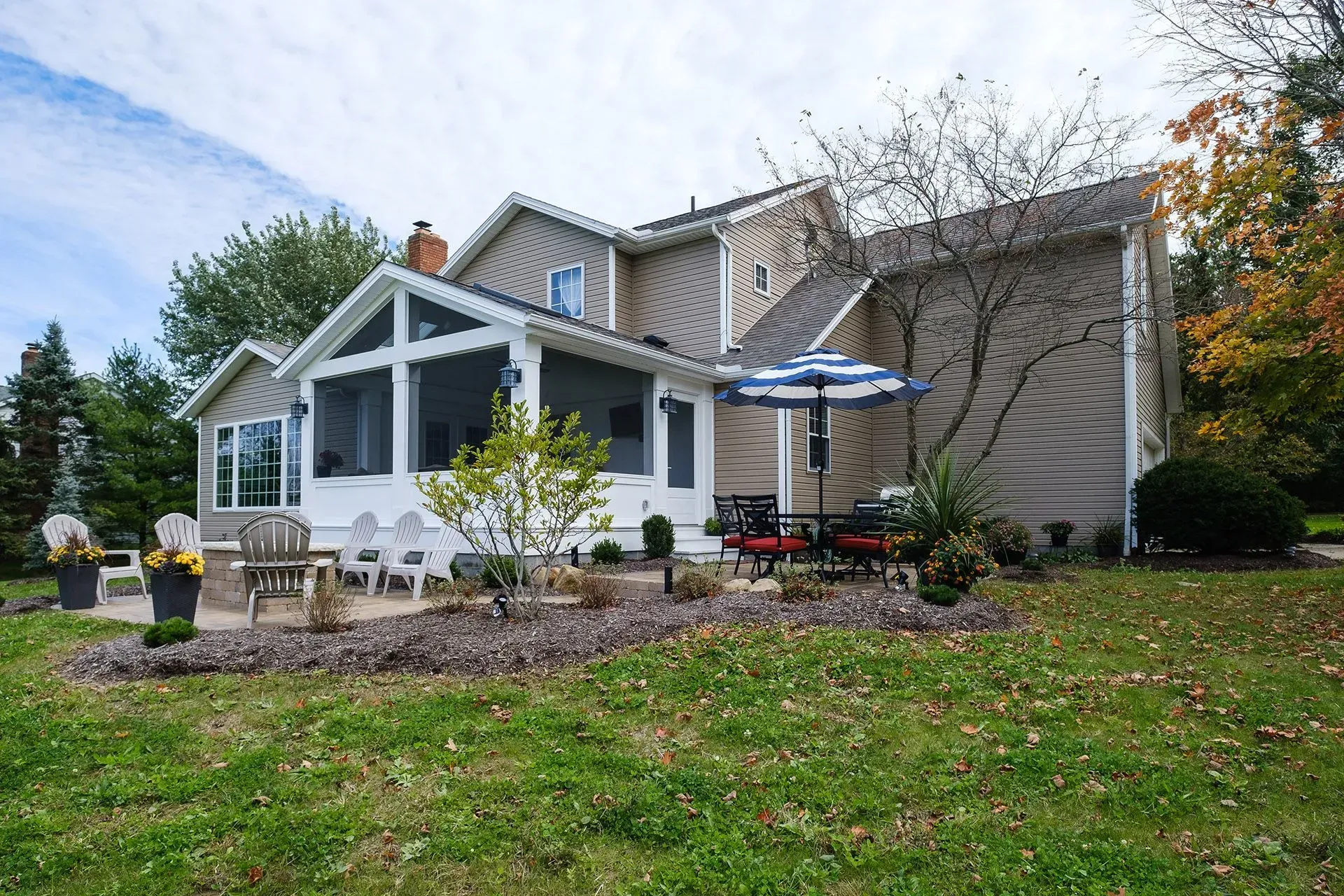
  • Exterior massing does not align with existing form


These issues rarely stem from craftsmanship. They stem from insufficient architectural planning before construction begins.


In established communities such as Bath and Chagrin Falls, where architectural character carries long-term value, maintaining continuity is essential.


Additions must respect original structure while supporting modern living.

Structural Alignment and Proportion in Additions  

Custom additions frequently require structural recalibration.


Load paths must transfer seamlessly between existing and new framing. Foundations must align. Rooflines must integrate proportionally.


Architectural continuity depends on structural coordination.


When framing systems are aligned intentionally, ceiling planes remain consistent and spatial flow feels uninterrupted.


Continuity is structural as much as visual.

Planning for Seamless Integration  

Design Variable Continuity Focus Architectural Outcome
Floor elevation alignment Level transitions Visual stability
Ceiling height calibration Proportional balance Cohesive interior rhythm
Opening scale coordination Spatial hierarchy Unified flow
Structural tie-in strategy Load path alignment Long-term performance
Exterior massing alignment Balanced form Integrated presence

Each variable must be resolved before construction begins.

Design-Build Coordination as a Continuity Strategy  

Architectural continuity is most difficult to achieve when design and construction operate separately.


Within an integrated design-build framework, structural evaluation and architectural planning progress together. This allows framing, ceiling alignment, opening dimensions, and exterior form to be coordinated early.


Anthony Slabaugh Remodeling & Design approaches custom addition design continuity with this integrated discipline. Structural tie-ins, proportion calibration, and circulation refinement are studied before drawings are finalized.


For additional insight into structural alignment, you may find our article on Structural Alignment in Architectural Design helpful.


You can also explore our Custom Home Design Services page for a broader overview of our design process.

Client Feedback on Our Design Process  

Homeowners often comment that their additions feel seamless rather than new. By aligning proportion, structure, and spatial flow early in the planning process, we create expansions that integrate naturally. We invite you to read our Google reviews to learn more about their experiences.

Frequently Asked Questions

  • What is architectural continuity in a home addition?

    It is the intentional alignment of proportion, structure, and spatial relationships so that the addition feels integrated with the original home.

  • Why do some additions look disconnected?

    Misaligned ceiling heights, improper opening scale, and structural inconsistencies often create visual separation.

  • Does achieving continuity require structural modification?

    In many cases, yes. Structural tie-ins must be evaluated to maintain proportional and spatial alignment.

  • Can older homes support seamless additions?

    Yes. With careful architectural planning and structural coordination, additions can respect existing character.

  • When should continuity be evaluated?

    During early architectural planning, before structural framing decisions are finalized.

Expanding With Architectural Discipline  

A custom addition should strengthen the architecture of a home, not compete with it.


Architectural continuity ensures that expansion enhances proportion, flow, and long-term performance.


Anthony Slabaugh Remodeling & Design works with homeowners in Hudson, Akron & surrounding areas to create additions that integrate seamlessly through coordinated design-build planning.


If you are considering expanding your home and want the result to feel cohesive rather than appended, begin with a design conversation centered on structural alignment and architectural continuity.

Recent Posts


Micro Zoning Home Design | Hudson, Akron & Surrounding Areas
By Anthony Slabaugh February 18, 2026
Discover how micro zoning home design improves modern layouts in Hudson, Akron & surrounding areas through advanced space planning techniques.
Transition Space Design | Hudson, Akron & Surrounding Areas
By Anthony Slabaugh February 18, 2026
Explore transition space design strategies in Hudson, Akron & surrounding areas that improve thresholds, openings, and home flow through advanced layout planning.
Corner Space Planning | Hudson, Akron & Surrounding Areas
By Anthony Slabaugh February 18, 2026
Learn how advanced corner space planning improves home layout and functionality in Hudson, Akron & surrounding areas through refined design strategies.
Nighttime Lighting Layout | Hudson, Akron & Surrounding Areas
By Anthony Slabaugh February 18, 2026
Learn how nighttime lighting layout strategies shape home flow and atmosphere in Hudson, Akron & surrounding areas through advanced space planning.
3D Remodel Renderings | Hudson, Akron & Surrounding Areas
By Anthony Slabaugh February 18, 2026
Learn how 3D remodel renderings improve renovation decision-making in Hudson, Akron & surrounding areas before construction begins.
Exterior Rendering Home Addition | Hudson, Akron & Surrounding Areas
By Anthony Slabaugh February 18, 2026
Learn how exterior rendering for home additions protects architectural continuity in Hudson, Akron & surrounding areas before construction begins.
3D Rendering FAQs | Hudson, Akron & Surrounding Areas
By Anthony Slabaugh February 18, 2026
Answers to common 3D remodel rendering questions for homeowners in Hudson, Akron & surrounding areas planning renovations before construction.
Design-First Remodeling | Hudson, Akron & Surrounding Areas
By Anthony Slabaugh February 18, 2026
Learn how design-first remodeling in Hudson, Akron & surrounding areas reduces costly mid-project changes through structured architectural planning.
Open Concept Structural Design | Hudson, Akron & Surrounding Areas
By Anthony Slabaugh February 18, 2026
Learn why open concept structural design requires careful planning in Hudson, Akron & surrounding areas to prevent costly structural and layout issues.
Remodeling Circulation Design | Hudson, Akron & Surrounding Areas
By Anthony Slabaugh February 18, 2026
Discover why remodeling circulation design matters more than square footage for refined homes in Hudson, Akron & surrounding areas.

Micro Zoning Home Design | Hudson, Akron & Surrounding Areas
By Anthony Slabaugh February 18, 2026
Discover how micro zoning home design improves modern layouts in Hudson, Akron & surrounding areas through advanced space planning techniques.
Transition Space Design | Hudson, Akron & Surrounding Areas
By Anthony Slabaugh February 18, 2026
Explore transition space design strategies in Hudson, Akron & surrounding areas that improve thresholds, openings, and home flow through advanced layout planning.
Corner Space Planning | Hudson, Akron & Surrounding Areas
By Anthony Slabaugh February 18, 2026
Learn how advanced corner space planning improves home layout and functionality in Hudson, Akron & surrounding areas through refined design strategies.
Nighttime Lighting Layout | Hudson, Akron & Surrounding Areas
By Anthony Slabaugh February 18, 2026
Learn how nighttime lighting layout strategies shape home flow and atmosphere in Hudson, Akron & surrounding areas through advanced space planning.
3D Remodel Renderings | Hudson, Akron & Surrounding Areas
By Anthony Slabaugh February 18, 2026
Learn how 3D remodel renderings improve renovation decision-making in Hudson, Akron & surrounding areas before construction begins.
Exterior Rendering Home Addition | Hudson, Akron & Surrounding Areas
By Anthony Slabaugh February 18, 2026
Learn how exterior rendering for home additions protects architectural continuity in Hudson, Akron & surrounding areas before construction begins.
More Posts