

Structural remodeling is not defined by finishes. It is defined by force distribution.
When walls are removed, openings widened, additions integrated, or rooflines altered, the home’s structural system changes. Loads shift. Framing paths adjust. Foundations carry new demands.
In Hudson, Akron & surrounding areas, whole home remodels often involve structural modification. Engineering is not an added step after design. It is a discipline that informs what is possible before layout decisions are finalized.
Well-executed structural home remodeling begins with analysis.
Why Structural Engineering Matters in Remodeling
A home functions as a coordinated structural system. Joists, beams, walls, and foundations work together to transfer weight safely to the ground.
Altering one element without evaluating the whole system can result in:
- Floor deflection
- Ceiling misalignment
- Finish cracking
- Stress at foundation points
- Long-term structural fatigue
Structural engineering remodeling ensures that architectural ambition aligns with structural capacity.
Safety is not assumed. It is calculated.
When Engineering Becomes Essential
While cosmetic renovations may not require formal structural review, engineering becomes critical when projects include:
- Load-bearing wall removal
- Large-span opening creation
- Second-story additions
- Structural reconfiguration of roof systems
- Foundation modifications
- Major layout restructuring
In established communities such as Bath and Chagrin Falls, older framing methods and layered renovations often introduce complexities that require disciplined structural evaluation.
Understanding load paths precedes structural alteration.
Load Paths and Structural Redistribution
Every home carries vertical and lateral loads through a defined structural path.
When structural elements are removed or modified, engineers must determine:
- How weight will be transferred
- What beam sizing is required
- Whether columns are necessary
- How loads will reach the foundation
- What deflection tolerances are acceptable
Engineering review protects against overbuilding and under-reinforcing.
Precision maintains both safety and proportion.
Structural Engineering Remodeling at a Glance
| Structural Modification | Engineering Evaluation | Planning Impact |
|---|---|---|
| Load-bearing wall removal | Beam sizing and load transfer | Ceiling alignment and opening proportion |
| Large window installation | Header reinforcement and lateral stability | Exterior wall performance |
| Second-story addition | Foundation capacity and framing reinforcement | Long-term settlement control |
| Roof structure alteration | Rafter load redistribution | Interior ceiling configuration |
| Foundation modification | Soil bearing capacity review | Structural longevity |
Engineering review informs design refinement rather than reacting to it.
Structural Design and Architectural Integration
Structural elements influence architectural appearance.
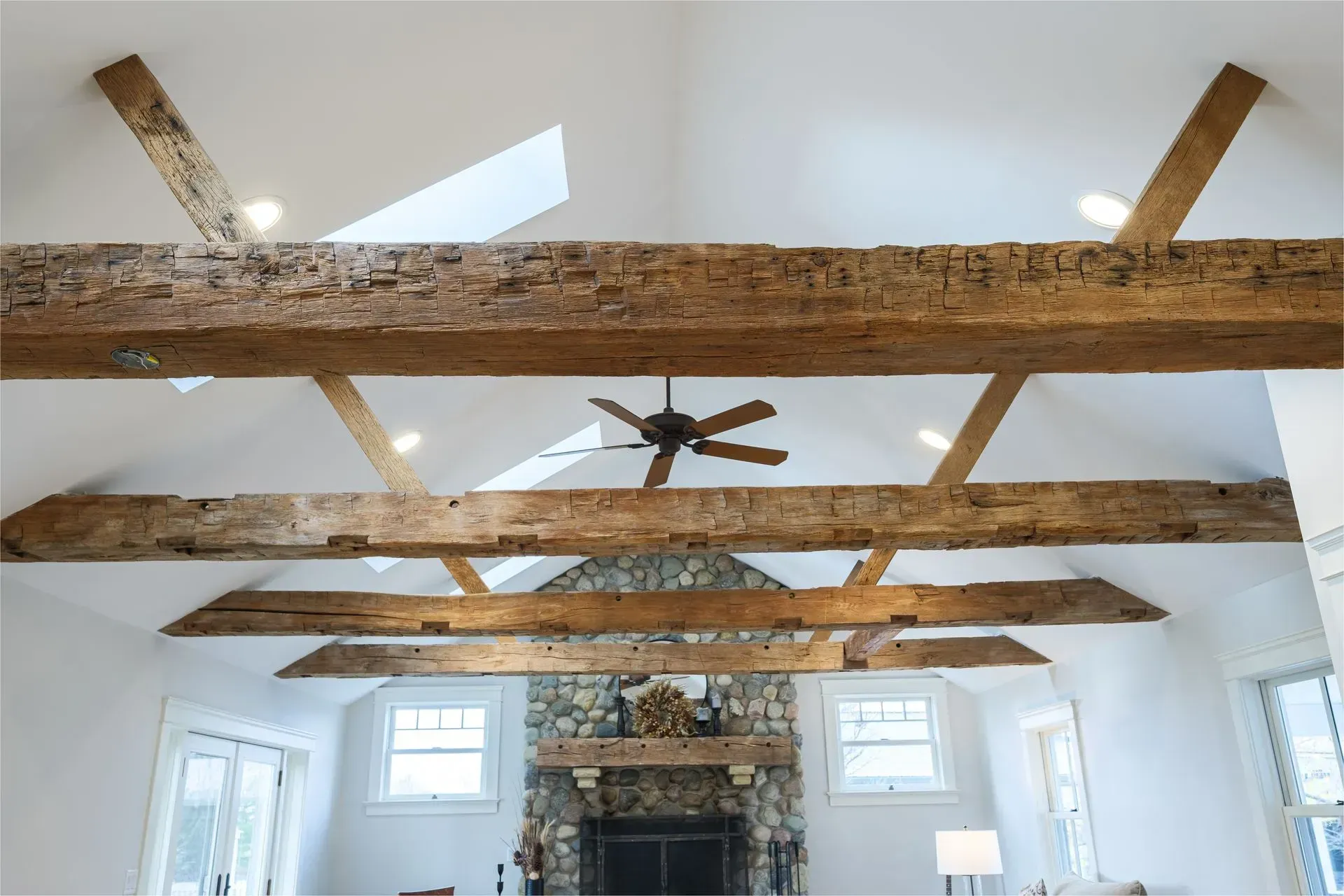
Beam depth affects ceiling alignment. Column placement influences spatial flow. Reinforcement strategies shape opening dimensions.
Engineering decisions must align with architectural proportion.
Within structural home remodeling, analysis and design must progress together rather than sequentially.
For broader insight into how structural work integrates into comprehensive renovations, visit our Structural Home Remodeling page.
Why Engineering Requires Design-Build Coordination
When engineering is separated from design and construction, revisions often occur mid-project.
Within a coordinated design-build framework, structural analysis informs layout planning from the outset.
Anthony Slabaugh Remodeling & Design integrates structural engineering considerations early in the planning process. Load paths, beam integration, foundation review, and framing analysis are evaluated before drawings are finalized.
This alignment reduces reactive changes and protects long-term performance.
Engineering discipline is part of the renovation strategy, not an afterthought.
The Long-Term Value of Structural Planning
Structural integrity affects more than immediate safety.
Well-engineered remodeling protects:
- Floor stability
- Ceiling continuity
- Wall alignment
- Future renovation flexibility
- Overall property value
Homeowners may never see the structural reinforcement embedded within walls. They experience its stability for decades.
Frequently Asked Questions
Is structural engineering required for every remodel?
No. It is typically required when altering load-bearing elements, expanding structural openings, or modifying foundations or roof systems.
Can load-bearing walls be removed without engineering?
Load-bearing conditions may appear straightforward but often involve hidden complexities. Engineering review ensures accurate load redistribution.
Does structural engineering increase renovation cost?
Engineering adds planning precision. Early analysis often prevents costly revisions during construction.
What happens if structural loads are not properly evaluated?
Improper load transfer can lead to deflection, cracking, and long-term performance concerns.
When should structural engineering be integrated into remodeling?
Before finalizing layout drawings and before removing or altering structural components.
Remodeling With Structural Confidence
Structural home remodeling requires more than surface transformation. It demands measured engineering evaluation and disciplined planning.
Anthony Slabaugh Remodeling & Design works with homeowners in Hudson, Akron & surrounding areas to ensure that structural modifications are guided by analysis, safety, and architectural alignment.
If you are planning a renovation that involves structural changes and want the assurance that comes from coordinated engineering and design-build execution, begin with a planning conversation grounded in structural clarity.