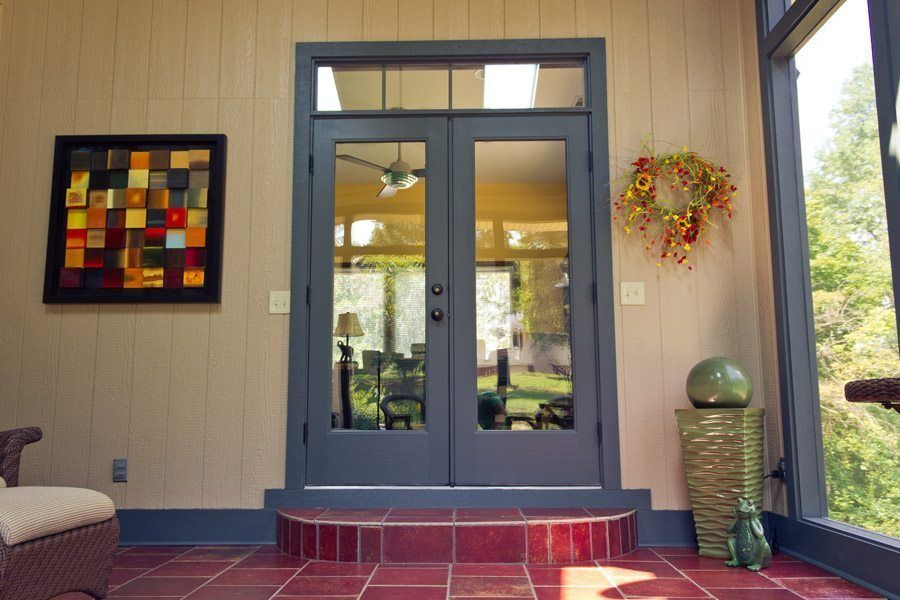
One of the most common questions homeowners ask when planning a sunroom addition is whether it can connect directly to a kitchen or living room. The answer is yes but the success of that connection depends entirely on thoughtful design.
A sunroom should not feel like a detached enclosure added onto the back of the home. When properly integrated, it enhances interior flow, improves natural light distribution, and strengthens the overall layout.
At Anthony Slabaugh Remodeling & Design, we approach sunroom connections as architectural transitions rather than simple openings in a wall. The goal is to create continuity between spaces while maintaining structural integrity and daily usability.
Why Homeowners Want to Connect a Sunroom to Main Living Areas
Kitchens and living rooms are the most active spaces in a home. Connecting a sunroom to one of these areas naturally increases how often the space is used.
When integrated well, a connected sunroom can:
- Extend entertaining space
- Increase natural light in core living areas
- Improve indoor-outdoor connection
- Create flexible overflow space for gatherings
Rather than acting as a separate room, the sunroom becomes part of the home’s daily rhythm.
Structural Considerations When Opening Walls
Connecting a sunroom to a kitchen or living room often requires removing or modifying an exterior wall. This is where structural planning becomes essential.
Load-bearing walls, rooflines, and support systems must be evaluated before determining how large the opening can be. Simply cutting a wide opening without structural reinforcement can compromise the home’s integrity.
A design-build approach allows structural engineering and interior design to be coordinated from the start, ensuring both safety and aesthetic continuity.
Maintaining Interior Flow
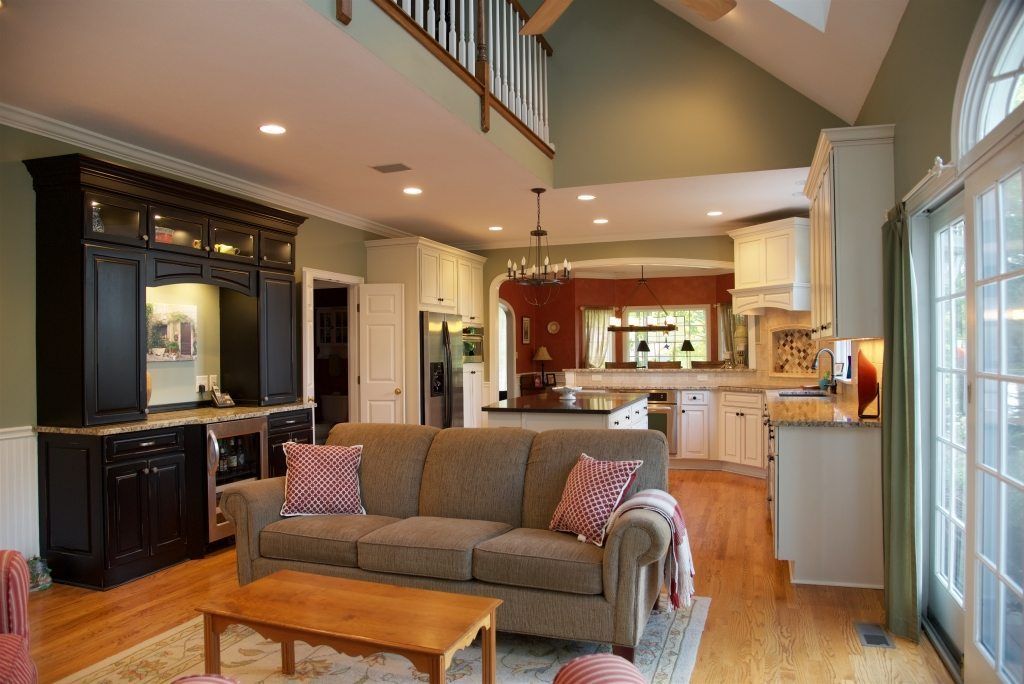
Interior flow is one of the most important elements of a successful connection. The transition between the original space and the sunroom should feel natural, not abrupt.
Key considerations include:
- Ceiling height alignment
- Flooring transitions
- Sightlines between spaces
- Proportion of the opening
If ceiling heights differ dramatically or flooring changes feel disconnected, the sunroom may appear secondary rather than integrated.
When designed intentionally, the connection feels seamless.
Kitchen Connections: Expanding Everyday Living
Connecting a sunroom to the kitchen is especially popular because it enhances daily life. Morning light, casual dining, and expanded entertaining space all benefit from this layout.
However, kitchen-adjacent sunrooms must be designed carefully to support:
- Traffic flow during cooking
- Clear separation of work zones
- Balanced natural light without glare
A well-planned connection can make the kitchen feel larger and more open without compromising functionality.
Living Room Connections: Creating Open, Airy Spaces
When connected to a living room, a sunroom often becomes a natural extension of gathering space.
This connection works best when proportions are balanced and the transition does not overwhelm the original room. Oversized openings can diminish the sense of structure, while undersized connections can restrict flow.
Designing for harmony between the two spaces ensures that neither room feels like an afterthought.
Architectural Integration Matters
The exterior of the home must also be considered when connecting a sunroom to main living areas. Rooflines, window placement, and exterior materials influence how cohesive the addition feels.
We focus on architectural continuity so that the new space respects the original structure. A connected sunroom should enhance the home’s character rather than disrupt it.
Lighting and Comfort Planning
When opening a sunroom to a kitchen or living room, light and comfort must be carefully balanced.
Excessive direct sunlight can create glare or temperature fluctuations. Insufficient insulation can impact adjacent interior spaces.
Planning for glazing selection, shading strategies, and climate integration ensures that the connection enhances comfort rather than creating new challenges.
Sunroom Connection Considerations at a Glance
| Design Factor | Why It Matters | Better Outcome |
|---|---|---|
| Structural support | Maintains safety | Proper reinforcement |
| Ceiling alignment | Visual continuity | Seamless transition |
| Flooring coordination | Flow between spaces | Cohesive interior |
| Natural light balance | Comfort control | Even daylight distribution |
| Architectural detailing | Exterior harmony | Integrated appearance |
Why Planning First Makes the Difference
Connecting a sunroom to a kitchen or living room is not simply a matter of creating an opening. It is about ensuring the home’s structure, flow, and comfort remain balanced.
At Anthony Slabaugh Remodeling & Design, our design-build process coordinates structural evaluation, architectural planning, and interior layout from the start. This alignment prevents costly mid-project changes and ensures the finished space supports daily living.
For more information about sunroom integration and structural planning, visit our Sunroom Additions page to explore how we design spaces that feel natural and cohesive.
Sunroom Additions Planning Resources
If you are still exploring your options, these related guides may help:
Frequently Asked Questions
Can a sunroom be opened directly to a kitchen?
Yes, but structural reinforcement and layout planning are required to ensure safety and functionality.
Will opening a wall affect my home’s structure?
It can. Load-bearing walls must be evaluated before modifications are made.
Does connecting a sunroom improve home flow?
When designed properly, yes. It can enhance circulation and visual openness.
Will a connected sunroom affect temperature control?
Proper insulation and glazing selection are essential to maintain comfort in adjacent spaces
Does Anthony Slabaugh Remodeling & Design design integrated sunrooms?
Yes. We specialize in sunroom additions that are structurally sound and architecturally cohesive.
Plan a Sunroom That Feels Like Part of Your Home
A connected sunroom should enhance how your home functions every day. When structural planning, architectural design, and interior flow are aligned, the result feels intentional and balanced.
If you are considering connecting a sunroom to your kitchen or living room, Anthony Slabaugh Remodeling & Design is ready to guide you through a coordinated design-build process.