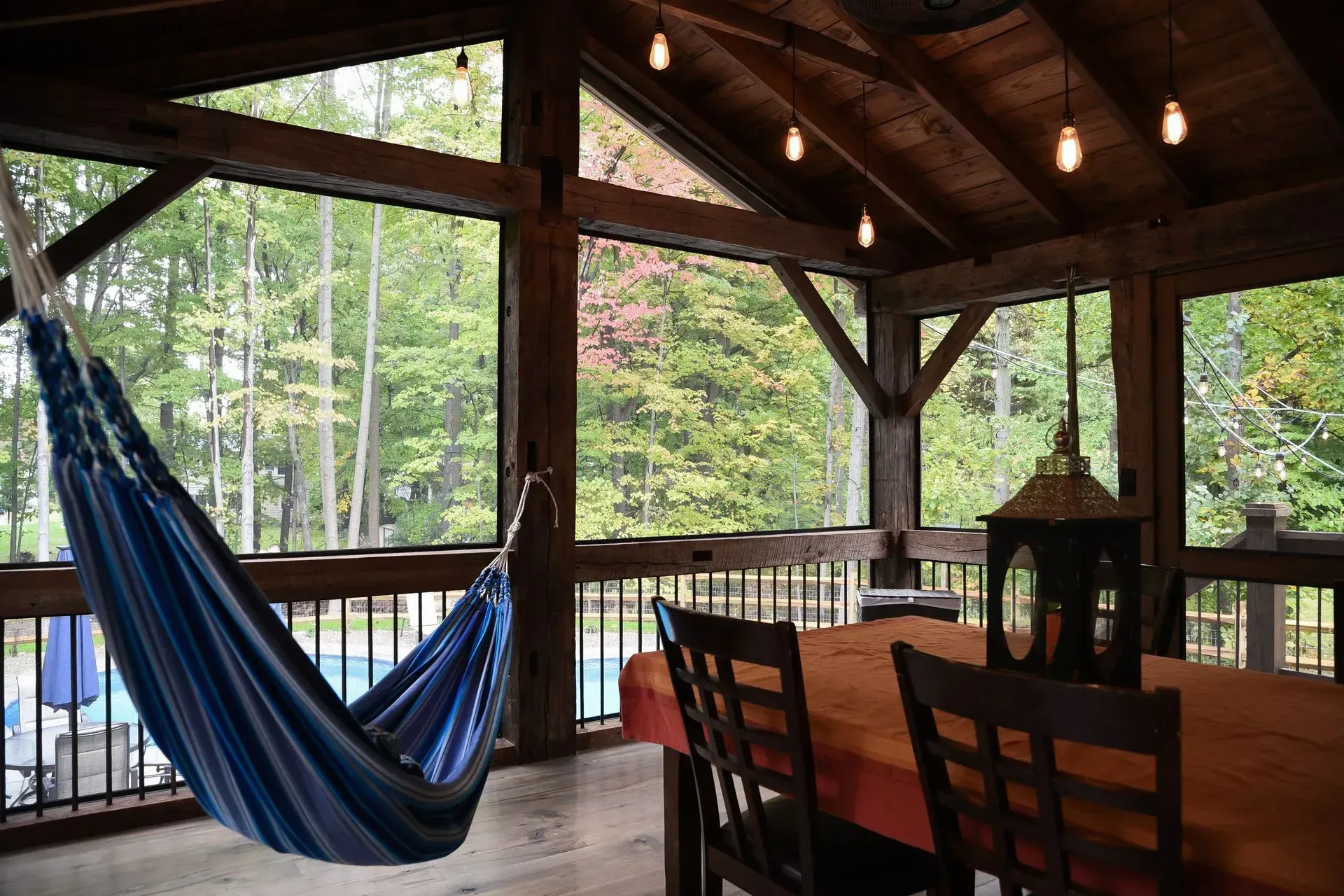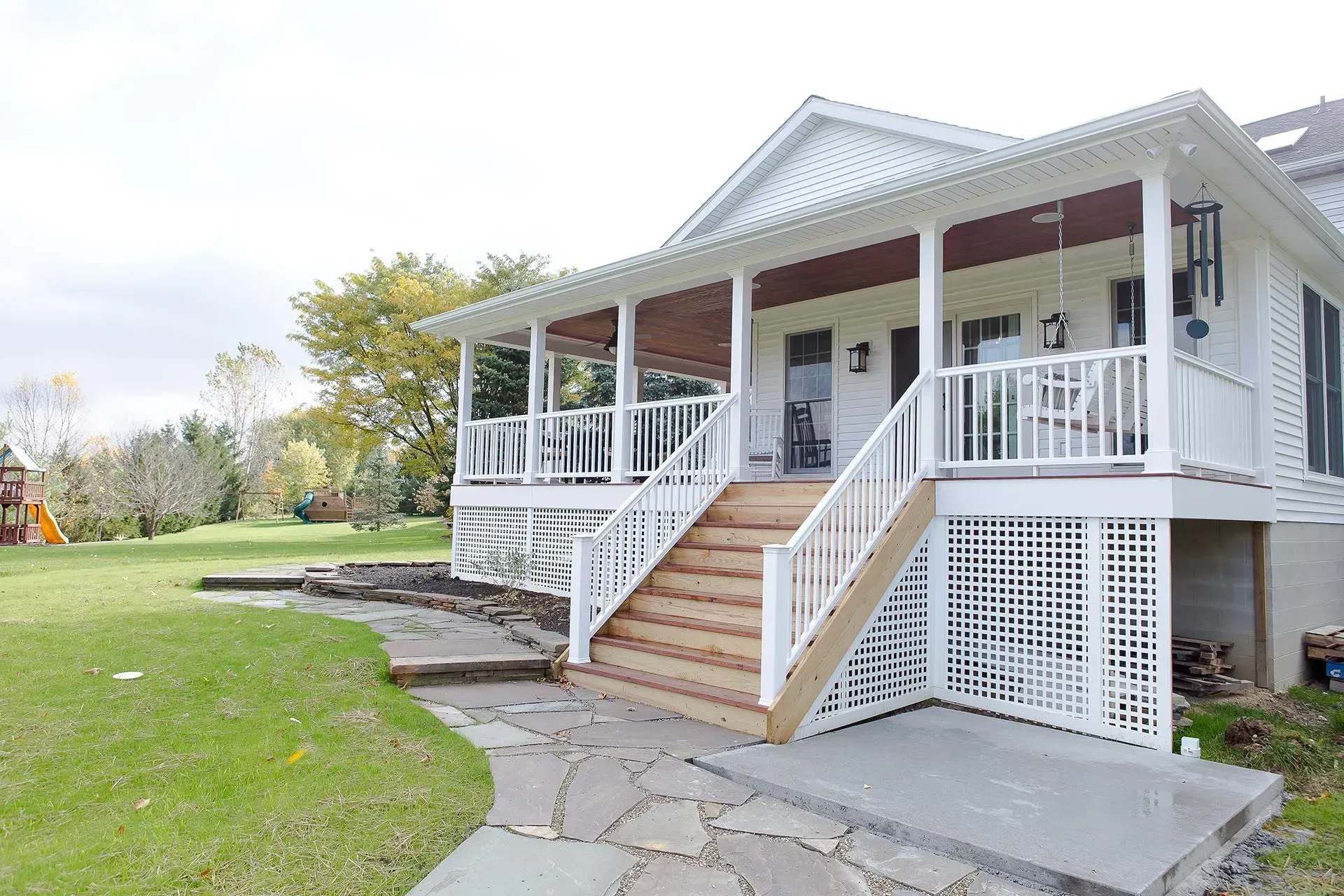

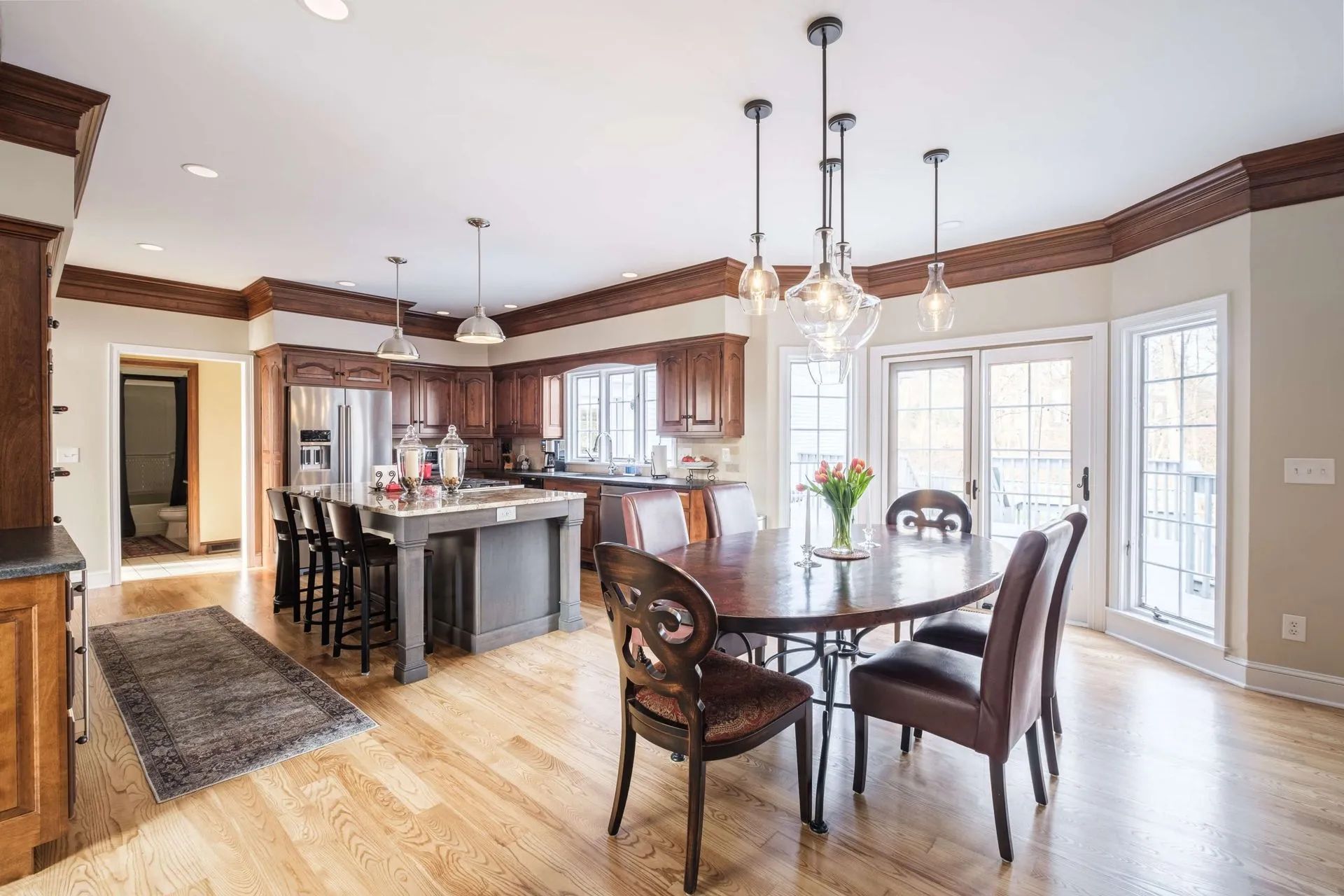
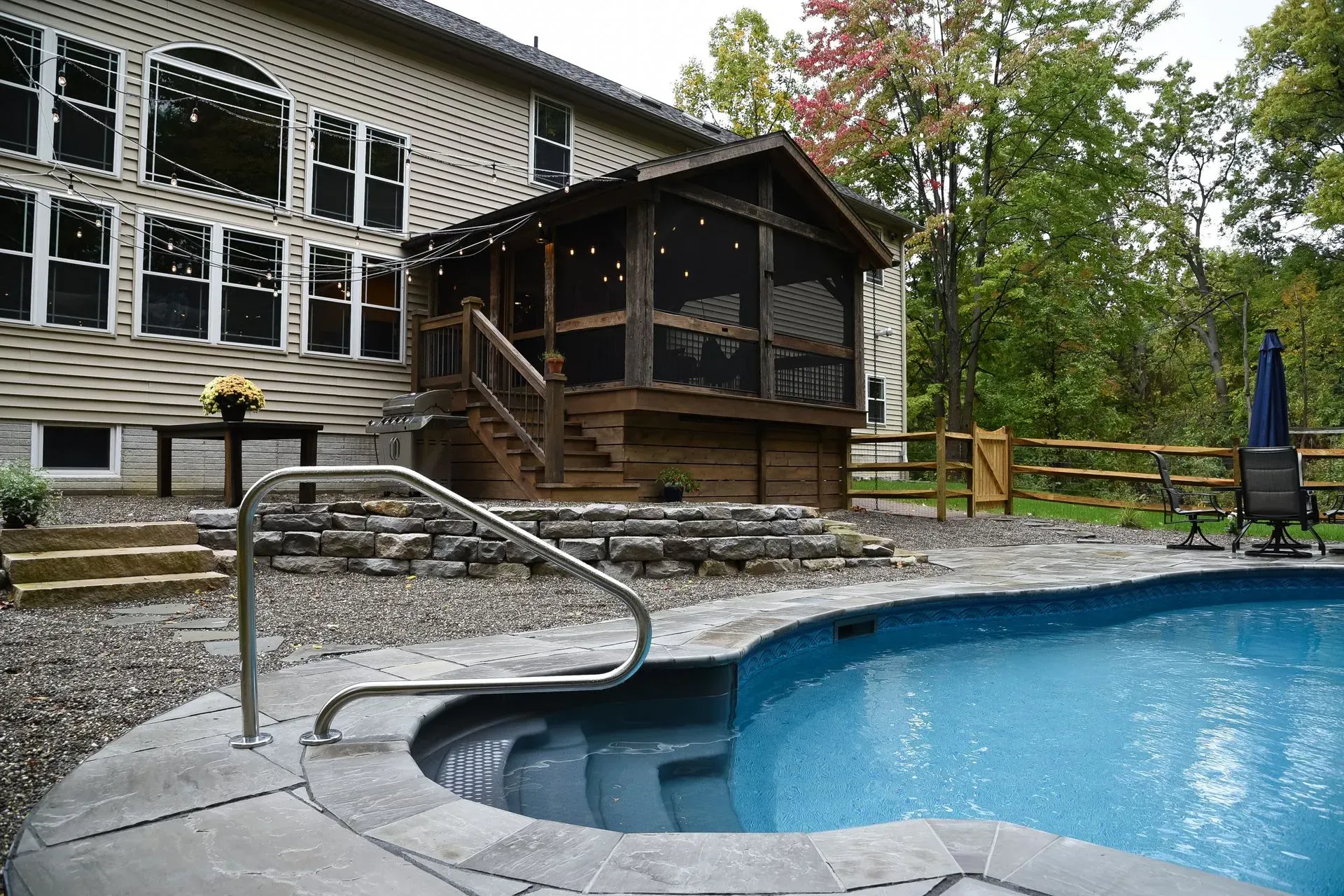
A sunroom addition can transform how a home feels, bringing in natural light and creating a stronger connection to the outdoors. But when a sunroom is poorly planned, it often becomes an underused space that feels disconnected, uncomfortable, or visually out of place.
At Anthony Slabaugh Remodeling & Design, we frequently meet homeowners who regret earlier sunroom decisions because key design factors were overlooked. Most problems are not construction failures. They are planning failures.
Understanding the most common sunroom addition mistakes helps homeowners avoid short-term thinking and create spaces that truly enhance daily living.
Treating the Sunroom as an Afterthought
One of the most common mistakes is approaching the sunroom as an add-on rather than as an integrated extension of the home.
When a sunroom is designed separately from the main structure, it can feel detached or visually inconsistent. Ceiling heights may not align. Flooring transitions may feel abrupt. Exterior materials may clash.
A well-designed sunroom should feel as though it was always meant to be part of the home. Integration requires thoughtful planning around architecture, proportions, and interior flow.
Ignoring Comfort and Climate Performance
Sunrooms are defined by glass and natural light, but comfort must come first.
Without proper insulation, glazing selection, and structural consideration, a sunroom can become too hot in summer and too cold in winter. This limits usability and turns the space into a seasonal novelty rather than a daily living area.
Four-season sunrooms require coordinated planning between envelope design and climate control systems. Skipping this step often results in expensive retrofits later.
Failing to Plan for Daily Use
Many homeowners design a sunroom based on appearance rather than function. The result is a space that looks appealing but lacks practical usability.
Questions that should be addressed early include:
- How will the space be furnished?
- How will lighting work at night?
- Will the room support daily routines?
- How does it connect to surrounding spaces?
A sunroom that enhances daily living is designed around real habits, not just inspiration images.
Overlooking Interior Flow
Sunrooms change how people move through a home. Poor placement can disrupt circulation patterns or isolate the new space from primary living areas.
If the entry point feels awkward or interrupts key sightlines, the sunroom may feel secondary rather than seamless.
Interior flow is one of the most overlooked aspects of sunroom planning. A well-integrated sunroom supports natural movement and improves how adjacent spaces function.
Choosing the Wrong Type of Sunroom
Not every household needs the same type of sunroom. Confusion between three-season and four-season construction leads to mismatched expectations.
A three-season sunroom is appropriate for milder months. A four-season sunroom is built for year-round comfort.
Choosing the wrong type can result in dissatisfaction, especially if the space cannot be used as often as intended. Early planning clarifies how the space should perform before construction begins.
Prioritizing Cost Over Long-Term Value
Budget matters, but reducing scope without understanding long-term consequences often leads to regret.
Cutting corners on structural integration, insulation, or materials may reduce upfront investment but can compromise comfort and durability. A sunroom should enhance the home for years, not create ongoing maintenance concerns.
A design-build process helps balance investment with long-term performance.
Ignoring Architectural Continuity
A sunroom should respect the architecture of the original home.
Rooflines, proportions, exterior materials, and window rhythms all influence whether the addition feels cohesive. When architectural continuity is ignored, the sunroom can look like a temporary enclosure rather than a permanent enhancement.
We focus on architectural integration so that the sunroom complements the existing structure rather than competing with it.
Skipping a Structured Planning Process
The most significant mistake homeowners make is moving forward without a structured planning framework.
Without aligning design, structural considerations, and construction sequencing early, issues surface mid-project. This leads to scope adjustments, delays, and added stress.
At Anthony Slabaugh Remodeling & Design, our design-build approach coordinates planning, design, and construction under one roof. This alignment reduces miscommunication and ensures the finished sunroom reflects the original vision.
For a broader look at how sunrooms are planned and integrated, visit our Sunroom Additions page for additional guidance.
Sunroom Addition Mistakes at a Glance
| Common Mistake | Result | Better Approach |
|---|---|---|
| Treating it as an add-on | Feels disconnected | Integrated architectural design |
| Ignoring insulation | Seasonal discomfort | Climate-conscious planning |
| Designing for looks only | Limited usability | Function-first layout |
| Poor placement | Disrupted flow | Intentional circulation planning |
| Cutting structural corners | Long-term issues | Coordinated design-build approach |
Sunroom Additions Planning Resources
If you are still exploring your options, these related guides may help:
Frequently Asked Questions
What is the biggest mistake when adding a sunroom?
Failing to integrate it architecturally and structurally with the existing home.
Why do some sunrooms feel uncomfortable?
Insufficient insulation, poor glazing selection, and lack of climate planning are common causes.
Does placement affect how often a sunroom is used?
Yes. A poorly placed sunroom may feel disconnected and underused.
Can sunroom mistakes be corrected later?
Some adjustments are possible, but structural and integration issues are more complex to resolve.
Does Anthony Slabaugh Remodeling & Design build integrated sunrooms?
Yes. Our design-build process focuses on architectural continuity and long-term comfort.
Plan Your Sunroom the Right Way
A sunroom should feel intentional, comfortable, and fully integrated with your home. Avoiding common planning mistakes ensures the space enhances daily life rather than becoming an underused addition.
If you are considering a sunroom addition and want thoughtful, coordinated planning from the start, Anthony Slabaugh Remodeling & Design is ready to guide the process.